Harnessing the power of natural light can elevate your video productions from ordinary to extraordinary, transforming your visuals with a captivating essence that artificial sources often struggle to replicate. This guide delves into the art and science of using sunlight, overcast skies, and the magical “golden hour” to imbue your footage with depth, mood, and an authentic cinematic quality.
We will explore the fundamental principles that govern how natural light behaves, from its direction and intensity to its color temperature, and provide practical strategies for planning your shoots to make the most of these ever-changing conditions. Discover how to position your subjects, modify light with simple tools, and overcome common challenges to achieve professional-looking results, all while leveraging the most abundant and beautiful light source available.
Understanding Natural Light for Video Production
Natural light is a filmmaker’s most accessible and often most beautiful tool. Its dynamic qualities can imbue a scene with mood, depth, and realism that is difficult to replicate with artificial sources. Harnessing its power requires an understanding of its fundamental principles and how it behaves throughout the day and under different atmospheric conditions. By mastering natural light, you can elevate your video production, creating visually compelling narratives that resonate with your audience.The essence of natural light in visual storytelling lies in its ability to create atmosphere and convey emotion.
It’s not just about illumination; it’s about shaping perception. The direction, intensity, and color temperature of natural light can drastically alter the viewer’s experience, guiding their emotional response and enhancing the narrative’s impact.
Characteristics of Different Types of Natural Light
Natural light is not a monolithic entity; it varies significantly in its quality and characteristics depending on the time of day and weather conditions. Understanding these variations is crucial for planning your shots and achieving the desired aesthetic.
- Direct Sunlight: This is the harsh, intense light experienced around midday on a clear day. It creates strong, defined shadows and high contrast, which can be dramatic but challenging to manage as it can easily blow out highlights and create unflattering facial shadows.
- Overcast Light: On a cloudy day, the sun’s rays are diffused by the clouds, creating a soft, even light. This type of light is very forgiving, minimizing harsh shadows and providing a flattering, consistent illumination. It’s often ideal for portraits and interviews as it reduces contrast.
- Golden Hour: Occurring shortly after sunrise and before sunset, the golden hour is characterized by warm, soft, and directional light. The sun is low on the horizon, casting long shadows and bathing the scene in a rich, golden hue. This light is highly sought after for its flattering and cinematic quality, adding warmth and depth to footage.
- Blue Hour: This is the period just before sunrise and just after sunset when the sun is below the horizon, but there is still ambient light in the sky. The light takes on a cool, blue tone, creating a serene and atmospheric mood. It’s excellent for establishing shots and conveying a sense of calm or mystery.
Advantages of Using Natural Light
The allure of natural light in video production stems from several inherent advantages over artificial lighting setups. Its organic nature and availability often translate to a more authentic and visually pleasing result.
- Authenticity and Realism: Natural light inherently possesses a quality that feels authentic and grounded. It mimics how we perceive the world, making your footage feel more relatable and immersive.
- Cost-Effectiveness: The most significant advantage is that it’s free. Eliminating the need for expensive lighting equipment and power sources can significantly reduce production costs, making it an excellent choice for independent filmmakers and budget-conscious projects.
- Dynamic and Varied Qualities: Natural light constantly changes, offering a diverse palette of moods and aesthetics. This dynamism can be embraced to create visually interesting and evolving scenes.
- Subtle Gradients and Tones: Natural light often produces subtle, beautiful gradients and color tones that are difficult to perfectly replicate with artificial lights, contributing to a more organic and pleasing visual.
Challenges of Relying Solely on Natural Light
While natural light offers many benefits, its inherent variability and lack of control present significant challenges that filmmakers must address. These challenges require careful planning and adaptability to overcome.
- Unpredictability and Inconsistency: The most significant challenge is its unpredictability. Weather can change rapidly, and the sun’s position shifts constantly. This makes it difficult to maintain consistent lighting throughout a shoot, especially for longer scenes or multiple takes.
- Limited Control: You cannot dictate the direction, intensity, or color temperature of natural light. While you can position yourself or your subject relative to the light, you are ultimately at its mercy.
- Harshness and Contrast: Direct sunlight, particularly during midday, can be very harsh, creating deep shadows and blown-out highlights. This high contrast can be difficult to expose for, often resulting in loss of detail in either the shadows or the highlights.
- Time Constraints: Specific lighting conditions, like the golden hour, are fleeting. This necessitates efficient planning and quick execution to capture these desirable moments, often dictating the shooting schedule.
- Location Dependence: The availability and quality of natural light are heavily dependent on your filming location, the time of year, and the orientation of your shooting space.
Planning Your Shoot Around Natural Light
Understanding how natural light behaves is only the first step; the true art of filming with it lies in intelligent planning. This involves a proactive approach to scouting, scheduling, and adapting to the dynamic nature of sunlight. By integrating light considerations into every stage of pre-production, you can ensure your footage is consistently well-lit and visually appealing.This section will guide you through the essential planning steps to harness natural light effectively for your video productions.
Location Scouting for Natural Light Availability and Direction
The foundation of a successful natural light shoot is selecting locations that offer desirable lighting conditions. This process requires careful observation and a systematic approach to assess how light interacts with the environment at different times of the day.
- Assess Directional Light: Visit potential locations at the times you anticipate shooting. Observe the direction of the sun and how it casts shadows. For example, a window facing east will receive soft, warm light in the morning, while a west-facing window will have harsher, more direct light in the afternoon.
- Evaluate Light Quality: Note whether the light is direct and harsh, or diffused and soft. Overcast days provide beautiful, even, diffused light, ideal for portraits and close-ups. Direct sunlight can be challenging but can be used creatively for dramatic effects or when diffused with sheer curtains or diffusion material.
- Consider Obstructions: Identify any elements that might block or alter the light, such as buildings, trees, or awnings. These can create undesirable shadows or limit the amount of light available.
- Map Light Movement: Understand how the sun’s position changes throughout the day. This will help you anticipate how the lighting in your chosen location will evolve and plan your shooting order accordingly. For instance, a north-facing window in the Northern Hemisphere provides consistent, soft light throughout the day, making it a reliable choice.
- Document Findings: Take notes and photographs of each location, specifically focusing on the lighting at different times. This documentation will be crucial when comparing options and making your final decision.
Designing a Shot List for Changing Natural Light
A well-structured shot list is essential for maximizing the use of natural light as it shifts throughout the day. By anticipating these changes, you can ensure that each scene is captured under its most flattering illumination.
Consider the following when creating your shot list:
- Morning Light Scenes: Schedule shots that benefit from soft, warm morning light. This is often ideal for establishing shots, wide angles, or scenes requiring a gentle, inviting mood.
- Midday Light Considerations: Midday sun can be harsh and create strong shadows. If shooting during this time, plan for shots that can accommodate this or use diffusion techniques. Close-ups or shots where shadows add to the narrative might be suitable.
- Afternoon Golden Hour: This period, just before sunset, offers warm, soft, and directional light that is highly sought after. Plan your most visually impactful or emotionally resonant scenes for this time.
- Sequence Scenes by Light: Group shots that can be filmed consecutively under similar lighting conditions. This minimizes the need to constantly re-set and wait for light changes.
- Flexibility within the List: While planning is key, remain flexible. If a particular light condition appears unexpectedly, be prepared to adjust your shot list to take advantage of it.
Creating a Shooting Schedule for Optimal Natural Light
A shooting schedule that aligns with the sun’s movement is paramount for efficient and effective natural light filming. This involves careful coordination to ensure you are in the right place at the right time to capture the desired light.
Here’s a step-by-step approach to scheduling:
- Determine Key Lighting Times: Identify the times of day when natural light is most favorable for your specific scenes. This typically includes the “golden hours” (shortly after sunrise and before sunset) for warm, soft light, and midday for potentially harsher, more contrasty light if desired.
- Map Light to Scenes: Assign specific scenes to these optimal lighting periods based on their mood and visual requirements. For example, a romantic scene might be scheduled for the golden hour, while a tense confrontation could utilize the dramatic shadows of midday.
- Factor in Travel and Setup Time: Ensure your schedule includes ample time for traveling between locations and setting up your equipment. Rushing can lead to missed opportunities and suboptimal lighting.
- Build in Buffer Time: Natural light is unpredictable. Include buffer periods in your schedule to account for unexpected delays or to allow for extended shooting if you encounter exceptionally beautiful light.
- Communicate the Schedule: Clearly communicate the shooting schedule, including specific lighting goals for each segment, to your entire crew. This ensures everyone is aligned and working towards the same visual objectives.
Strategies for Predicting and Adapting to Weather-Related Light Changes
Weather is a significant factor influencing natural light, and preparedness is key to mitigating its impact. Being able to predict and adapt to changes ensures your shoot can proceed smoothly, regardless of the forecast.
Here are effective strategies:
- Monitor Weather Forecasts Closely: Utilize reliable weather apps and websites that provide hourly forecasts for cloud cover, sunshine, and precipitation. This allows you to anticipate changes in light intensity and quality.
- Embrace Overcast Days: Overcast skies provide a soft, diffused light that is often ideal for many types of filming. If your schedule relies on direct sun, an overcast day might require a shift in your plans or the use of artificial lighting to supplement.
- Utilize Cloud Cover Creatively: Passing clouds can create dynamic lighting effects. Be ready to capture these moments, as they can add visual interest and depth to your footage.
- Prepare for Rain: Rain can significantly alter lighting conditions, often leading to darker scenes. Have a plan for either moving indoors, using diffusion and reflectors to manage the available light, or incorporating the rain into your narrative if appropriate.
- Have Backup Plans: For critical shots, consider having backup locations or times scheduled in case the weather prevents you from achieving the desired natural light. For instance, if you planned an outdoor golden hour shoot that is rained out, have an indoor option ready with similar color temperature lights.
- Use Reflectors and Diffusers: These tools are invaluable for adapting to changing light. Reflectors can bounce available light into shadowed areas, while diffusers can soften harsh sunlight. For example, if a cloud passes and your scene becomes too dark, a reflector can help bring back the illumination without needing to stop and re-shoot.
“The best light is always the light you have.”
Mastering Light Direction and Quality
Understanding how natural light interacts with your subject and scene is paramount to creating visually compelling videos. This section delves into the nuances of light direction and quality, empowering you to sculpt your images and evoke specific moods. By strategically positioning your subject and camera relative to the sun, you can unlock a world of creative possibilities, from dramatic shadows to soft, flattering illumination.The quality and direction of natural light profoundly influence the perceived depth, dimension, and overall aesthetic of your video.
Mastering these elements allows you to move beyond simply recording a scene and instead, to artfully craft it. This involves a keen awareness of how light falls, wraps, and defines forms, transforming ordinary shots into extraordinary visual narratives.
Subject and Camera Positioning Relative to the Sun
The angle at which light strikes your subject is a fundamental aspect of lighting design. By understanding the sun’s position throughout the day, you can strategically place your subject and camera to achieve specific lighting effects. This allows for deliberate control over shadows, highlights, and the overall mood of your footage.When the sun is directly behind the camera, it creates a frontal lighting scenario.
This is often characterized by even illumination across the subject’s face, minimizing harsh shadows and often resulting in a flat, direct look. While this can be useful for straightforward interviews or product shots where clarity is paramount, it can sometimes lack depth.Positioning the subject with the sun to their side, often referred to as “side lighting,” introduces shadows that can reveal texture and form.
This technique is excellent for creating a sense of dimension and drama. The light grazes the subject, highlighting one side of their face or body while leaving the other in shadow. The degree of shadow depends on the angle of the sun; a sharper angle creates deeper, more defined shadows.”Backlighting” occurs when the sun is positioned behind the subject. This can create a beautiful rim light effect, outlining the subject against the background and separating them from it.
It can also lead to silhouettes if the exposure is set for the background. This technique is particularly effective for creating atmospheric shots and adding a sense of mystery or grandeur.When the sun is positioned in front of the subject, but at an angle, it can create a pleasing “three-quarter lighting” effect. This blends the benefits of frontal and side lighting, providing good illumination while still offering some dimensionality through subtle shadows.
Creating Depth and Dimension with Natural Light
Natural light, when skillfully employed, is a powerful tool for adding depth and dimension to your video frames. The interplay of light and shadow guides the viewer’s eye, defines shapes, and creates a sense of three-dimensionality within a two-dimensional image. Understanding how light sculpts your subject and environment is key to achieving this effect.Depth can be enhanced by utilizing the natural fall-off of light.
As light diminishes with distance, it creates a sense of recession into the frame. For instance, placing your subject in the foreground with softer, less direct light, while the background is illuminated more brightly or with a different quality of light, can create a strong sense of layered depth.Shadows are not merely the absence of light; they are active participants in defining form and space.
Long, directional shadows, often present during the golden hours of sunrise and sunset, can dramatically enhance the perceived depth of a scene by stretching across the landscape or accentuating architectural features.Contrast, the difference between the brightest and darkest areas of an image, is crucial for dimension. A scene with high contrast, where light and shadow are distinct, will often appear more three-dimensional than a low-contrast scene where everything is evenly lit.
However, excessive contrast can lead to lost detail, so a balance is often sought.
Impact of Hard Light Versus Soft Light on Subject Appearance
The quality of natural light—whether it is hard or soft—significantly impacts how your subject appears on screen. This distinction influences the definition of shadows, the texture of skin, and the overall mood of the shot. Understanding these differences allows you to choose the light that best suits your subject and desired aesthetic.Hard light, typically originating from a small, direct source like the midday sun on a clear day, produces sharp, well-defined shadows.
This type of light can accentuate textures, such as wrinkles or rough surfaces, and can create a dramatic, high-contrast look. For subjects, hard light can lead to strong facial features and a more chiseled appearance, but it can also be unflattering if not managed carefully, as it can highlight imperfections.
“Hard light carves features, while soft light embraces them.”
Soft light, on the other hand, is diffused and originates from a larger apparent source. This can be achieved by shooting on an overcast day, near a window with sheer curtains, or by using diffusion materials. Soft light wraps around the subject, creating gentle, gradual shadows with less contrast. This results in a more flattering appearance for subjects, smoothing out skin texture and reducing the prominence of blemishes.
It often conveys a sense of calmness, serenity, or intimacy.
Methods for Using Reflectors and Diffusers to Modify Natural Light
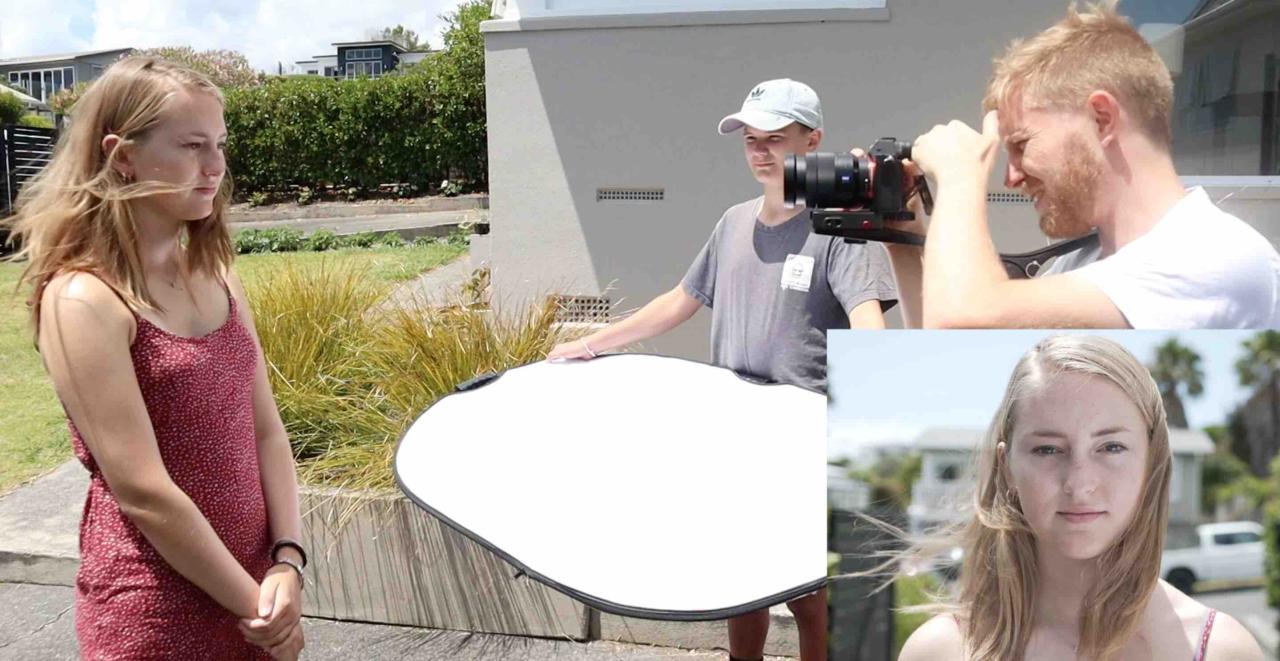
Reflectors and diffusers are indispensable tools for manipulating natural light, allowing you to control its intensity, direction, and quality. They enable you to overcome the challenges posed by direct sunlight or uneven illumination, transforming harsh conditions into a more aesthetically pleasing and controllable lighting setup.A reflector is used to bounce existing light back onto your subject. This is particularly useful when your primary light source (the sun) is creating shadows on one side of your subject’s face or body.
By placing a reflector on the opposite side, you can fill in those shadows, reducing contrast and providing more even illumination.Here are common types of reflectors and their applications:
- White Reflectors: These provide a neutral, soft fill light. They are excellent for subtle fill and are a good choice when you want to lift shadows without introducing color cast.
- Silver Reflectors: Silver surfaces produce a brighter, cooler, and more specular reflection than white. They are useful for adding sparkle or a more dramatic fill.
- Gold Reflectors: Gold reflectors create a warm, golden fill light, mimicking the color of sunlight during the golden hour. They are ideal for adding warmth to skin tones or creating a sunset effect.
- Black Reflectors (Negative Fill): While not strictly a reflector, a black card or fabric can be used to absorb light. This is known as “negative fill” and is used to deepen shadows and increase contrast, thereby enhancing dimension.
A diffuser is used to soften harsh light by scattering it. This is typically achieved by placing a translucent material between the light source and your subject. This effectively enlarges the apparent size of the light source, leading to softer shadows and a more flattering illumination.Here are common methods for diffusing natural light:
- Overcast Skies: The clouds act as a natural diffuser, providing soft, even light. This is often considered ideal for portraiture.
- Window Light: Positioning your subject near a window, especially one with sheer curtains or blinds, will diffuse the incoming sunlight, creating a soft, directional light.
- Diffusion Panels/Scrims: These are portable frames with translucent fabric stretched across them. They can be placed between the sun and your subject to soften direct sunlight. Large diffusion panels can significantly soften the sun’s intensity, making it more manageable.
- Lightweight Fabric: Thin white sheets or even a thin white t-shirt can be used in a pinch to diffuse smaller light sources or create a softer effect.
Working with Window Light
Window light is a filmmaker’s best friend when shooting with natural illumination. Its diffused, soft quality can create beautifully flattering and dynamic lighting scenarios for your videos. Understanding how to harness its power is key to achieving professional-looking results without expensive equipment.The availability and quality of window light are heavily influenced by the time of day, weather conditions, and the orientation of your window.
By strategically positioning yourself and your subject, you can effectively control the intensity and direction of this natural light source to achieve your desired aesthetic.
Setting Up Your Filming Space
To maximize the benefits of window light, careful consideration of your filming space is essential. This involves understanding the direction of the light and how it interacts with your subject and background.A simple procedure for setting up your filming space involves the following steps:
- Identify the primary window that will serve as your light source.
- Position your subject facing the window, or at a 45-degree angle to it, depending on the desired effect. For a softer, more even light, having the subject face the window directly is often ideal. For more dimension and shadow play, a 45-degree angle is effective.
- Ensure there are no direct obstructions between the window and your subject that would cast unwanted shadows.
- Consider the background. A plain wall or a softly lit background can complement the window light without competing for attention.
- If shooting indoors, be mindful of reflections in windows or glossy surfaces that might distract from your subject.
Controlling Light Intensity and Direction
While natural light offers flexibility, it also requires management to prevent it from becoming too harsh or too dim. Several methods can be employed to control the intensity and direction of light coming through windows.The intensity of window light can be modulated by:
- Time of Day: Midday sun is typically the harshest. Early morning or late afternoon “golden hour” light is softer and warmer, offering a more pleasing aesthetic.
- Distance from Window: Moving your subject closer to the window increases the light intensity, while moving them further away decreases it.
- Reflectors: Using a white foam board, a bounce card, or even a white wall opposite the window can bounce light back onto your subject, filling in shadows and softening the overall light.
The direction of light is primarily determined by your subject’s position relative to the window.
- Frontal Lighting: Subject faces the window directly. This creates a flat, even illumination, minimizing shadows. It is very flattering for portraits.
- Side Lighting: Subject is positioned at a 90-degree angle to the window. This creates strong contrast with one side of the face well-lit and the other in shadow, adding depth and drama.
- Backlighting: Subject is positioned with their back to the window. This creates a silhouette or a rim light effect, highlighting the edges of the subject and separating them from the background. This often requires a fill light on the front of the subject.
- Three-Quarter Lighting: Subject is positioned at a 45-degree angle to the window. This is a classic portrait lighting technique that offers a balance of illumination and shadow, creating a natural and pleasing look.
Softening Harsh Window Light
Direct sunlight streaming through a window can be overly intense and create harsh shadows, which are often unflattering for video. Fortunately, there are simple ways to diffuse and soften this light.Sheer curtains or diffusion gels placed over the window are excellent tools for softening harsh light.
- Sheer Curtains: Thin, translucent curtains act as a natural diffuser, spreading the light and reducing its intensity. The thicker the weave of the curtain, the more it will diffuse the light.
- Blinds: Adjustable blinds offer control over both the intensity and direction of light. Partially closing blinds can break up the light into stripes or create a more diffused glow, depending on the angle. Tilting the slats can also direct the light.
- DIY Diffusion: In the absence of curtains or blinds, a large piece of white fabric, parchment paper, or even a white shower curtain can be taped or held in front of the window to achieve a similar diffusion effect.
These methods transform direct, harsh light into a softer, more manageable source that is ideal for filming.
Creating Dramatic or Flattering Portraits
Window light provides a versatile palette for crafting both dramatic and flattering portraits for your video content. The key lies in understanding how to manipulate its direction and intensity to evoke specific moods and enhance your subject’s features.Here are examples of how to use window light effectively:
- For Flattering Portraits: Position your subject at a 45-degree angle to a large, softly lit window (e.g., on an overcast day or with sheer curtains). This “three-quarter lighting” creates subtle shadows that add dimension to the face without being harsh. Ensure the fill light from the window is enough to illuminate the shadow side of the face, preventing it from becoming too dark.
A subtle reflector placed on the shadow side can further enhance this flattering effect.
- For Dramatic Portraits: Experiment with side lighting (90 degrees to the window) or even slightly more extreme angles. This will create a high-contrast look with deep shadows, emphasizing facial features and adding a sense of mystery or intensity. For a more pronounced effect, you might place your subject closer to the window, allowing the direct light to sculpt their features. Backlighting can also be used dramatically to create a silhouette or a strong rim light, making the subject pop from the background.
- Creating Depth with a Soft Background: By placing your subject closer to the window and further from the background, the window light will primarily illuminate your subject, leaving the background in softer, darker tones. This separation helps to draw the viewer’s eye to the subject and creates a professional, cinematic look.
- Using Window Grids or Panes: If your window has a grid or panes, the light filtering through can create interesting patterns on your subject. This can add a unique visual element and a sense of place to your video.
By consciously directing and modifying the window light, you can transform a simple shooting location into a dynamic studio that produces visually compelling and engaging video content.
Adapting to Different Times of Day
The quality and direction of natural light change dramatically throughout the day, offering a diverse palette for filmmakers. Understanding these shifts allows for strategic planning and creative utilization of the sun’s position to enhance the visual narrative of your videos.
Golden Hour Light Characteristics
The period shortly after sunrise and before sunset, often referred to as the “golden hour,” provides a uniquely flattering light for video production. The sun is low on the horizon, casting a warm, soft, and diffused light that minimizes harsh shadows and creates a beautiful, ethereal glow. This type of light is ideal for achieving a cinematic and visually appealing aesthetic, lending a sense of warmth, romance, or tranquility to scenes.
Midday Sun Mitigation Strategies
Midday sun presents a significant challenge due to its intensity and directness, resulting in harsh shadows and blown-out highlights. To effectively shoot during this time, several techniques can be employed to soften and control the light.
- Utilize Diffusion: Employ diffusion materials such as scrims, diffusion panels, or even sheer curtains placed in front of windows to soften the direct sunlight. This breaks up the harsh rays and spreads the light more evenly.
- Find Shade: Position your subject in open shade, such as under a tree canopy or the overhang of a building. This provides a more controlled and consistent light source without the direct intensity of the sun.
- Backlight or Sidelight: If shooting outdoors, consider using the sun as a backlight or sidelight rather than a direct front light. This can create a dramatic rim light effect or add dimension to your subject.
- Reflectors: Use reflectors to bounce light into the shadow areas, filling them in and reducing contrast. White or silver reflectors are effective for this purpose.
- Adjust Camera Settings: Pay close attention to your camera’s exposure settings. Underexposing slightly can help retain detail in the highlights, while adjusting the white balance can compensate for the warm tones of midday sun if desired.
Blue Hour Light Characteristics
The “blue hour” occurs during the twilight period between day and night, when the sun has just set or has not yet risen. During this time, the sky takes on a deep blue hue, and the light is soft, diffused, and has a cooler color temperature. This atmospheric light is excellent for creating mood, mystery, or a sense of calm and introspection in video.
It’s particularly effective for establishing shots, cityscape scenes, or moments requiring a contemplative feel.
Maintaining Consistent Lighting During Transitions
Transitioning between different natural light conditions throughout a shoot can be challenging for maintaining visual consistency. Proactive planning and adaptive techniques are crucial.
When moving from one light condition to another, such as from direct sun to open shade or from daylight to twilight, it’s important to anticipate these changes and adjust your setup accordingly. Here are some strategies:
- Scout and Plan: Thoroughly scout your location at different times of the day to understand how the light will change. This allows you to plan your shooting schedule to maximize desirable lighting conditions and minimize problematic ones.
- Artificial Light Augmentation: Be prepared to supplement natural light with artificial sources. Small LED panels or even practical lights within the scene can be used to fill shadows, match color temperatures, or maintain a consistent level of illumination as the natural light fades.
- White Balance Adjustments: Regularly check and adjust your camera’s white balance. As the color temperature of natural light shifts, your white balance setting needs to be updated to ensure accurate color representation. Consider shooting in a RAW format to allow for more flexibility in post-production white balance correction.
- Subject Placement: If possible, try to shoot scenes that require consistent lighting in a single location that offers a stable light source, or be prepared to move your entire setup if necessary.
- Focus on Storytelling: Sometimes, embracing the subtle changes in natural light can enhance the narrative. A slight shift in mood or color temperature can subtly reflect the progression of time or emotion within your video.
Enhancing Natural Light with Simple Tools

While natural light is a fantastic resource for video production, its intensity and direction can often be improved with readily available household items. These simple tools can significantly elevate the quality of your footage by allowing you to control and shape the light, making your subjects look more polished and professional without the need for expensive equipment.By understanding how light behaves, you can strategically use everyday objects to manipulate it, turning a potentially challenging lighting situation into an advantage.
This section explores how to leverage common items to bounce, diffuse, and shape natural light for more visually appealing videos.
Repurposing Household Items as Light Modifiers
Many common household items can be effectively repurposed as light modifiers, offering creative and budget-friendly solutions for enhancing natural light. These items mimic the function of professional lighting equipment, allowing for greater control over the light’s quality and direction.Here are some common household items and their applications in light modification:
- White Poster Board or Foam Core: These can serve as excellent bounce cards to fill in shadows and add a soft glow to your subject. Their large, flat surface is ideal for reflecting light.
- Aluminum Foil: When crinkled and attached to cardboard, aluminum foil can create a more specular, brighter reflection, useful for adding highlights or simulating a harder light source.
- White Sheets or Fabric: Sheer white curtains, bedsheets, or even a thin white tablecloth can be used as diffusers to soften harsh natural light, reducing strong shadows and creating a more even illumination.
- Mirrors: Mirrors can be used to redirect light from a window or other natural source to a specific area, acting as a more focused bounce.
- Cardboard Boxes: These can be cut and shaped to create flags (to block light) or snoots (to focus light into a narrow beam).
Using Foam Board or Cardboard as a Bounce Card
A white piece of foam board or cardboard is one of the most versatile and cost-effective tools for manipulating natural light. Its primary function is to reflect light back onto your subject, filling in shadows and creating a more balanced exposure. When the direct sunlight or window light hits the board, it bounces off and illuminates the darker areas of your scene.To use a foam board as a bounce card:
- Position the board opposite or at an angle to your main light source (e.g., a window).
- Adjust the angle of the board to direct the reflected light onto the shadow side of your subject.
- Observe the effect on your subject and fine-tune the position and angle of the board until you achieve the desired fill.
The larger the surface area of the board, the softer the bounced light will be. A smaller board will produce a more concentrated, harder reflection.
Employing a Sheer White Sheet or Fabric as a Diffuser
Harsh, direct sunlight can create strong, unflattering shadows. A sheer white sheet or fabric can act as a natural diffuser, softening this direct light and creating a more pleasing, even illumination. This is particularly useful when filming outdoors or near a window with intense sunlight.The process for using a diffuser is as follows:
- Drape the sheer white fabric over the light source, such as a window.
- Ensure the fabric is taut to avoid creating distracting patterns.
- The fabric will scatter the light, reducing its intensity and softening the shadows on your subject.
The thickness of the fabric will determine the degree of diffusion. Thicker fabrics will diffuse the light more significantly, while thinner fabrics will offer a subtler effect.
Leveraging Existing Room Elements to Shape Natural Light
Beyond dedicated tools, the existing elements within a room can be ingeniously used to shape and control natural light. Understanding how light interacts with surfaces allows you to strategically place your subject and camera to take advantage of these natural modifiers.Consider these techniques for using room elements:
- Walls: Light-colored walls can act as large, soft bounce surfaces, filling in shadows naturally. If a wall is too dark, you can place a white sheet or foam board against it to create a more effective bounce.
- Furniture: The shape and placement of furniture can create natural shadows or act as barriers to block unwanted light. A large piece of furniture can be used to create a more intimate, contained lighting environment.
- Curtains and Blinds: These are natural diffusers and light shapers. Adjusting curtains or blinds can control the intensity and direction of light entering a room, creating patterns or softening the overall illumination.
- Doors and Openings: An open doorway can act as a large, soft light source, similar to a softbox, if the light source is positioned outside the opening.
By observing how light falls and interacts with your environment, you can make subtle adjustments to your subject’s position or the camera’s angle to sculpt the light without needing any additional equipment.
Troubleshooting Common Natural Light Issues
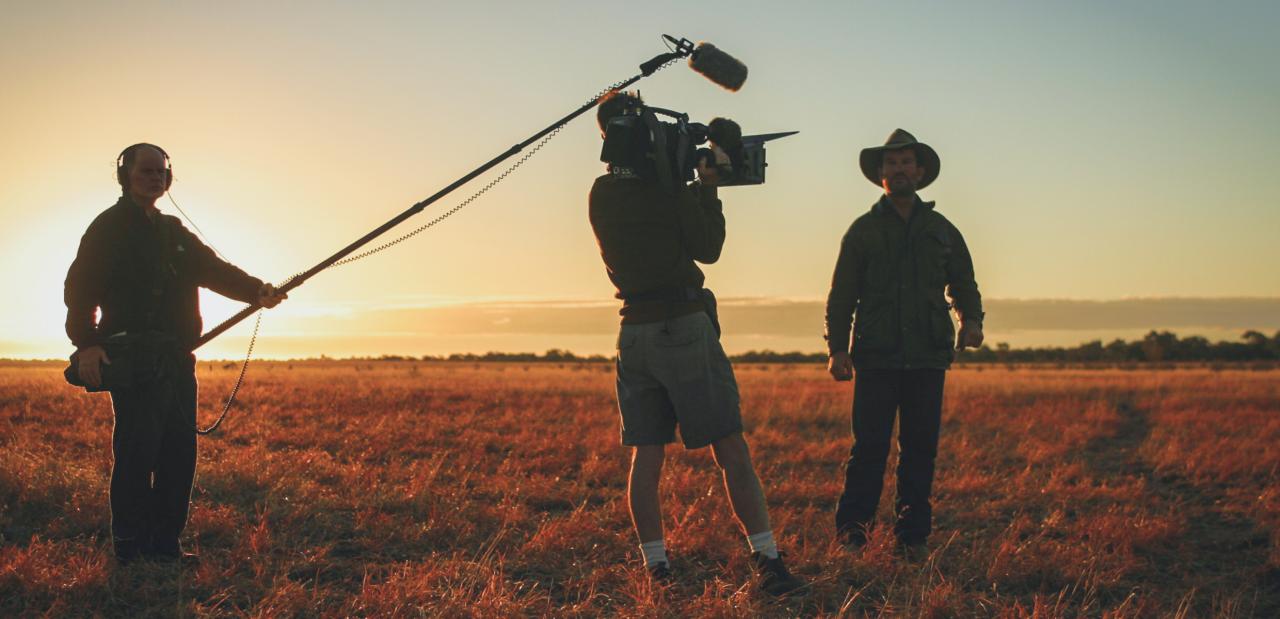
Even with the best planning, natural light can present unexpected challenges during video production. Understanding how to address these common issues will ensure your footage remains professional and visually appealing. This section focuses on practical solutions to common problems encountered when relying on the sun as your primary light source.
Managing Blown-Out Highlights
Bright sunlight can easily overwhelm your camera’s sensor, leading to “blown-out” highlights where detail is lost and the image appears pure white. This is particularly common on sunny days or when shooting outdoors with direct sun.
To combat blown-out highlights, consider these strategies:
- Utilize ND Filters: Neutral Density (ND) filters reduce the amount of light entering the lens without affecting color. They are essential for controlling exposure in bright conditions, allowing you to maintain a wider aperture for shallow depth of field while preventing overexposure. Filters come in various strengths, allowing for precise control.
- Diffuse the Light: If possible, position your subject so the direct sunlight is diffused. This can be achieved by shooting through sheer curtains, a translucent umbrella, or by using a professional diffusion panel. This softens the light and reduces harsh specular highlights.
- Adjust Camera Settings: While filters are preferred, you can also slightly underexpose your shot in the camera. This will retain more detail in the highlights, though it might introduce more noise in the shadows. Post-production color grading can help recover some shadow detail.
- Seek Shade: The simplest solution is often to move your subject into open shade. This provides soft, even lighting that is much easier to manage than direct sunlight. The light in open shade is still bright enough for filming.
Illuminating Deep Shadows
Conversely, shooting against a bright natural light source, such as a window or the sun, can cast deep, dark shadows on your subject. This creates high contrast and can obscure important details.
To effectively illuminate shadows, employ the following techniques:
- Use Reflectors: Reflectors are a filmmaker’s best friend for filling shadows. A simple white foam board or a professional silver or gold reflector can bounce existing light back onto your subject, lifting the shadows and balancing the exposure. Position the reflector opposite the main light source.
- Add a Fill Light: If reflectors are not sufficient, consider using a small, controllable artificial light source as a fill light. This could be a small LED panel or even a practical lamp. The key is to keep this fill light subtle, just enough to lift the shadows without overpowering the natural light.
- Positioning is Key: Experiment with your subject’s position relative to the light source. Sometimes, a slight shift in angle can significantly reduce the depth of shadows. Avoid placing your subject directly in front of a bright light source if shadows are a concern.
- Embrace the Contrast (Selectively): In some cinematic styles, deep shadows can be a deliberate creative choice. However, for most informational or narrative videos, it’s important to ensure your subject’s face is adequately lit. Assess whether the shadow is enhancing the mood or simply obscuring detail.
Correcting for Color Shifts
Natural light changes color temperature throughout the day. Early morning and late afternoon light is warmer (more yellow/orange), while midday sun is cooler (more blue). This can lead to an unnatural color cast in your footage.
Achieving accurate colors with varying natural light requires attention to white balance and post-production:
- Set White Balance Manually: Instead of relying on auto white balance, which can fluctuate, set your camera’s white balance manually. Use a gray card or a white object in your scene and tell your camera what “white” is under the current lighting conditions. This provides a consistent baseline.
- Shoot in Log or RAW: If your camera allows, shooting in a Log profile or RAW format provides the most flexibility in post-production for color correction. These formats capture a wider dynamic range and more color information, making it easier to correct color casts without degrading image quality.
- Use Color Correction in Post-Production: Even with manual white balance, some adjustments may be needed. Software like Adobe Premiere Pro, DaVinci Resolve, or Final Cut Pro allows you to fine-tune the color temperature and tint of your footage. Use scopes (like the waveform and vectorscope) to guide your adjustments.
- Understand the Light’s Character: Be aware of the inherent color of the light. For example, golden hour light is intentionally warm and can be beautiful if embraced. The goal is not always to make everything neutral, but to ensure the colors look natural and appealing for your specific video.
Achieving Balanced Exposure in Mixed Lighting
A common scenario is when your subject is partially illuminated by natural light and partially in shadow, or when there’s a significant difference in brightness between the background and your subject. This can result in an underexposed subject or an overexposed background.
Balancing exposure in these challenging situations can be achieved through a combination of techniques:
- Prioritize Subject Exposure: In most cases, ensuring your subject is correctly exposed is paramount. If the background is too bright, you may need to accept a slightly less-than-perfect background to ensure your subject is visible and detailed.
- Use Fill Light and Reflectors Strategically: As mentioned earlier, reflectors and fill lights are crucial for lifting shadows on your subject. By carefully controlling the intensity and direction of these fill sources, you can bring the shadowed areas closer to the exposure of the lit areas.
- Consider a Graduated ND Filter: For scenes with a very bright sky and a darker foreground, a graduated neutral density (GND) filter can be beneficial. This filter is dark on top and clear on the bottom, allowing you to reduce the brightness of the sky while leaving the foreground unaffected, thus balancing the overall exposure.
- Exposure Bracketing (for Stills, but conceptually useful): While primarily a still photography technique, the concept of exposure bracketing – taking multiple shots at different exposures – highlights the idea of capturing different light levels. For video, this translates to carefully observing your histogram and making adjustments to ensure no critical areas are completely clipped or crushed.
- Embrace Selective Focus: Sometimes, a shallow depth of field can help draw attention to your subject and subtly de-emphasize the background, including areas of extreme brightness or shadow.
Illustrative Scenarios and Setups

Understanding how to apply natural light principles to various filming situations is crucial for achieving professional-looking results. This section explores practical setups for different video genres, demonstrating how to harness the power of natural light effectively. By examining specific scenarios, you can gain valuable insights into adapting your techniques to your unique filming needs.
Ideal Natural Light Setups for Different Video Genres
Tailoring your natural light approach to the specific demands of your video genre can significantly enhance its impact and professionalism. The following table Artikels recommended setups for common video types, emphasizing how to best utilize available natural light sources.
| Video Genre | Primary Natural Light Source | Setup Considerations | Desired Effect |
|---|---|---|---|
| Interviews | Window Light | Subject positioned at a 45-degree angle to the window. Use a reflector on the opposite side to fill shadows. | Soft, flattering light with subtle depth. |
| Vlogs | Overhead Natural Light (e.g., diffused daylight outdoors or in a bright room) | Position subject facing the light source directly. Avoid harsh direct sunlight which can cause squinting. | Bright, energetic, and natural look. |
| Product Demos | Indirect Window Light or Shade Outdoors | Place the product on a surface where light falls evenly. Use diffusion panels or bounce cards to control contrast and highlight details. | Clear, well-lit product with accurate color representation and visible textures. |
| Talking Head Videos (Studio) | Large Window (North-facing ideally) | Subject seated facing the window, with a subtle backlight from a secondary, less intense source if available (e.g., a distant window or a carefully placed practical light). | Clean, professional, and engaging portrait. |
| Food Videography | Side Window Light | Position food near a window, allowing light to skim across the textures and surfaces. Use dark surfaces behind the food to create contrast and make colors pop. | Appetizing and detailed portrayal of food. |
Studio Setup for a Talking-Head Video Using Only Window Light
Creating a professional talking-head video in a studio environment without artificial lights is entirely achievable by strategically utilizing window light. The key is to control the quality and direction of the light to produce a pleasing and engaging image.For a typical studio talking-head setup, a large window, ideally north-facing to provide consistent, diffused light throughout the day, is paramount. Position your subject seated, facing directly towards this window.
This front-lighting approach ensures their face is evenly illuminated, minimizing harsh shadows and creating a natural, approachable look. To manage any shadows that might naturally form under the nose or chin, a simple white reflector card placed on a stand or even a piece of white foam board can be positioned opposite the window, angled to bounce light back onto the subject’s face.
This subtle fill light softens the shadows without overpowering the primary window light, adding dimension and preventing the image from looking flat. The background should be kept relatively simple and uncluttered, allowing the subject to be the clear focus. The camera should be positioned at eye level with the subject, further enhancing the connection with the viewer.
Using Natural Light for an Outdoor Product Shot
Capturing compelling product shots outdoors with natural light requires careful observation and manipulation of the available light. The goal is to showcase the product’s details and textures effectively without harsh glare or distracting shadows.To achieve an excellent outdoor product shot using natural light, consider the time of day. Midday sun can be too harsh, creating strong, unflattering shadows and blown-out highlights.
Instead, opt for the softer light of early morning or late afternoon, often referred to as the “golden hour.” Position your product in a shaded area, such as under a tree or an awning, to create a soft, diffused light. This prevents direct sunlight from causing specular highlights that can obscure product details. If the ambient light is still too contrasty, you can use a large white diffusion panel held above or to the side of the product to further soften the light.
To add definition and prevent the product from appearing flat, a bounce card (a piece of white foam core or a collapsible reflector) can be used to gently fill in the shadows. Experiment with the angle of the bounce card to control the intensity of the fill light. Pay attention to the background; ensure it complements the product without being distracting.
A slightly out-of-focus background achieved by positioning the product further from the background and using a wider aperture can help the product stand out.
Visual Guide for Capturing Atmospheric Outdoor Scenes with Natural Light
Creating atmospheric outdoor scenes with natural light involves understanding how light interacts with the environment and subject to evoke specific moods and emotions. This guide uses descriptive text to illustrate effective techniques.Imagine a scene set in a misty forest during the early morning. The sun is just beginning to rise, casting long, ethereal rays through the trees. To capture this atmosphere, position your camera so that these sunbeams are visible, perhaps filtering through a patch of fog or illuminating dust particles in the air.
This creates a sense of depth and magic. For a dramatic sunset shot, aim to capture silhouettes against the vibrant sky. Position your subject or foreground element in front of the setting sun, ensuring they are underexposed so that their details are lost, allowing the fiery colors of the sky to dominate the frame.Consider a beach scene at dusk. The light is soft and warm, casting a gentle glow over the sand and water.
To enhance this, look for opportunities to capture the light reflecting off wet sand or the surface of the water. A slightly lower camera angle can emphasize these reflections and create a sense of tranquility.For a moody, overcast day, the light is soft and even, perfect for capturing intricate details without harsh shadows. Focus on textures – the rough bark of a tree, the delicate veins of a leaf, or the intricate patterns of raindrops on a window.
The diffused light will bring these details to the forefront.When filming in strong, directional light, such as midday sun, look for opportunities to use shadows creatively. A subject standing in a dappled shadow pattern cast by leaves can create an interesting visual texture and add a sense of mystery. Conversely, to create a bright, airy feel, position your subject in open shade, where the light is even and soft, and consider using a light-colored background to reflect light back onto the subject.
Last Point
By understanding and skillfully applying the techniques discussed, you are now equipped to harness the incredible potential of natural light in your video projects. From meticulous planning to creative execution, you can achieve stunning visuals that resonate with your audience, proving that sometimes, the best lighting is the light that nature provides. Embrace these insights to bring a new level of artistry and professionalism to your filming endeavors.