Embarking on the journey to achieve superior audio recordings often begins with a fundamental yet crucial step: soundproofing your space. This guide is meticulously crafted to illuminate the path towards transforming any room into an acoustically optimized haven, ensuring that your creative endeavors are captured with pristine clarity.
We will delve into the core principles that govern how sound behaves, distinguishing between blocking external noise and refining the acoustics within your recording environment. Understanding these nuances is key to effectively tackling sound leaks, selecting appropriate materials, and implementing strategies for walls, doors, windows, floors, and ceilings.
Understanding the Basics of Soundproofing for Audio Recording
Embarking on the journey to achieve pristine audio recordings necessitates a solid understanding of how sound behaves and how to control it within your dedicated space. Effective soundproofing and acoustic treatment are not merely about creating silence; they are about creating an environment where your audio can be captured with clarity and fidelity, free from external distractions and internal sonic anomalies.
This section will lay the groundwork for understanding the core principles that underpin successful sound isolation and room acoustics for recording purposes.The distinction between soundproofing and acoustic treatment is fundamental to approaching your project effectively. While often used interchangeably, these two concepts address different aspects of sound management. Understanding this difference will guide your material choices and strategic planning, ensuring you invest in the right solutions for your specific needs.
Sound Isolation vs. Acoustic Treatment
Sound isolation, often referred to as soundproofing, is the process of preventing sound from entering or leaving a room. It focuses on blocking airborne and structure-borne sound transmission. This is achieved by increasing the mass of walls, floors, and ceilings, sealing air gaps, and decoupling structures to minimize vibration transfer. The goal is to create a barrier that significantly reduces the decibel level of sound passing through.Acoustic treatment, on the other hand, deals with the sound within a room.
Its primary objective is to control reflections, echoes, and reverberation, thereby improving the listening and recording environment. This involves using materials that absorb, diffuse, or scatter sound waves. While acoustic treatment does not prevent sound from entering or leaving the room, it is crucial for achieving a neutral and accurate sound capture, preventing unwanted coloration of your recordings.
Common Sound Transmission Paths
Sound can travel through a room via several pathways, each requiring specific attention for effective soundproofing. Identifying these paths is the first step in designing a robust sound isolation strategy. These are the typical routes through which unwanted noise can infiltrate your recording space or your carefully crafted audio can escape.To effectively soundproof a room, consider the following common sound transmission paths:
- Walls: Airborne sound can easily penetrate standard drywall. Structure-borne sound can travel through the studs and framing.
- Doors: Gaps around the frame, hollow core construction, and poor seals are major sound leaks.
- Windows: Single-pane windows offer minimal sound blocking. Gaps around the frame are also problematic.
- Ceilings: Sound can travel from floors above, especially if there is no dedicated soundproofing layer.
- Floors: Foot traffic and vibrations from equipment can transmit through the floor.
- Ventilation Systems (HVAC): Ducts can act as direct conduits for airborne sound between rooms.
- Electrical Outlets and Light Fixtures: Gaps around these fixtures can allow sound to pass through walls.
- Plumbing: Vibrations from water flow and pipe resonance can transmit through walls and floors.
Common Misconceptions About Soundproofing
The pursuit of a perfectly soundproofed recording environment can sometimes be clouded by common misunderstandings. These misconceptions can lead to ineffective solutions and wasted resources. It is important to approach soundproofing with realistic expectations and a clear understanding of its limitations and capabilities.Here are some prevalent misconceptions about achieving a soundproof recording environment:
- “Thick Blankets Alone Will Soundproof a Room”: While blankets can offer some minor sound absorption, they are not dense or sealed enough to provide significant sound isolation. They are primarily for acoustic treatment, not soundproofing.
- “Adding More Drywall is Enough”: Simply adding layers of drywall without addressing decoupling and sealing will only yield marginal improvements. The sound will still transmit through the studs.
- “Soundproofing Means Complete Silence”: True soundproofing aims to significantly reduce sound transmission to a level where it is no longer distracting for recording. Achieving absolute silence is practically impossible and often unnecessary.
- “Acoustic Foam is Soundproofing”: Acoustic foam is designed for sound absorption (controlling reflections within a room), not for sound blocking. It is a key component of acoustic treatment but does not provide sound isolation.
- “Sealing Every Tiny Gap is the Only Thing That Matters”: While sealing gaps is critical, it is only one part of the equation. Addressing mass, decoupling, and the transmission paths themselves are equally important.
- “You Can Soundproof a Room with Minimal Renovation”: Significant soundproofing often requires structural modifications, such as adding mass, creating air gaps, and decoupling materials, which can involve substantial renovation.
Identifying Sound Leaks and Weak Points
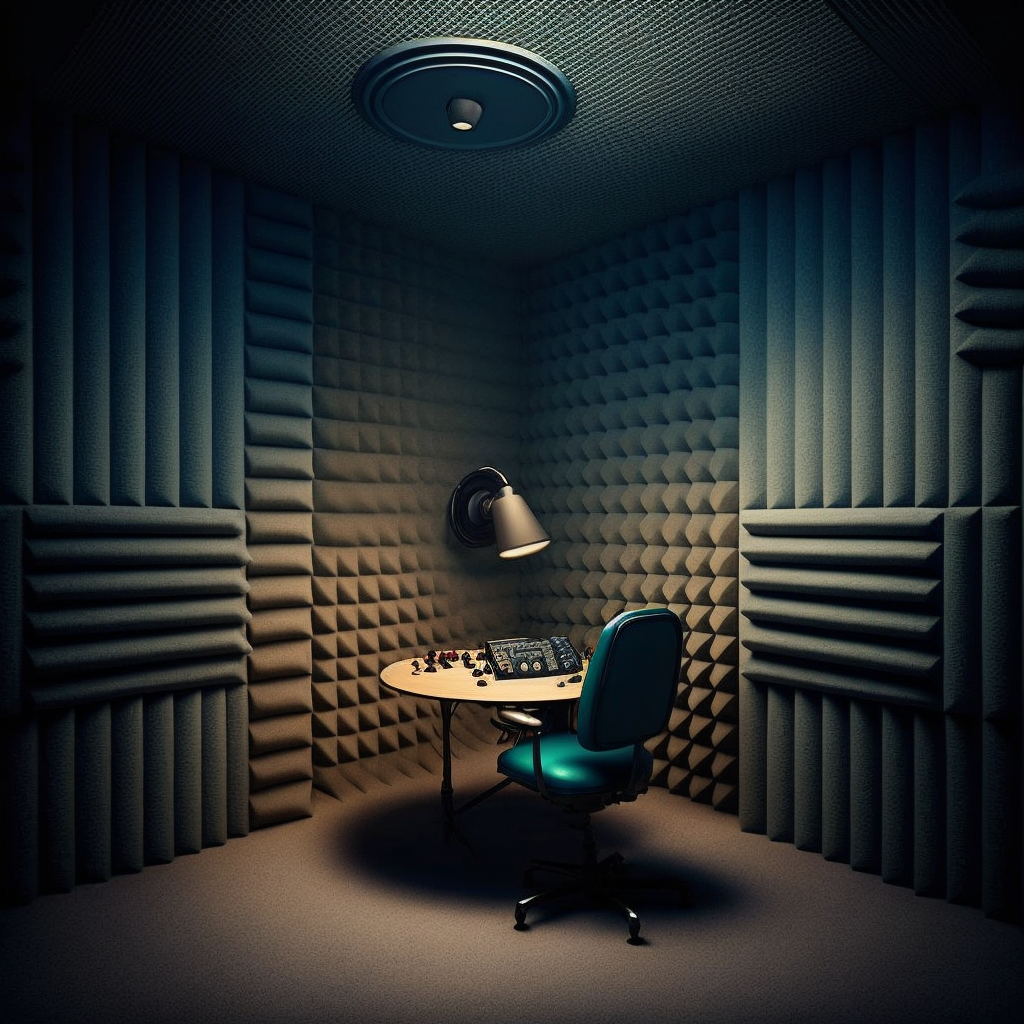
Once you have a foundational understanding of soundproofing principles, the next crucial step in improving your room’s acoustics for recording is to pinpoint exactly where sound is infiltrating or escaping. This involves a systematic investigation to uncover the vulnerabilities in your room’s construction. Addressing these weak points directly will yield the most significant improvements in sound isolation.Identifying sound leaks requires a keen eye and a methodical approach.
Sound, much like water, will find the path of least resistance. Therefore, we need to meticulously examine the physical barriers of your room to find any openings, however small, that compromise its sound-blocking integrity.
Methods for Identifying Air Gaps and Structural Weaknesses
Uncovering sound leaks often involves a combination of sensory observation and simple testing. These methods help reveal the often-invisible pathways that sound can exploit.
- Visual Inspection: Thoroughly examine all surfaces and junctions within the room. Look for cracks, gaps, or separations in walls, ceilings, floors, and around fixtures. Pay close attention to areas where different materials meet, such as where drywall meets a wooden frame or where trim meets a wall.
- Tactile Inspection: Run your hands along potential leak areas. You might feel drafts of air, which often correlate with sound leaks. This is particularly effective around windows, doors, and electrical outlets.
- Auditory Inspection: While less precise, listening carefully for external noises entering the room or internal noises escaping can provide clues. This is best done when there is a significant difference in sound levels between the room and its surroundings.
Performing a Basic Sound Leak Test
A simple yet effective sound leak test can be conducted using readily available items and a controlled sound source. This process helps to quantify the extent of sound transmission through potential weak points.To perform this test, you will need a consistent sound source and a way to measure its intensity. A portable Bluetooth speaker playing a steady tone or white noise at a moderate volume can serve as your sound source.
For measurement, a smartphone with a decibel meter app or a dedicated decibel meter is sufficient.
- Prepare the Room: Ensure the room you are testing is as quiet as possible. Turn off any appliances or electronic devices that might generate background noise.
- Place the Sound Source: Position the speaker inside the room, ideally in the center, and play a consistent sound at a moderate, steady volume (e.g., a sine wave at 440 Hz or white noise).
- Measure Ambient Noise: Before introducing the sound source, take a baseline decibel reading outside the room to understand the ambient noise level.
- Measure Sound Transmission: With the sound source playing inside, move around the exterior of the room, especially near potential leak areas like doors, windows, and vents. Use your decibel meter to measure the sound levels outside.
- Identify Discrepancies: Areas where the measured decibel level outside is significantly higher than the ambient noise level, and closer to the internal sound source level, indicate a sound leak. A substantial difference between the internal sound level and the external measurement points to a weakness.
Materials and Areas Susceptible to Sound Transmission
Certain building materials and common room features are inherently more prone to allowing sound to pass through them. Understanding these common culprits is key to an efficient soundproofing strategy.Standard rooms, particularly those in residential or office buildings, often present several predictable weak points for sound transmission. These are areas where construction may be less robust or where functional requirements necessitate openings.
| Area/Material | Reason for Susceptibility | Typical Weaknesses |
|---|---|---|
| Doors | Thin construction, hollow cores, and gaps around the frame. | Door sweeps, gaps between the door and frame, hollow door cores. |
| Windows | Glass is a poor sound insulator, and frames can have gaps. | Single-pane glass, poorly sealed frames, gaps around the window installation. |
| Vents and HVAC Ducts | Direct pathways for air and sound to travel between spaces. | Unbaffled ducts, gaps where ducts enter walls or ceilings. |
| Electrical Outlets and Light Switches | Openings in the wall structure that are often not sealed. | Gaps around outlet boxes, thin plastic faceplates, wiring penetrations. |
| Wall/Ceiling/Floor Junctions | Where different building materials meet, creating potential for gaps. | Seams between drywall panels, where walls meet the floor or ceiling, corners. |
| Recessed Lighting Fixtures | Penetrations through the ceiling that can allow sound to pass into the attic or above. | Gaps around the fixture housing, lack of sealing to the ceiling material. |
Mapping Out Potential Sound Leaks
Once potential leak areas are identified, creating a visual map of these weak points will help prioritize your soundproofing efforts. This map serves as a targeted plan of action.A sound leak map is a simple yet powerful tool for organizing your soundproofing project. It transforms a general understanding of a problem into a concrete, actionable strategy.
- Document the Room Layout: Obtain a floor plan of your room or sketch a basic diagram. Include the placement of doors, windows, outlets, vents, and any other significant features.
- Mark Identified Leaks: Using different colors or symbols, mark the specific locations where you observed or tested for sound leaks. For instance, red circles could denote significant gaps around a door, while blue dots could indicate minor cracks in the wall.
- Categorize Leak Severity: Assign a severity level to each identified leak (e.g., High, Medium, Low). This helps in deciding which leaks to address first. A high-severity leak might be a large gap around a door, while a low-severity leak could be a tiny crack in a baseboard.
- Note Potential Solutions: Briefly jot down the type of treatment that might be suitable for each leak. For example, “door sweep needed,” “acoustic sealant for window frame,” or “foam insert for vent.”
- Prioritize Treatment: Review your map and prioritize addressing the high-severity leaks first, followed by medium, and then low. This ensures you are tackling the most impactful issues before moving to less critical ones.
Soundproofing Walls
Walls are a critical element in any soundproofing project, as they represent the largest surface area and are often the primary pathways for sound transmission. Effectively treating your walls can significantly reduce unwanted noise from entering or escaping your recording space, leading to cleaner and more professional audio. This section will explore various methods and materials to enhance the sound isolation capabilities of your walls.Understanding how sound travels through walls is key to successful soundproofing.
Sound waves exert pressure on a surface, causing it to vibrate. These vibrations then transmit through the material and radiate as sound on the other side. Therefore, soundproofing strategies aim to either increase the mass of the wall, decouple vibrating surfaces, or absorb sound energy.
Wall Soundproofing Techniques and Materials
There are several effective approaches to soundproofing walls, ranging from relatively simple DIY enhancements to more involved professional installations. The choice of technique and material often depends on your budget, the desired level of soundproofing, and whether you are working with existing walls or constructing new ones.
Mass-Loaded Vinyl (MLV)
Mass-loaded vinyl is a dense, flexible material that adds significant mass to a wall without adding substantial thickness. Its effectiveness lies in its high density, which makes it difficult for sound waves to vibrate and pass through. MLV is often used as a barrier layer in wall constructions.
Mass-loaded vinyl is an excellent choice for increasing the sound blocking capabilities of existing walls due to its flexibility and ease of installation.
When installing MLV on existing walls, it’s typically attached directly to the studs or over existing drywall. It is then usually covered with another layer of drywall to provide a finished surface and further enhance sound isolation.
Drywall
While standard drywall offers some inherent mass, specialized soundproofing drywall, such as QuietRock or certain types of gypsum board with damping compounds, offers superior performance. These products are designed to absorb and dissipate sound energy more effectively than regular drywall.A common and highly effective method for soundproofing walls involves creating a layered construction. This approach leverages different materials and techniques to address various aspects of sound transmission.
Insulation Types
The type of insulation used within wall cavities plays a crucial role in sound absorption. While all insulation provides some level of sound dampening, certain types are more effective than others.
- Fiberglass Batt Insulation: A common and cost-effective option that fills wall cavities and absorbs airborne sound. It is most effective when densely packed but not compressed, as compression reduces its sound-absorbing properties.
- Mineral Wool (Rockwool): This type of insulation is denser than fiberglass and offers superior sound absorption and fire resistance. Its higher density makes it more effective at blocking sound transmission.
- Cellulose Insulation: Made from recycled paper, cellulose insulation is blown into wall cavities and conforms well to irregular spaces, providing good sound absorption.
Acoustic Panels
Acoustic panels are primarily designed for sound absorption within a room, rather than soundproofing (blocking sound transmission). While they can help reduce echo and reverberation, they are not a substitute for mass and decoupling when it comes to preventing sound from entering or leaving a space. However, they can be a valuable component of a complete sound treatment strategy for recording studios.
Layered Wall Construction for Maximum Sound Blocking
A layered approach to wall construction is the most effective method for achieving high levels of sound isolation. This strategy involves combining mass, damping, and decoupling to create a formidable barrier against sound.A well-designed layered wall typically includes the following components:
- Existing Wall Structure: The base structure of your wall.
- Insulation: Filling the stud cavities with dense insulation like mineral wool or fiberglass batt is the first step.
- Mass-Loaded Vinyl (MLV): A layer of MLV is applied directly to the studs or over the existing drywall to add significant mass.
- Resilient Channels or Sound Isolation Clips: These are crucial for decoupling the new drywall layer from the studs, preventing direct vibration transmission.
- Second Layer of Drywall: Applying a second layer of drywall, preferably a sound-damping type, over the resilient channels. Using Green Glue damping compound between the two drywall layers further enhances performance by dissipating vibrational energy.
- Sealed Gaps: Ensuring all gaps and penetrations (outlets, switches) are properly sealed with acoustic caulk is vital.
The principle behind this layered approach is to create multiple barriers with different properties. The mass layers (drywall, MLV) resist sound transmission, the insulation absorbs sound within the cavities, and the decoupling elements (resilient channels/clips) break the direct path for vibrations.
Applying Soundproofing Materials to Existing Walls
Soundproofing existing walls can be achieved without complete demolition, though the effectiveness may be slightly less than a purpose-built layered wall. The goal is to add mass and reduce flanking paths.Here are the steps for applying soundproofing materials to existing walls:
- Prepare the Wall Surface: Ensure the existing wall is clean and free of any damage. If there are significant cracks or holes, repair them first.
- Install Mass-Loaded Vinyl (MLV): If you are adding MLV, you can attach it directly to the existing drywall using screws and washers. Ensure the seams are overlapped by at least 2 inches and sealed with acoustic tape.
- Add a Second Layer of Drywall: Install a new layer of drywall over the existing wall (or over the MLV). For enhanced performance, use a sound-damping compound like Green Glue between the two layers of drywall. Apply the compound liberally to the back of the new drywall panel before attaching it.
- Use Resilient Channels (Optional but Recommended): For a more significant improvement, consider attaching resilient channels to the existing studs (if accessible) or to the existing drywall, and then attaching the new drywall to the channels. This decouples the new drywall layer.
- Seal All Gaps and Penetrations: Use acoustic caulk to seal any gaps around the perimeter of the wall, electrical outlets, light switches, and any other penetrations. This is a critical step, as even small gaps can significantly compromise soundproofing.
- Install Insulation (if Cavities are Accessible): If you can access the wall cavities (e.g., during a renovation or by carefully cutting access holes), fill them with dense insulation like mineral wool or fiberglass batts.
The effectiveness of these methods can be quantified. For instance, adding a layer of 5/8-inch drywall with Green Glue between two existing layers can improve sound isolation by approximately 5-10 STC (Sound Transmission Class) points. Adding MLV and resilient channels can yield even greater improvements.
Soundproofing Doors and Windows
Doors and windows are often the most significant weak points in a room’s soundproofing efforts, as they are typically constructed with lighter materials and have inherent gaps. Addressing these areas is crucial for achieving a truly quiet recording space. This section will guide you through effective methods for sealing and reinforcing these entry points to significantly reduce sound transmission.Soundproofing doors requires a two-pronged approach: sealing air gaps and improving the door’s mass and density.
Air gaps, even small ones, allow sound waves to travel through relatively unimpeded. By carefully sealing these, you can make a substantial difference. Furthermore, the construction of the door itself plays a vital role in its ability to block sound.
Sealing Sound Transmission Through Doors
Effectively sealing doors involves addressing all potential pathways for sound to escape or enter. This includes the perimeter of the door frame and the gap beneath the door.
Door Frame Sealing
The most common and effective method for sealing the door frame is by using acoustic weatherstripping. This specialized tape is designed to create a tight seal when the door is closed, preventing sound from passing through the gaps between the door and the frame. It’s important to choose a weatherstripping material that is dense and flexible enough to conform to any irregularities in the frame.
Under-Door Sealing
The gap beneath a door is a significant source of sound leakage. To address this, an automatic door bottom or a door sweep can be installed. An automatic door bottom is a mechanism that retracts when the door is opened and drops down to create a seal when the door is closed. A simpler solution is a door sweep, which is a strip of rubber or brush material attached to the bottom of the door.
For optimal soundproofing, a combination of a well-fitting door sweep and a threshold seal can be employed.
Reinforcing and Replacing Doors
The material and construction of the door itself are paramount for sound isolation. Hollow-core doors offer very little sound resistance, whereas solid-core doors provide significantly better acoustic performance.
Reinforcing Hollow-Core Doors
While not as effective as replacing a hollow-core door, reinforcement can offer some improvement. One method is to add mass to the door by attaching a layer of dense material, such as MDF (Medium-Density Fibreboard) or mass-loaded vinyl (MLV), to one or both sides of the door. This process requires careful application to ensure a seamless finish and to avoid creating new air gaps.
Another approach involves filling the hollow cavities within the door with sound-absorbing materials like mineral wool or acoustic foam, though this can be a more complex and labor-intensive process.
Installing Solid-Core Doors
For superior soundproofing, replacing hollow-core doors with solid-core alternatives is highly recommended. Solid-core doors are denser and heavier, which inherently provides better sound blocking capabilities. When selecting a solid-core door, opt for one with a high STC (Sound Transmission Class) rating. The STC rating indicates how well a building material blocks airborne sound. A higher STC rating signifies better sound isolation.
Soundproofing Existing Windows
Windows, like doors, are often constructed with thin glass and frames that offer minimal sound insulation. Fortunately, several effective techniques can be employed to soundproof existing windows without necessarily replacing them.
Secondary Glazing
Secondary glazing involves installing a second pane of glass or acrylic in front of the existing window. This creates an air gap between the two panes, which acts as a significant sound barrier. The air gap can be further enhanced by using laminated glass or by filling the gap with specialized acoustic sealant. The frame for the secondary glazing should be sturdy and well-sealed to the existing window frame to prevent sound leakage.
Heavy Drapes and Acoustic Curtains
While not a complete soundproofing solution on their own, heavy drapes and acoustic curtains can significantly dampen sound transmission through windows. These materials are designed with dense fabrics that absorb sound waves. For maximum effectiveness, the curtains should be hung from ceiling to floor and extend beyond the edges of the window frame to create a seal. Pleating the fabric also increases its sound-absorbing surface area.
Recommended Door and Window Seals for Soundproofing
Selecting the right type of seals and weatherstripping is crucial for effective soundproofing. The materials should be durable, flexible, and designed to create an airtight seal.
- Acoustic Weatherstripping Tape: Look for dense, closed-cell foam or rubber tapes that are specifically marketed for acoustic sealing. These are typically self-adhesive and easy to apply to door frames and window sashes.
- Automatic Door Bottoms: These are excellent for sealing the gap under doors. They are available in various types, including surface-mounted and mortised options, and can be adjusted for different floor levels.
- Door Sweeps: For a more budget-friendly option, robust door sweeps made from rubber or brush material can be effective. Ensure they create a tight seal against the threshold or floor.
- Acoustic Sealant: This is a non-hardening, flexible sealant used to fill small gaps and cracks around window frames, door frames, and where different materials meet. It remains pliable, allowing for minor movement without cracking, which is essential for maintaining the seal.
- Heavy, Dense Curtains: While not a seal in the traditional sense, curtains made from thick, heavy materials like velvet, blackout fabrics, or specialized acoustic curtain materials can absorb and block a considerable amount of sound.
Addressing Floor and Ceiling Sound Transmission
While walls, doors, and windows are often the primary focus when soundproofing, the floor and ceiling can be significant pathways for both airborne and impact noise. Effectively treating these areas is crucial for achieving a truly isolated recording space. This section will explore strategies for minimizing sound transmission through these often-overlooked surfaces.Sound travels through structures in two primary ways relevant to recording spaces: airborne sound, which moves through the air and then vibrates surfaces, and impact noise, which is generated by direct physical contact and travels through the building’s structure.
Addressing both is essential for comprehensive soundproofing.
Reducing Impact Noise and Airborne Sound Transmission Through Floors
Impact noise, such as footsteps, dropped objects, or furniture movement, is particularly challenging to mitigate as it directly vibrates the building’s structure. Airborne sound, conversely, can also pass through floor gaps or less dense flooring materials. Employing a layered approach with sound-dampening materials is the most effective strategy.A key principle in floor soundproofing is decoupling – creating a separation between the source of the noise and the structure that transmits it.
This can be achieved through various underlayment options that absorb vibrations and minimize direct contact.
Installing Sound-Dampening Underlayments
The choice of underlayment depends on whether you are installing carpet or a hard flooring surface. Each requires a different approach to maximize sound reduction.For carpeted floors, a thick, dense underpad is paramount. High-quality, dense rubber or felt underpads offer superior sound absorption compared to thinner foam options. The density of the underpad helps to absorb impact energy before it can be transmitted through the subfloor.For hard flooring such as wood, laminate, or tile, specialized acoustic underlayments are available.
These often consist of dense rubber, cork, or foam composites designed to absorb impact noise and dampen vibrations. Some products are specifically engineered for sound transmission class (STC) and impact insulation class (IIC) ratings, providing quantifiable performance data.When installing any underlayment, ensure it is laid flat and without gaps. Seams should be butted tightly together, and any necessary taping should use acoustic sealant to prevent sound leaks.
Soundproofing Ceilings
Soundproofing a ceiling involves addressing both airborne and impact noise originating from above, as well as preventing sound from escaping downwards. Similar to floors, decoupling and adding mass are the primary methods.A highly effective technique for soundproofing ceilings is the use of resilient channels. These are metal strips that attach to the ceiling joists, and the new drywall is then screwed into the resilient channels, not directly into the joists.
This creates a small air gap and provides a degree of isolation, significantly reducing the transmission of vibrations.Another crucial element is acoustic insulation. Filling the cavity between the ceiling joists with dense fiberglass or mineral wool insulation will absorb airborne sound and reduce resonance. The thicker and denser the insulation, the better its sound-dampening properties.For enhanced performance, a double-layer drywall ceiling can be installed, with a layer of Green Glue or a similar viscoelastic damping compound applied between the two layers.
This sandwich construction adds significant mass and damping capability.
Comparing Ceiling Treatments for Different Recording Spaces
The optimal ceiling treatment will vary depending on the specific needs of the recording space.For vocal booths, where isolation from external noise and preventing sound leakage is paramount, a robust ceiling treatment is essential. This might include resilient channels, dense acoustic insulation, and a double-layer drywall ceiling with damping compound. The goal is to create a highly absorptive and decoupled ceiling structure.For larger recording spaces, such as control rooms or live rooms, the focus might be slightly different.
While isolation is still important, acoustic treatment for sound absorption within the room might also be considered. However, for soundproofing purposes, the principles of decoupling and adding mass remain the same. Using resilient channels and ample insulation is still the most effective approach. If significant impact noise is a concern from an upper floor, ensuring the subfloor above is also treated with appropriate underlayments is also beneficial.
Treating the Room’s Acoustics for Recording Quality
While soundproofing focuses on preventing sound from entering or leaving a room, acoustic treatment addresses how sound behaveswithin* the room. Effective acoustic treatment is crucial for achieving high-quality audio recordings because it shapes the sonic environment, minimizing unwanted reflections and creating a more accurate and controlled listening space. Without proper treatment, even a perfectly soundproofed room can sound muddy, boomy, or overly reverberant, negatively impacting the clarity and professionalism of your recordings.Untreated rooms often suffer from several common acoustic problems that degrade recording quality.
These issues arise from sound waves bouncing off hard, parallel surfaces. Understanding these problems is the first step toward designing an effective treatment plan.
Common Acoustic Issues in Untreated Rooms
Untreated rooms present a range of acoustic challenges that can significantly compromise audio recordings. These issues stem from the way sound energy interacts with the room’s surfaces, leading to undesirable sonic characteristics.
- Echoes and Flutter Echoes: These occur when sound waves reflect directly back and forth between two parallel, hard surfaces, such as opposite walls or a wall and a window. Flutter echoes are rapid, distinct repetitions of a sound, while a single echo is a more pronounced delay.
- Reverberation (Reverb): This is the persistence of sound after the original sound source has stopped, caused by multiple reflections bouncing around the room. Excessive reverb can make recordings sound distant, indistinct, and difficult to mix.
- Standing Waves (Room Modes): These are resonant frequencies that build up at specific points in a room due to the interaction of sound waves with the room’s dimensions. They cause certain bass frequencies to sound unnaturally loud or weak in different areas of the room, leading to a “boomy” or “hollow” sound.
- Early Reflections: These are the first reflections that reach the listening position or microphone after the direct sound. If not managed, they can arrive too quickly after the direct sound, smearing the transient detail and reducing clarity.
Designing a Basic Acoustic Treatment Plan
A well-designed acoustic treatment plan for a home recording studio aims to balance absorption, diffusion, and bass trapping to create a neutral and controlled listening environment. The goal is not to make the room completely anechoic (dead), but rather to manage reflections and resonant frequencies effectively.A practical approach involves treating key reflection points, corners, and problematic frequency areas. The placement of treatment is as important as the type of material used.
- Identify First Reflection Points: These are the points on the side walls, ceiling, and floor where sound from your monitors or recording source bounces directly to your listening position or microphone.
- Treat the Ceiling: Placing absorption panels on the ceiling above the listening position and the mixing desk helps control early reflections from above.
- Treat the Side Walls: Absorption panels at the first reflection points on the side walls are essential for reducing side-wall flutter and early reflections.
- Address the Back Wall: The back wall behind the listening position can benefit from diffusion to scatter sound and prevent strong reflections from reaching the listening position.
- Control the Front Wall: The wall behind your monitors can be treated with a combination of absorption and diffusion, or primarily absorption if flutter echo is a significant issue.
- Tame Bass Frequencies: Bass traps are crucial for managing low-end resonance and standing waves, typically placed in room corners.
Function of Acoustic Materials
Different acoustic materials serve distinct purposes in shaping a room’s sound. Understanding how each type of material works allows for strategic placement to address specific acoustic issues.
Absorption Panels
Absorption panels are designed to convert sound energy into heat, thereby reducing the amount of sound that reflects off surfaces. They are most effective at mid and high frequencies, helping to control reverb and tame flutter echoes.
- Construction: Typically made from porous materials like fiberglass, mineral wool, or acoustic foam, often encapsulated in fabric. The density and thickness of the material determine its effectiveness across different frequencies.
- Function: When sound waves strike the porous material, the air molecules within the material vibrate, creating friction and dissipating the sound energy as heat.
- Placement: Most effective when placed at first reflection points on walls and ceilings, and on the front wall behind monitors.
Bass Traps
Bass traps are specifically engineered to absorb low-frequency sound energy, which is notoriously difficult to control in most rooms. They are crucial for addressing standing waves and resonant bass frequencies that plague smaller rooms.
- Construction:
- Porous Absorbers: These are essentially thicker, denser versions of standard absorption panels, often placed in corners where bass frequencies tend to build up.
- Resonant/Panel Traps: These are tuned devices that vibrate at specific low frequencies, absorbing the energy. They are typically made of a rigid panel or membrane over an air gap, sometimes with a sealed enclosure.
- Helmholtz Resonators: These are tuned cavities with a narrow opening (neck). Sound waves entering the neck cause the air inside the cavity to resonate, converting sound energy into heat through air friction.
- Function: By absorbing or dampening low frequencies, bass traps reduce the build-up of standing waves and create a more even and controlled low-end response in the room.
- Placement: Most effective when placed in room corners, as this is where bass frequencies tend to accumulate due to wave reflections.
Diffusers
Diffusers are designed to scatter sound waves in multiple directions, breaking up direct reflections and creating a more natural and spacious sound. Unlike absorbers, they don’t eliminate sound energy but rather spread it out, preventing harsh echoes and comb filtering.
- Construction: Typically consist of a series of wells, fins, or panels of varying depths and widths. Common designs include quadratic residue diffusers (QRD) and primitive root diffusers (PRD).
- Function: Sound waves striking a diffuser are reflected at various angles and with varying time delays, effectively “breaking up” the sound and preventing strong, coherent reflections. This helps to create a more lively yet controlled acoustic environment.
- Placement: Often used on the back wall behind the listening position, or on side walls and ceilings in larger rooms, to add spaciousness and prevent the room from sounding “dead.” They are particularly useful in smaller rooms where excessive absorption can make the space feel claustrophobic.
Ventilation and Airflow in a Soundproofed Room
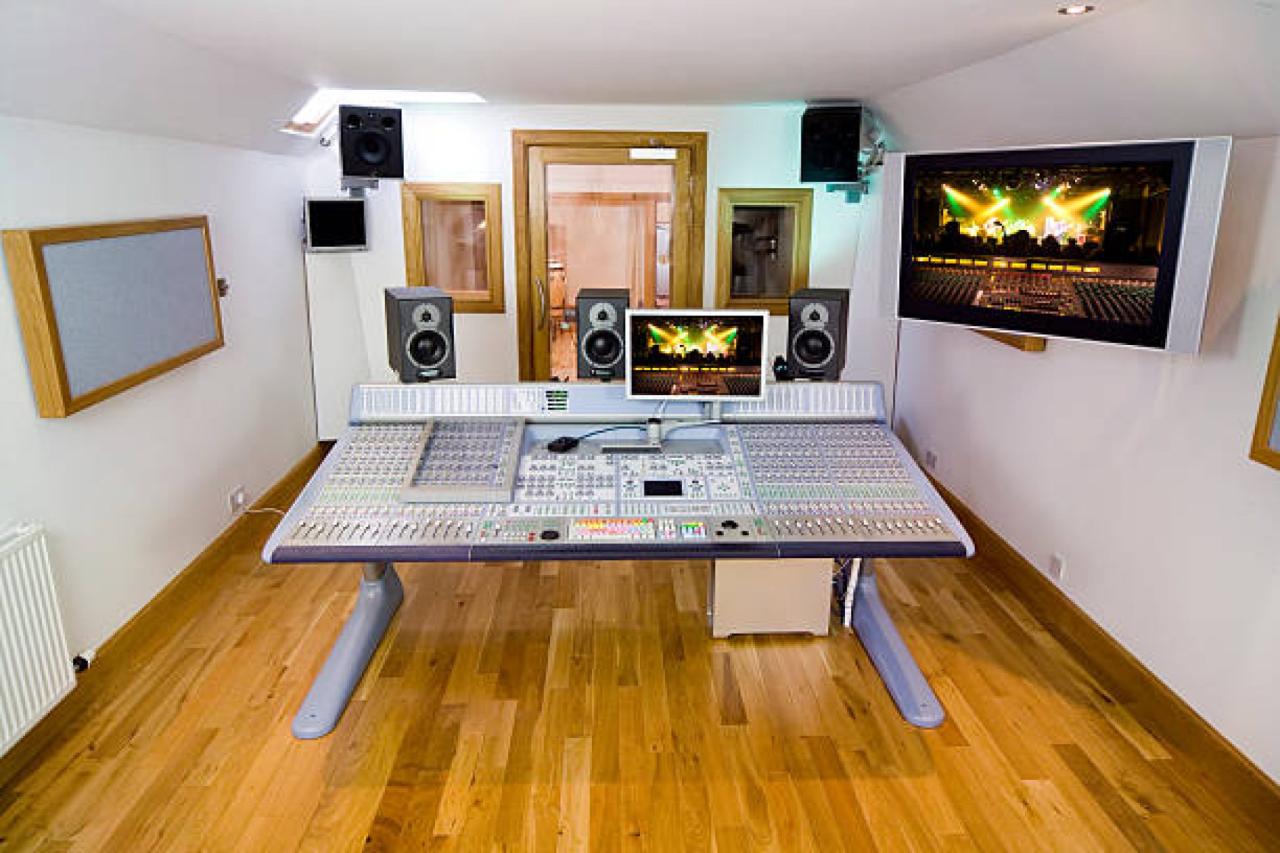
Maintaining proper ventilation in a soundproofed recording space is paramount for both the comfort of the occupants and the integrity of the recordings. While the goal of soundproofing is to prevent sound from entering or escaping the room, neglecting airflow can lead to a stuffy, unhealthy environment and potential moisture issues. Fortunately, it’s entirely possible to implement effective ventilation systems that do not compromise the acoustic isolation you’ve worked hard to achieve.Creating a sound-attenuated ventilation system involves a strategic approach to air exchange.
The core principle is to slow down and absorb sound energy as air passes through the system. This is typically achieved through the use of mufflers, baffles, and extended air pathways, ensuring that sound waves are dissipated before they can travel freely between the inside and outside of the room.
Sound-Attenuated Ventilation System Design
Designing a ventilation system that minimizes sound transmission requires careful consideration of several components. The objective is to create a path for air that is circuitous and lined with sound-absorbing materials, effectively turning a direct line for sound into a series of indirect routes with energy loss.Methods for creating sound-attenuated ventilation systems include:
- Muffler Boxes (Silencers): These are enclosures, typically constructed from wood or metal, lined with acoustic foam or fiberglass. They contain a series of baffles or channels that force the air to take a winding path. As the air moves through these channels, sound waves reflect off the absorptive lining and lose energy.
- Acoustic Ducting: Using flexible, insulated ductwork can help absorb some airborne sound. However, this is often best used in conjunction with muffler boxes for maximum effectiveness.
- Baffled Vents: Instead of a direct opening, baffled vents create a maze-like path for air. This can be achieved by constructing a box with internal dividers that force air to turn corners. The internal surfaces of this box should be lined with sound-absorbing material.
- Extended Air Pathways: Creating a longer, more indirect route for air to travel can significantly reduce sound transmission. This might involve routing ducts through an adjacent space or creating a “sound maze” within the wall cavity.
Installation of Baffled Vents and Silencers
The proper installation of baffled vents and silencers is critical to their effectiveness. Any gaps or direct connections will act as sound leaks, negating the benefits of the soundproofing measures.Key considerations for installation include:
- Sealing: All connections between the ventilation components and the room structure must be meticulously sealed with acoustic caulk or sealant. This prevents air and sound from bypassing the attenuating elements.
- Isolation: Ensure that the ventilation system components are not directly in contact with structural elements that could transmit vibrations. Using resilient mounts or acoustic isolation pads can be beneficial.
- Internal Lining: The sound-absorbing material within the muffler boxes or baffled vents should be securely fastened and cover all internal surfaces to maximize sound absorption.
- Placement: Position vents strategically to ensure good air circulation without creating direct sound paths. Avoid placing them directly opposite each other if possible, and consider the overall airflow patterns within the room.
Checklist for Adequate Airflow and Acoustic Integrity
To ensure your soundproofed room remains a healthy and functional space without compromising acoustic performance, use the following checklist:
| Aspect | Considerations | Status (Check if Addressed) |
|---|---|---|
| Ventilation Type | Is a sound-attenuated system (muffler box, baffled vents) implemented? | |
| Air Exchange Rate | Is the system designed to provide sufficient fresh air for the room’s occupancy and size? (Consult HVAC guidelines for recommended rates.) | |
| Sealing of Connections | Are all ductwork and vent connections thoroughly sealed with acoustic caulk? | |
| Internal Baffling and Absorption | Are muffler boxes and baffled vents lined with appropriate sound-absorbing materials (acoustic foam, fiberglass)? | |
| Vibration Isolation | Are ventilation components isolated from structural elements to prevent vibration transmission? | |
| Vent Placement | Are vents positioned to optimize airflow and minimize direct sound paths? | |
| Maintenance Access | Is there adequate access for cleaning or maintenance of the ventilation system? |
Practical DIY Soundproofing Solutions
Embarking on a soundproofing project doesn’t always require a significant financial investment. For home studio enthusiasts and musicians, numerous cost-effective DIY solutions can dramatically improve audio recording quality. This section focuses on practical, hands-on approaches that leverage common materials and straightforward techniques to achieve noticeable sound dampening and absorption.These DIY methods are designed to be accessible, allowing individuals to tailor their soundproofing efforts to their specific needs and budget.
By understanding the principles of sound absorption and isolation, you can implement effective strategies without the need for professional installation or expensive specialized products.
Cost-Effective DIY Soundproofing Projects
For those looking to enhance their recording environment on a budget, several DIY projects offer excellent value. These projects are designed to be manageable for individuals with basic DIY skills and readily available materials.Here is a list of cost-effective DIY soundproofing projects suitable for home studios:
- DIY Acoustic Panels: Creating your own acoustic panels is one of the most impactful and affordable ways to improve room acoustics. These panels absorb sound reflections, reducing echo and reverberation, which are detrimental to clear recordings.
- Mass Loaded Vinyl (MLV) Curtains: While professional MLV installation can be costly, creating heavy curtains from MLV can offer a more budget-friendly approach to blocking sound transmission through windows and doors.
- Resilient Channels for Walls: While slightly more involved, installing resilient channels before hanging new drywall can significantly decouple the wall from the framing, reducing low-frequency sound transmission. This can be done as a DIY project with careful planning.
- Door Sweeps and Seals: Simple additions like door sweeps at the bottom of doors and weatherstripping around the frame can effectively block airborne sound leaks, a common and inexpensive solution.
- Temporary Booth Construction: For occasional needs or if permanent modifications are not feasible, building a temporary vocal booth using blankets, PVC pipes, or even large furniture can provide a significant reduction in ambient noise.
Building Simple Sound Absorption Panels
Creating effective sound absorption panels is a cornerstone of DIY soundproofing for recording spaces. These panels work by converting sound energy into heat through friction within porous materials, thereby reducing echoes and improving the clarity of recordings. The construction is straightforward and allows for customization to fit the aesthetic and acoustic needs of your room.The process involves creating a frame, filling it with an absorptive material, and covering it with a breathable fabric.To build simple sound absorption panels using common materials, follow these steps:
- Gather Materials: You will need wood for the frame (e.g., 1×4 or 1×3 lumber), acoustic insulation material (such as Rockwool or Owens Corning 703/705 fiberglass), a breathable fabric (like burlap or acoustic-grade cloth), and fasteners (screws, staples).
- Construct the Frame: Cut the lumber to the desired dimensions for your panels (common sizes are 2ft x 4ft or 2ft x 2ft). Assemble the frame using screws, ensuring it is square and sturdy.
- Cut and Install Insulation: Cut the acoustic insulation material to fit snugly inside the frame. Wear protective gear, including gloves, a mask, and eye protection, as fiberglass and mineral wool can be irritating.
- Attach the Fabric: Stretch the breathable fabric tautly over the front of the frame, ensuring there are no wrinkles. Staple the fabric to the back of the frame, pulling it tight as you go to create a clean finish.
- Mount the Panels: Mount the finished panels on the walls of your recording space, typically at first reflection points (the spots on the wall where sound from your monitors bounces directly to your listening position).
Creating Temporary Sound-Dampening Solutions
When permanent soundproofing is not an option, or for specific recording sessions that require immediate noise reduction, temporary solutions can be highly effective. These methods focus on absorbing and blocking sound without altering the structure of the room.Here are some ideas for creating temporary sound-dampening solutions for specific recording needs:
- Thick Blankets and Moving Pads: Hanging heavy blankets, duvets, or professional moving pads on walls and around the recording area can significantly absorb sound reflections and reduce echo. For maximum effect, layer multiple blankets.
- Portable Vocal Booths: You can construct simple portable vocal booths using PVC pipes and thick fabric, or by strategically positioning large furniture like wardrobes or bookshelves and draping them with blankets.
- Reflection Filters: Commercially available reflection filters, often referred to as “mic shields,” can be mounted behind your microphone to absorb sound coming from the rear and sides, reducing room noise pickup. DIY versions can be made with foam and a frame.
- Egg Cartons (Limited Effectiveness): While often cited, egg cartons offer very minimal sound absorption and are more effective for diffusing sound than blocking or absorbing it. Their primary benefit is visual.
A Budget-Friendly Approach to Soundproofing a Small Recording Area
Soundproofing a small recording area on a tight budget requires strategic planning and a focus on the most impactful, low-cost solutions. The primary goals are to reduce sound entering and leaving the space and to control internal reflections.A budget-friendly approach to soundproofing a small recording area involves prioritizing the most critical areas for sound isolation and absorption:
- Seal Gaps: Thoroughly inspect the room for any gaps around doors, windows, and electrical outlets. Use acoustic caulk or weatherstripping to seal these leaks. This is often the most cost-effective first step.
- Utilize Soft Furnishings: Incorporate as many soft materials as possible. Thick rugs, upholstered furniture, and heavy curtains will absorb sound and reduce echo.
- DIY Acoustic Panels: As detailed earlier, building your own acoustic panels from inexpensive materials like fiberglass insulation and fabric is highly recommended. Place these strategically on walls, especially at first reflection points.
- Mass Loaded Vinyl (MLV) for Doors: If a door is a significant sound leak, consider covering it with a layer of MLV. While MLV itself has a cost, it can be more affordable than replacing the door or undertaking major structural changes. Ensure it’s sealed around the edges.
- Temporary Booth Construction: For vocal recordings, consider creating a small, temporary vocal booth within the room using heavy blankets draped over a portable frame or even strategically placed furniture. This can provide a significant improvement in isolation for the microphone.
Advanced Soundproofing Techniques and Considerations
Having established a solid foundation in basic soundproofing principles and addressing common sound leakages, this section delves into more sophisticated methods for achieving superior acoustic isolation. These advanced techniques are crucial for environments where even the slightest sound intrusion can compromise the integrity of recordings, such as professional studios, critical listening rooms, or performance spaces.Acoustic decoupling is a fundamental principle in advanced soundproofing, aiming to prevent sound vibrations from transferring directly from one structure to another.
This is achieved by creating physical separations or using materials that absorb and dissipate vibrational energy. When sound waves encounter a barrier, they cause it to vibrate. These vibrations can then travel through the structure and radiate as sound on the other side. Decoupling interrupts this chain reaction by ensuring that the vibrating surface is not rigidly connected to the surface on the other side of the sound barrier.
Acoustic Decoupling Principles and Application
Acoustic decoupling works by minimizing the direct physical contact between sound-transmitting surfaces. This is often achieved through methods that introduce air gaps or flexible, energy-absorbing materials between structural elements. The effectiveness of decoupling is directly related to the degree of separation and the properties of the materials used.Key principles of acoustic decoupling include:
- Mass-Air-Mass Principle: This is a cornerstone of soundproofing, involving multiple layers of mass (e.g., drywall) separated by an air gap or a resilient material. The mass helps to reflect sound, the air gap provides a decoupling layer, and the second layer of mass further attenuates sound.
- Resilient Mounting: Using specialized hardware like resilient channels, isolation clips, or rubber mounts to attach drywall or other panels to framing. These components absorb vibrations before they can be transmitted through the structure.
- Staggered Stud Construction: In wall construction, staggering studs so that each side of the wall is attached to different studs. This creates a larger air gap and prevents direct vibration transfer.
- Double Wall Construction: Building two separate walls with a significant air gap between them. This is a highly effective but space-consuming method for achieving maximum isolation.
Specialized Soundproofing Materials
Beyond standard construction materials, specialized products are available to enhance soundproofing performance. These materials are engineered to offer superior absorption, damping, and isolation properties, making them invaluable for advanced applications.The application of specialized materials significantly boosts soundproofing effectiveness:
- Soundproofing Compound (Green Glue): This viscoelastic damping compound is applied between layers of rigid materials like drywall. When sound waves cause the panels to vibrate, the compound converts the vibrational energy into heat, effectively reducing sound transmission. It is particularly effective at damping mid-range frequencies.
- Vibration Isolators: These are devices designed to absorb and reduce the transmission of mechanical vibrations. They are used for a variety of applications, including isolating HVAC equipment, speakers, and even entire structures from vibrational noise. Examples include neoprene pads, spring isolators, and rubber grommets.
- Mass Loaded Vinyl (MLV): A dense, flexible barrier material that adds mass to walls, floors, and ceilings without significantly increasing thickness. MLV is effective at blocking airborne sound and is often used in conjunction with other soundproofing methods.
- Acoustic Sealants: These are flexible, non-hardening sealants specifically designed to fill gaps and cracks where sound can leak. Unlike standard caulk, acoustic sealants remain pliable, allowing for the natural movement of building structures without cracking and reintroducing sound leaks.
Building a “Room Within a Room”
For the highest level of sound isolation, the construction of a “room within a room” is the gold standard. This method involves building an entirely new, independent structure inside the existing room, ensuring minimal physical contact with the original walls, floor, and ceiling.The process of building a room within a room involves several critical steps:
- Independent Framing: Construct a new set of walls, ceiling joists, and floor framing that is completely separate from the original structure. This often involves creating a small gap (several inches) between the new framing and the existing walls, floor, and ceiling.
- Decoupled Floor: A floating floor system is essential. This can be achieved by building a new subfloor on top of resilient isolators (e.g., rubber pads or springs) or by using a mass-loaded vinyl layer beneath a subfloor.
- Decoupled Walls: Frame the new walls independently. Use resilient channels or isolation clips to attach the drywall to the new studs, ensuring no direct contact with the outer walls. Consider staggered stud construction for enhanced isolation.
- Decoupled Ceiling: Similar to the walls, the ceiling should be framed independently and attached using isolation clips or resilient channels. A double-layer ceiling with damping compound is highly effective.
- Soundproofed Door and Windows: Use solid-core doors with robust seals and consider double-paned, laminated glass windows with significant air gaps between the panes. Ensure these are also decoupled from the main structure.
- Sealing and Damping: Meticulously seal all gaps with acoustic sealant. Apply soundproofing compound between multiple layers of drywall on walls, ceiling, and floor.
Professional vs. DIY Soundproofing for High-Stakes Environments
In high-stakes recording environments where the absolute best acoustic performance is non-negotiable, the decision between professional services and DIY implementation requires careful consideration of expertise, cost, and desired outcomes.A comparison of professional services versus DIY implementation reveals distinct advantages and disadvantages:
| Aspect | Professional Soundproofing Services | DIY Implementation |
|---|---|---|
| Expertise & Experience | Highly experienced professionals with deep knowledge of acoustics and building science. They can diagnose complex issues and implement optimized solutions. | Relies on the individual’s research, learning curve, and practical skills. May lack the nuanced understanding of acoustic principles. |
| Guaranteed Results | Often provide guarantees on performance, ensuring desired sound isolation levels are met. | Results can be variable and depend heavily on the quality of execution. No formal guarantee. |
| Cost | Significantly higher upfront investment due to labor, specialized equipment, and material costs. | Potentially lower material costs, but can incur higher costs due to mistakes, rework, and the purchase of necessary tools. |
| Time Investment | Professionals work efficiently and complete projects within a defined timeframe. | Can be very time-consuming, requiring significant personal commitment for research, planning, and execution. |
| Customization & Complexity | Can handle highly complex acoustic challenges and design bespoke solutions for unique spaces. | May be limited in addressing highly complex acoustic issues or achieving the highest levels of isolation without specialized knowledge. |
| Risk of Error | Lower risk of critical errors that could compromise soundproofing effectiveness. | Higher risk of errors due to lack of experience, leading to costly rework or suboptimal performance. |
For critical recording environments, professional services offer a higher degree of certainty and often deliver superior, guaranteed results, justifying the increased cost for those who cannot afford compromise. DIY is viable for less demanding situations or for individuals with a strong understanding of acoustics and construction.
Soundproofing for Specific Recording Scenarios
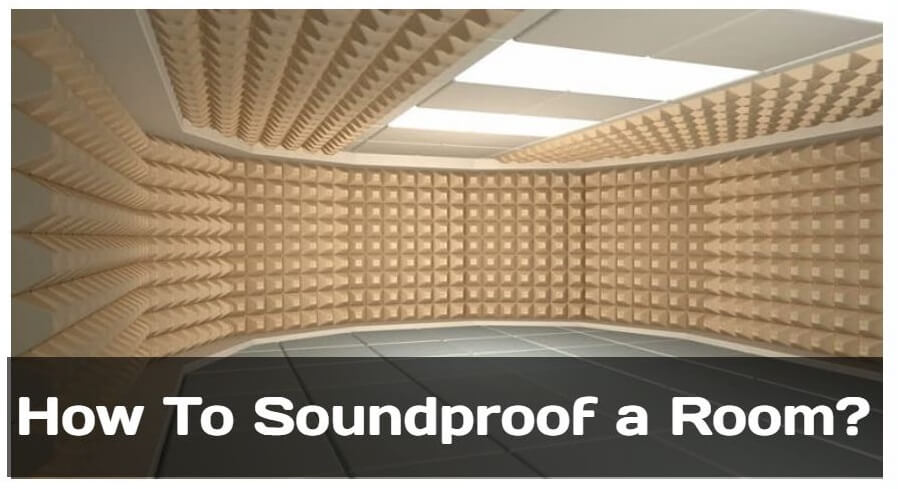
Effectively soundproofing a room requires a nuanced approach, as the optimal strategies often depend on the intended use of the space and the specific types of sound you aim to control. Different recording scenarios present unique challenges, from isolating delicate vocal performances to containing the resonant frequencies of musical instruments or the immersive sound of a home theater. Tailoring your soundproofing efforts to these specific needs ensures the best possible audio quality and an environment conducive to the desired outcome.This section delves into specialized soundproofing techniques for various recording environments, offering practical advice for optimizing each space.
We will explore how to adapt general soundproofing principles to suit the particular demands of vocal booths, podcasting studios, home theaters, and music practice rooms, while also considering the impact of room size and intended use on these strategies.
Vocal Booth Soundproofing Strategies
Vocal booths are designed to capture pristine vocal recordings by minimizing external noise intrusion and preventing sound from escaping. The primary goals are isolation from ambient noise and the control of internal reflections. This often involves creating a highly absorptive and somewhat reflective (for vocal presence) environment within a sealed enclosure.Key considerations for vocal booth soundproofing include:
- Mass and Sealing: Building walls with dense materials like multiple layers of drywall with Green Glue damping compound is crucial. All joints and seams must be meticulously sealed to prevent air gaps, which are significant sound leaks.
- Acoustic Treatment: The interior surfaces should be treated with broadband acoustic absorbers to control reverberation and flutter echo. Bass traps are essential in corners to manage low-frequency buildup.
- Decoupling: Constructing the booth as a “room within a room” is the most effective method. This involves building an independent inner structure that is physically separated from the outer walls, floor, and ceiling.
- Door and Ventilation: Doors should be solid-core and heavily sealed, ideally with a double-door system. Ventilation needs to be carefully designed with baffled silencer boxes to allow airflow without compromising sound isolation.
Podcasting Studio Soundproofing Considerations
Podcasting studios prioritize clear vocal intelligibility and a controlled, non-reverberant sound. While the same principles of mass, sealing, and absorption apply as for vocal booths, the scale and complexity might differ. The focus is on eliminating distracting background noise and achieving a consistent, pleasant vocal tone.Effective soundproofing for podcasting studios involves:
- Room Within a Room Construction: For professional setups, building a decoupled structure is highly recommended to achieve maximum isolation from household noises like HVAC systems, traffic, or other occupants.
- Absorption and Diffusion: While significant absorption is needed to prevent echoes and room tone, some diffusion can be beneficial to prevent the sound from becoming too “dead.” Strategically placed acoustic panels and diffusers can achieve this balance.
- Minimizing Parallel Surfaces: Arranging furniture and acoustic treatments to break up parallel surfaces helps to reduce standing waves and comb filtering.
- Door and Window Sealing: Even if not building a full room-within-a-room, ensuring existing doors and windows are well-sealed with acoustic caulk and weatherstripping is a critical first step. Solid-core doors are preferable.
Home Theater and Music Practice Room Soundproofing Guidance
Home theaters and music practice rooms often require different soundproofing priorities. Home theaters aim to prevent sound from escaping the room (to avoid disturbing others) and to create an immersive listening experience by controlling internal reflections and external noise. Music practice rooms, especially those with drums or amplified instruments, need robust sound isolation to prevent noise pollution.Tailored soundproofing for these spaces includes:
- Home Theaters: The emphasis is on sound isolation to prevent bass frequencies and dialogue from bleeding into adjacent rooms. This typically involves adding mass to walls, ceilings, and floors, and ensuring all openings are sealed. Acoustic treatment inside focuses on creating a balanced sound field for accurate audio reproduction.
- Music Practice Rooms: For louder activities like drumming or amplified guitar, significant mass and decoupling are paramount. A “room within a room” construction is often the most effective solution. Careful attention must be paid to sealing all potential sound leaks, especially around doors and windows.
- Ventilation: Both scenarios require adequate ventilation, which must be designed with acoustic silencers to maintain isolation.
Adapting Soundproofing Techniques for Different Room Sizes and Purposes
The size of a room and its specific purpose significantly influence the approach to soundproofing. Smaller rooms, like vocal booths or compact podcasting setups, can sometimes achieve adequate isolation with less intensive construction, focusing on sealing and adding absorptive materials. Larger rooms, or those intended for high-volume activities like music practice, necessitate more substantial construction methods.Here’s how to adapt techniques:
- Small Rooms (e.g., Vocal Booths, Small Podcasting Rooms):
- Focus on sealing all gaps and cracks meticulously.
- Utilize thick, absorptive acoustic panels and bass traps.
- Consider a well-sealed, solid-core door.
- For extreme isolation, a simple room-within-a-room might still be feasible, though less complex than for a larger space.
- Medium Rooms (e.g., Home Studios, Medium Practice Rooms):
- Adding mass to existing walls (e.g., extra drywall layers with Green Glue) becomes more important.
- Consider decoupling elements like resilient channels or isolation clips for walls and ceilings.
- Ensure proper sealing of all penetrations.
- Ventilation becomes a more critical consideration to avoid stale air.
- Large Rooms (e.g., Larger Music Practice Rooms, Dedicated Home Theaters):
- Full room-within-a-room construction is often the most effective strategy for achieving high levels of isolation.
- Mass-loaded vinyl (MLV) can be incorporated into wall and ceiling assemblies.
- Acoustic treatment should be more comprehensive, addressing both absorption and diffusion.
- Structural considerations and potential for vibration transmission need careful assessment.
The principle of adding mass, damping, sealing, and decoupling remains fundamental, but the scale and complexity of implementation will vary based on the room’s dimensions and the intensity of sound to be managed.
Wrap-Up
Mastering the art of soundproofing your recording space is an achievable goal that significantly elevates audio quality. By diligently addressing sound transmission paths, carefully selecting materials, and thoughtfully treating your room’s acoustics, you create an environment where every nuance of your sound can be captured without compromise. This comprehensive approach empowers you to achieve professional-grade recordings, regardless of your starting point.