Beginning with How to Light a Video with a Single Light Source, the narrative unfolds in a compelling and distinctive manner, drawing readers into a story that promises to be both engaging and uniquely memorable.
This comprehensive guide delves into the art and science of illuminating your video projects using just one light source. We will explore fundamental principles, essential equipment, strategic placement, and effective manipulation of light and shadow to achieve professional-looking results. Whether you’re a beginner seeking to elevate your home studio or an experienced filmmaker looking to refine your techniques, mastering single-light setups offers incredible versatility and creative potential.
Understanding the Fundamentals of Single Light Source Lighting
Mastering video lighting, even with a single light source, hinges on understanding a few core principles that govern how light behaves and interacts with your subject and environment. By grasping these fundamentals, you can transform a single light from a mere illuminator into a powerful tool for shaping mood, depth, and visual appeal in your productions. This section delves into the essential concepts that form the bedrock of effective single-light cinematography.The art of shaping light with a single source is akin to sculpting.
You are not just illuminating; you are defining form, creating dimension, and guiding the viewer’s eye. This is achieved by strategically positioning the light relative to your subject and camera, controlling its intensity, and modifying its quality. The direction of the light will determine the shadows, which are as crucial as the illuminated areas in defining the shape and texture of your subject.
A light placed directly in front of a subject will flatten it, while a light placed to the side will create more dramatic shadows and reveal its contours.
Light Falloff and the Inverse Square Law
The intensity of light diminishes as it travels away from its source. This phenomenon, known as light falloff, is scientifically described by the inverse square law. This law states that the intensity of light is inversely proportional to the square of the distance from the source. In practical terms, if you double the distance from a light, its intensity will decrease to one-quarter of its original strength.
Understanding this is critical for managing exposure and creating a sense of depth in your scene. For instance, if your subject’s face is well-lit at a certain distance, the background will be significantly darker if it’s further away, contributing to a more focused and dramatic look.
The Inverse Square Law: Intensity is inversely proportional to the square of the distance from the source. Mathematically, $I \propto \frac1d^2$.
This principle has a direct impact on how you light your scenes. If you want a relatively even illumination across your subject and background, you’ll need to position the light closer or use a more powerful light. Conversely, if you want to create a strong separation between your subject and the background, you can leverage the inverse square law by placing the light closer to the subject, allowing the background to fall into darkness.
This is a fundamental technique for controlling focus and drawing attention to your primary subject.
The Roles of Key, Fill, and Backlight with a Single Source
While a single light source cannot simultaneously perform the distinct functions of a traditional three-point lighting setup, it can be strategically used to emulate or suggest these roles. The primary function of a single light is typically that of a key light, providing the main illumination and defining the subject’s form. The direction and quality of this single key light will dictate the contrast and mood of the image.To achieve the effect of fill light, which softens shadows, a single light source can be diffused or bounced.
For example, using a large softbox or bouncing the light off a white wall or a reflector can spread the light and reduce the harshness of the shadows created by the key light. This effectively softens the contrast without adding a separate light.The concept of backlight, used to separate the subject from the background and add a rim of light, can also be approximated with a single source.
By positioning the light behind and to the side of the subject, aimed towards the camera or the back of the subject’s head and shoulders, you can create a subtle halo effect. This requires careful positioning to avoid flaring the camera lens directly and to ensure the light doesn’t overpower the main illumination on the front of the subject.
Common Single Light Sources in Video Production
The choice of light source significantly influences the quality and controllability of the light. Several types of single light sources are commonly employed in video production, each offering distinct characteristics.
- LED Panels: These are versatile and popular due to their low power consumption, cool operation, and adjustable color temperature. They can be either hard or soft depending on their design and any diffusion used.
- Softboxes: These are essentially light sources enclosed in a diffusion material, creating a large, soft, and flattering light. They are excellent for reducing harsh shadows and providing a pleasing wrap of light around the subject.
- Monolights: These are self-contained strobe or continuous lights that offer high power output and often come with a variety of light modifiers. They are frequently used in studio settings for their power and control.
- Fresnel Lights: These lights have a lens that allows for a controllable beam of light, which can be narrowed or widened. They can produce a harder light that can be diffused for softer effects.
Advantages and Disadvantages of Single Light Source Lighting
Relying on a single light source for video production presents a unique set of benefits and challenges that are important to consider for effective workflow and creative outcomes.
Advantages:
- Simplicity and Portability: A single light setup is inherently simpler to manage, transport, and set up, making it ideal for run-and-gun shooting, small spaces, or situations where time and resources are limited.
- Cost-Effectiveness: Investing in one quality light source is often more budget-friendly than acquiring a full lighting kit, making it accessible for independent filmmakers, content creators, and those starting out.
- Focus on Fundamentals: Working with a single light forces a deeper understanding of light direction, quality, and falloff, thereby strengthening foundational lighting skills. This constraint can lead to more creative problem-solving.
- Controlled Contrast and Mood: A single, well-placed light can create dramatic and stylized looks with high contrast, which can be very effective for establishing specific moods or emphasizing certain aspects of a subject.
Disadvantages:
- Limited Control over Shadows: Without additional lights to fill shadows, the contrast can become very high, potentially losing detail in darker areas or creating unflattering shadows depending on the subject and light placement.
- Reduced Flexibility: Achieving a wide range of lighting looks, such as soft, diffused light and sharp, defined shadows simultaneously, is challenging with only one source.
- Potential for Flatness: If the single light is placed too close to the camera and directly in front of the subject, it can result in a flat, uninteresting image with minimal depth and dimension.
- Background Management: Controlling the exposure and look of the background can be difficult with a single light source, as the inverse square law will dictate a significant falloff in intensity, potentially leaving the background too dark or too bright relative to the subject.
Choosing the Right Single Light Source
Selecting the appropriate single light source is a pivotal step in achieving effective video lighting. The choice of light directly influences the mood, texture, and overall quality of your footage. This section will guide you through the various options, helping you make an informed decision based on your specific needs and creative vision.
Comparison of Single Light Source Types for Video
Different types of lights offer distinct advantages for video production, varying in their power output, portability, and the quality of light they produce. Understanding these differences is crucial for selecting a light that fits your workflow and budget.
| Light Type | Power Considerations | Portability | Color Temperature Control | Typical Use Cases |
|---|---|---|---|---|
| LED Panels | Varying wattages, from small battery-powered units to larger AC-powered fixtures. | Generally very portable, especially smaller panels. Can be battery-powered. | Many offer adjustable color temperature (bi-color) or full RGB control. | Versatile for interviews, product shots, vlogging, and general fill/key lighting. |
| COB (Chip-on-Board) LEDs | Higher power output than typical LED panels, offering more throw and intensity. | Can be more substantial, often requiring a stand and AC power, though some portable options exist. | Many feature adjustable color temperature. | Ideal for creating stronger key lights, subject separation, and for situations requiring more light output. |
| Continuous Halogen/Tungsten Lights | High power output, but generate significant heat. | Can be bulky and heavy, often requiring AC power. | Fixed at around 3200K (warm tungsten). Color correction gels are needed for daylight balance. | Historically used for film and TV, good for a warm, classic look, but less common now due to heat and energy consumption. |
| Speedlights/Flashes | High power output for brief moments, but not ideal for continuous video illumination without specific modifiers. | Extremely portable and battery-powered. | Fixed color temperature (around 5500K daylight). | Can be used as a very powerful, brief light source, but require careful management for video. Often used with modifiers to soften. |
Soft Light Source Benefits for Single Light Setups
For a single light source setup, opting for a soft light is often advantageous. Soft light wraps around the subject, creating gentle transitions between light and shadow, which is generally more flattering for most subjects, especially in interviews and portraiture. It minimizes harsh shadows and reduces the appearance of skin imperfections.
Hard Light Source Considerations for Single Light Setups
Conversely, a hard light source creates sharp, defined shadows. While this can be dramatic and add a sense of intensity or grit, it requires more precise placement and control to avoid unflattering results. For a single light, a hard source can be used creatively to sculpt the face or create a specific mood, but it demands a higher level of skill in its application.
Recommended Modifiers for Single Light Sources
Modifiers are essential for shaping and softening the light from your source, transforming it into a usable tool for video. The right modifier can drastically alter the quality of light.
- Softboxes: These are fabric boxes with a reflective interior and a diffusion front. They create a large, soft, and directional light source, excellent for flattering skin tones and creating a pleasing key light. Different sizes are available, with larger softboxes producing softer light.
- Umbrellas: Available in shoot-through (light passes through a translucent umbrella) and bounce (light bounces off a reflective interior) varieties. Shoot-through umbrellas create a broad, soft light, while bounce umbrellas offer more control and can produce a slightly harder but still soft light.
- Diffusion Panels/Scrims: These are flat diffusion materials that can be placed between the light source and the subject. They are highly versatile, allowing you to soften any light source, from a hard spotlight to a direct LED panel. They are particularly useful for large areas or when you need to control the spread of light.
- Grids (Honeycomb Grids): These attach to softboxes or reflectors and narrow the beam of light, reducing spill and increasing contrast. While they make light harder than a bare softbox, they offer controlled directional light.
Importance of Color Temperature and CRI for Single Light Sources
Color temperature refers to the warmth or coolness of light, measured in Kelvin (K). For video, consistency is key. Most cameras are balanced for daylight (around 5500K) or tungsten (around 3200K). Using a light source with adjustable color temperature (bi-color LEDs) or gels allows you to match your light to ambient conditions or create a specific mood.CRI (Color Rendering Index) measures how accurately a light source reveals the colors of objects compared to a natural light source.
A CRI of 90 or above is generally considered excellent for video, ensuring that skin tones and other colors appear natural and vibrant.
Checklist for Selecting an Appropriate Single Light Source
This checklist will help you evaluate your needs and choose the best single light source for common video scenarios.
- Scenario Analysis: What is the primary purpose of the lighting? (e.g., interview, product review, vlogging, cinematic scene)
- Power Requirements: How much light output is needed for the environment and desired effect? (Consider ambient light levels)
- Portability Needs: Will the light need to be moved frequently or used on location? (Battery-powered vs. AC)
- Light Quality Preference: Do you prefer soft, flattering light or dramatic, hard-edged shadows?
- Modifier Compatibility: Does the light source accept common modifiers like softboxes or umbrellas?
- Color Temperature Control: Is adjustable color temperature (bi-color) necessary, or will a fixed temperature suffice with gels?
- Color Rendering Index (CRI): Is a high CRI (90+) important for accurate color reproduction, especially for skin tones?
- Budget: What is your allocated budget for the light and any necessary accessories?
- Heat Output: Is heat a concern, especially for prolonged shoots or in small spaces?
- Ease of Use: How complex is the setup and operation of the light?
Mastering Light Placement and Direction
With your single light source chosen, the next crucial step in achieving professional-looking video is understanding how to position and direct that light. The placement of a single light source is paramount in shaping the mood, defining the subject’s form, and creating a sense of depth within your frame. It’s not just about illuminating your subject; it’s about sculpting with light.This section will delve into the strategic art of light placement, exploring how subtle shifts in position can dramatically alter the visual narrative and emotional impact of your video.
We will cover how to achieve various looks, the specific effects of light height and angle, techniques for adding dimension, and a systematic approach to finding the ideal key light position.
Creating Different Moods and Styles with Light Placement
The position of a single light source is a powerful tool for conveying specific moods and styles. By manipulating the direction and intensity of light, you can evoke feelings ranging from dramatic tension to a natural, everyday feel, or even a flat, unassuming appearance.
- Dramatic Lighting: Achieved by placing the light to the side of the subject, often at a 45-degree angle or more, creating strong shadows and high contrast. This technique, known as Rembrandt lighting or chiaroscuro, emphasizes form and adds a sense of mystery or intensity.
- Natural Lighting: Mimics the direction and quality of ambient light, often from a window. This typically involves placing the light source slightly to the side and at a moderate height, resulting in softer shadows and a more realistic, everyday feel.
- Flat Lighting: Created by positioning the light source directly in front of and relatively close to the subject. This minimizes shadows and reduces the perception of depth, often used for straightforward interviews or product shots where detail and clarity are prioritized over mood.
- Low-Key Lighting: Characterized by dark tones and shadows, with only selective areas illuminated. This can be achieved by using a single light source at a more extreme angle or distance, often from the side or slightly above, to create a moody and atmospheric effect.
- High-Key Lighting: Features bright illumination with minimal shadows and a generally light and airy feel. While often achieved with multiple lights, a single powerful light source positioned and diffused effectively can also create this effect, conveying optimism and clarity.
Impact of Light Height and Angle on Facial Features and Subject Form
The height and angle of your single light source have a profound impact on how facial features and the overall form of your subject are perceived. These adjustments can highlight certain features, minimize others, and define the contours of the face and body.The height of the light source relative to the subject’s eyes is particularly influential.
- Light Above Eye Level: When the light is positioned above the subject’s eye level, it tends to create shadows beneath the brow bone and cheekbones, adding definition and contour. This is often flattering for many faces, as it sculpts the features.
- Light at Eye Level: Placing the light directly at eye level can result in a more neutral, even illumination, minimizing dramatic shadows. This can be good for a straightforward, honest portrayal.
- Light Below Eye Level: Lighting from below the eye level, often referred to as “monster lighting” or “uplighting,” creates harsh, upward-facing shadows. This can be used for dramatic or unsettling effects but is generally unflattering for typical portraits.
The angle of the light, referring to its horizontal position relative to the subject, also plays a critical role.
- Frontal Lighting: As discussed in flat lighting, placing the light directly in front minimizes shadows and can make features appear softer or flatter.
- Side Lighting (45-90 degrees): This is where significant sculpting of features occurs. A 45-degree angle often creates a pleasing balance of light and shadow, defining cheekbones and the nose. As the angle increases towards 90 degrees, shadows become more pronounced, leading to dramatic effects and revealing texture.
Techniques for Using a Single Light to Create Depth and Dimension
Creating a sense of depth and dimension with a single light source relies on the strategic use of shadows and the interplay between illuminated areas and darker regions. The goal is to guide the viewer’s eye and give the subject and environment a three-dimensional quality.The key to creating depth lies in understanding how shadows define form and separate planes.
- Shadow Placement: Shadows are not merely the absence of light; they are crucial in defining edges, contours, and the separation between the subject and the background. By carefully positioning the light, you can cast shadows that suggest volume and distance. For instance, a shadow cast by the nose onto the cheek or by the chin onto the neck immediately gives the face a rounded, three-dimensional appearance.
- Separation from Background: A single light can be used to separate the subject from the background by creating a distinct contrast. If the background is evenly lit or dark, a well-placed key light on the subject will make them stand out. Conversely, you can use the light to subtly illuminate a portion of the background behind the subject, creating a rim of light that Artikels their form and adds a sense of depth.
- Using Contrast: Higher contrast ratios (the difference between the brightest and darkest areas) generally enhance the perception of depth. A single light source, especially when not diffused too heavily or placed at an angle, naturally creates contrast. The challenge is to manage this contrast so it defines form without losing detail in the shadows or blowing out highlights.
Visual Effects of Lighting from the Front, Side, and Back with a Single Source
The direction from which a single light source illuminates your subject dramatically alters the visual outcome. Each direction offers distinct aesthetic possibilities and affects how the subject’s form and features are perceived.A comparative analysis of lighting from different directions reveals their unique characteristics:
- Frontal Lighting: When the light is positioned directly in front of the subject, it illuminates the face evenly, minimizing shadows. This results in a flat, clear, and often less dramatic look. It’s excellent for showing detail and for situations where you want the subject to appear open and approachable. However, it can reduce the sense of three-dimensionality.
- Side Lighting: Placing the light to the side of the subject (typically between 45 and 90 degrees) creates a strong contrast between the illuminated side and the shadowed side of the face. This sculpts the features, revealing texture and form. At a 45-degree angle, it’s often considered flattering and can create a sense of drama and depth. As the light moves closer to a 90-degree angle (profile lighting), one side of the face becomes almost entirely in shadow, leading to a highly dramatic and artistic effect.
- Backlighting (Rim Lighting): When the light is positioned behind the subject, facing the camera, it creates a bright Artikel or “rim” around the subject’s hair and shoulders. This effectively separates the subject from the background and adds a sense of dimension and polish. It’s crucial to avoid having the light shine directly into the camera lens, which can cause lens flare, unless that is a desired artistic effect.
This technique is often used in conjunction with other lights or with a slightly dimmed main light to ensure the subject’s face is still visible.
Procedure for Finding the Optimal Placement for a Single Key Light
Finding the ideal position for your single key light is an iterative process that involves observation, adjustment, and understanding your creative goals. The following step-by-step procedure can guide you in achieving the best results.Begin by setting up your subject and camera, then proceed through these steps:
- Establish Your Creative Goal: Before moving the light, decide on the mood and style you want to achieve. Are you aiming for drama, a natural look, or something else? This will inform your initial light placement decisions.
- Initial Placement – The “Sweet Spot”: A good starting point for many situations is placing the light approximately 45 degrees to the side of the subject and slightly above eye level. This often provides a balanced illumination that defines features without being overly harsh.
- Observe the Shadows: Carefully examine the shadows on your subject’s face and body. Are they defining the form in a pleasing way? Do they create the desired mood? For example, a triangle of light on the shadowed cheek (Rembrandt lighting) is a classic indicator of good side lighting.
- Adjust Light Height: Experiment with raising or lowering the light. Raising it will generally create more pronounced shadows under the brow and cheekbones, adding contour. Lowering it can soften features but may lead to unflattering shadows if placed too low.
- Adjust Light Angle: Move the light horizontally from the 45-degree position. Moving it closer to the front will flatten the image and reduce shadows. Moving it further to the side will increase contrast and drama.
- Consider the Background: Ensure your light placement doesn’t create distracting shadows on the background or leave the background too dark or too bright relative to your subject. Sometimes, a slight repositioning of the subject or light can solve background issues.
- Check for Highlights: Be mindful of where the brightest parts of the light fall. Ensure they are not blown out (completely white with no detail) and that they are falling on desirable areas of the subject.
- Refine with Diffusion (If Necessary): If the shadows are too harsh or the highlights too strong, consider diffusing the light source. While this is a separate topic, it’s an important part of refining placement. A softbox or diffusion panel can make a hard light source more forgiving.
- Review and Repeat: Take test shots or review your footage. Make further small adjustments to height, angle, and distance until you are satisfied with the way the light shapes your subject and conveys the intended mood.
Shaping the Light with Modifiers
Once you have your single light source positioned, the next crucial step in achieving a polished and intentional look is to shape the light itself. Light modifiers are essential tools that allow you to control the quality, intensity, and spread of your light, transforming a harsh, raw beam into a nuanced and flattering illumination. Understanding how different modifiers interact with your light will significantly elevate the visual impact of your video.Modifiers work by either softening the light, directing it, or altering its pattern.
Each type of modifier offers a unique way to sculpt your subject and create specific moods or aesthetics. The choice of modifier depends entirely on the desired outcome, whether it’s a dramatic, hard-edged look or a soft, enveloping glow.
The Role of Light Modifiers
Light modifiers are accessories attached to or placed in front of a light source to alter its characteristics. They are fundamental for controlling the visual texture and feel of your lighting setup. By manipulating the way light interacts with a surface, modifiers can drastically change the perceived size of the light source, its diffusion, and its directionality.
Softboxes: Versatile Light Shaping Tools
Softboxes are perhaps the most ubiquitous and versatile modifiers for single-light setups. They essentially create a larger, more diffused light source, which in turn produces softer shadows and a more flattering light on your subject. The size and shape of a softbox play a significant role in its effect.
- Size Matters: Larger softboxes produce softer light. This is because the larger surface area of the softbox is perceived by the subject as a larger light source relative to its distance. A large softbox close to the subject will create very soft shadows, while a small softbox further away will produce harder shadows.
- Shape and Application:
- Rectangular Softboxes: These are excellent all-around modifiers, often used for general lighting. They provide a broad, even spread of light, making them suitable for interviews, product shots, and general scene illumination.
- Square Softboxes: Similar to rectangular softboxes, they offer a consistent, diffused light and are a good choice for many applications.
- Octagonal Softboxes (Octas): Their circular catchlights in the subject’s eyes are often considered more aesthetically pleasing and natural-looking than the square or rectangular reflections from other softboxes. They are popular for portraiture and beauty work.
- Strip Softboxes: These long, narrow softboxes are ideal for creating a strong, linear highlight, often used for edge lighting, rim lighting, or to illuminate tall subjects or products like cars. They produce a distinct, elongated shadow.
Umbrellas: Simplicity and Effectiveness
Umbrellas offer a simple yet effective way to modify a single light source, providing a broader spread of light than many other modifiers. They are lightweight, portable, and relatively inexpensive.
- Shoot-Through Umbrellas: In this setup, the light source is pointed directly through the translucent material of the umbrella towards the subject. This creates a broad, soft, and somewhat diffused light. The light is less controlled and can spread in many directions, so it’s often used in situations where you want to fill a larger area or when working with limited space.
- Bounce Umbrellas: Here, the light source is pointed backward into the reflective interior of the umbrella. The light then bounces off the silver or white interior and then onto the subject. Bounce umbrellas offer a more controlled spread of light compared to shoot-through umbrellas and can produce a softer, more luxurious light. The white interior provides a softer, more neutral light, while the silver interior can add a bit more punch and contrast.
Diffusion Materials: Softening the Raw Light
Diffusion materials are used to scatter and soften the direct output of a light source, reducing harshness and creating a more even illumination.
- Diffusion Cloth: This is a translucent fabric that can be stretched across a frame or attached to a softbox to further soften the light. Different types of diffusion cloth offer varying degrees of diffusion.
- Scrims: Scrims are essentially large frames with diffusion material stretched across them. They can be placed between the light source and the subject to soften the light. They are particularly useful for large-scale diffusion, creating a very soft and enveloping light. Some scrims are also available with a black side, which can be used for negative fill to absorb light and increase contrast.
- Diffusion Panels: These are rigid or semi-rigid panels made of translucent materials that can be placed directly in front of a light source. They offer a more controlled form of diffusion than a simple cloth.
Selecting the Right Modifier for Your Look
Choosing the most effective modifier for a single light source depends on the specific aesthetic you aim to achieve.
| Desired Look | Recommended Modifier(s) | Explanation |
|---|---|---|
| Soft, flattering light for portraits or interviews | Large Softbox (e.g., Octabox), Large Diffusion Panel, Bounce Umbrella | These modifiers create a larger apparent light source, leading to softer shadows and a more gentle transition from light to shadow on the subject’s face. |
| Dramatic, high-contrast lighting with defined shadows | Bare bulb (used sparingly), Grids on a softbox, Smaller reflectors with less diffusion | While this guide focuses on softening, for dramatic looks, one might opt for less diffusion or use modifiers like grids to control spill and maintain punch. A bare bulb is the harshest, but grids focus the light and can maintain intensity. |
| Even, broad illumination for product shots or wider scenes | Large Rectangular Softbox, Shoot-Through Umbrella | These modifiers spread light widely and evenly, minimizing harsh shadows and providing a consistent level of illumination across the subject or scene. |
| Creating a subtle rim light or edge light | Strip Softbox, Small Reflector with grid | The elongated shape of a strip softbox is perfect for highlighting the edges of a subject, separating them from the background. |
Controlling Shadows with a Single Light Source
The strategic management of shadows is paramount when working with a single light source, as shadows are not merely the absence of light but powerful tools that can define form, add depth, and guide the viewer’s eye. Understanding how to control and utilize them transforms a flat image into one with dimension and mood.Shadows are an intrinsic element of single-source lighting.
They are cast by the subject blocking the light, and their characteristics – their hardness, softness, placement, and density – are directly influenced by the light source’s size, distance, and position, as well as the subject’s form and proximity to surfaces. Effectively, controlling shadows means mastering the interplay between light and the absence of light to achieve a desired aesthetic and narrative effect.
Managing and Utilizing Shadows
Shadows are not to be feared but embraced as creative elements. They can sculpt the subject, create a sense of drama, and add visual interest by revealing texture and form. By understanding how shadows behave, you can intentionally use them to enhance your composition.Effective shadow management involves anticipating where shadows will fall and how they will interact with the scene.
Consider the following:
- Defining Form: Shadows help reveal the three-dimensional shape of the subject. A shadow falling across a cheekbone, for instance, accentuates its structure.
- Creating Mood: Deep, dark shadows can evoke mystery, drama, or melancholy, while lighter, more diffused shadows contribute to a softer, more serene atmosphere.
- Adding Texture: Shadows can highlight the texture of surfaces, such as the grain of wood, the weave of fabric, or the contours of a face.
- Guiding the Eye: Shadows can lead the viewer’s gaze through the frame, directing attention to specific areas or elements of the composition.
Techniques for Softening or Eliminating Harsh Shadows
Harsh shadows, often characterized by sharp, well-defined edges and stark contrast, can sometimes detract from the desired look. Fortunately, several techniques can soften or even eliminate these undesirable shadows when using a single light.The primary method for softening shadows involves increasing the apparent size of the light source relative to the subject. This can be achieved through various means:
- Increasing Distance: Moving the light source further away from the subject will naturally soften the shadows. The further the light, the less directional it becomes, and its fall-off is more gradual.
- Using Diffusion: Placing diffusion material between the light source and the subject is a highly effective way to soften shadows. This can include softboxes, umbrellas, diffusion panels, or even a simple white sheet. These materials scatter the light, making it appear to come from a larger source.
- Bouncing Light: Instead of directing the light directly onto the subject, bounce it off a large, neutral-colored surface like a white wall or a bounce card. This creates a much larger, softer source of illumination, significantly softening any shadows.
- Flagging: In some instances, you might want to selectively eliminate a shadow. This can be done by using a flag (a piece of black material) to block light from hitting a specific area that is creating an unwanted shadow.
Methods for Using Shadows to Add Texture and Visual Interest
Shadows are not just about what they obscure; they are also about what they reveal. By intentionally casting shadows, you can imbue your images with a sense of depth, texture, and artistic flair.Leveraging shadows for visual interest involves a thoughtful approach to light placement and subject interaction:
- Creating Patterns: Position the light source so that it casts interesting shadow patterns from objects in the scene, such as through blinds, leaves, or furniture.
- Highlighting Surface Detail: A side light or a slightly angled light can create shadows that accentuate the texture of a subject’s skin, clothing, or background elements.
- Adding Depth and Dimension: Shadows falling across a background can create a sense of depth, separating the subject from their environment and making the image feel more three-dimensional.
- Silhouettes: By placing the subject between the light source and the camera, you can create a silhouette, using the shadow of the subject to define their Artikel and create a dramatic effect.
Common Shadow Problems and Their Solutions in Single Light Setups
Working with a single light source can sometimes lead to predictable shadow-related issues. Recognizing these problems and knowing their solutions is key to achieving a polished final image.Here are some common shadow challenges and how to address them:
| Problem | Description | Solution |
|---|---|---|
| Harsh, Defined Shadows | Shadows with sharp, crisp edges that can appear unflattering or distracting. | Soften the light using a modifier (softbox, umbrella) or by increasing the distance between the light and the subject. Bounce the light off a neutral surface. |
| Deep, Unattractive Shadows Under Eyes/Nose | When the light is too high, it can create dark, unflattering shadows beneath the eyes and nose. | Lower the light source. Consider placing the light slightly below eye level or at a 45-degree angle. Use a reflector to fill in some of the shadow. |
| Flat Lighting with No Definition | When the light is directly in front of the subject, it can eliminate most shadows, resulting in a flat, uninteresting image. | Move the light source to the side of the subject (e.g., 45 degrees) to create shadow definition. Experiment with different angles. |
| Unwanted Shadows from Background Elements | Shadows cast by objects in the foreground onto the background, or vice-versa, that distract from the subject. | Adjust the subject’s position relative to the background and the light. Use flags to block light from hitting unwanted areas. Consider repositioning background elements. |
| Excessive Contrast (Too Dark in Shadows) | When the light is strong and the subject is not properly illuminated, shadows can become too dense and lose detail. | Use a reflector to bounce light back into the shadow areas. If using a strobe, consider a second, weaker fill light if absolutely necessary, but the goal here is to manage with one. Alternatively, reduce the power of the main light if possible. |
Using Subject Position Relative to Light to Control Shadow Placement
The placement of the subject in relation to the single light source is a fundamental technique for controlling where shadows fall. This interplay allows for precise manipulation of the visual narrative.The angle and position of the subject, combined with the light’s direction, dictate the shadow’s appearance:
- Frontal Lighting: When the subject faces the light directly, shadows are minimized on their face, leading to a flatter, more even illumination. This can be useful for passport photos but often lacks dimension.
- Side Lighting: Positioning the subject so that the light hits them from the side (e.g., a 90-degree angle) creates strong shadows that define contours and add drama. This is a classic technique for creating a sculpted look.
- Three-Quarter Lighting: This involves placing the subject at approximately a 45-degree angle to the light. It offers a balance between frontal and side lighting, creating pleasing shadows that reveal form without being overly harsh.
- Backlighting: When the light is behind the subject, it can create a silhouette or a rim light effect, separating the subject from the background. The subject’s face will be in shadow unless other light sources are present or reflectors are used.
- Turned Away from Light: If the subject turns their face away from the light, the shadows will become more pronounced on their features, potentially creating a more mysterious or contemplative mood.
Practical Single Light Setup Examples
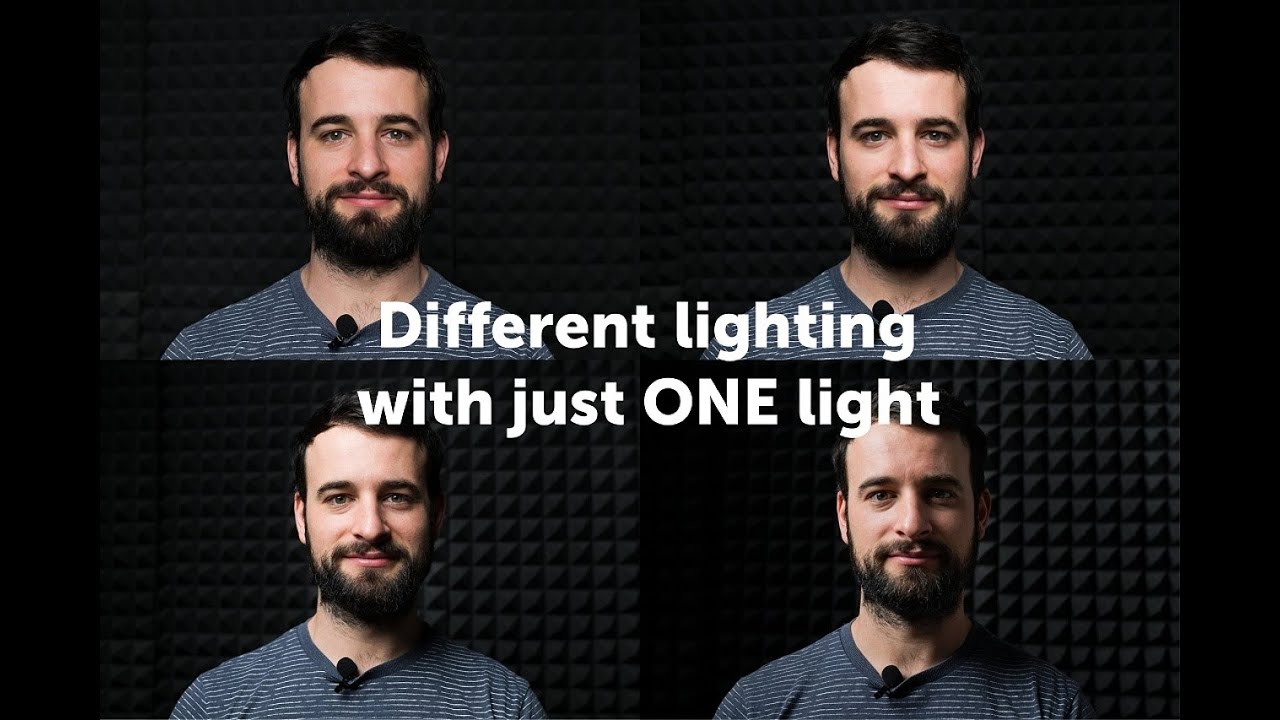
Having understood the fundamental principles, the next step is to translate that knowledge into practical application. This section will explore several common single-light setups, demonstrating how strategic placement and modification can achieve diverse visual goals across different videography scenarios.
Talking Head Interview Setup
A basic single light setup for talking head interviews aims for a flattering and natural look that keeps the focus on the speaker. The key is to create soft, even illumination that minimizes harsh shadows and emphasizes the subject’s features without distraction.This setup typically involves placing the key light at approximately a 45-degree angle to the subject, both horizontally and vertically, placing it slightly above eye level.
This angle helps to create a subtle sense of dimension without introducing distracting shadows. A medium-sized softbox is often the modifier of choice for this setup. The softbox diffuses the light, wrapping it gently around the subject’s face, which is ideal for interviews where a pleasant and approachable appearance is desired. The goal is to achieve a “butterfly lighting” effect, where a subtle shadow appears directly under the nose, or a modified “Rembrandt lighting” if the shadow from the nose connects with the shadow on the cheek.
Product Videography Setup for Texture and Detail
For product videography, the objective shifts to highlighting the material qualities, textures, and intricate details of the product. This often requires a more controlled and directional light source to sculpt the product and reveal its form.A common approach is to use a hard light source, such as a bare bulb or a gridded reflector, positioned at a low angle relative to the product.
This low angle creates longer, more defined shadows that accentuate edges, curves, and surface textures. For instance, to showcase the grain of wood or the weave of fabric, a side-lighting or back-lighting technique with a hard source can be highly effective. The precise placement will depend on the product’s shape and the specific features you wish to emphasize. A gridded reflector is particularly useful as it narrows the beam of light, allowing for precise control and preventing spill onto the background, thereby isolating the product and drawing the viewer’s attention to its details.
Dramatic or Cinematic Look with a Single Light Source
Achieving a dramatic or cinematic look with a single light source often involves embracing contrast and selective illumination. This style is frequently seen in film noir or thriller genres, where mood and atmosphere are paramount.The technique often employed is called “chiaroscuro” lighting, which emphasizes strong contrasts between light and shadow. This can be achieved by placing a single, relatively hard light source at a sharp angle to the subject, often from the side or even slightly behind.
A common placement is a high-key side light, where the light hits one side of the subject’s face strongly, leaving the other side in deep shadow. A gridded spotlight or a snoot can be used to create a very focused beam of light, illuminating only specific areas of the subject or scene, further enhancing the dramatic effect and drawing attention to particular elements while obscuring others.
Single Light Setups for Creating Depth
Creating a sense of depth in a scene with a single light source relies on carefully manipulating the fall-off of light and the shadows it creates. This can be achieved through various lighting patterns that suggest distance and dimension.One method for creating depth involves using a single light source placed behind the subject, often referred to as “backlighting” or “rim lighting.” This technique separates the subject from the background by creating a luminous Artikel around their edges.
The intensity and angle of the backlight can influence the perceived depth; a stronger backlight can push the subject forward visually.Another effective method is to use a single light source positioned to create a strong gradient of light and shadow across the scene. For example, lighting a corridor from one end with a single source will create a gradual decrease in illumination, naturally guiding the viewer’s eye into the scene and suggesting depth.
The choice of modifier is crucial here; a harder light will create more defined shadows and a more pronounced sense of depth, while a softer light will create a gentler fall-off.
Common Single Light Setups and Their Visual Outcomes
The following table illustrates several common single light setups, detailing their primary light placement, the modifiers typically used, and the resulting visual mood or effect. This provides a quick reference for understanding how different lighting choices impact the final image.
| Setup Name | Primary Light Placement | Modifier Used | Typical Mood/Effect |
|---|---|---|---|
| Soft Interview | 45 degrees to subject, slightly above eye level | Medium Softbox | Flattering, natural |
| Dramatic Portrait | Side of subject, high angle | Gridded Reflector | High contrast, moody |
| Product Detail | Low angle, side or back | Hard light source (bare bulb or gridded spotlight) | Emphasizes texture and form |
| Backlight/Rim Light | Behind subject | Any, often a spotlight or fresnel | Separates subject from background, creates depth |
| Split Lighting | Directly to the side of the subject | Hard light source | Creates a stark division of light and shadow on the face |
Advanced Techniques with a Single Light
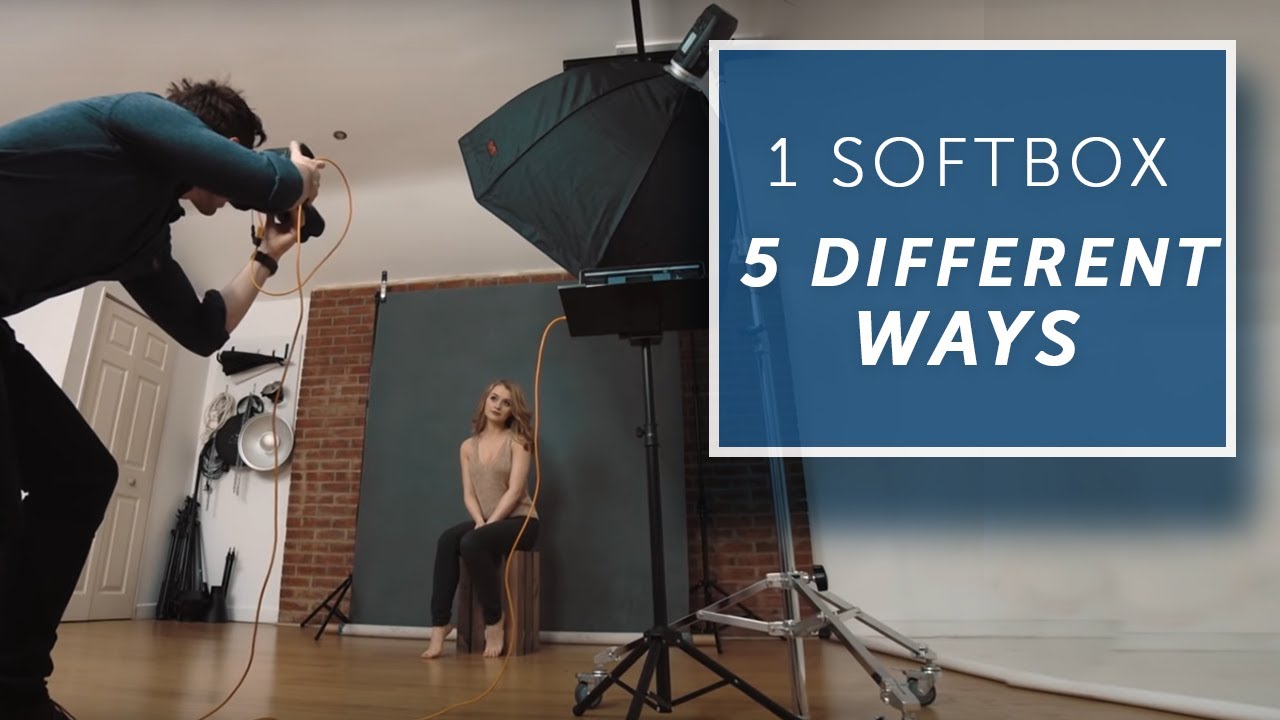
Moving beyond the basic setups, this section delves into sophisticated strategies for leveraging a single light source to achieve professional-looking results. By understanding nuanced control over light and shadow, you can elevate your visuals and create compelling imagery with surprising simplicity. We will explore how to mimic natural light, strategically control ambient illumination, and craft dramatic effects.
Simulating Natural Light Sources
A single light can effectively mimic the quality and direction of natural light, most commonly the soft, directional light from a window. This technique relies on careful placement and diffusion to replicate the characteristics of this ubiquitous light source.To simulate window light with a single source:
- Position the light source at a 45-degree angle to the subject, mimicking the angle of light coming through a window.
- Use a large diffusion panel (like a softbox or a scrim) between the light and the subject to soften the light and create a broad, natural-looking highlight.
- Adjust the distance of the light source to control the fall-off of the light. Closer light creates a more dramatic fall-off, while further light produces a more even illumination.
- Consider the “window” size by adjusting the size of your diffusion. A larger diffusion panel will create a softer, more diffused light, akin to a large window on an overcast day. A smaller diffusion panel, or even a gridded softbox, can simulate a smaller, more direct window.
Negative Fill for Light Control
Negative fill is the strategic use of dark surfaces to absorb light, thereby deepening shadows and increasing contrast. When working with a single light, especially in environments with ambient light, negative fill becomes crucial for sculpting the subject and preventing unwanted reflections.Negative fill is achieved by:
- Placing black flags, black cards, or dark fabric on the opposite side of the subject from the main light.
- This absorbs light that would otherwise bounce back onto the subject, creating darker shadows and a more defined shape.
- It is particularly useful when you want to separate your subject from a bright background or to add a sense of depth and drama.
- In situations where ambient light is a factor, negative fill helps to ensure that your single light source is the dominant illumination, preventing the scene from looking flat.
Creating Silhouette Effects
A silhouette is achieved when the subject is underexposed against a brighter background, rendering its form in shadow. A single light source, when used intentionally, can be a powerful tool for creating striking silhouette effects.To create a silhouette with a single light:
- Position the light source directly behind the subject, aiming it towards the camera. This is often referred to as a “backlight.”
- Ensure the subject is between the light source and the camera.
- Expose for the background, allowing the subject to fall into deep shadow. The camera’s meter will read the brightness of the background and set the exposure accordingly.
- The key is to have a clean, well-lit background that provides enough contrast to define the subject’s Artikel.
- Experiment with the distance of the light from the subject and the background to control the intensity and spread of the light.
Creating a Rim Light Effect
A rim light, also known as an edge light or hair light, is a light placed behind and to the side of the subject, creating a subtle Artikel of light around their edges. This effect helps to separate the subject from the background and adds a professional polish to the image.To create a rim light with a single source:
- Position the light source behind and slightly to the side of the subject, generally above eye level.
- Use a relatively narrow beam of light, often achieved with a gridded softbox or a snoot, to focus the light onto the edges of the subject.
- The intensity of the rim light should be less than the key light (the main light illuminating the front of the subject) to ensure it acts as a separator rather than a dominant light.
- This technique is highly effective for adding dimension and separating subjects, especially in darker or more complex backgrounds.
- Adjusting the angle and intensity will change the thickness and brightness of the rim.
Achieving a High-Key Look with One Light
A high-key look is characterized by an abundance of light, bright tones, minimal shadows, and a generally optimistic or ethereal feel. Surprisingly, this can be achieved with a single light source through careful management of light and exposure.The workflow for a high-key look with one light involves:
- Background Illumination: The primary focus is on lighting the background to be significantly brighter than the subject. Position your single light source to illuminate a white or very light-colored background. Use a wide spread of light to ensure even illumination across the background.
- Subject Placement and Exposure: Place your subject in front of the brightly lit background. Position your single light source to illuminate the subject from the front or slightly to the side, ensuring it is soft and diffused.
- Exposure Settings: The crucial step is to overexpose the image significantly. You will want to expose for the background, which means your subject will appear much brighter than a standard exposure. This requires practice and understanding of your camera’s dynamic range. Aim for the brightest possible exposure without blowing out the highlights on the subject’s skin or clothing.
- Light Quality: Use a large, soft light source for the subject to minimize shadows. A large softbox or a bounced light can achieve this. The goal is to have gentle, almost imperceptible shadows.
- Reflectors (Optional but Recommended): While technically not a light source, a white reflector placed opposite the main light can subtly fill in any remaining shadows on the subject, further contributing to the high-key aesthetic.
This approach prioritizes overall brightness and a lack of deep shadows, creating a clean and airy aesthetic.
Lighting for Different Video Genres with One Light
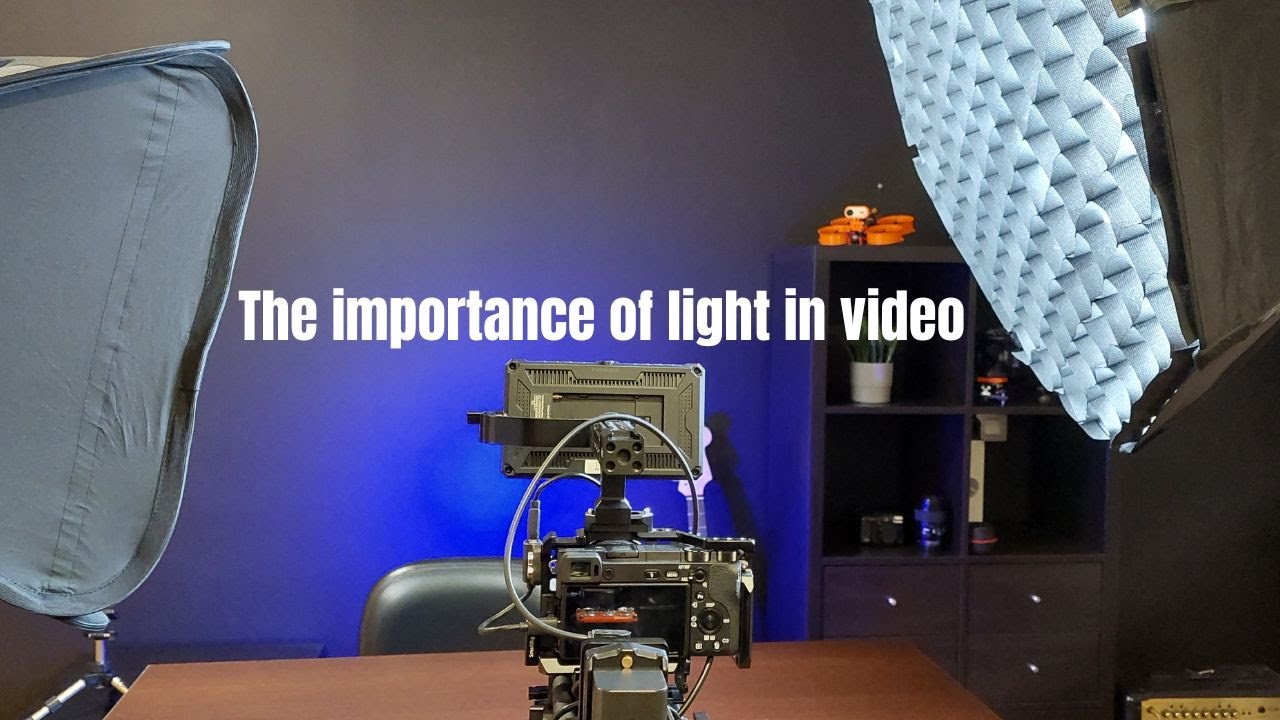
Mastering the art of single-source lighting unlocks remarkable versatility, allowing you to adapt your setup effectively across a wide spectrum of video content. The fundamental principles of light and shadow remain constant, but their application and interpretation vary significantly depending on the intended genre and audience. This section explores how to tailor your single light approach to achieve compelling results in diverse video production scenarios.
Vlogging and Online Content Lighting
For vlogs and general online content, the primary goal is often to create a clean, approachable, and professional look that keeps the viewer engaged. A single light source can effectively achieve this by providing adequate illumination without appearing overly stylized or complex. The key is to ensure the subject is well-lit and the background is not distracting.A common and highly effective approach for vlogging involves positioning the light source slightly off-axis from the camera, often at a 45-degree angle and slightly above eye level.
This creates a pleasing natural fall-off of light, adding dimension to the face and avoiding a flat, overly lit appearance. Softening the light with a diffusion panel or a large softbox is crucial to minimize harsh shadows and create a flattering glow.Consider the environment:
- Home Office/Studio Setup: A softbox or ring light positioned in front of the subject, slightly to the side, provides excellent, even illumination for talking-head videos.
- On-Location Vlogging: Utilizing natural light as a primary source and supplementing with a small, portable LED panel can work well. Position the portable light to fill in shadows cast by the natural light or to add a catchlight to the eyes.
- Background Considerations: Ensure the background is either sufficiently lit to be visible and not a dark void, or intentionally blurred using depth of field if the focus is solely on the subject. A single light can sometimes be used to subtly illuminate the background as well, adding depth and separation.
Narrative Filmmaking and Short Films Lighting
In narrative filmmaking, a single light source becomes a powerful tool for mood creation, character emphasis, and storytelling. The deliberate use of light and shadow can convey emotion, foreshadow events, and guide the audience’s attention. The approach here is often more intentional and artistic.For narrative work, the single light can be used to sculpt the subject, create dramatic contrasts, and define the atmosphere of a scene.
The direction and quality of the light are paramount.Common techniques include:
- Rembrandt Lighting: Achieved by positioning the light to create a small triangle of light on the shadowed side of the face. This is often used to evoke a sense of drama or introspection.
- Key-Fill-Back (KFB) with a Single Source: While typically requiring multiple lights, a single light can be used creatively to imply these roles. The single light acts as the key light, and the absence of other lights creates natural fill from ambient or reflected light. A deliberate placement can also create a subtle backlight effect.
- Motivated Lighting: The single light should appear to originate from a practical source within the scene, such as a window, a lamp, or a fire. This creates a sense of realism and immerses the viewer in the environment.
The goal is to use the single light to enhance the narrative, not just to illuminate the scene.
Live Streaming Lighting Strategies
Live streaming demands immediate and consistent visual appeal. Viewers expect clarity and a professional presentation, even with a single light source. The setup needs to be simple to manage and provide a flattering, well-lit image for the duration of the stream.The emphasis for live streaming is on creating a bright, even, and shadowless look for the face, ensuring the streamer is clearly visible and engaging.Effective strategies include:
- Ring Light Dominance: Ring lights are exceptionally popular for live streaming due to their ability to create a soft, flattering light that wraps around the face and provides a distinctive catchlight in the eyes. Their circular shape minimizes harsh shadows.
- Softbox as a Key Light: A medium to large softbox placed directly in front of the streamer, slightly above eye level, offers a more controlled and diffused light. This can provide a more cinematic look than a ring light while still minimizing shadows.
- Adjusting Intensity: The ability to easily adjust the brightness of the single light source is crucial for live streaming, allowing for quick adaptation to ambient light changes or desired mood.
Consistency and ease of adjustment are key to successful live streaming with a single light.
Product Demonstration Lighting Considerations
Lighting for product demonstrations requires clarity, detail, and an emphasis on the product’s features and textures. A single light source must be used strategically to highlight the product’s best attributes and minimize distracting shadows or reflections.The objective is to showcase the product in its best light, ensuring all details are visible and appealing to potential customers.Key considerations include:
- Highlighting Texture and Detail: The angle of the light is critical. Side lighting or even backlighting can reveal the texture and form of a product.
- Controlling Reflections: For shiny or reflective products, the quality and angle of the light are paramount. Using a large, soft source and carefully controlling its position can minimize unwanted glare. Diffusion is essential here.
- Background Separation: A single light can be used to separate the product from the background, either by illuminating the product more intensely or by creating a subtle light on the background itself.
- Color Accuracy: Ensure the light source has a high Color Rendering Index (CRI) to accurately represent the product’s colors.
The light should serve to enhance the product’s appeal, making it look desirable and functional.
Documentary vs. Commercial Video Single Light Techniques
The application of single-source lighting in documentary and commercial video production, while both aiming for visual impact, often diverges in its intent and execution. Documentaries frequently prioritize authenticity and naturalism, whereas commercials often aim for heightened realism, aspirational aesthetics, or a specific emotional response.Here’s a comparison of their approaches:
| Aspect | Documentary Video | Commercial Video |
|---|---|---|
| Primary Goal | Authenticity, naturalism, vérité style. Capturing real moments as they unfold. | Aspirational appeal, product highlighting, emotional connection, persuasive messaging. |
| Light Placement | Often motivated by existing light sources within the environment. Minimal intervention, aiming for a subtle enhancement rather than a complete transformation. Light might be used to fill shadows from natural light or to provide a gentle key light. | Highly controlled and intentional. Light is sculpted to emphasize product features, create mood, and direct the viewer’s eye. Often uses more dramatic or stylized lighting. |
| Light Quality | Favors softer, more diffused light to maintain a natural look. Harsh shadows are generally avoided unless they serve a specific narrative purpose. | Can utilize both hard and soft light depending on the desired effect. Hard light can create dramatic highlights and shadows, while soft light can create a luxurious or gentle feel. |
| Shadow Control | Shadows are often accepted as part of the natural environment, contributing to realism. If shadows are problematic, subtle fill might be used. | Shadows are deliberately controlled. They can be used for dramatic effect, to sculpt the product, or carefully managed to avoid distracting from the main message. |
| Example Scenario | Filming an interview in a subject’s home, using a single portable LED to gently light their face while respecting the existing room light. | Showcasing a new luxury watch, using a single hard light source at a low angle to create specular highlights on the metal and a dramatic shadow that emphasizes its form. |
Last Recap
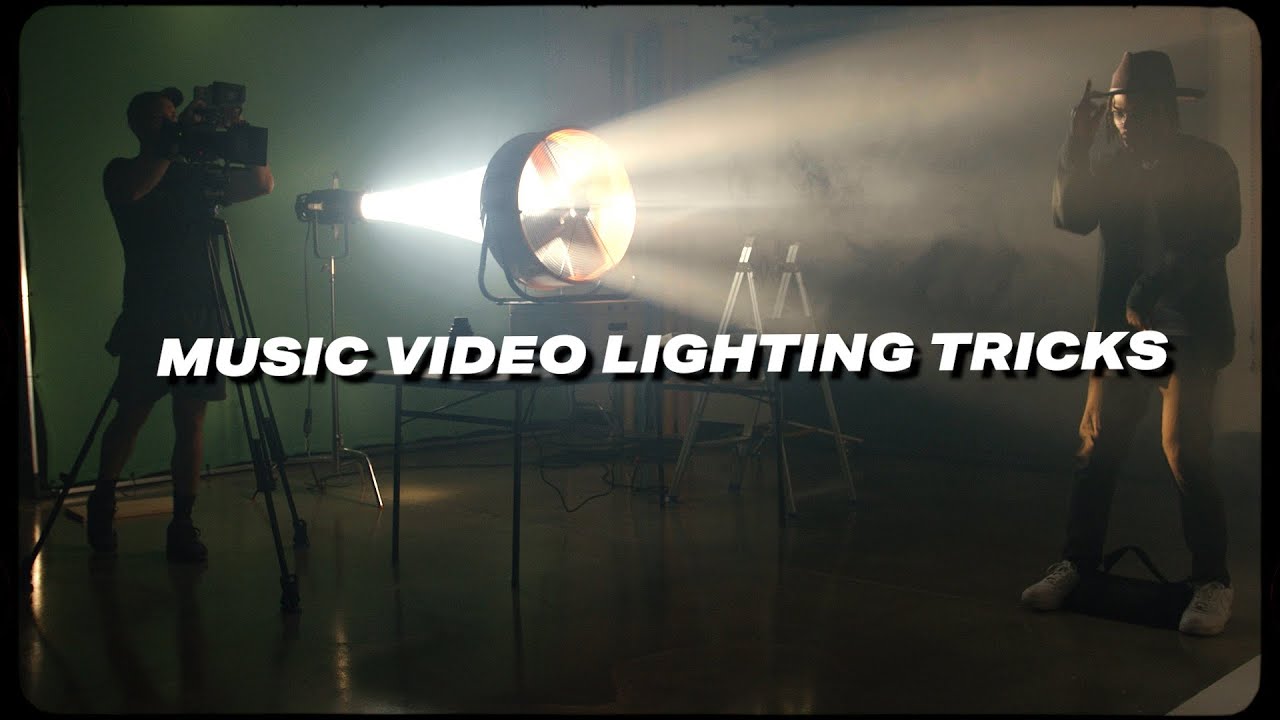
In essence, this exploration has revealed that a single light source, when understood and applied with skill, is a powerful tool capable of transforming your video productions. By mastering the fundamentals, selecting the right equipment, and strategically placing and shaping your light, you can consistently achieve compelling visuals, from dramatic and moody to bright and natural. Embrace these techniques to unlock a new level of creative control and deliver professional-quality footage, proving that less can indeed be more in the world of videography.