How to Get Brand Sponsorships for Your Channel is a journey that transforms creative passion into professional partnerships. This guide will illuminate the strategic pathways to connect with brands, ensuring your content not only captivates your audience but also becomes a valuable asset for businesses seeking authentic connections.
We will delve into the foundational principles of brand sponsorships, from understanding the motivations behind these collaborations to building a compelling creator profile that brands can’t ignore. You’ll learn how to effectively identify and research potential sponsors, craft persuasive outreach strategies, and navigate the intricacies of negotiation and deal-making. Furthermore, this comprehensive resource will equip you with the knowledge to deliver exceptional value, leverage analytics for sustained growth, and understand the legal and financial aspects, ensuring a smooth and successful sponsorship experience.
Understanding the Fundamentals of Brand Sponsorships
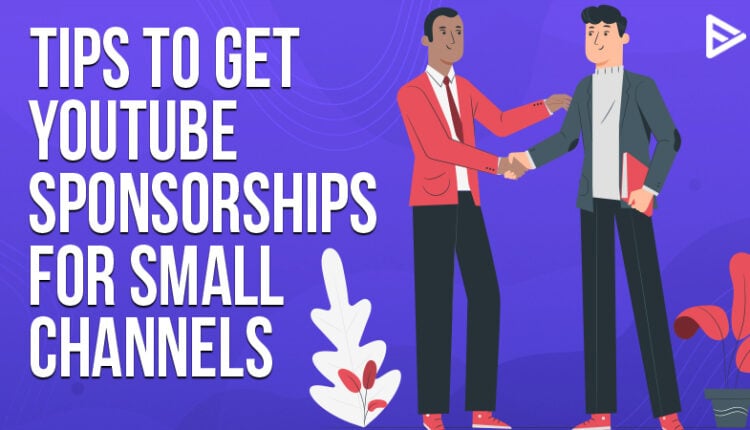
Brand sponsorships represent a powerful avenue for content creators to monetize their platforms and for businesses to reach targeted audiences. At its core, a brand sponsorship is a mutually beneficial partnership where a brand provides financial or product-based compensation to a content creator in exchange for promotion, exposure, or integration within the creator’s content. This collaboration allows creators to sustain their work and enhance their offerings, while brands gain access to engaged communities and leverage the trust and authenticity that creators have built with their followers.The landscape of brand sponsorships is diverse, offering various models to suit different creator scales, audience demographics, and brand objectives.
Understanding these models is crucial for creators to identify opportunities that align with their content and audience, and for brands to select the most effective promotional strategies.
Types of Brand Sponsorships
Content creators can engage with brands through a spectrum of sponsorship arrangements, each offering distinct benefits and engagement levels. These can range from simple product placements to comprehensive campaign integrations.
- Product Placement: This is a straightforward method where a brand’s product is visibly featured within the creator’s content, often organically integrated into a video, post, or article. For example, a beauty influencer might use a specific brand of makeup in a tutorial, or a tech reviewer might showcase a new gadget in their unboxing video.
- Dedicated Reviews/Features: In this model, a creator dedicates a portion or the entirety of their content to reviewing or highlighting a brand’s product or service. This allows for a more in-depth exploration of the offering, showcasing its features, benefits, and the creator’s personal experience. A common example is a travel vlogger dedicating an episode to reviewing a specific hotel chain or airline.
- Affiliate Marketing: While not a direct sponsorship in the traditional sense, affiliate marketing is a performance-based partnership. Creators promote a brand’s products or services using unique tracking links or codes. They earn a commission for every sale or lead generated through these links. This is prevalent across many niches, from fashion bloggers linking to clothing items to finance influencers recommending investment platforms.
- Sponsored Content Series/Campaigns: This involves a more significant commitment, where a brand partners with a creator for an extended period or for a specific campaign. This could include a series of videos, social media posts, or blog articles that collectively promote a brand’s message or product launch. For instance, a fitness channel might partner with a sports apparel brand for a month-long campaign focusing on active living.
- Brand Ambassadorship: This is a long-term, ongoing relationship where a creator acts as a representative for a brand. Ambassadors often integrate the brand into their lifestyle and regularly promote its products or values across their platforms. This fosters a deeper connection between the brand and the creator’s audience. A well-known example is a gaming personality becoming an ambassador for a gaming peripheral company.
Brand Motivations for Sponsorship
Brands invest in content creator sponsorships for a multitude of strategic reasons, all aimed at achieving specific marketing and business objectives. Understanding these motivations helps creators tailor their pitches and demonstrate their value proposition effectively.Brands primarily seek to leverage the established trust and authenticity that content creators have cultivated with their audiences. This allows them to bypass traditional advertising noise and connect with consumers on a more personal level.
Key motivations include:
- Audience Reach and Targeting: Creators often command niche audiences that align perfectly with a brand’s target demographic. Sponsoring a creator provides direct access to these engaged communities, ensuring that marketing efforts are directed towards potential customers.
- Brand Awareness and Visibility: Through consistent exposure within a creator’s content, brands can significantly increase their visibility and recognition among a relevant audience. This can be particularly effective for new product launches or for brands looking to enter new markets.
- Authenticity and Trust: Consumers are increasingly skeptical of traditional advertising. When a trusted creator endorses a product, it carries a weight of authenticity that can drive purchasing decisions. The creator’s genuine recommendation acts as a powerful form of social proof.
- Content Creation and Storytelling: Creators are skilled storytellers and content producers. Brands can tap into this expertise to develop engaging and creative campaigns that resonate with audiences in ways that traditional advertisements might not.
- Driving Conversions and Sales: Ultimately, brands aim to see a return on their investment. Effective sponsorships can lead to direct sales, website traffic, app downloads, or other desired conversion actions, often measured through unique discount codes or affiliate links.
Ethical Considerations and Disclosure Requirements
The integrity of sponsored content relies heavily on transparency and ethical practices. Both creators and brands have a responsibility to ensure that partnerships are disclosed clearly and honestly to the audience. This builds and maintains trust, which is paramount in the creator-audience relationship.
“Transparency is not just a legal requirement; it is a fundamental ethical principle that underpins the credibility of sponsored content and the trust between creators, brands, and their audiences.”
In most jurisdictions, regulatory bodies like the Federal Trade Commission (FTC) in the United States and the Advertising Standards Authority (ASA) in the UK mandate clear disclosure of sponsored content. These guidelines are designed to protect consumers from deceptive marketing practices.
- Clear and Conspicuous Disclosure: Sponsorships must be disclosed in a manner that is easily understandable to the average consumer. This means avoiding buried disclosures or jargon that might confuse the audience. Phrases like “Sponsored,” “Ad,” “Paid Partnership,” or “This post is sponsored by [Brand Name]” are commonly used.
- Timeliness of Disclosure: The disclosure should be made at the beginning of the content or in a prominent location where it is unlikely to be missed. For video content, this might be an on-screen graphic or a verbal announcement at the start. For written content, it should be at the top of the article or post.
- Honest and Accurate Representation: Creators are expected to provide their genuine opinions and experiences with the sponsored product or service. Misleading claims or exaggerated benefits are unethical and can lead to legal repercussions.
- Avoiding Conflicts of Interest: Creators should be mindful of potential conflicts of interest. If a creator has a strong personal or financial stake in a brand that is not fully disclosed, it can erode audience trust.
- Platform Policies: In addition to legal requirements, most social media platforms and content hosting sites have their own policies regarding sponsored content. Creators must adhere to these platform-specific rules, which often include using built-in disclosure tools.
Identifying and Researching Potential Sponsors
Once you have a clear understanding of the value you offer and the types of brands that could benefit from your platform, the next crucial step is to identify and thoroughly research potential sponsors. This process is not about casting a wide net; it’s about strategic targeting to ensure your collaborations are mutually beneficial and authentic. A well-researched approach significantly increases your chances of securing meaningful partnerships.Selecting brands that align with your niche and audience is paramount for a successful sponsorship.
This alignment ensures that the brand’s message resonates with your viewers, leading to higher engagement and conversion rates for the sponsor. It also maintains the integrity of your content and builds trust with your audience, as they will perceive the sponsorship as a genuine recommendation rather than a forced advertisement.
Criteria for Selecting Aligned Brands
The selection of potential sponsors should be guided by several key criteria that ensure a strong fit with your channel’s identity and audience demographics. These criteria help to filter opportunities and focus your efforts on brands that are most likely to see a positive return on their investment.
- Audience Demographics: Analyze your audience’s age, gender, location, interests, and purchasing habits. The sponsor’s target demographic should closely mirror your own audience. For instance, a gaming channel might seek sponsors for energy drinks or gaming peripherals, while a cooking channel might target food brands or kitchen appliance manufacturers.
- Content Relevance: The brand or product should naturally integrate into your content without feeling forced or out of place. Consider how the brand’s offerings can be showcased organically within your videos, tutorials, or discussions. A lifestyle vlogger might feature sustainable fashion brands, for example.
- Brand Values and Ethos: Ensure the brand’s values align with your own and those of your audience. If your channel promotes ethical consumerism, partnering with a brand known for its sustainability practices would be a natural fit. Conversely, a brand with a questionable reputation could damage your credibility.
- Product/Service Quality: It is essential to believe in the quality of the product or service you are promoting. Authenticity is key, and promoting subpar items can alienate your audience and harm your long-term reputation.
- Engagement Potential: Consider how well the brand’s message or product can be presented in an engaging manner to your audience. Some products lend themselves better to visual demonstrations or creative storytelling than others.
Methods for Discovering Brands Seeking Collaborations
Actively seeking out brands that are already interested in working with creators can streamline your sponsorship acquisition process. These brands are often more receptive to outreach and have established programs for influencer marketing.
- Influencer Marketing Platforms: Several online platforms connect creators with brands looking for collaborations. These platforms often have a database of brands and campaigns, allowing you to filter opportunities based on your niche and audience. Examples include AspireIQ, CreatorIQ, and Upfluence.
- Brand Social Media Monitoring: Many brands actively post about their creator collaborations on their social media channels, particularly on platforms like Instagram and Twitter. Following brands in your niche and observing their activity can reveal who they are already working with.
- Competitor Analysis: Observe which brands are sponsoring similar creators in your niche. This can provide valuable insights into which companies are investing in influencer marketing and are likely to be open to new partnerships.
- Industry Events and Trade Shows: Attending industry-specific events, both online and in-person, can offer direct networking opportunities with brands and marketing professionals.
- “SponCon” Searches: Searching hashtags like #sponsoredcontent, #ad, #brandambassador, or #influencercollab on social media can help you discover brands that are actively engaging in these partnerships.
Researching Brand Marketing Objectives and Current Campaigns
Before reaching out to a potential sponsor, it is vital to understand their business goals and current marketing efforts. This knowledge allows you to tailor your pitch effectively and demonstrate how you can help them achieve their specific objectives.
- Analyze Brand Websites: Thoroughly explore the brand’s official website. Pay attention to their “About Us” section, mission statement, product pages, and any news or press releases. This provides insight into their core values and business focus.
- Review Social Media Presence: Examine the brand’s social media profiles (Instagram, Facebook, Twitter, LinkedIn, TikTok, etc.). Observe their content style, engagement levels, the types of messages they are sharing, and how they interact with their audience. This reveals their current marketing tone and strategy.
- Identify Current Campaigns: Look for any ongoing marketing campaigns, product launches, or special promotions. Brands often highlight these on their websites and social media. Understanding these initiatives allows you to propose how your content can support them.
- Examine Past Sponsorships: If the brand has sponsored other creators, analyze those collaborations. What was the nature of the content? What was the perceived success? This can help you understand their expectations and what type of creator they prefer.
- Read Industry News and Reports: Stay informed about the brand’s industry through relevant news outlets and market research reports. This can provide context for their business challenges and opportunities, informing your pitch.
Approaches to Finding Smaller, Emerging Brands Versus Established Corporations
The strategy for identifying and approaching sponsors can differ significantly depending on whether you are targeting smaller, emerging brands or large, established corporations. Each has its unique advantages and challenges.
Smaller, Emerging Brands
These brands often have more flexibility and a greater need for creative marketing solutions. They may be more willing to experiment with new creators and offer unique partnership opportunities.
- Niche Directories and Marketplaces: Explore online directories and marketplaces specifically designed for emerging brands or small businesses within your niche.
- Local Business Associations: If your content has a local focus, connect with local chambers of commerce or small business development centers.
- Industry-Specific Blogs and Publications: Follow blogs and publications that feature new and innovative companies in your field.
- Networking at Local Events: Attend local markets, craft fairs, or small business expos to discover and connect with emerging brands directly.
- Direct Outreach: Smaller brands may be more accessible for direct, personalized outreach. A well-crafted email or direct message explaining your value proposition can be highly effective.
Established Corporations
These companies often have larger budgets and more structured sponsorship programs. However, they may also have more stringent requirements and longer approval processes.
- Corporate Websites and Investor Relations: Look for dedicated “Partnerships,” “Sponsorships,” or “Marketing” sections on their corporate websites. Investor relations pages can also provide insights into their strategic priorities.
- Marketing and PR Departments: Identify the relevant marketing or public relations departments within the corporation. LinkedIn can be a useful tool for finding key contacts.
- Influencer Marketing Agencies: Many large corporations work with external influencer marketing agencies to manage their creator collaborations. Research these agencies and see if they represent brands in your niche.
- Industry Conferences and Trade Shows: Large corporations often have a significant presence at major industry events, providing opportunities for formal networking and introductions.
- Formal Sponsorship Programs: Some large companies have established, publicly advertised sponsorship programs that you can apply to directly.
The most effective approach is often a hybrid one, leveraging both inbound opportunities and proactive, targeted outreach.
Crafting Effective Outreach Strategies
Having identified potential sponsors and understood their needs, the next crucial step is to effectively communicate your value proposition. This involves crafting compelling outreach messages and tailoring your proposals to resonate with each specific brand. A well-executed outreach strategy can significantly increase your chances of securing valuable partnerships.
Negotiating Sponsorship Deals
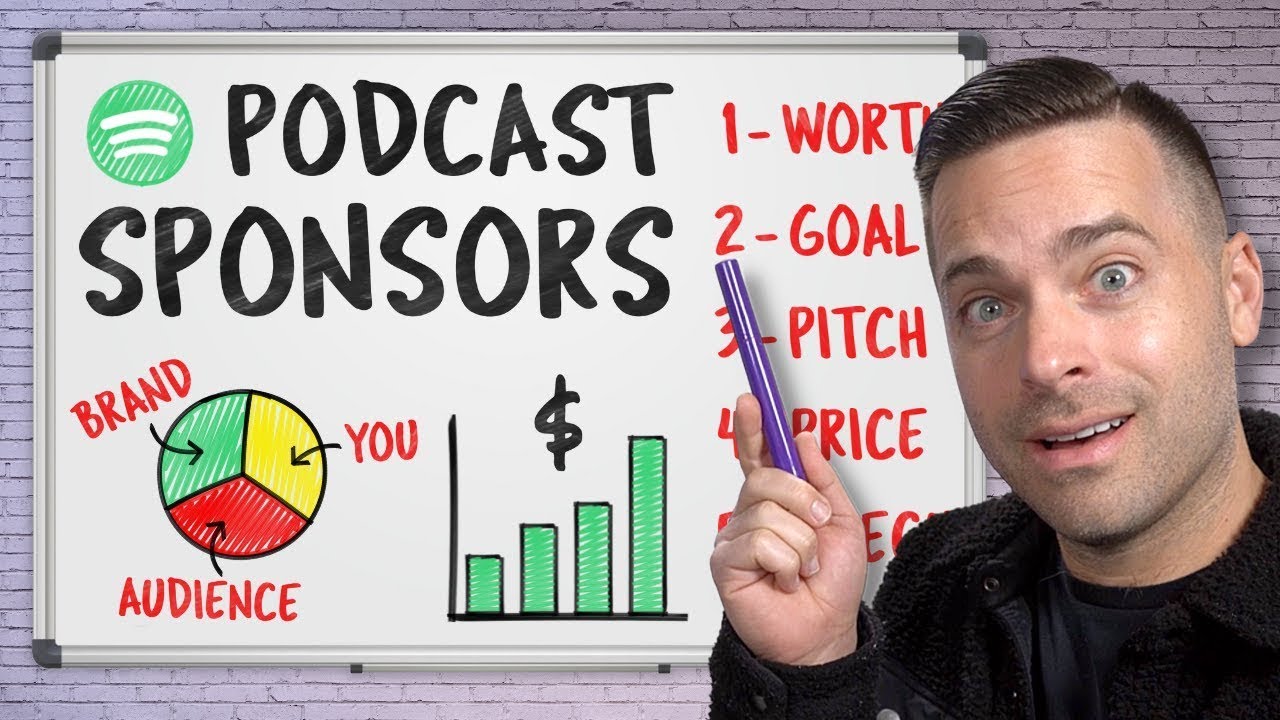
Once you’ve identified potential sponsors and crafted compelling outreach, the next crucial step is to negotiate the terms of your sponsorship agreement. This is where you translate your channel’s value into a mutually beneficial partnership. A well-negotiated deal ensures you’re fairly compensated for your efforts and that the brand receives the desired exposure and results. This section will guide you through the essential components of a sponsorship agreement and provide strategies for successful negotiation.
Delivering Value and Building Long-Term Relationships
Successfully executing sponsored content campaigns is paramount to demonstrating your value to brands and fostering enduring partnerships. This involves meticulous planning, transparent execution, and a commitment to exceeding expectations. By focusing on delivering tangible results and maintaining open lines of communication, you can transform a one-time collaboration into a sustainable and mutually beneficial relationship.The core of delivering value lies in understanding the brand’s objectives and aligning your content creation to meet those goals.
This requires a proactive approach, ensuring that every sponsored piece of content is not only engaging for your audience but also strategically positioned to achieve the sponsor’s marketing aims.
Campaign Execution Steps
A well-structured approach to campaign execution ensures that all aspects of the sponsored content are managed efficiently and effectively, leading to optimal outcomes for both the creator and the brand.
- Content Planning and Briefing: Thoroughly review the brand’s brief, clarifying any ambiguities regarding key messaging, target audience, desired calls to action, and specific deliverables.
- Content Creation and Approval: Develop creative concepts that align with your channel’s authentic voice while incorporating the brand’s requirements. Submit drafts for brand review and feedback well in advance of publication dates.
- Publication and Promotion: Publish the sponsored content according to the agreed-upon schedule. Implement a promotional strategy across your social media platforms and other relevant channels to maximize reach and engagement.
- Performance Monitoring: Continuously track key metrics throughout the campaign, such as views, engagement rates, click-through rates, and conversion data (if applicable).
- Post-Campaign Analysis: Compile a comprehensive report detailing the campaign’s performance against the agreed-upon KPIs.
Performance Reporting to Brands
Providing detailed and insightful performance reports is crucial for demonstrating the ROI of your sponsored content and building trust with your brand partners. These reports should go beyond simply listing metrics and offer actionable insights.
Key Components of a Performance Report:
- Executive Summary: A concise overview of the campaign’s success, highlighting key achievements and overall performance against objectives.
- Key Performance Indicators (KPIs): Present a clear breakdown of the agreed-upon metrics, including:
- Reach: Total unique viewers, impressions.
- Engagement: Likes, comments, shares, watch time, audience retention.
- Traffic/Conversions: Click-through rates to the brand’s website, leads generated, sales attributed to the campaign (if trackable).
- Audience Demographics: Insights into the audience that engaged with the sponsored content, confirming alignment with the brand’s target market.
- Content Analysis: Discuss the performance of specific content pieces, identifying what resonated most with the audience and why. Include qualitative feedback from comments if relevant.
- Audience Sentiment: Analyze comments and discussions to gauge audience reaction and perception of the sponsored product or service.
- Key Learnings and Recommendations: Offer insights derived from the campaign’s performance, suggesting future strategies or content ideas that could further benefit the brand.
A well-presented report, often in a visually appealing PDF format or a shared dashboard, allows brands to clearly see the value delivered.
Maintaining Positive Sponsor Communication
Consistent, transparent, and proactive communication is the bedrock of strong relationships with brand sponsors. It ensures that both parties are aligned and that any potential issues are addressed promptly.
Best Practices for Sponsor Communication:
- Proactive Updates: Share progress updates regularly, even before being asked. This includes informing them about content creation milestones, any potential delays, or early performance indicators.
- Clear and Concise Messaging: When communicating, be direct and to the point. Avoid jargon and ensure that all information is easy to understand.
- Responsive Engagement: Respond to sponsor inquiries and feedback promptly. Aim for a response time within 24 hours, especially for urgent matters.
- Honest Feedback: Be transparent about what is working and what could be improved. If a particular content approach isn’t yielding the desired results, discuss it openly and propose alternatives.
- Professional Tone: Maintain a professional and respectful demeanor in all interactions, regardless of the situation.
- Pre-emptive Problem Solving: If you foresee any challenges or potential issues that might impact the campaign, inform the sponsor immediately and suggest solutions.
“Clear communication is the bridge between expectation and reality.”
Nurturing Ongoing Partnerships
Building long-term relationships with sponsors goes beyond delivering a single successful campaign. It involves cultivating a partnership based on mutual respect, consistent value delivery, and a shared vision for future collaborations.
Methods for Nurturing Long-Term Partnerships:
- Exceeding Expectations: Consistently aim to deliver more value than initially promised. This could involve extra promotional efforts, providing deeper insights, or suggesting innovative content ideas.
- Seeking Feedback and Adapting: Actively solicit feedback after each campaign and use it to refine your approach for future collaborations. Show that you are committed to continuous improvement.
- Proposing Future Collaborations: Don’t wait for brands to reach out. Proactively suggest new campaign ideas that align with their evolving marketing objectives or new product launches.
- Sharing Industry Insights: Position yourself as a knowledgeable partner by sharing relevant industry trends, audience insights, or competitor analysis that could benefit the brand.
- Celebrating Successes Together: When a campaign performs exceptionally well, highlight this success and emphasize the collaborative effort that led to it.
- Demonstrating Loyalty: If you have multiple opportunities to work with a brand, prioritize them and show your commitment to their success.
- Personalized Engagement: Remember details about the brand, their team, and their past campaigns. This personal touch can significantly strengthen the relationship.
By implementing these strategies, you can foster strong, lasting relationships with brands, leading to a more stable and prosperous career as a content creator.
Leveraging Analytics for Sponsorship Growth
Understanding your channel’s performance through analytics is crucial for securing and growing brand sponsorships. These data points provide concrete evidence of your audience’s value and the potential return on investment for a sponsor. By interpreting these metrics effectively, you can transform raw numbers into compelling arguments for why a brand should partner with you. This section will guide you through understanding your analytics, identifying key metrics, and utilizing past campaign data to enhance your future sponsorship endeavors.
Interpreting Audience Analytics to Demonstrate Value
Your channel’s analytics dashboard is a treasure trove of information that directly translates to sponsor value. It reveals who your audience is, how they engage with your content, and their overall impact. By delving into these metrics, you can build a clear picture of the audience demographics and psychographics that align with a potential sponsor’s target market. This understanding allows you to articulate precisely how your channel can deliver their desired customer base.Your analytics platform provides a wealth of demographic and behavioral data.
Understanding these elements allows you to paint a detailed picture of your audience for potential sponsors.
- Audience Demographics: This includes age ranges, gender distribution, geographic locations (countries, regions, cities), and even language spoken. Knowing that your audience is primarily composed of 25-34 year old males in the United States, for instance, is highly valuable to a brand targeting that specific demographic.
- Audience Interests: Platforms often provide insights into the broader interests of your viewers, based on the content they consume across the platform. This can reveal lifestyle preferences, hobbies, and purchasing habits that are relevant to advertisers.
- Viewing Habits: Understanding when your audience is most active, how long they watch your videos, and the devices they use to access your content helps sponsors optimize their campaign timing and format.
Key Performance Indicators (KPIs) Brands Seek
Brands invest in sponsorships with specific goals in mind, and they look for creators whose analytics demonstrate a strong ability to meet those objectives. Identifying and highlighting these Key Performance Indicators (KPIs) in your proposals is essential. These metrics provide quantifiable proof of your channel’s effectiveness and the potential for a successful campaign.Brands prioritize metrics that indicate reach, engagement, and potential for conversion.
These are the core indicators of a sponsorship’s success from their perspective.
- Reach Metrics:
- Views: The total number of times your videos have been watched.
- Unique Viewers: The number of distinct individuals who have watched your content.
- Impressions: The number of times your content has been displayed to users.
- Engagement Metrics:
- Watch Time: The total duration viewers have spent watching your videos. This is a strong indicator of content quality and audience retention.
- Average View Duration: The average amount of time a viewer spends watching a specific video. A higher average view duration suggests that your content is captivating.
- Likes, Comments, Shares, and Subscribers: These interactions demonstrate an active and invested audience. Shares, in particular, indicate content that viewers find valuable enough to promote to their own networks.
- Click-Through Rate (CTR) on Links: If your sponsored content includes calls to action with links, a high CTR signifies that your audience is responsive to your recommendations and willing to take the desired action.
- Audience Loyalty and Retention:
- Audience Retention Rate: The percentage of viewers who continue watching your video over its duration. High retention suggests your content is engaging throughout.
- Returning Viewers: The percentage of your audience that regularly watches your content. This indicates a loyal and consistent viewership that brands value.
Using Past Campaign Data to Refine Future Sponsorship Proposals
Every sponsorship campaign, whether successful or not, provides invaluable learning opportunities. Analyzing the data from previous collaborations allows you to identify what worked, what didn’t, and why. This iterative process of learning and refinement is key to crafting increasingly effective proposals and securing better deals in the future. By understanding the outcomes of past efforts, you can tailor your approach to better meet the needs of new potential sponsors.The insights gained from analyzing past campaigns are critical for optimizing your future outreach and deal-making.
- Performance Analysis: Review the KPIs that were set for previous campaigns and compare them against the actual results. Did you meet or exceed the agreed-upon metrics?
- Audience Feedback: Pay close attention to comments and direct messages received during and after sponsored content. This qualitative data can reveal audience sentiment and perception of the sponsored product or service.
- Identifying Strengths and Weaknesses: Determine which types of sponsored content resonated most with your audience. Were there specific calls to action that performed better? Were certain product placements more effective?
- ROI Calculation: If possible, try to work with sponsors to understand the return on investment they achieved from your collaboration. This data can be a powerful tool for demonstrating your value in future proposals.
- Proposal Optimization: Use the lessons learned to adjust your media kit and proposal templates. Highlight the metrics that proved most impactful and refine your pitch to address potential sponsor concerns based on past experiences.
Organizing a Process for Tracking and Reporting on Sponsored Content Success
A structured approach to tracking and reporting on the success of sponsored content is vital for building trust with brands and encouraging repeat business. Transparency and clear communication about campaign performance are paramount. By establishing a robust reporting system, you demonstrate professionalism and a commitment to delivering tangible results for your sponsors.Implementing a systematic process ensures that all stakeholders have a clear understanding of the campaign’s impact.
- Define Campaign Objectives and KPIs: Before the campaign begins, clearly define the specific goals and Key Performance Indicators (KPIs) with the sponsor. This forms the basis of your reporting.
- Set Up Tracking Mechanisms: Ensure that appropriate tracking is in place. This might include unique discount codes, UTM parameters for links, or specific call-to-action phrases.
- Regularly Monitor Performance: Throughout the campaign, keep a close eye on the agreed-upon KPIs. Use your analytics dashboard to gather data consistently.
- Compile Comprehensive Reports: At the conclusion of the campaign, create a detailed report that includes:
- An executive summary of the campaign’s overall performance.
- A breakdown of each KPI, showing the target versus actual results.
- Visualizations (charts and graphs) to illustrate key trends and data points.
- Qualitative feedback and audience sentiment analysis.
- Any key learnings or recommendations for future collaborations.
- Deliver Reports Promptly: Provide the report to the sponsor in a timely manner, adhering to any agreed-upon deadlines.
- Follow-Up and Discuss: Schedule a follow-up meeting or call to discuss the report, answer any questions, and gather feedback from the sponsor. This open dialogue is essential for strengthening the relationship.
Navigating Different Sponsorship Platforms and Opportunities
Securing brand sponsorships is a multifaceted endeavor, and understanding the diverse landscape of platforms and opportunities is crucial for maximizing your channel’s earning potential. Each platform offers unique advantages and approaches to brand collaborations, requiring a tailored strategy to effectively connect with potential sponsors.This section will explore the distinct sponsorship ecosystems across major social media channels, delve into the utility of influencer marketing platforms, compare direct outreach versus agency representation, and examine affiliate marketing as a complementary revenue stream.
Platform-Specific Sponsorship Opportunities
Different social media platforms cater to distinct content formats and audience demographics, each presenting unique avenues for brand partnerships. Recognizing these nuances allows creators to align their content and outreach efforts with the most suitable brands and sponsorship models.
- YouTube: Primarily driven by longer-form video content, YouTube sponsorships often involve dedicated video integrations, product placements, or sponsored series. Brands value YouTube’s in-depth content engagement and the ability to showcase products or services in a detailed and narrative manner. The platform also supports pre-roll, mid-roll, and end-roll ad placements, which can be part of a broader sponsorship package.
- Instagram: With its emphasis on visual content, Instagram sponsorships typically revolve around high-quality images, Stories, Reels, and IGTV videos. Brands seek visually appealing content that can effectively showcase their products or services. Common formats include sponsored posts, Story takeovers, product giveaways, and lifestyle-oriented integrations.
- TikTok: This short-form video platform thrives on trends, challenges, and creative, engaging content. TikTok sponsorships often involve branded hashtag challenges, sponsored sounds, short video ads, and collaborations with popular TikTok creators. Brands are drawn to TikTok’s rapid virality and its ability to connect with younger demographics in an authentic and entertaining way.
Utilizing Influencer Marketing Platforms
Influencer marketing platforms serve as intermediaries, connecting brands with creators and streamlining the sponsorship process. These platforms offer tools for discovery, campaign management, and payment, making it easier for both parties to find and execute deals.To effectively use these platforms:
- Build a Strong Profile: Ensure your profile is complete, showcasing your niche, audience demographics, engagement rates, and past successful collaborations.
- Set Clear Expectations: Define your content pillars, preferred collaboration types, and pricing structure to attract relevant brands.
- Actively Search and Apply: Regularly browse available campaigns that align with your channel and audience. Don’t hesitate to apply for opportunities that fit your brand.
- Engage with Brands: Respond promptly to inquiries and maintain professional communication throughout the campaign lifecycle.
Examples of popular influencer marketing platforms include AspireIQ, CreatorIQ, and Upfluence, each offering different features and access to a wide range of brands.
Direct Brand Outreach vs. Agency Representation
The decision to approach brands directly or work through a sponsorship agency involves weighing different benefits and drawbacks concerning control, reach, and efficiency.
- Direct Outreach:
- Pros: Greater control over negotiations, direct relationship building with brands, potentially higher profit margins as there are no agency fees.
- Cons: Can be time-consuming to identify, research, and pitch brands; requires strong negotiation skills and a robust understanding of brand marketing.
- Agency Representation:
- Pros: Access to a wider network of brands and larger campaigns, professional negotiation and contract management, dedicated support in finding opportunities.
- Cons: Agency fees can reduce overall earnings, less direct control over brand selection and campaign details, potential for less personal brand relationships.
Many creators start with direct outreach and then consider agencies as their channel grows and their bandwidth becomes limited.
Affiliate Marketing as a Supplementary Sponsorship Method
Affiliate marketing offers a performance-based revenue model where creators earn a commission for driving sales or leads through unique tracking links. While not a direct sponsorship in the traditional sense, it can significantly supplement income and enhance brand partnerships.The advantages of affiliate marketing include:
- Passive Income Potential: Once set up, affiliate links can generate income continuously with minimal ongoing effort.
- Performance-Based Earnings: You are rewarded directly for the value you bring to the brand in terms of conversions.
- Authenticity: Promoting products you genuinely use and believe in can build trust with your audience.
Brands often view affiliate marketing as a low-risk, high-reward partnership, as they only pay for tangible results. Popular affiliate networks include Amazon Associates, ShareASale, and CJ Affiliate. Integrating affiliate links subtly within your content, such as in video descriptions or dedicated review segments, is key to maximizing their effectiveness without alienating your audience.
Creating High-Quality Sponsored Content
Developing sponsored content that genuinely engages your audience while effectively promoting a brand is a cornerstone of successful channel monetization. This section will guide you through the process of ideation, seamless integration, compelling visual storytelling, and maintaining authenticity. The goal is to create content that feels like a natural extension of your channel, benefiting both your viewers and your sponsors.The creation of high-quality sponsored content requires a strategic approach that balances the brand’s objectives with your audience’s expectations.
It’s about finding that sweet spot where promotion feels organic and adds value, rather than detracting from the viewing experience.
Brainstorming Creative Sponsored Content Ideas
A structured approach to brainstorming ensures that sponsored content ideas are not only creative but also aligned with both your channel’s niche and the sponsor’s marketing goals. This framework encourages a collaborative and iterative process to generate concepts that resonate deeply with your audience.To foster innovative sponsored content ideas, consider the following framework:
- Audience Analysis: Deeply understand your viewers’ interests, pain points, and preferred content formats. What kind of content do they actively seek out and share?
- Brand Alignment: Identify how the sponsor’s product or service naturally fits into your content. What problem does it solve for your audience, or what aspiration does it fulfill?
- Content Format Exploration: Think beyond traditional product placements. Consider tutorials, challenges, reviews, vlogs, educational segments, or even skit-based integrations that can showcase the brand’s value proposition.
- Unique Selling Proposition (USP) Focus: Pinpoint the most compelling aspect of the sponsor’s offering and brainstorm ways to highlight it creatively.
- Call to Action (CTA) Integration: Plan how to subtly or directly guide viewers towards the sponsor’s desired action, whether it’s visiting a website, using a discount code, or downloading an app.
Seamless Brand Messaging Integration
Integrating brand messaging into your existing content formats without disrupting the viewer’s experience is crucial for maintaining authenticity and engagement. The key is to make the brand feel like a natural part of the narrative, rather than an intrusive advertisement.To achieve seamless integration, follow these strategies:
- Storytelling Arc: Weave the brand’s message into the narrative of your video. For example, if you’re reviewing a new camera, the brand sponsorship can be introduced as the tool that enabled you to capture specific shots discussed in the review.
- Problem/Solution Framing: Present a problem your audience faces and then introduce the sponsored product as the solution. This makes the brand’s presence contextually relevant.
- Value-Added Content: Create content that genuinely educates or entertains your audience, and then naturally showcase how the sponsored product enhances that experience. A cooking channel might use a sponsored ingredient in a recipe, explaining its unique benefits.
- Consistent Tone and Style: Ensure the sponsored segment matches the overall tone, pacing, and visual style of your regular content. Avoid abrupt shifts in presentation.
Visual Storytelling Techniques for Sponsored Posts
Visuals are paramount in capturing and retaining audience attention, especially in sponsored content. Effective visual storytelling ensures that the brand’s message is not only seen but also felt, creating a memorable and impactful experience for viewers.Employ these visual storytelling techniques to enhance your sponsored posts:
- Show, Don’t Just Tell: Instead of merely mentioning a product’s features, demonstrate them in action. For a tech gadget, show its user interface, performance, and how it solves a specific user need.
- Cinematic B-Roll: Utilize high-quality, engaging B-roll footage that showcases the product or service in appealing environments and contexts. This adds production value and visual interest.
- On-Screen Graphics and Text: Use well-designed text overlays and graphics to highlight key brand messages, product names, website URLs, or discount codes. These should be visually consistent with your channel’s branding.
- Character Integration: If your content involves characters or a persona, have them interact naturally with the sponsored product or service, showcasing their genuine use and benefit.
- Before and After Visuals: For products that offer tangible transformations (e.g., beauty, home improvement, fitness), clear “before and after” visuals can be incredibly persuasive.
Ensuring Authenticity and Transparency in Sponsored Content
Maintaining authenticity and transparency is not only an ethical imperative but also crucial for preserving audience trust and long-term channel sustainability. Viewers value honesty, and disclosing sponsorships builds credibility.To ensure authenticity and transparency:
- Full Disclosure: Always clearly and conspicuously disclose that the content is sponsored. This can be done through verbal mentions at the beginning and end of the video, as well as visible on-screen text or a dedicated “Sponsored by” section. Many platforms also offer built-in sponsorship disclosure tools.
- Genuine Endorsement: Only promote products or services that you genuinely believe in and would use yourself. Your authentic enthusiasm (or lack thereof) will be evident to your audience.
- Honest Reviews: If providing a review, be balanced. Highlight both the positives and any potential drawbacks, offering constructive criticism where appropriate. This demonstrates objectivity.
- Audience-Centric Approach: Frame the sponsorship from the perspective of how it benefits your audience. Explain why you partnered with the brand and what value it brings to them.
- Avoid Over-Selling: Focus on sharing your experience and the product’s utility rather than using overly aggressive sales tactics.
Transparency is the bedrock of trust. Always be upfront with your audience about sponsored content.
Understanding Legal and Financial Aspects
Navigating the legal and financial intricacies of brand sponsorships is crucial for a smooth and secure partnership. This section will equip you with the knowledge to understand essential contract clauses, manage tax implications, streamline your invoicing process, and protect your intellectual property rights.
Essential Clauses in Sponsorship Contracts
A well-drafted sponsorship contract protects both the brand and the content creator. Familiarizing yourself with key clauses ensures clarity on expectations, deliverables, and rights.
- Scope of Work and Deliverables: Clearly defines what content needs to be created, the platforms it will be published on, the number of posts/videos, and specific requirements (e.g., call-to-actions, hashtags).
- Exclusivity: Specifies whether you are prohibited from working with competing brands during the contract period. This can impact your ability to monetize your channel with other sponsors.
- Usage Rights: Artikels how the brand can use the sponsored content after publication. This includes the duration of use, the platforms they can repurpose it on, and any restrictions.
- Payment Terms: Details the total compensation, payment schedule (e.g., upfront, upon completion, milestone payments), and preferred payment methods.
- Termination Clause: Specifies the conditions under which either party can terminate the agreement and any associated penalties or refunds.
- Indemnification: Addresses liability if any claims arise from the sponsored content, such as copyright infringement or false advertising.
- Confidentiality: Protects any sensitive information shared between the brand and the creator during the partnership.
- Governing Law: Designates the jurisdiction whose laws will apply to the contract.
Tax Implications of Sponsorship Income
As a content creator receiving sponsorship income, understanding your tax obligations is paramount to avoid penalties. Sponsorship payments are generally considered taxable income.
| Type of Income | Tax Treatment | Creator’s Responsibility |
|---|---|---|
| Direct Cash Payments | Reported as self-employment income or business income. | Responsible for paying income tax and self-employment taxes (Social Security and Medicare). May need to make estimated tax payments quarterly. |
| In-Kind Payments (Products/Services) | Valued at fair market value and treated as income. | Must report the value of gifted products or services as income. If the product is for personal use, it’s still taxable income. If it’s a business expense, it might be deductible. |
| Affiliate Marketing Commissions | Treated as commission income. | Reported as income, similar to direct cash payments. |
It is highly recommended to consult with a qualified tax professional to understand specific tax laws in your region and to properly plan for your tax obligations.
Best Practices for Invoicing and Managing Payments
Efficient invoicing and payment management are vital for maintaining positive relationships with brands and ensuring you receive timely compensation.
- Professional Invoices: Always issue a professional invoice that includes your business name and contact information, the brand’s name and contact information, a unique invoice number, the date of issue, a clear description of services rendered (referencing the sponsorship agreement), the agreed-upon amount, and payment terms.
- Payment Terms Clarity: Ensure the payment terms are clearly stated in the sponsorship contract and reiterated on your invoice. Common terms include Net 30 (payment due within 30 days of invoice date) or Net 15.
- Payment Methods: Offer multiple convenient payment methods if possible, such as bank transfers, PayPal, or checks, as specified in your agreement.
- Follow-Up Protocol: Establish a polite and professional follow-up process for overdue invoices. Send a friendly reminder a few days before the due date and then follow up again if payment is missed.
- Record Keeping: Maintain meticulous records of all invoices sent, payments received, and any communication related to payments. This is crucial for tax purposes and for resolving any discrepancies.
Resources for Understanding Intellectual Property Rights
Protecting your intellectual property (IP) and respecting the IP of brands you work with is a cornerstone of ethical and legal sponsorship.
Intellectual property rights protect original works of authorship, inventions, and distinctive signs or expressions that are the product of human intellect. For content creators, this often pertains to copyright, trademarks, and potentially patents.
Here are key areas and resources to explore:
- Copyright: This protects original works of authorship, including your video content, scripts, music, and graphics. Brands will have specific usage rights for your copyrighted content as Artikeld in the contract.
- U.S. Copyright Office: For creators in the United States, the U.S. Copyright Office (copyright.gov) provides extensive information on copyright registration and protection.
- World Intellectual Property Organization (WIPO): WIPO (wipo.int) offers global resources and treaties for understanding international copyright laws.
- Trademarks: These are signs, designs, or expressions that identify products or services of a particular source. Brands will have trademarks for their logos, product names, and taglines, which you must use accurately and only as permitted in the sponsorship agreement.
- United States Patent and Trademark Office (USPTO): The USPTO (uspto.gov) is the primary resource for trademark information in the U.S.
- Local IP Offices: Most countries have their own intellectual property offices that govern trademark registration and protection.
- Licensing: Sponsorship agreements often involve licensing your content or granting the brand a license to use certain elements within your content. Understanding licensing terms is crucial.
- Legal Counsel: For complex agreements or concerns about IP infringement, consulting with an attorney specializing in intellectual property law or media law is highly recommended. They can help draft or review contracts and advise on protection strategies.
Outcome Summary
Embarking on the path to secure brand sponsorships is an exciting endeavor that, with the right strategy and dedication, can significantly elevate your channel’s reach and revenue. By mastering the art of building a strong creator brand, conducting thorough research, and executing professional outreach and negotiation, you are well-positioned to forge impactful partnerships. Remember that delivering consistent value and fostering long-term relationships are key to sustained success in the dynamic world of content creation and brand collaboration.