How to Find Unlimited Video Content Ideas for Your Channel is a journey into the heart of sustainable content creation. Many creators grapple with the challenge of consistently producing fresh video concepts, often falling into common pitfalls that lead to stagnation. This guide emphasizes a proactive approach, vital for sustained channel growth and audience engagement.
We will explore how to tap into your audience’s desires, uncover inspiration from diverse sources, and implement effective generation techniques. Furthermore, we’ll delve into structuring your content pipeline, repurposing existing material, and developing a personal system that ensures a perpetual flow of engaging video ideas.
Understanding the Core Need for Endless Content
In the dynamic landscape of online video, the relentless pursuit of fresh and engaging content is not merely a suggestion; it’s a fundamental requirement for survival and growth. Creators often grapple with the challenge of consistently generating new ideas that resonate with their audience and keep their channels vibrant. This continuous need stems from the ever-evolving nature of audience interests, platform algorithms, and the sheer volume of content already available, all of which demand a constant influx of novelty.The struggle to maintain a steady stream of video concepts is a common hurdle.
Many creators fall into predictable patterns or rely on inspiration that can be fleeting. This can lead to a plateau in engagement, a decline in subscriber growth, and ultimately, a sense of burnout. Recognizing this core need is the first step toward building a sustainable and thriving video channel.
The Challenge of Idea Stagnation
Online video channels often encounter a predictable cycle where idea generation begins to falter. This stagnation is a significant threat to long-term channel health and can be attributed to several common pitfalls. Understanding these traps allows creators to proactively address them and maintain a consistent flow of creative output.Common pitfalls that lead to content idea stagnation include:
- Relying solely on personal inspiration without a structured system.
- Failing to analyze audience feedback and evolving interests.
- Over-saturation of a niche, leading to diminishing returns on unique ideas.
- Burnout from the pressure to constantly “be creative” without adequate support or diversification.
- Neglecting to explore adjacent topics or new formats within their existing niche.
The Importance of a Proactive Approach
A proactive approach to content idea generation is paramount for sustained channel growth. Instead of waiting for inspiration to strike, creators who implement systematic methods for brainstorming, research, and audience engagement are far more likely to maintain momentum and achieve consistent audience satisfaction. This forward-thinking strategy ensures that the channel remains relevant and continues to attract and retain viewers.The benefits of a proactive approach include:
- Consistent content pipeline, reducing the anxiety of “what to film next.”
- Deeper audience connection through content that directly addresses their needs and curiosities.
- Adaptability to changing trends and platform dynamics.
- Sustainable channel growth, marked by increasing viewership and engagement.
- Reduced creator burnout through a more organized and less pressure-filled ideation process.
A robust content strategy isn’t about luck; it’s about building a framework that continuously feeds your creative engine. This framework should encompass understanding your audience deeply, staying abreast of industry trends, and leveraging diverse sources of inspiration. By embedding these practices into your workflow, you transform the daunting task of finding new video ideas into an exciting and manageable aspect of your channel’s journey.
Leveraging Audience Insights for Inspiration
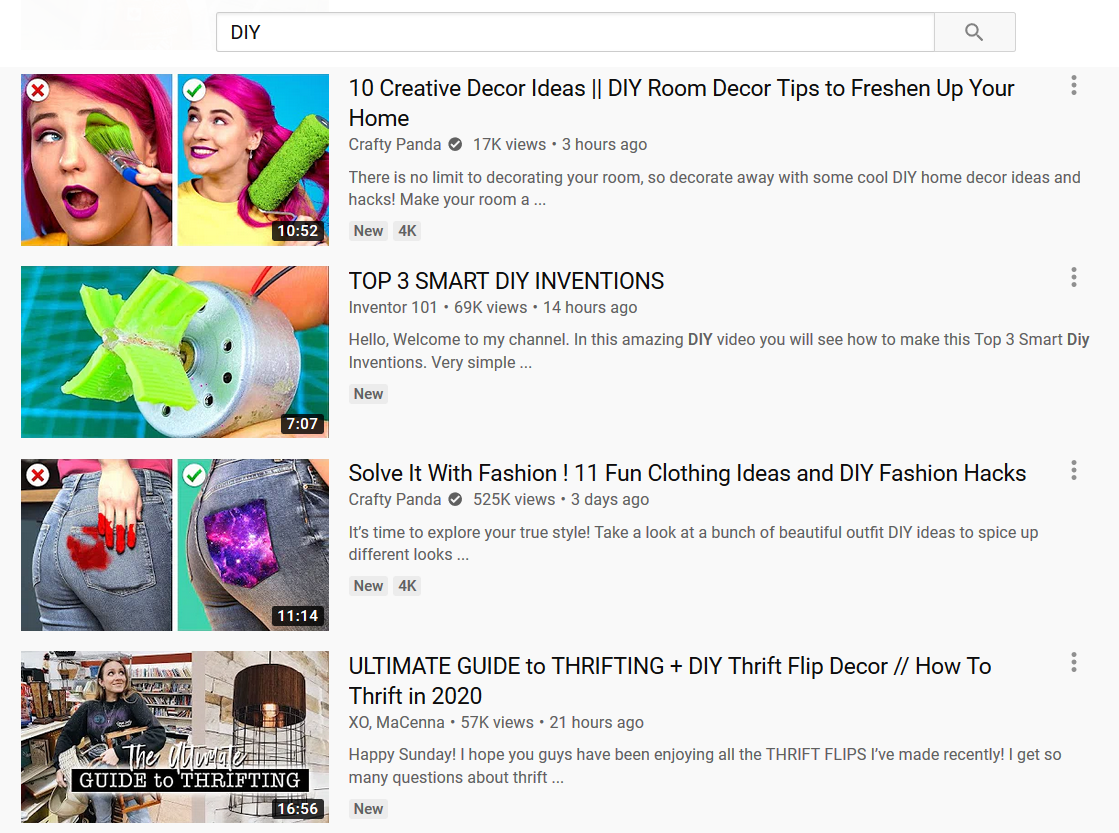
Your audience is a treasure trove of untapped video ideas. By actively listening and analyzing their engagement, you can gain invaluable insights into what truly captures their attention and what questions they are eager to have answered. This section will guide you through the process of transforming audience feedback into a consistent stream of compelling content.Understanding what your viewers want is paramount to creating a successful and sustainable YouTube channel.
It’s not about guessing what might be popular; it’s about knowing. By diving deep into your audience’s interactions, you can pinpoint topics, formats, and even specific questions that will resonate deeply, leading to increased engagement and channel growth.
Interpreting Audience Feedback and Comments
Audience comments are direct lines of communication that offer unfiltered opinions and suggestions. Learning to actively listen and interpret these comments is a crucial skill for any content creator. This involves not just reading them, but understanding the underlying sentiment, identifying recurring themes, and recognizing specific requests.When reviewing comments, look for:
- Questions that are asked repeatedly across different videos.
- Specific problems or challenges your audience is facing within your niche.
- Suggestions for topics or formats they’d like to see explored.
- Enthusiastic reactions to certain aspects of your existing content.
- Constructive criticism that points to areas for improvement or expansion.
This feedback loop is essential for ensuring your content remains relevant and valuable to your community.
Analyzing Existing Video Performance
Your YouTube analytics provide a wealth of data that can reveal what content performs best. By understanding these metrics, you can identify patterns and replicate successful elements in future videos. This data-driven approach ensures you’re investing your creative energy into topics that have a proven track record of engagement.Key performance indicators to examine include:
- Audience Retention: This metric shows where viewers drop off in your videos, highlighting segments that might be less engaging or areas where you can provide more value.
- Click-Through Rate (CTR): A high CTR on your thumbnails and titles indicates that your presentation is compelling enough to draw viewers in.
- Watch Time: Longer watch times generally signal that your content is captivating and providing sustained value.
- Engagement Metrics: Likes, dislikes, comments, and shares are direct indicators of how your audience is interacting with your content.
- Traffic Sources: Understanding where your viewers are coming from can inform your content strategy, especially if certain external platforms are driving significant traffic.
By consistently reviewing these analytics, you can make informed decisions about future content creation, focusing on what has already demonstrated success.
Soliciting Content Suggestions Through Community Engagement
Proactively asking your audience for their input can be incredibly effective in generating fresh content ideas. This direct approach not only provides you with a list of potential topics but also fosters a stronger sense of community and makes your viewers feel valued and heard.Strategies for informal polling and surveys include:
- YouTube Community Tab Polls: Utilize the built-in poll feature on your Community tab to ask direct questions about future video topics or formats. For example, “What topic should I cover next: [Option A] or [Option B]?”
- Direct Questions in Videos: End your videos with a clear call to action, asking viewers to share their topic suggestions in the comments.
- Social Media Engagement: Use platforms like Instagram Stories, Twitter polls, or Facebook group discussions to gather ideas from your wider audience.
- Q&A Sessions: Host live Q&A sessions where viewers can ask questions in real-time, and use these as inspiration for dedicated Q&A videos or topic exploration.
These methods create a collaborative environment where your audience actively participates in shaping your channel’s direction.
Observing Audience Questions Across Platforms
Your niche is likely discussed on numerous online platforms beyond just your YouTube comments. By expanding your observational scope, you can uncover a broader spectrum of questions, concerns, and interests that your audience has. This allows you to address topics that might not arise organically within your own channel’s comment section.To effectively observe audience questions:
- Monitor Niche-Specific Forums and Subreddits: Engage with communities on platforms like Reddit, Quora, or dedicated industry forums. Identify frequently asked questions and common pain points.
- Track Hashtags on Social Media: Use social media monitoring tools or simply search relevant hashtags on platforms like Twitter, Instagram, and TikTok to see what people are discussing.
- Analyze Competitor Comments: While respecting privacy, observing the comment sections of similar channels can reveal what topics are generating interest and discussion among a related audience.
- Explore Online Learning Platforms: If your niche involves education or skill-building, look at comment sections or forums on platforms like Udemy or Skillshare for questions related to your subject matter.
This cross-platform observation provides a holistic view of your audience’s informational needs, enabling you to create content that is not only relevant but also addresses a wider range of curiosities.
Exploring Different Idea Generation Techniques

To consistently fuel your content pipeline, establishing a systematic approach to idea generation is paramount. This section delves into practical techniques designed to foster a continuous flow of unique video concepts, ensuring your channel remains fresh and engaging for your audience. By adopting a structured brainstorming process and leveraging diverse creative tools, you can move beyond sporadic inspiration to a reliable system for content creation.This systematic process begins with understanding that creativity is not a finite resource but a muscle that can be strengthened through consistent practice and the application of specific methodologies.
It involves setting aside dedicated time for ideation, utilizing prompts, and actively seeking out inspiration from various sources. The goal is to build a habit of thinking critically and creatively about your niche and how to best serve your audience’s evolving interests.
Designing a Systematic Process for Brainstorming Unique Video Concepts
Developing a routine for brainstorming ensures that idea generation becomes an integrated part of your content creation workflow, rather than an afterthought. This involves scheduling dedicated time, setting clear objectives for each session, and employing methods that encourage divergent thinking. The key is to create a flexible yet structured environment where new ideas can emerge organically and be captured effectively.A structured approach can be implemented through a weekly or bi-weekly ideation session.
During these sessions, allocate specific time blocks for different activities, such as reviewing audience feedback, researching trending topics, and engaging in creative exercises. Documenting all ideas, no matter how nascent, is crucial. This can be done using a digital notebook, a project management tool, or even a simple spreadsheet, ensuring that no potential concept is lost.
Diverse Techniques for Sparking Creativity
Unlocking creativity often requires stepping outside of conventional thinking patterns. Various techniques can be employed to stimulate new perspectives and generate a wider range of ideas. These methods are designed to bypass mental blocks and encourage the exploration of unconventional connections and solutions.One effective technique is mind mapping. This visual tool helps to organize thoughts and explore relationships between different concepts.
Start with a central theme or related to your channel, and branch out with related ideas, s, and potential video angles. This method is particularly useful for dissecting complex subjects and identifying niche areas that might be overlooked.Another powerful technique is free writing. This involves setting a timer (e.g., 10-15 minutes) and writing continuously about a specific topic or prompt without self-censorship or concern for grammar or structure.
The aim is to let your thoughts flow freely, uncovering unexpected insights and associations. Even if the initial output seems chaotic, it often contains kernels of brilliant ideas that can be refined later.A comparative look at these methods reveals their distinct strengths. Mind mapping excels at visual organization and exploring the interconnectedness of ideas, making it ideal for deconstructing broad topics.
Free writing, on the other hand, is more about uninhibited expression and discovering latent thoughts, making it effective for breaking through creative ruts.
Methods for Discovering Trending Topics Relevant to Your Channel’s Focus
Staying relevant in the digital space necessitates an awareness of current trends. However, simply chasing every popular topic is not effective. The key is to identify trends that align with your channel’s niche and audience interests, and then find unique ways to address them.One primary method involves diligent monitoring of social media platforms. Platforms like Twitter, TikTok, and Instagram are excellent for observing what conversations are gaining traction.
Look for recurring hashtags, popular challenges, and frequently discussed news items within your industry. Tools like Google Trends can also provide valuable insights into search interest over time for specific s and topics.Another effective strategy is to analyze competitor content. Observe what types of videos are performing well for channels similar to yours. This doesn’t mean copying them, but rather understanding the underlying appeal and identifying opportunities to offer a fresh perspective or a deeper dive into a trending subject.
Examining comment sections on popular videos can also reveal audience questions and unmet needs, which can be transformed into video ideas.A comparison of these discovery methods highlights their complementary nature. Social media monitoring offers real-time pulse-checking, while competitor analysis provides a strategic overview of successful content within your niche. Google Trends offers data-driven insights into search volume and interest, helping to validate the potential reach of a trending topic.
Adapting Popular Formats or Challenges to Fit Your Unique Content Style
Popular video formats and challenges often gain traction because they resonate with audiences. The skill lies not in replicating them exactly, but in adapting their core appeal to your channel’s specific voice, niche, and audience. This allows you to tap into existing interest while maintaining your distinct identity.For instance, if a “day in the life” vlog format is trending, and your channel focuses on sustainable living, you could adapt this by creating a “Day in My Zero-Waste Life” video.
This keeps the popular format but injects your unique perspective and expertise. Similarly, a popular dance challenge could be adapted by a cooking channel into a “Culinary Choreography Challenge” where ingredients are creatively presented in a rhythmic manner.When adapting challenges, consider the underlying engagement mechanism. Is it about skill, humor, or a relatable struggle? Then, brainstorm how that mechanism can be applied to your content.
For a “24-hour challenge,” a tech review channel might do a “24 Hours with a New Gadget” video, documenting the setup, usage, and eventual verdict. The key is to maintain the spirit of the challenge while infusing it with your channel’s personality and subject matter.
Utilizing External Resources for Fueling Creativity
While your audience and internal brainstorming are invaluable, the world outside your immediate sphere is a vast reservoir of untapped content ideas. Actively seeking inspiration from external sources can inject fresh perspectives and ensure your content remains relevant and engaging. This section will guide you through harnessing these external resources to continuously fuel your creative engine.Leveraging the dynamic nature of online trends and the wealth of information available through various media can significantly enhance your content ideation process.
By systematically exploring these avenues, you can identify what resonates with a broader audience and adapt it to your unique channel.
Online Search Trends and Related Searches
Understanding what people are actively searching for online is a direct indicator of interest and demand. Search engines and their associated tools provide powerful insights into popular topics, questions, and emerging trends.To effectively utilize online search trends:
- Monitor Search Engine Autocomplete: As you type s related to your niche into search engines like Google, pay attention to the suggestions that appear. These are often based on popular user queries and can spark ideas for specific video topics.
- Explore “People Also Ask” Sections: Google’s “People Also Ask” boxes highlight related questions that users are frequently asking. This section is a goldmine for understanding audience pain points and curiosities.
- Analyze “Related Searches”: At the bottom of search results pages, you’ll find “Related Searches.” These offer alternative s and broader themes that users explore after their initial query, providing a wider scope for content.
- Utilize Trend Analysis Tools: Platforms like Google Trends allow you to see the popularity of search terms over time and by region. This can help you identify seasonal topics, rising trends, and evergreen subjects that consistently garner interest. For example, if you run a cooking channel, Google Trends might show a surge in searches for “air fryer recipes” during specific months, indicating a prime opportunity for content creation.
Inspiration from News Articles, Blogs, and Other Media
The media landscape is constantly evolving, offering a rich tapestry of information that can be translated into compelling video content. By staying abreast of relevant publications, you can tap into current events, expert opinions, and industry developments.To extract inspiration from these sources:
- Curate Industry-Specific Publications: Subscribe to newsletters, follow leading blogs, and bookmark reputable news outlets within your niche. Regularly scan headlines and article summaries for topics that align with your channel’s focus.
- Identify Emerging Narratives: News articles often highlight new studies, product launches, or societal shifts. For instance, a technology channel could create a video discussing the implications of a newly announced smartphone feature, or a finance channel might analyze the impact of a recent economic policy change.
- Repurpose Expert Opinions: Blogs and opinion pieces by industry leaders can provide valuable insights. You could create a video summarizing a key argument, offering your own perspective, or even debunking common myths discussed in these articles.
- Look for Data and Statistics: Many articles include statistics or research findings. These can serve as the foundation for informative videos, data visualizations, or even explainer content. A fitness channel might use data from a new study on exercise benefits to create a video on optimal workout routines.
Attending Industry Events
Conferences, webinars, and virtual summits are curated environments designed to bring together professionals and enthusiasts within a specific field. These events are invaluable for gaining new perspectives, understanding future directions, and identifying emerging trends.The value of attending industry events lies in:
- Exposure to New Ideas: Keynote speakers and panel discussions often present cutting-edge research, innovative strategies, and forward-thinking concepts that can directly translate into unique video topics.
- Networking Opportunities: Engaging with other attendees and speakers can reveal common challenges, shared interests, and potential collaboration opportunities, all of which can inspire content.
- Understanding Market Shifts: Events often provide insights into upcoming product releases, market trends, and consumer behavior shifts that are crucial for staying ahead of the curve. For example, a marketing channel attending a digital marketing conference might learn about new advertising platforms that can become the subject of a detailed tutorial.
- Direct Feedback and Q&A: The interactive nature of many events allows you to gauge audience interest in specific topics through Q&A sessions, providing real-time validation for potential video ideas.
Framework for Tracking and Saving Promising Ideas
Consistently capturing and organizing ideas encountered during your daily online activities is crucial for building a robust content pipeline. A systematic approach ensures that no valuable inspiration is lost.A practical framework for tracking ideas includes:
- Centralized Digital Notebook: Utilize a note-taking application like Evernote, Notion, OneNote, or even a simple Google Doc. Create a dedicated section or notebook for “Video Content Ideas.”
- Categorization and Tagging: As you save ideas, assign relevant categories or tags. Examples include “Tutorial,” “Review,” “News Analysis,” “Listicle,” “Audience Question,” or specific s related to your niche (e.g., “,” “Budgeting,” “Vegan Recipes”). This makes searching and filtering easier later.
- Include Source and Context: For each idea, briefly note where you found it (e.g., “Google Trends search,” “Article from [Publication Name],” “Webinar speaker suggestion”) and why it sparked your interest. This context helps you recall the original inspiration and its potential.
- Add Initial Thoughts: Jot down any preliminary thoughts on how you might approach the video, potential angles, or target audience. This can include s for your video title or a brief Artikel.
- Regular Review and Prioritization: Schedule dedicated time each week or month to review your saved ideas. Assess their relevance, potential impact, and feasibility. Prioritize them based on current trends, audience demand, and your channel’s strategic goals.
- Use Browser Extensions or Bookmarklets: For quick saving of articles or web pages that inspire you, consider using browser extensions that allow you to send content directly to your note-taking app or save it as a bookmark with annotations.
This structured approach transforms serendipitous discoveries into a powerful and organized resource for continuous content creation.
Repurposing and Evolving Existing Content

In the journey to maintain a consistent flow of fresh video ideas, looking back at your channel’s past successes is a remarkably effective strategy. This section delves into how to breathe new life into existing content, ensuring your audience always has something valuable and engaging to discover, while also maximizing the output from your creative efforts. It’s about building upon a solid foundation rather than constantly starting from scratch.Identifying opportunities to refresh or expand upon previously successful video topics involves a keen understanding of what resonated with your audience.
Analyze your analytics to pinpoint videos that garnered high viewership, engagement, and watch time. These are your golden tickets to future content. Look for common themes, recurring questions in the comments, or topics that sparked significant discussion. The goal is to identify areas where your audience showed the most interest, indicating a strong potential for further exploration or a new angle.
Transforming Long-Form Content into Shorter, Shareable Clips
Long-form videos, such as in-depth tutorials, detailed reviews, or comprehensive interviews, often contain numerous valuable segments that can be extracted and presented as standalone, bite-sized content. This approach caters to viewers with shorter attention spans or those who are just discovering your channel and want a quick introduction to your expertise.Here are procedures for transforming long-form content into shorter, shareable clips or series:
- Segment Identification: Watch through your longer videos and identify distinct sections that cover a specific , tip, or answer a particular question. For instance, a 30-minute tutorial on baking might have separate segments on ingredient preparation, mixing techniques, baking times, and decorating.
- Extraction and Editing: Use video editing software to isolate these segments. Ensure each clip is concise, impactful, and makes sense on its own. Add a brief intro and outro to each clip that clearly states its purpose and encourages viewers to watch the full original video or subscribe for more.
- Creating Series: Group related short clips into a playlist or a mini-series. For example, the baking tutorial segments could become a “Baking Basics” series. This encourages binge-watching and exposes viewers to multiple pieces of your content.
- Platform Optimization: Tailor these shorter clips for different platforms. A quick tip might be perfect for Instagram Reels or TikTok, while a slightly longer segment could work well on YouTube Shorts or as a Facebook video.
Updating Older Videos with New Information or a Fresh Perspective
The digital landscape and the information within it are constantly evolving. Older videos, even those that were once highly successful, may become outdated or could benefit from a modern interpretation. This is where the art of updating comes into play, ensuring your content remains relevant and authoritative.Strategies for updating older videos include:
- Information Verification: Revisit the core information presented in your older videos. Check for any factual inaccuracies, outdated statistics, or superseded best practices.
- Adding New Insights: Incorporate recent developments, new research, or emerging trends related to the original topic. This adds significant value and demonstrates your continued expertise.
- Re-recording or Overlaying: Depending on the extent of the updates, you can either re-record sections of the video with new footage and narration or use editing techniques like screen overlays or picture-in-picture to add new information without redoing the entire video.
- Revised Introduction/Conclusion: If re-recording is not feasible, you can add a new intro and outro to the existing video that clearly states it’s an updated version and highlights the new information provided.
- Promotional Push: When you update an older video, actively promote it to your audience, especially those who may have watched the original. This can re-engage existing subscribers and attract new viewers looking for the most current information.
Combining Multiple Related Video Concepts into a Cohesive Series or Project
Sometimes, individual video ideas, while strong on their own, can be even more powerful when woven together into a larger narrative or a comprehensive project. This allows for deeper dives into subjects and creates a sustained engagement for your audience, encouraging them to follow along with a larger journey.Methods for combining multiple related video concepts include:
- Thematic Grouping: Identify a broad theme that connects several of your existing or potential video topics. For example, if you have videos on different types of budgeting, meal planning, and saving strategies, you could combine them into a “Financial Wellness Journey” series.
- Sequential Storytelling: Structure your videos in a logical, chronological, or step-by-step manner. This is particularly effective for tutorials, challenges, or documentary-style content where one video naturally leads into the next.
- Cross-Referencing and Linkage: Within each video, explicitly mention and link to other relevant videos in the series. This creates a clear path for viewers to follow and discover more content.
- Building a “Masterclass” or “Deep Dive” Project: Treat a collection of related videos as a comprehensive course or an in-depth exploration of a subject. This can be positioned as a significant value proposition for your audience.
- Collaborative Projects: If you have multiple related ideas, consider collaborating with other creators whose content complements yours. This expands your reach and brings diverse perspectives to a unified project.
Developing a Personal Content Idea System

Building a robust system for generating and managing video content ideas is crucial for maintaining a consistent and thriving YouTube channel. This isn’t about sporadic bursts of inspiration, but rather about cultivating a sustainable process that ensures a steady stream of engaging concepts. A well-defined personal system transforms ideation from a chore into an integrated and enjoyable part of your creative workflow.Establishing a personal content idea system involves creating a structured approach to not only generate new concepts but also to capture, evaluate, and nurture them.
This systematic method ensures that your channel remains dynamic and responsive to audience interests while also aligning with your long-term vision. It’s about making the discovery of great video ideas a predictable and manageable outcome.
Establishing a Personal Framework for Idea Generation
A personal framework provides the structure needed to consistently capture and cultivate video concepts. This framework should be adaptable to your unique creative process and channel niche, ensuring that inspiration can be harnessed whenever and wherever it strikes. The goal is to create a reliable pipeline of potential video topics.My personal framework involves a multi-pronged approach to idea generation and capture:
- The “Idea Capture Kit”: This is a digital and physical collection of tools designed for immediate idea recording. It includes a dedicated notes app on my phone (like Google Keep or Apple Notes) for quick thoughts, a voice recorder for verbal brainstorming, and a physical notebook for more elaborate sketches or mind maps. The key is accessibility – having these tools readily available prevents good ideas from being lost to forgetfulness.
- Scheduled Brainstorming Sessions: I dedicate specific time slots each week for focused brainstorming. These sessions are structured to encourage divergent thinking, often starting with broad themes related to my channel and then narrowing down to specific video concepts. I might use techniques like mind mapping or free writing during these times.
- “What If” Scenarios: A powerful technique is to constantly ask “what if” questions related to my niche. For example, if my channel is about cooking, I might ask, “What if I tried to cook a gourmet meal using only dollar store ingredients?” or “What if I recreated a famous movie dish?” This pushes beyond obvious topics.
- Observational Input: I actively observe trends, discussions, and questions within my community and related online spaces. This includes monitoring comments on my own videos, engaging in forums, and following relevant social media accounts. These external cues often highlight unmet needs or popular topics that can be explored.
Designing a Workflow for Idea Viability and Impact Evaluation
Once ideas are captured, a systematic evaluation process is essential to determine their potential for success. This workflow helps filter promising concepts from those that might not resonate with your audience or align with your channel’s goals. It’s about making informed decisions on which ideas to pursue.My workflow for evaluating new ideas includes the following steps:
- Initial Gut Check: The first step is a quick assessment based on intuition and alignment with my channel’s core themes. Does this idea excite me? Does it feel like a natural fit for my content? If not, it might be set aside for later or discarded.
- Audience Resonance Check: I consider how the idea might appeal to my target audience. I look for s related to the idea in my analytics, search trends, and community discussions. If there’s a clear interest or a gap in existing content, the idea gains significant points.
- Feasibility Assessment: This involves practical considerations such as the resources required (time, equipment, budget), my knowledge base, and the potential for creating a high-quality video. An idea, however brilliant, is not viable if it cannot be executed effectively.
- Impact Prediction: I try to estimate the potential impact of the video. This could be measured in terms of watch time, engagement (likes, comments, shares), subscriber growth, or even potential for monetization or collaboration. I might compare it to the performance of similar past videos.
- Idea Scoring System: To add objectivity, I sometimes use a simple scoring system where I assign points (e.g., 1-5) for audience resonance, feasibility, and potential impact. Ideas that score above a certain threshold are prioritized.
“The best ideas are often a blend of passion, audience demand, and practical execution.”
Cultivating a Habit of Continuous Idea Generation
Building a habit of continuous idea generation transforms it from an occasional task into an effortless, integrated part of your creative life. This habit should feel natural and engaging, rather than like a forced chore, ensuring a sustainable flow of fresh content concepts. The aim is to make idea discovery an intrinsic part of your routine.Developing this habit involves embedding idea generation into your daily or weekly rhythm:
- Micro-Brainstorming Moments: Instead of waiting for dedicated sessions, I practice micro-brainstorming throughout the day. This might involve jotting down a quick thought while commuting, during a walk, or while watching another video. These brief moments, when accumulated, generate a significant volume of ideas.
- Connecting Seemingly Unrelated Concepts: I actively look for ways to connect different topics or ideas that might not seem immediately related to my niche. This “cross-pollination” can lead to unique and innovative video concepts that stand out. For example, combining a tech review with a historical anecdote.
- Embracing Curiosity: I foster a mindset of continuous curiosity. When I encounter something new or interesting, I ask myself, “How could I turn this into a video?” This naturally shifts my perspective towards content creation.
- Gamifying the Process: Sometimes, I turn idea generation into a lighthearted game. This could involve setting a daily or weekly target for the number of new ideas to capture, or challenging myself to come up with a certain number of ideas based on a single .
Planning for Regular Review and Refinement of Your Approach
Your content ideation system should not be static. Regular review and refinement are essential to ensure it remains effective, adapts to your channel’s growth, and continues to fuel your creativity. This proactive approach guarantees that your system evolves alongside your content strategy.My plan for regularly reviewing and refining my personal approach includes:
- Monthly System Audit: Once a month, I dedicate time to review my idea capture tools and processes. Are they still serving me well? Are there any bottlenecks? I look for ways to streamline or improve my methods based on my recent experiences.
- Quarterly Performance Analysis: Every quarter, I analyze the performance of videos that originated from my ideation system. Which types of ideas performed best? What can I learn from successful and less successful concepts? This data informs future idea generation and evaluation.
- Seeking Feedback: I actively solicit feedback from my audience and peers regarding the types of content they’d like to see. This external perspective is invaluable for identifying blind spots in my own ideation process.
- Experimentation with New Techniques: I commit to trying at least one new idea generation technique or tool each quarter. This keeps my approach fresh and prevents complacency, ensuring I’m always exploring new avenues for inspiration.
Epilogue
In essence, mastering the art of finding unlimited video content ideas is about cultivating a consistent, audience-centric, and adaptable approach. By integrating audience insights, diverse generation techniques, external resources, and a structured pipeline, you can transform the challenge of content creation into an exciting and sustainable endeavor. Developing your personal ideation system will empower you to maintain momentum, ensuring your channel remains vibrant and relevant for years to come.