Embarking on the journey of video content creation is significantly more effective when you possess a clear understanding of who you are speaking to. This exploration delves into the fundamental importance of identifying your ideal viewer, illuminating the potential missteps of creating content in a vacuum and highlighting the profound advantages of a well-defined audience profile. By grasping these core principles, you pave the way for more impactful and resonant video production and distribution strategies.
We will navigate through various methods designed to pinpoint your ideal viewer, from robust research techniques and step-by-step procedures to the critical consideration of demographic and psychographic data. This comprehensive approach will empower you to organize and categorize distinct viewer segments, laying the groundwork for truly targeted content. Furthermore, we will explore the art of crafting detailed viewer personas, imbuing them with realistic traits and motivations to ensure your content genuinely connects.
Understanding the Core Purpose of Audience Identification
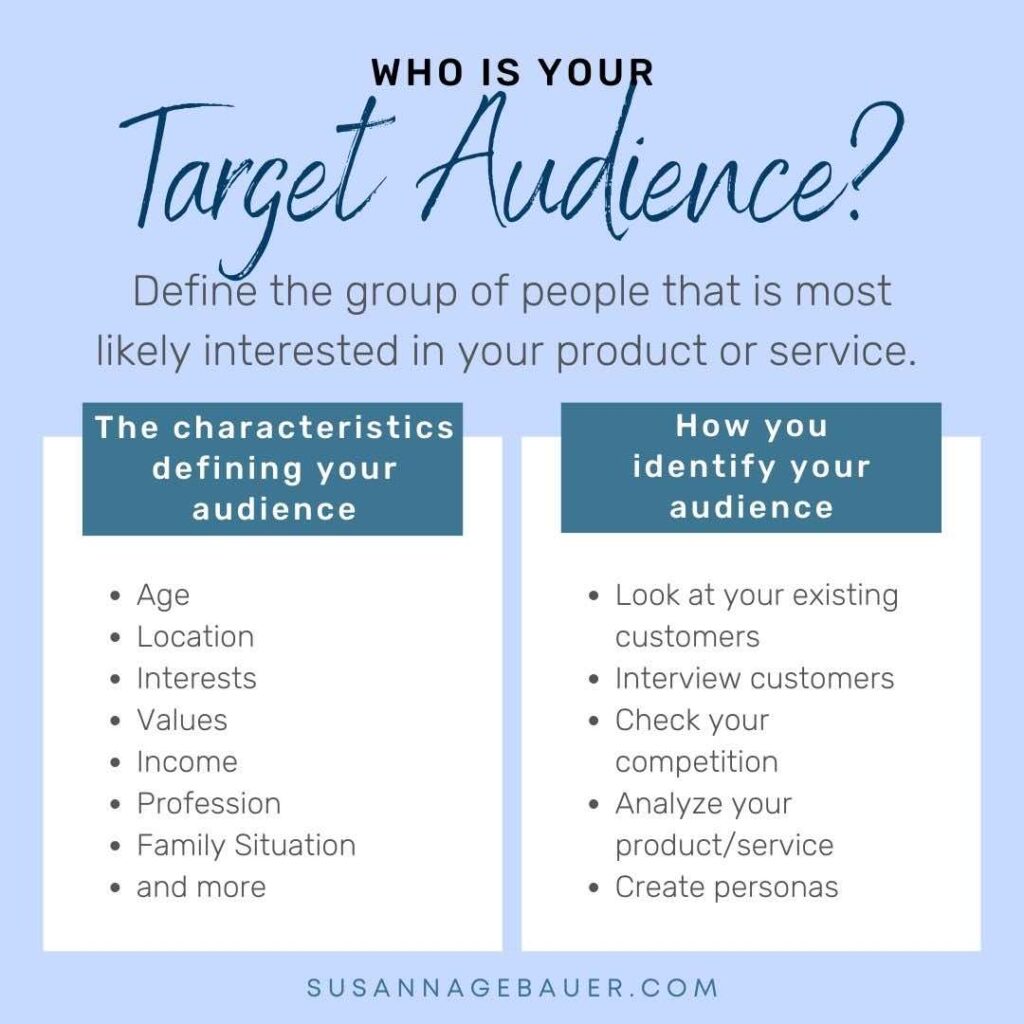
Defining your target audience is the bedrock upon which successful video content is built. It’s not merely a preliminary step; it’s the guiding force that shapes every decision, from the initial concept to the final distribution strategy. Without a clear understanding of who you’re speaking to, your video risks becoming a broadcast into the void, lacking resonance and failing to achieve its intended impact.At its heart, audience identification is about empathy and strategic focus.
It’s about stepping into the shoes of your potential viewer and understanding their needs, desires, challenges, and preferences. This deep understanding allows you to create content that not only captures attention but also provides genuine value, fostering connection and driving desired outcomes, whether that’s brand awareness, lead generation, or customer education.
The Fundamental Importance of Knowing Your Viewer
Clearly defining your target audience is crucial because it directly influences the effectiveness and efficiency of your video production and marketing efforts. It ensures that your resources are allocated wisely, creating content that resonates with the right people, at the right time, and through the right channels. This focused approach maximizes the potential for engagement and conversion, making your video strategy more impactful.
Potential Pitfalls of Neglecting Audience Definition
Creating video content without a specific viewer in mind is akin to setting sail without a destination. The consequences can be significant, leading to wasted resources, missed opportunities, and ultimately, a lack of measurable results.Here are some common pitfalls encountered when audience definition is overlooked:
- Irrelevant Content: Without understanding your audience’s interests and pain points, you might produce videos that are off-topic, too technical, too simplistic, or simply uninteresting to the people you want to reach. This leads to low engagement rates and a failure to connect.
- Ineffective Messaging: The language, tone, and style of your video are critical. If you don’t know your audience, you risk using jargon they won’t understand, a tone that alienates them, or a call to action that doesn’t align with their motivations.
- Wasted Production Resources: Investing time, money, and creative energy into a video that doesn’t resonate with anyone is a significant drain. This includes costs associated with scripting, filming, editing, and talent.
- Poor Distribution Strategy: Knowing your audience dictates where they spend their time online. Without this insight, you might promote your videos on platforms they don’t use, leading to minimal reach and impact.
- Lack of Measurable Results: If your video isn’t tailored to a specific audience, it becomes very difficult to track its success. You won’t know if you’re reaching the right people or if the content is influencing their behavior.
Benefits of a Well-Defined Viewer Profile
A well-defined viewer profile acts as a compass, guiding every aspect of your video content creation and distribution. The advantages are manifold, leading to more impactful and successful video campaigns.The benefits include:
- Enhanced Relevance and Engagement: Content that speaks directly to the audience’s needs, interests, and challenges is far more likely to capture and hold their attention. This leads to higher watch times, shares, and comments. For instance, a SaaS company targeting small business owners might create a video tutorial on “5 Time-Saving CRM Features for Entrepreneurs,” directly addressing a key pain point.
- Improved Messaging and Tone: Understanding your audience’s language, cultural nuances, and communication preferences allows you to craft messages that are clear, persuasive, and relatable. A brand targeting Gen Z might use a more informal, humorous tone and trending music, whereas a financial institution targeting retirees would adopt a more formal, trustworthy, and informative approach.
- Optimized Resource Allocation: Knowing your audience helps you focus your production budget and creative efforts on what truly matters to them. This avoids unnecessary expenditure on elements that won’t resonate and ensures that your investment yields a higher return.
- Effective Distribution and Promotion: A clear audience profile guides your choice of platforms, social media channels, and advertising strategies. For example, if your target audience is primarily B2B professionals, you’d likely prioritize LinkedIn and industry-specific publications, rather than platforms like TikTok.
- Clearer Call to Actions (CTAs): When you understand your audience’s motivations and journey, you can create CTAs that are compelling and relevant, encouraging them to take the desired next step, whether it’s downloading a guide, signing up for a webinar, or making a purchase.
- Stronger Brand Connection: Videos that demonstrate a deep understanding of the audience’s world foster a sense of connection and trust. This can lead to increased brand loyalty and advocacy. For example, a sustainable fashion brand creating a documentary-style video about ethical sourcing will deeply resonate with environmentally conscious consumers.
- Data-Driven Decision Making: A defined audience allows for more meaningful analytics. You can track metrics like demographics of viewers, engagement on specific segments, and conversion rates to understand what’s working and what needs adjustment, leading to continuous improvement.
“The most effective marketing doesn’t feel like marketing; it feels like a conversation with someone who understands you.”
Methods for Identifying Your Ideal Viewer

Once you understand why identifying your target audience is crucial, the next logical step is to learn how to actually do it. This involves a combination of research, analysis, and strategic thinking. By employing various methods, you can gain a deep understanding of who your ideal viewer is, what they care about, and how to best reach them with your video content.
Crafting Detailed Viewer Personas
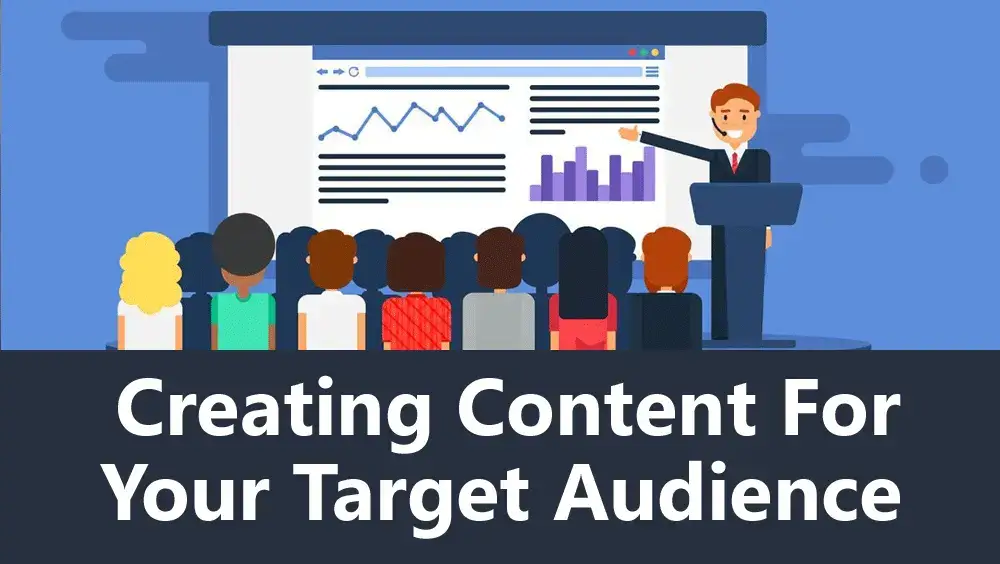
Building a deep understanding of your audience goes beyond basic demographics. It involves creating detailed viewer personas, which are semi-fictional representations of your ideal viewers, based on research and educated guesswork. These personas serve as a compass, guiding your content creation decisions and ensuring you’re speaking directly to the people you want to reach. By humanizing your audience, you can craft more relatable, engaging, and effective video content.
Aligning Content Strategy with Viewer Needs
Successfully defining your target audience is the foundational step; the next crucial phase is to strategically align your video content with their identified needs and interests. This ensures that your videos are not just produced, but are genuinely valuable and engaging for the people you aim to reach. By understanding what your viewers care about, you can create content that resonates deeply, fosters loyalty, and achieves your communication objectives.This alignment process involves a thoughtful connection between audience insights and content creation.
It’s about moving beyond general topics to specific video ideas that directly address viewer pain points, curiosities, and aspirations. When your content speaks directly to your audience’s world, it’s far more likely to capture their attention and hold their interest.
Mapping Viewer Needs to Video Content Ideas
To effectively translate audience understanding into compelling video content, it’s essential to systematically link their identified needs and interests with concrete video concepts. This involves a creative yet analytical approach, where you brainstorm topics that directly offer solutions, information, or entertainment relevant to your viewer personas.Consider the core motivations and challenges of your audience. For example, if your persona is a small business owner struggling with digital marketing, content ideas could include “5 Cost-Effective Social Media Strategies for Small Businesses,” “How to Create Engaging Video Ads on a Budget,” or “Understanding Basics for Local Businesses.” Each of these directly addresses a likely need.
- Problem/Solution Mapping: Identify common problems your audience faces and brainstorm video solutions. For instance, a beginner gardener might need “How to Start a Vegetable Garden: A Step-by-Step Guide,” addressing their need for foundational knowledge.
- Interest-Based Content Generation: Explore topics that align with your audience’s hobbies, passions, or professional development goals. A fitness enthusiast might be interested in “Advanced HIIT Workout Routines” or “Nutrition Tips for Muscle Gain.”
- Curiosity-Driven Content: Address questions your audience is likely asking. Tools like Google Trends, research, and social media listening can reveal popular search queries and discussions that can be turned into informative videos. For example, if there’s a surge in interest around sustainable living, a video titled “The Future of Renewable Energy: What You Need to Know” could be highly relevant.
- Aspiration Fulfillment: Create content that helps viewers achieve their goals or aspirations. If your audience aspires to become better public speakers, a video series on “Mastering Presentation Skills” would be highly valuable.
Ensuring Video Topics Resonate Deeply
For your video topics to truly connect with your audience, they must go beyond superficial relevance and tap into deeper emotional or practical drivers. This requires a nuanced understanding of what truly matters to them and a commitment to delivering content that feels authentic and impactful.The key is to move from simply listing topics to crafting narratives and providing information that feels personal and beneficial.
Think about the underlying ‘why’ behind your audience’s interests. What are they hoping to achieve? What fears are they trying to overcome?
- Empathy and Storytelling: Frame your content with empathy. Share stories or case studies that your audience can relate to. If you’re creating content for busy parents, a video titled “Quick & Healthy Meal Prep Ideas for Busy Weeknights” should not just list recipes, but perhaps include a brief anecdote about the creator’s own experience or the challenges faced by parents.
- Addressing Pain Points Directly: Clearly articulate the problems your content will solve. A video for freelancers struggling with client acquisition might be titled “How to Land Your First High-Paying Client: Proven Strategies,” directly addressing a significant pain point.
- Leveraging Social Proof and Authority: If your audience trusts certain experts or influencers, consider featuring them or discussing their insights. Videos that incorporate testimonials or expert interviews can build credibility and resonance. For example, a video discussing investment strategies might feature a renowned financial advisor.
- Timeliness and Trend Relevance: Stay abreast of current events, industry trends, and cultural moments that are relevant to your audience. Creating content that comments on or leverages these timely topics can significantly boost engagement. For instance, during a major industry conference, a video summarizing key takeaways or interviewing attendees could be highly resonant.
Tailoring Video Format, Style, and Tone
Once you have compelling topics, the next critical step is to ensure the presentation of that content aligns with your audience’s preferences. The format, style, and tone of your videos play a significant role in how well your message is received and how engaged your viewers remain.Different audience segments will have varying expectations for how information should be delivered. Understanding these preferences is key to creating a positive and effective viewing experience.
- Format Preferences: Consider the typical consumption habits of your audience.
- Short-form vs. Long-form: Younger audiences or those with limited time might prefer shorter, punchy videos (e.g., 1-5 minutes) suitable for platforms like TikTok or Instagram Reels. Professionals or those seeking in-depth knowledge might engage more with longer, more detailed videos (e.g., 10-30 minutes) found on YouTube or dedicated learning platforms.
- Live vs. Pre-recorded: Live streams can foster real-time interaction and a sense of immediacy, appealing to audiences who enjoy Q&A sessions or interactive content. Pre-recorded videos offer more control over production quality and editing, suitable for polished tutorials or storytelling.
- Series vs. Standalone: A series can build anticipation and encourage repeat viewership for audiences invested in a particular subject, while standalone videos are good for addressing specific, one-off questions or topics.
- Style Considerations: The visual and auditory elements of your video should match audience expectations.
- Visual Aesthetics: A tech-savvy audience might appreciate sleek, modern graphics and animations, while a more traditional audience might prefer a straightforward, documentary-style approach. The use of color palettes, typography, and visual effects should be consistent with the brand and audience.
- Pacing and Editing: Fast-paced editing with quick cuts can keep younger audiences engaged, while a slower, more deliberate pace might be better suited for educational content or documentaries.
- Tone of Voice: The emotional and attitudinal quality of your narration and on-screen presence is crucial.
- Formal vs. Informal: A B2B audience might expect a more formal, professional tone, while a consumer-focused audience might respond better to a friendly, conversational, and approachable style.
- Humorous vs. Serious: Depending on the topic and audience, humor can be a powerful tool for engagement, but it must be used judiciously to avoid alienating viewers. Serious topics require a more somber or respectful tone.
- Authoritative vs. Peer-to-Peer: If your content aims to establish expertise, an authoritative tone is appropriate. If you’re building a community or sharing personal experiences, a peer-to-peer, relatable tone can be more effective.
Comparing Approaches to Presenting Information
Different methods of presenting information can significantly impact how well your video content meets viewer expectations and achieves its communication goals. The choice of approach should be guided by the complexity of the topic, the audience’s prior knowledge, and the desired outcome of the video.Understanding these different presentation styles allows you to select the most effective method for conveying your message, ensuring clarity, engagement, and retention.
| Presentation Approach | Description | Best Suited For | Example |
|---|---|---|---|
| Tutorial/How-To | Step-by-step guidance to teach a skill or process. Focuses on practical application and clear instructions. | Audiences seeking to learn a new skill, solve a specific problem, or understand a process. | A video demonstrating how to change a car tire, showing each step with close-ups and verbal instructions. |
| Explainer/Educational | Breaks down complex topics into understandable concepts, often using visuals, analogies, and simplified language. | Audiences needing to grasp new concepts, understand scientific principles, or learn about abstract ideas. | An animated video explaining the process of photosynthesis for a general audience. |
| Documentary/Narrative | Tells a story, often with a focus on real-life events, people, or issues. Emphasizes emotional connection and in-depth exploration. | Audiences interested in learning about specific subjects through engaging stories, historical events, or human interest pieces. | A mini-documentary about the challenges faced by small independent bookstores in the digital age. |
| Interview/Q&A | Features a conversation between an interviewer and an expert or relevant individual, or addresses questions submitted by the audience. | Audiences seeking expert insights, diverse perspectives, or direct answers to their questions. | An interview with a leading AI researcher discussing the future of artificial intelligence. |
| Demonstration/Product Review | Showcases a product or service, highlighting its features, benefits, and performance. Often includes hands-on usage. | Audiences considering a purchase, looking for product comparisons, or wanting to see a product in action. | A video reviewing a new smartphone, demonstrating its camera capabilities and battery life. |
| Listicle/Top X | Presents information in a numbered list format, making it easy to digest and remember. | Audiences looking for quick, digestible information, recommendations, or summaries. | “Top 10 Travel Destinations for Budget Backpackers.” |
Utilizing Data to Refine Viewer Understanding

Once you have established your ideal viewer personas, the next crucial step is to leverage data to validate, refine, and continuously enhance your understanding of your audience. Data provides objective insights into how viewers interact with your content, what resonates with them, and where opportunities for improvement lie. This iterative process ensures your video content remains relevant, engaging, and effective in reaching your desired audience.Data-driven insights allow you to move beyond assumptions and gain a granular understanding of viewer behavior and preferences.
By actively collecting and analyzing this information, you can make informed decisions that directly impact your content strategy, leading to better engagement and stronger audience connections.
Key Data Points for Viewer Insights
Various data points offer valuable insights into viewer behavior and preferences. Understanding these metrics allows for a more precise definition of your target audience and helps tailor content to their specific interests and viewing habits.
- Demographics: Age, gender, location, language, and education level of your viewers. This data helps in understanding the basic profile of your audience.
- Viewing Habits: Time of day and day of week when viewers are most active, average viewing duration, and frequency of viewership. This indicates when and how often your audience engages with your content.
- Content Preferences: Which video topics, formats (e.g., tutorials, vlogs, interviews), and styles (e.g., humorous, educational, inspirational) generate the most views and engagement.
- Device Usage: The primary devices viewers use to watch your videos (e.g., mobile, desktop, tablet). This informs decisions about video optimization for different screen sizes.
- Traffic Sources: Where your viewers are coming from (e.g., organic search, social media, direct links, referrals). This highlights which channels are most effective in attracting your audience.
- Completion Rates: The percentage of viewers who watch a video to its end. This is a strong indicator of content engagement and relevance.
- Click-Through Rates (CTR): For any calls to action within your videos or associated links, CTR indicates how effectively your content drives desired actions.
Interpreting Viewer Feedback and Engagement Metrics
Analyzing viewer feedback and engagement metrics is paramount to refining your audience definitions. This feedback loop provides qualitative and quantitative evidence of what’s working and what isn’t, guiding you toward a more accurate understanding of your ideal viewer.Engagement metrics, such as likes, comments, shares, and watch time, offer direct insights into how viewers are interacting with your content. High engagement rates on specific topics or formats suggest a strong interest from your audience.
Conversely, low engagement or high drop-off rates might indicate a mismatch between your content and viewer expectations.Viewer feedback, whether through comments, surveys, or direct messages, provides invaluable qualitative data. Pay close attention to recurring themes, questions, and suggestions. For example, if many viewers express confusion about a particular topic, it suggests a need for more in-depth explanation or a different approach in future videos.
If viewers consistently praise a specific video style, it’s a strong signal to replicate that success.
“Engagement metrics are the heartbeat of your video content; they tell you what your audience is feeling and reacting to.”
Tracking Viewer Interactions Across Platforms
To gain a comprehensive understanding of your audience, it’s essential to track viewer interactions across all the platforms where your video content is distributed. Each platform offers unique analytics that, when combined, paint a richer picture of your audience’s journey and preferences.Different platforms provide distinct data sets. For instance, YouTube Analytics offers detailed insights into watch time, audience retention, traffic sources, and demographics.
Social media platforms like Facebook, Instagram, and TikTok provide data on reach, impressions, engagement rates (likes, comments, shares), and audience demographics specific to their user base.Implementing a consistent tracking strategy across all relevant platforms is key. This might involve:
- Utilizing Native Platform Analytics: Regularly reviewing the analytics dashboards provided by each video hosting or social media platform.
- Cross-Platform Tracking Tools: Employing third-party analytics tools that can aggregate data from multiple platforms, offering a consolidated view of your audience’s behavior.
- UTM Parameters: Using UTM parameters in links shared across different channels to track the source, medium, and campaign that drives traffic to your videos.
- Website Analytics: If your videos are embedded on your website, using tools like Google Analytics to track how viewers arrive at your video pages and how long they stay.
By systematically tracking these interactions, you can identify patterns in how viewers discover, consume, and engage with your content across the entire digital ecosystem.
A Process for Continuously Updating Viewer Profiles
Audience understanding is not a one-time task; it’s an ongoing process that requires continuous refinement. Establishing a structured approach to updating viewer profiles ensures your content remains aligned with evolving audience needs and preferences.The following process can be implemented for continuous data-driven refinement:
- Regular Data Collection and Auditing: Schedule regular intervals (e.g., weekly, monthly) to collect and review all available data from your video platforms and analytics tools.
- Performance Analysis: Analyze key performance indicators (KPIs) for your video content. Identify top-performing videos and underperforming content, noting common characteristics.
- Feedback Synthesis: Consolidate all qualitative feedback received from comments, surveys, and direct messages. Look for emerging trends and specific viewer requests.
- Persona Validation and Adjustment: Compare the aggregated data and feedback against your existing viewer personas. Identify discrepancies and areas where your personas may no longer accurately reflect your audience.
- Profile Updates: Revise your viewer personas based on the validated data. This might involve adding new characteristics, adjusting existing ones, or even creating new personas if significant audience segments have emerged.
- Content Strategy Iteration: Use the updated viewer profiles to inform your content strategy. This includes brainstorming new video ideas, adjusting content formats, and refining your messaging.
- A/B Testing: Where applicable, conduct A/B tests on video thumbnails, titles, or content elements to further validate hypotheses about viewer preferences.
This cyclical approach ensures that your understanding of your target audience is always current, allowing you to create video content that consistently meets and exceeds their expectations.
Practical Application: Case Studies and Examples
Understanding how others have successfully defined and targeted their audiences provides invaluable insight and practical guidance. By examining real-world scenarios, we can learn from their strategies, identify effective techniques, and adapt them to our own video content creation efforts. These case studies illustrate the tangible benefits of audience-centric video production, demonstrating how a deep understanding of the viewer translates into meaningful engagement and measurable success.This section delves into specific examples of how video creators have leveraged audience insights to craft compelling content.
We will explore how observational data can be a powerful tool for inferring viewer characteristics and compare the distinct approaches of different content creators to highlight the nuances of effective audience targeting.
Illustrative Scenarios of Successful Audience Identification
Various video creators, from independent educators to large media corporations, have achieved significant success by meticulously identifying and catering to specific audience segments. Their approaches, while diverse, share a common thread: a deep commitment to understanding their viewers’ needs, interests, and pain points.
- A popular DIY home improvement channel on YouTube noticed a significant portion of their audience consistently asking for “budget-friendly” solutions. By analyzing comment sections and viewer demographics, they identified a core audience of young homeowners or renters with limited disposable income. Their subsequent content focused on affordable renovations, DIY hacks using common materials, and cost-saving tips, leading to a dramatic increase in watch time and subscriber growth.
- A fitness influencer observed that while many viewers engaged with their high-intensity workout videos, a recurring theme in comments was the difficulty in finding suitable exercises for individuals with specific physical limitations or injuries. Through community polls and direct feedback, they identified a niche audience seeking modified workouts. This led to the creation of a dedicated series featuring low-impact exercises, chair-based routines, and post-rehabilitation movements, attracting a loyal and grateful viewership.
- A documentary filmmaker focusing on environmental issues realized their initial broad appeal was diluted. By analyzing engagement metrics and the types of questions asked during Q&A sessions, they identified a segment of their audience deeply interested in the socio-economic impacts of climate change, rather than just the scientific aspects. This realization prompted them to produce a new series that explored the human stories behind environmental challenges, resonating more powerfully with this specific demographic.
Developing Video Content with a Specific Viewer in Mind
The creation of impactful video content is intrinsically linked to the deliberate consideration of the intended viewer. When a creator develops content with a particular individual or group in mind, the resulting video is more likely to be relevant, engaging, and effective in achieving its objectives. This targeted approach ensures that every element of the video, from the topic and tone to the visual style and call to action, speaks directly to the viewer’s needs and preferences.
- A language learning channel observed that many of their intermediate learners struggled with colloquialisms and everyday speech. Instead of general grammar lessons, they created a series titled “Slang & Street Talk,” featuring short, relatable skits demonstrating how native speakers use informal language in real-life situations. This content was specifically designed for learners who had moved beyond basic vocabulary and grammar and were seeking to improve their conversational fluency, resulting in high completion rates and positive feedback.
- A tech review channel noticed that their existing audience was primarily interested in detailed technical specifications. However, a growing segment of comments indicated a desire for practical, real-world application advice. The channel then launched a new video format, “Tech for Everyday Life,” where they showcased how specific gadgets could solve common household problems or enhance daily routines. This pivot directly addressed the needs of a newly identified audience segment seeking practical utility over pure technical data, leading to increased shares and community interaction.
- A financial advisor specializing in retirement planning created a series of animated explainer videos. By understanding that many potential clients felt intimidated by complex financial jargon, they designed the videos to be visually engaging and easy to understand, using simple analogies and clear language. The target viewer was someone who was beginning to think about retirement but felt overwhelmed by the process.
The positive outcome was a significant increase in inquiries from individuals who felt more confident and informed after watching the content.
Inferring Target Viewer Characteristics from Observational Data
Existing successful videos offer a rich source of observational data that can be meticulously analyzed to infer the characteristics of their target viewers. By examining engagement patterns, comment sections, and audience retention metrics, creators can gain deep insights into who is watching, what they like, and why they stay engaged. This data-driven approach moves beyond assumptions and provides concrete evidence to inform content strategy.
Analyzing Engagement Metrics
Key engagement metrics provide a quantitative lens through which to understand viewer behavior. These numbers reveal not just who is watching, but also how they are interacting with the content.
- Watch Time and Audience Retention: High watch times and consistent audience retention curves indicate that the content is resonating deeply with the viewers. Spikes or drops in retention can highlight specific moments that either captivate or alienate the audience, offering clues about their interests and attention spans. For instance, if viewers consistently drop off during technical explanations but stay engaged during practical demonstrations, it suggests a preference for application over theory.
- Click-Through Rates (CTR) on End Screens and Cards: The types of links viewers click on within a video—whether for related videos, merchandise, or external resources—reveal their secondary interests and the next steps they are inclined to take after consuming the primary content. A high CTR on links to beginner-level tutorials might indicate that a significant portion of the audience is new to the topic.
- Likes, Dislikes, and Shares: While seemingly simple, these reactions offer qualitative feedback. A high number of likes and shares suggests content that is valuable, entertaining, or highly shareable within the target demographic. Dislikes, if analyzed in conjunction with comments, can pinpoint specific areas of dissatisfaction or misunderstanding.
Deconstructing Comment Sections
Comment sections are a goldmine of qualitative data, offering direct feedback and revealing the thought processes and questions of the audience.
- Questions and Queries: The types of questions viewers ask often highlight knowledge gaps, areas of confusion, or further interests that the current content may not have fully addressed. For a cooking channel, consistent questions about ingredient substitutions might point to an audience with varying dietary needs or budget constraints.
- Viewer Opinions and Feedback: Comments expressing personal experiences, opinions, or direct feedback on the video’s content, style, or presenter provide rich context. Phrases like “This helped me so much with…” or “I wish you had covered…” are invaluable.
- Language and Tone: The language used by viewers, including slang, jargon, or specific terminology, can indicate their level of expertise, cultural background, and general demeanor. A highly technical audience might use industry-specific acronyms, while a general audience might use more common language.
- Demographic Inferences: While not always explicit, comments can sometimes reveal demographic characteristics. For example, discussions about family, work-life balance, or specific life stages can hint at the age, family status, or professional background of the viewers.
Analyzing Audience Demographics (if available)
Platform analytics often provide demographic data that, when combined with behavioral insights, paints a clearer picture of the target audience.
- Age and Gender: Understanding the primary age ranges and gender distribution helps in tailoring the tone, visual style, and topic relevance of the video.
- Geographic Location: This can be crucial for content that has regional relevance, such as local news, travel vlogs, or content addressing specific cultural nuances.
- Viewing Habits: Information on when viewers are most active can inform content release schedules and promotion strategies.
Comparing Audience Targeting Approaches of Two Creators
To further illustrate the practical application of audience definition, let’s compare the strategies of two distinct video content creators: a freelance educator focused on historical documentaries and a lifestyle vlogger documenting their travels.
| Feature | Creator A: Historical Documentarian | Creator B: Lifestyle Travel Vlogger |
|---|---|---|
| Primary Goal | To educate and inform about historical events and figures, fostering a deeper understanding of the past. | To entertain, inspire, and share personal experiences of travel, culture, and daily life. |
| Identified Target Audience | Academically inclined individuals, history enthusiasts, students, and lifelong learners aged 25-65 with an interest in in-depth historical analysis and nuanced perspectives. They value accuracy, thorough research, and intellectual stimulation. | Young adults and millennials, aged 18-35, seeking aspirational content, travel inspiration, practical tips for budget travel, and relatable personal narratives. They value authenticity, visual appeal, and a sense of adventure. |
| Methods of Audience Identification |
|
|
| Content Strategy Alignment | Content focuses on well-researched narratives, often featuring archival footage, expert interviews, and detailed chronological accounts. The tone is informative and authoritative, with an emphasis on factual accuracy and historical context. Videos are typically longer, designed for deep dives into specific subjects. | Content features dynamic editing, upbeat music, visually appealing cinematography, and a personal, conversational tone. Videos often highlight unique experiences, cultural immersion, and practical advice for navigating new destinations. They are usually shorter and more frequent, designed for quick consumption and immediate engagement. |
| Examples of Targeted Content | A documentary series on the causes of World War I, featuring detailed analysis of diplomatic failures and military strategies, aimed at viewers seeking a comprehensive understanding of the conflict’s origins. | A “Budget Travel Guide to Southeast Asia” video, showcasing affordable hostels, street food recommendations, and tips for navigating public transport, appealing to young travelers looking for practical and cost-effective advice. |
| Positive Outcomes | High audience retention on longer videos, strong engagement in comment sections with in-depth discussions, and a reputation for scholarly rigor, attracting academic collaborations and speaking opportunities. | Rapid subscriber growth, high share rates on social media, strong brand partnerships with travel companies and airlines, and a vibrant community of followers actively planning their own trips based on the vlogger’s recommendations. |
Final Conclusion

In essence, mastering the art of defining your target audience is not merely a preliminary step but a continuous, data-driven process that fuels the success of your video content. By diligently aligning your content strategy with viewer needs, meticulously crafting personas, and consistently refining your understanding through data analysis, you cultivate a powerful connection with your audience. This strategic approach ensures your videos not only reach the right people but also resonate deeply, driving engagement and achieving your creative and communicative goals.