How to Create a Compelling Video Testimonial unfolds as a comprehensive guide, meticulously designed to transform satisfied customers into powerful brand advocates. This exploration delves into the strategic planning, thoughtful execution, and impactful distribution of video testimonials, ensuring your business can effectively harness the persuasive power of authentic customer experiences.
We will navigate through the entire process, from understanding the fundamental purpose and impact of video testimonials to the finer points of selecting the right participants, crafting insightful questions, and employing effective filming and editing techniques. Furthermore, this guide will equip you with strategies for distributing your polished testimonials and measuring their success, making it an indispensable resource for anyone looking to enhance their marketing efforts with genuine customer voices.
Understanding the Purpose of Video Testimonials
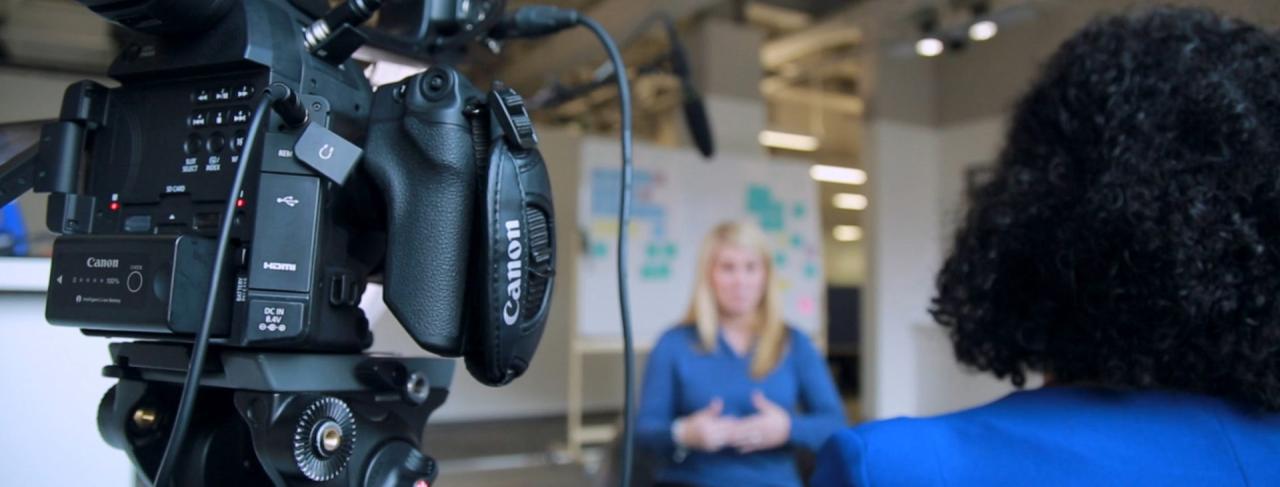
Video testimonials are powerful tools that leverage the authenticity and relatability of real customer experiences to build trust and credibility for a business. They offer a dynamic and engaging way to showcase customer satisfaction, moving beyond static text reviews to provide a human face and voice to positive feedback. This emotional connection can significantly influence purchasing decisions and foster stronger brand loyalty.The core value of video testimonials lies in their ability to provide social proof in a highly convincing format.
Potential customers often trust recommendations from peers more than direct marketing messages. By featuring satisfied clients, businesses can effectively demonstrate the tangible benefits and positive outcomes of their products or services, thereby reducing perceived risk and increasing conversion rates.
Key Business Objectives for Video Testimonials
Businesses strategically utilize video testimonials to achieve a variety of critical goals that contribute to growth and customer engagement. These objectives are designed to enhance marketing efforts, improve sales processes, and strengthen overall brand reputation.The primary objectives a business aims to achieve with video testimonials include:
- Boosting Credibility and Trust: Presenting genuine customer endorsements helps to validate claims and build confidence in potential buyers.
- Increasing Conversion Rates: By showcasing successful outcomes and customer satisfaction, video testimonials can persuade hesitant prospects to make a purchase.
- Enhancing Brand Reputation: Positive customer stories contribute to a favorable public image and differentiate the brand from competitors.
- Improving and Engagement: Video content generally leads to higher engagement rates on websites and social media, and can improve search engine rankings.
- Providing Authentic Product/Service Insights: Customers often highlight specific features or benefits that resonate more effectively than a company’s own marketing.
Target Audiences for Video Testimonials
The impact of video testimonials extends across various segments of a business’s audience, each benefiting in unique ways from the authentic perspectives shared. Understanding these audiences helps in tailoring testimonial content for maximum effectiveness.The different types of audiences that benefit from watching video testimonials include:
- Prospective Customers: These individuals are in the research or consideration phase of the buyer’s journey. They are looking for validation and reassurance that a product or service will meet their needs and deliver on its promises. Video testimonials provide this by showing real people who have already experienced success.
- Existing Customers: While seemingly counterintuitive, current customers can benefit from seeing how others are using and succeeding with the product or service. This can foster a sense of community, provide new ideas for utilization, and reinforce their decision to choose the brand, leading to increased loyalty and potential for upselling.
- Internal Stakeholders: Employees, investors, and partners can also gain value from video testimonials. For employees, it reinforces the company’s mission and the positive impact it has. For investors and partners, it serves as tangible evidence of market acceptance and business success.
- Marketing and Sales Teams: These teams can leverage video testimonials as highly effective sales collateral. They are invaluable for addressing common objections, personalizing sales conversations, and adding a layer of authenticity to pitches and presentations.
Planning Your Video Testimonial Strategy
Embarking on a video testimonial campaign requires a well-defined strategy to ensure your efforts yield impactful results. This phase is crucial for laying the groundwork, setting clear objectives, and anticipating potential challenges. A proactive approach to planning minimizes disruptions during filming and maximizes the quality and relevance of the testimonials you gather.A robust strategy involves a systematic, step-by-step process that guides you from the initial concept to the final production.
This includes identifying the right customers, understanding what makes a compelling testimonial, and preparing thoroughly to capture authentic and persuasive stories. By investing time in this planning stage, you establish a clear roadmap for success.
Designing a Step-by-Step Process for Planning a Video Testimonial Campaign
A structured approach to planning your video testimonial campaign ensures all critical elements are considered and executed efficiently. This methodical process helps in maximizing the impact of each testimonial and streamlining the entire production.
- Define Campaign Objectives: Clearly articulate what you aim to achieve with your video testimonials. Are you looking to increase brand awareness, drive sales, improve customer trust, or highlight specific product features?
- Identify Target Audience & Key Messages: Determine who you want to reach with these testimonials and what specific messages you want them to convey. This will influence the selection of customers and the direction of the testimonials.
- Select Ideal Testimonial Candidates: Choose customers who are enthusiastic about your product or service, have a clear success story, and can articulate their experience effectively. Look for diversity in your customer base to appeal to a broader audience.
- Artikel Testimonial Content & Structure: Decide on the narrative arc for each testimonial. Consider starting with the customer’s initial problem, how your solution addressed it, and the positive outcomes they experienced.
- Develop a Filming Schedule: Create a realistic timeline for the entire campaign, from initial outreach to final delivery. Factor in time for planning, scheduling interviews, filming, editing, and distribution.
- Allocate Budget and Resources: Determine the financial investment required for equipment, personnel, travel (if applicable), and editing. Ensure you have the necessary resources to execute your plan.
- Plan for Distribution: Think about where and how you will share your video testimonials. This could include your website, social media channels, email marketing, or advertising campaigns.
Essential Pre-Production Elements for Successful Shoots
Thorough pre-production is the bedrock of any successful video shoot, especially for testimonials. It ensures that when you’re on-site, you can focus on capturing authentic stories rather than scrambling for basic necessities. This phase involves meticulous planning of the environment, the interview flow, and the technical aspects.Effective pre-production minimizes on-set stress and maximizes the chances of obtaining high-quality, impactful footage.
It allows for a controlled environment where the focus remains squarely on the testimonial subject and their story.
Location Scouting and Setup
The environment where a testimonial is filmed significantly impacts its perceived authenticity and professionalism. A well-chosen location can enhance the narrative and create a more engaging viewing experience.
- Relevance to the Story: Whenever possible, film in a location that is relevant to the customer’s experience with your product or service. This could be their office, a workshop, or a place where they utilize your offering.
- Acoustics: Ensure the location has good acoustics, free from excessive background noise or echo. This is critical for clear audio capture, which is as important as visual quality.
- Lighting: Assess the natural and artificial lighting conditions. Aim for a well-lit space that flatters the subject and creates a professional look. Avoid harsh shadows or overly dark areas.
- Background: The background should be clean, uncluttered, and professional. It can subtly reinforce your brand or the context of the testimonial without being distracting.
- Power Access: Confirm availability of power outlets for equipment.
- Comfort: Ensure the space is comfortable for the interviewee, as they will be sitting or standing for a period.
Interview Question Development
Crafting the right questions is paramount to eliciting genuine and insightful responses from your testimonial subjects. The questions should guide the conversation naturally while ensuring you capture the key information needed to build a compelling narrative.
- Open-Ended Questions: Favor questions that encourage detailed answers rather than simple “yes” or “no” responses. For example, instead of “Did you like our service?”, ask “What was your experience like using our service?”.
- Focus on Pain Points and Solutions: Start by understanding the challenges the customer faced before using your product or service. Then, explore how your offering provided a solution.
- Quantifiable Results: Encourage the subject to share specific metrics or data that demonstrate the impact of your product or service. This adds credibility and makes the testimonial more persuasive.
- Emotional Connection: Ask questions that allow the subject to express their feelings and the overall satisfaction they have gained.
- Future Outlook: Inquire about their plans for continuing to use your product or service and their future expectations.
- Brand Association: Ask them to describe their experience with your brand and what makes it stand out.
Checklist of Necessary Equipment and Personnel for Filming
Having a comprehensive checklist for equipment and personnel ensures that your filming day runs smoothly and efficiently, allowing you to focus on capturing the best possible testimonials. This preparedness prevents last-minute rushes and potential technical issues.A well-equipped team and the right gear are essential for producing professional-quality video content that resonates with your audience.
Essential Equipment Checklist
This list covers the core equipment needed for a professional video testimonial shoot. Depending on your specific needs and budget, you may require additional items.
- Camera: A high-quality video camera capable of recording in at least 1080p resolution, preferably 4K.
- Lenses: A versatile range of lenses, such as a prime lens for shallow depth of field and a zoom lens for flexibility.
- Tripod: A sturdy tripod to ensure stable shots.
- Microphones: Professional microphones are crucial for clear audio. This includes lavalier microphones (clip-on), shotgun microphones, or a boom microphone setup.
- Audio Recorder: A dedicated audio recorder to capture high-fidelity sound.
- Lighting Kit: A basic lighting setup, including softboxes, LED panels, or reflectors, to ensure adequate and flattering illumination.
- Batteries and Chargers: Sufficient spare batteries for all equipment and chargers.
- Memory Cards: Plenty of high-capacity memory cards with adequate storage.
- Gaffer Tape: For securing cables and equipment.
- Clapboard/Slate: To help synchronize audio and video during editing.
- Extension Cords and Power Strips: To ensure all equipment can be powered.
- Monitor: A small field monitor can be helpful for reviewing shots and focus.
Key Personnel Roles
The right team ensures that each aspect of the filming process is handled expertly, from technical execution to directing the interview.
- Videographer/Cinematographer: Responsible for operating the camera, framing shots, and ensuring visual quality.
- Sound Recordist/Audio Engineer: Dedicated to capturing high-quality audio, managing microphones, and monitoring sound levels.
- Director/Interviewer: Guides the testimonial subject through the interview, asks questions, and ensures the narrative flows effectively.
- Producer: Oversees the entire production, manages logistics, schedules, and ensures the project stays on track and within budget.
- Gaffer/Grip (Optional): Assists with lighting setup and camera support if a more complex setup is required.
Creating a Script for Guiding Testimonial Recordings
While authenticity is key, a script or a detailed Artikel serves as a vital guide during testimonial recordings. It ensures that all essential points are covered and that the narrative flows logically, leading to a more impactful and cohesive final video. The script is not meant to be read verbatim but rather to structure the conversation and prompt key responses.A well-structured script acts as a roadmap for both the interviewer and the testimonial subject, ensuring that the recording captures the most compelling aspects of their experience.
Sample Testimonial Script Artikel
This Artikel provides a framework that can be adapted to your specific product or service and the individual testimonial.
Introduction (Interviewer):
“Thank you for taking the time to share your experience with [Your Company/Product Name]. We’re excited to hear about how we’ve helped you.”
Section 1: The Challenge/Problem (Interviewer prompts the subject):
- “Before using [Your Company/Product Name], what were some of the main challenges you were facing in [specific area]?”
- “Can you describe a typical day or situation where this challenge was most apparent?”
- “What were you hoping to achieve or improve?”
Section 2: Discovering the Solution (Interviewer prompts the subject):
- “How did you come across [Your Company/Product Name]?”
- “What made you decide to try our [product/service]?”
- “What were your initial expectations when you started using it?”
Section 3: The Experience and Results (Interviewer prompts the subject):
- “Now that you’ve been using [Your Company/Product Name], what has been your experience?”
- “Can you give us a specific example of how [Your Company/Product Name] has helped you overcome [mention specific challenge]?”
- “What tangible results have you seen since implementing our solution? (e.g., increased efficiency, cost savings, improved customer satisfaction, time saved)”
- “Could you quantify these results if possible? (e.g., ‘we saw a 20% increase in sales’, ‘we reduced our processing time by 3 hours per week’)”
- “How has [Your Company/Product Name] impacted your business or personal goals?”
Section 4: Overall Satisfaction and Recommendation (Interviewer prompts the subject):
- “On a scale of 1 to 10, how satisfied are you with [Your Company/Product Name]?”
- “What do you like most about working with [Your Company Name] or using our [product/service]?”
- “Would you recommend [Your Company/Product Name] to others? If so, who do you think would benefit most from it?”
- “Is there anything else you’d like to add about your experience?”
Closing (Interviewer):
“Thank you again for sharing your valuable insights. Your feedback is greatly appreciated.”
Identifying and Selecting the Right Participants
Choosing the right customers to feature in your video testimonials is paramount to their success. These individuals are not just endorsing your product or service; they are becoming the face of your brand’s promise. A well-chosen participant can resonate deeply with potential customers, building trust and credibility far more effectively than polished marketing copy. Conversely, an unsuitable participant can inadvertently undermine your message.
Therefore, a strategic approach to identification and selection is essential.The ideal participant is someone who genuinely loves your product or service and can articulate their positive experience clearly and authentically. They should be comfortable speaking in front of a camera, or at least willing to try with a little guidance. Beyond enthusiasm, consider their ability to tell a story – how your offering solved a problem, improved their situation, or exceeded their expectations.
This narrative quality is what transforms a simple endorsement into a compelling testimonial.
Criteria for Selecting Compelling Participants
When evaluating potential participants, focus on a combination of genuine satisfaction, communication skills, and alignment with your brand’s values. These elements work together to create a testimonial that is both believable and impactful.
- Genuine Enthusiasm and Satisfaction: Look for customers who actively express their positive experiences, perhaps through unsolicited feedback, glowing reviews, or enthusiastic social media posts. Their passion should be palpable.
- Clear Articulation of Value: The participant should be able to clearly explain
-why* they are satisfied. This means identifying the specific benefits they’ve received and how your product or service has made a tangible difference in their lives or businesses. - Relatability to Target Audience: Consider whether the participant’s profile (industry, role, challenges, demographics) aligns with your ideal customer. A testimonial from someone who your prospects can see themselves in will be more persuasive.
- Storytelling Ability: While not all participants need to be professional actors, the ability to weave a narrative around their experience is highly valuable. This involves explaining the “before” (the problem), the “during” (using your solution), and the “after” (the positive outcome).
- Comfort with the Camera: While some nervousness is natural, extreme discomfort can detract from the testimonial. Assess their willingness to participate and their general demeanor.
- Brand Alignment: Ensure the participant’s public persona and values are consistent with your brand’s image and message.
Approaching Potential Participants and Securing Agreement
The initial outreach and the process of securing agreement are critical steps. A respectful, clear, and appreciative approach can significantly increase your chances of success. It’s important to make the process as easy and rewarding as possible for the customer.Consider these methods for identifying and contacting potential participants:
- Direct Outreach to Loyal Customers: Regularly engage with your most active and satisfied customers. Monitor your CRM for clients who have consistently high satisfaction scores or have been with you for a long time.
- Reviewing Feedback Channels: Scour your customer feedback forms, online reviews (e.g., Google, G2, Capterra), social media mentions, and support tickets for positive comments and detailed success stories.
- In-Person or On-Call Conversations: During regular check-ins or sales calls, actively listen for opportunities to ask customers about their experience and if they’d be open to sharing it more formally.
When approaching them, be transparent and enthusiastic:
- Personalized Outreach: Send a personalized email or make a phone call. Reference specific positive feedback they may have given or highlight their success with your product.
- Clearly State the Purpose: Explain that you are creating a video testimonial to showcase real customer success and how their story could inspire others.
- Artikel the Benefits for Them: While the primary benefit is often brand exposure and recognition, you might also offer exclusive access to new features, a small thank-you gift, or even a charitable donation in their name.
- Manage Expectations: Be upfront about the time commitment, the process, and what will be involved in the filming.
- Provide a Clear Call to Action: Ask if they would be open to a brief chat to discuss the possibility further.
Preparing Participants for Their On-Camera Appearance
Effective preparation is key to ensuring your participants feel confident and deliver a natural, compelling performance. This involves more than just showing up; it’s about guiding them to showcase their best selves and their authentic experience.Here are some ways to prepare participants:
- Share a Clear Brief: Provide a document that Artikels the goals of the testimonial, the key messages you hope to convey, and the general flow of the interview. This helps them understand the context and what to focus on.
- Suggest Talking Points: Offer a list of questions or themes they might want to cover. Frame these as prompts rather than strict scripts. For example, instead of “Say X,” use “Think about a time when [problem] was a significant challenge.”
- Conduct a Pre-Interview Call: A brief conversation a few days before filming can help ease nerves, clarify any questions, and allow them to practice articulating their thoughts. This also gives you a sense of their comfort level.
- Provide Styling and Wardrobe Advice: Recommend solid, neutral-colored clothing that avoids busy patterns or distracting logos. Advise them to dress professionally but comfortably, reflecting their usual attire when appropriate.
- Explain the Filming Process: Let them know what to expect on the day of the shoot – where they will be, who will be present, and the general duration. Reassure them that the crew will guide them through every step.
- Encourage Authenticity: Remind them that you want their genuine experience and their own words. It’s okay to be themselves; that’s what makes the testimonial powerful.
- Offer a “Rehearsal” on Set: Before diving into the actual recording, conduct a short, informal run-through of a few questions to help them get comfortable with the camera and the environment.
“Authenticity is the foundation of trust. A genuine customer voice, delivered with passion, is your most powerful marketing asset.”
Crafting Effective Interview Questions
The foundation of a compelling video testimonial lies in the questions you ask. Well-crafted questions go beyond surface-level inquiries, tapping into the participant’s genuine experiences, emotions, and the tangible impact your product or service has had on their lives or businesses. The goal is to move from simple statements of satisfaction to rich narratives that resonate with potential customers.Effective questions are designed to be open-ended, encouraging participants to elaborate and share their unique stories.
They should prompt reflection and provide opportunities for emotional connection, allowing viewers to see themselves in the testimonial. This section will guide you through developing a question set that elicits authentic and insightful responses.
Developing a Core Set of Impactful Questions
A strong set of interview questions serves as a roadmap for the testimonial, ensuring you cover key areas while leaving room for spontaneous and genuine responses. These questions aim to uncover the “before and after” narrative, highlighting the problem the participant faced and how your offering provided a solution.Here are some impactful questions designed to elicit genuine and insightful responses:
- “Could you describe the challenge or problem you were facing before you discovered [Your Product/Service]?”
- “What were your initial thoughts or concerns when you first considered using [Your Product/Service]?”
- “Can you walk us through your experience using [Your Product/Service]?”
- “What specific results or benefits have you seen since implementing [Your Product/Service]?”
- “How has [Your Product/Service] impacted your daily operations/life/business?”
- “What would you tell someone who is currently facing a similar challenge to yours?”
- “Is there a particular moment or feature of [Your Product/Service] that stands out to you?”
Framing Questions for Storytelling and Emotional Connection
The way you phrase a question can significantly influence the depth and emotional resonance of the answer. Questions that encourage storytelling invite participants to share their journey, including their feelings and experiences, which fosters a stronger connection with the audience.Techniques for framing questions to encourage storytelling and emotional connection include:
- Focus on personal experiences: Instead of asking “Did it work?”, ask “What was your experience like when you first started using it?”
- Use evocative language: Incorporate words that prompt sensory details or emotional recall, such as “Imagine,” “Describe the feeling,” or “What was the turning point?”
- Prompt for specific examples: Ask for concrete instances that illustrate the benefits, like “Can you share a specific situation where [Your Product/Service] made a significant difference?”
- Encourage reflection on impact: Questions like “How has your perspective changed since using [Your Product/Service]?” can lead to deeper insights.
- Inquire about the “why”: Understanding the underlying motivation or the “why” behind their satisfaction adds a layer of authenticity. For example, “What motivated you to seek out a solution like ours?”
Techniques for Asking Follow-Up Questions
Follow-up questions are crucial for digging deeper into a participant’s initial response, uncovering nuances, and building a more comprehensive narrative. They demonstrate active listening and encourage the participant to elaborate, often leading to the most valuable insights.Effective techniques for asking follow-up questions to deepen the narrative include:
- Clarification: “Could you explain that a little more?” or “When you say [specific term], what do you mean by that?”
- Probing for detail: “Can you give me an example of that?” or “What happened next?”
- Exploring emotions: “How did that make you feel?” or “What was going through your mind at that moment?”
- Uncovering the “how”: “How did you overcome that obstacle?” or “How did you implement that feature?”
- Seeking future outlook: “What are your plans now that you’ve achieved this?” or “What do you see for the future with [Your Product/Service]?”
Comparing Different Questioning Styles for Varied Testimonial Outcomes
The approach to questioning can shape the overall tone and effectiveness of a testimonial. Different styles can cater to various participant personalities and desired outcomes, from highly emotional narratives to data-driven endorsements.Here’s a comparison of different questioning styles:
| Questioning Style | Description | Typical Outcome | Best For |
|---|---|---|---|
| Narrative-Driven | Focuses on open-ended questions that encourage the participant to tell a story, emphasizing their journey and emotional arc. | Emotional, relatable, and memorable testimonials that highlight personal transformation. | Building brand advocacy, connecting with an audience on an emotional level, showcasing the human impact of your offering. |
| Problem/Solution Focused | Directly addresses the pain points the participant experienced and how your product or service provided a solution. | Clear, concise, and benefit-oriented testimonials that directly address viewer concerns. | Highlighting specific features and benefits, overcoming common objections, appealing to a practical audience. |
| Impact & Results Oriented | Emphasizes quantifiable achievements, measurable outcomes, and the tangible business or personal growth experienced. | Credible, data-backed testimonials that demonstrate ROI and effectiveness. | B2B testimonials, showcasing significant business improvements, appealing to data-driven decision-makers. |
| Situational/Scenario-Based | Asks participants to describe how they would use or have used the product/service in specific, real-world scenarios. | Practical, educational testimonials that show the product in action and its versatility. | Demonstrating complex features, showing ease of use, targeting specific use cases. |
Filming Techniques for Authentic Footage
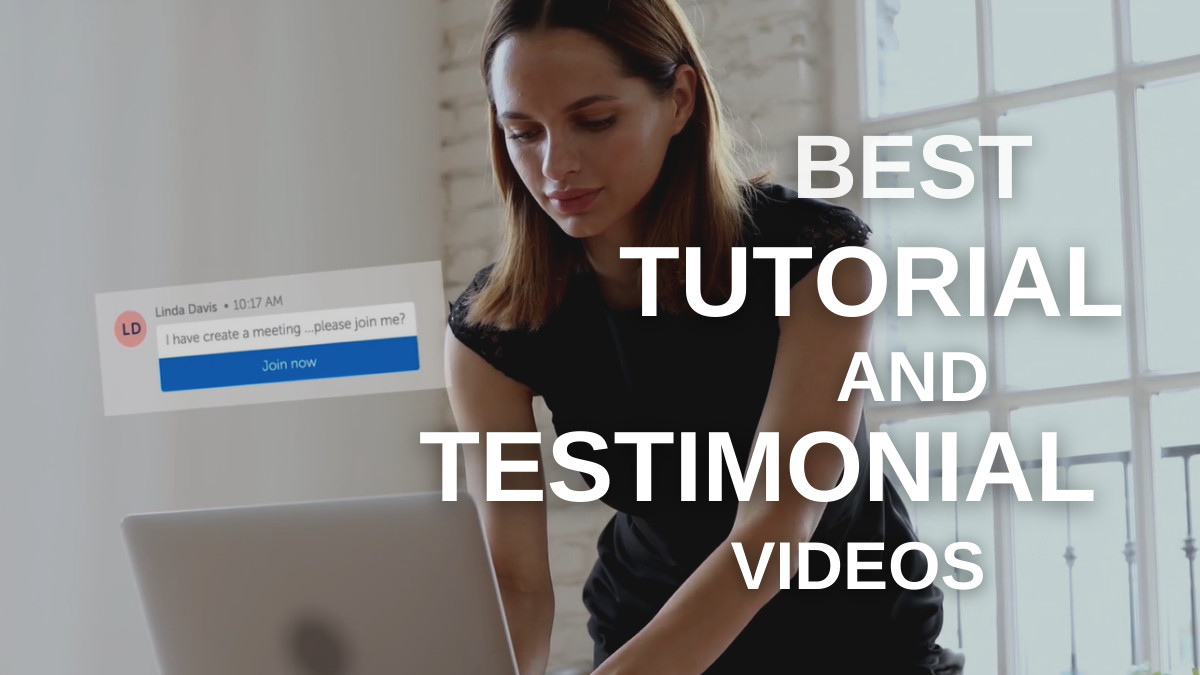
Capturing genuine and impactful video testimonials requires a thoughtful approach to filming. The goal is to create an environment where your participants feel at ease, allowing their authentic experiences and emotions to shine through. This section delves into the essential filming techniques that contribute to professional quality and enhance the storytelling power of your testimonials.Achieving professional-looking footage is a combination of technical execution and creating a conducive atmosphere.
By focusing on lighting, sound, camera work, and the participant’s comfort, you can ensure your testimonials are not only visually appealing but also deeply resonant with your audience.
Lighting for Professional Quality
Effective lighting is paramount in creating a professional and engaging visual experience. Proper lighting can eliminate harsh shadows, flatter the subject, and establish a mood that complements the testimonial’s message.Here are key considerations for achieving optimal lighting:
- Natural Light: Whenever possible, utilize natural light from a window. Position the participant so they are facing the light source, avoiding direct sunlight which can cause harshness. Diffusing the light with sheer curtains or a diffuser can soften it further.
- Three-Point Lighting: This is a standard technique that provides balanced illumination. It involves:
- Key Light: The primary light source, typically placed at a 45-degree angle to the subject and slightly above eye level.
- Fill Light: Placed on the opposite side of the key light, it softens shadows created by the key light. Its intensity should be lower than the key light.
- Backlight (or Hair Light): Positioned behind the subject, it separates them from the background and adds a subtle rim of light, giving a sense of depth.
- Avoid Overhead Lighting: Direct overhead lights can create unflattering shadows under the eyes and nose. If using artificial lights, aim for softer, diffused sources.
- Consistent Lighting: Ensure the lighting remains consistent throughout the interview. Avoid significant changes in light intensity or color temperature, which can be distracting.
Sound Recording for Clarity
Clear and crisp audio is as important, if not more so, than high-quality video. Poor audio can quickly disengage viewers, regardless of how well the video is shot. Investing in good audio equipment and techniques is crucial for a professional testimonial.To ensure excellent sound quality:
- External Microphones: Rely on external microphones rather than your camera’s built-in mic. Lavalier (lapel) microphones are excellent for interviews as they can be discreetly attached to the participant’s clothing, capturing clear voice audio. Shotgun microphones can also be effective when placed close to the subject.
- Minimize Background Noise: Choose a quiet filming location. Turn off any appliances that might produce noise (air conditioning, refrigerators, fans). Inform others in the vicinity that filming is taking place to minimize disruptions.
- Mic Placement: Position microphones correctly. For lavalier mics, place them on the sternum area, away from clothing rustle. For shotgun mics, aim them directly at the speaker’s mouth.
- Sound Check: Always conduct a thorough sound check before filming. Record a few minutes of dialogue and listen back with headphones to identify any issues like background hum, echo, or clipping.
- Record Room Tone: Capture a minute or two of silence in the filming environment. This “room tone” can be used in post-production to fill gaps or smooth out audio transitions.
Camera Angles and Shot Compositions
The way you frame your subject and compose your shots significantly impacts the viewer’s perception and engagement. Strategic camera angles and compositions can convey authority, sincerity, and build a connection between the participant and the audience.Consider these best practices for camera work:
- Eye-Level Shots: The most common and natural-feeling angle is at eye level with the participant. This fosters a sense of direct communication and equality.
- Rule of Thirds: Imagine your frame divided into a 3×3 grid. Placing the participant’s eyes or face along the intersecting lines or at the intersections can create a more dynamic and visually pleasing composition.
- Headroom and Looking Room: Ensure adequate headroom so the participant’s head isn’t touching the top of the frame. Provide “looking room” – space in the direction the participant is looking, especially if they are addressing someone off-camera or looking towards a future point.
- Varying Shots: While a medium shot is standard for interviews, incorporating other shots can add visual interest. A close-up can emphasize emotion, while a wider shot can establish context. However, avoid excessive camera movement during the interview itself, as it can be distracting.
- Consistent Framing: Maintain consistent framing for the primary interview shots. If using multiple cameras, ensure the framing remains similar to avoid jarring cuts.
Creating a Comfortable Environment
A participant’s comfort level directly influences the authenticity and naturalness of their testimonial. When individuals feel relaxed and at ease, they are more likely to speak openly and genuinely.Implement these strategies to foster a comfortable atmosphere:
- Pre-Interview Chat: Spend a few minutes chatting with the participant before you start rolling. Discuss their day, common interests, or anything that helps break the ice. This builds rapport and reduces nervousness.
- Familiar Surroundings: If possible, film in a location that is familiar and comfortable for the participant. This could be their office, a favorite spot in their home, or a place relevant to their experience.
- Explain the Process: Clearly explain what will happen during the filming. Let them know how long it will take, what kind of questions you’ll ask, and that they can take breaks if needed. Reassure them that there are no “wrong” answers.
- Offer Refreshments: Providing water or other non-caffeinated beverages can help keep participants hydrated and relaxed.
- Positive Reinforcement: Offer genuine encouragement and positive feedback during and after their responses. A simple “That’s a great point” or “Thank you for sharing that” can go a long way.
Capturing B-roll Footage
B-roll footage, or supplementary footage, is essential for enriching the narrative of your video testimonial. It provides visual context, illustrates the points being made, and breaks up the monotony of a single talking head.Here’s how to effectively capture B-roll:
- Illustrative Shots: Film footage that visually represents what the participant is discussing. For example, if they mention a specific product, film shots of that product in use. If they talk about a process, show that process in action.
- Environmental Shots: Capture establishing shots of the location where the testimonial is being filmed, or shots of the participant’s workplace, their team collaborating, or relevant landmarks.
- Action Shots: If the testimonial is about a service or product, show people interacting with it, using it, or benefiting from it. This adds dynamism and real-world application.
- Detail Shots: Close-ups of relevant objects, documents, or interfaces can add visual interest and highlight specific points.
- Generic Shots: Sometimes, generic shots of people working, collaborating, or smiling can be used to evoke a general sense of success, productivity, or happiness, depending on the testimonial’s theme.
- Plan Your B-roll: Before filming, create a list of B-roll shots that would complement the interview questions. This ensures you don’t miss opportunities.
Editing and Post-Production for Impact
Once you have captured authentic footage of your video testimonials, the crucial next step is to transform this raw material into a polished and impactful final product. Effective editing is where the narrative truly takes shape, ensuring your testimonials resonate with viewers and achieve their intended purpose. This phase involves meticulously organizing clips, enhancing the visual and auditory experience, and optimizing the video for maximum engagement and accessibility.
Distributing and Promoting Your Video Testimonials

Once you’ve meticulously crafted and polished your video testimonials, the next crucial step is to ensure they reach the right audience. Effective distribution and promotion are key to maximizing their impact and leveraging the powerful social proof they offer. This involves a strategic approach to sharing across various digital channels, integrating them seamlessly into your marketing efforts, and actively working to increase their visibility.
Sharing Testimonials Across Digital Platforms
A well-planned distribution strategy ensures your video testimonials are seen by as many potential customers as possible, across the platforms they frequent. This requires a multi-channel approach, tailoring the content and its presentation to suit each platform’s unique characteristics.
Consider the following key platforms for sharing:
- Your Website: This is your primary owned media, offering the most control over presentation and user experience.
- Social Media: Platforms like YouTube, Facebook, Instagram, LinkedIn, and even TikTok offer vast reach and engagement opportunities.
- Email Marketing: Directly engage your audience with personalized messages featuring testimonials.
- Paid Advertising: Amplify your reach and target specific demographics with paid social media ads or search engine marketing.
- Third-Party Review Sites: If applicable, encourage customers to share their video testimonials on platforms like Trustpilot, G2, or Capterra.
Embedding Testimonials on Websites and Landing Pages
Integrating video testimonials directly into your website and landing pages is a highly effective way to build trust and convert visitors into customers. These placements should be strategic, appearing where they can have the most influence on a user’s decision-making process.
Here are some effective embedding strategies:
- Homepage: Feature a prominent testimonial or a carousel of snippets to immediately establish credibility.
- Product/Service Pages: Place testimonials directly on pages detailing specific offerings, showing real-world success with those items. For example, a SaaS company might embed a testimonial video on its pricing page, highlighting how a client achieved significant ROI using their software.
- Dedicated Testimonial Page: Create a comprehensive page showcasing all your video testimonials, categorized by industry, product, or outcome.
- Landing Pages: For specific campaigns, embed relevant testimonials to reinforce your value proposition and reduce friction for conversion. A landing page for a webinar might feature a testimonial from a past attendee who found immense value in the content.
- About Us Page: Reinforce your company’s mission and values by showcasing customer success stories.
Leveraging Testimonials in Email Marketing Campaigns
Email marketing remains a powerful tool for direct customer engagement. Incorporating video testimonials into your campaigns can significantly boost open rates, click-through rates, and conversions by adding a personal and compelling element.
Effective methods for using testimonials in emails include:
- Direct Embedding (Thumbnail with Link): Include a compelling thumbnail of the video in your email, with a clear call-to-action (e.g., “Watch [Customer Name]’s Success Story”). Clicking the thumbnail should lead to the full video, either hosted on your site or a platform like YouTube.
- Snippet Inclusion: For shorter emails, embed a short, impactful quote from the testimonial, accompanied by a link to the full video.
- Dedicated Testimonial Emails: Send out emails specifically focused on showcasing a particular testimonial or a collection of them, perhaps highlighting a recent success or a common pain point addressed.
- Post-Purchase/Onboarding Emails: After a customer makes a purchase or completes onboarding, send them a testimonial video that reinforces their decision and showcases what’s possible with your product or service.
- Nurture Sequences: Integrate testimonial videos into your lead nurturing workflows to address potential objections and build confidence at various stages of the buyer’s journey.
Promotional Tactics for Maximizing Testimonial Visibility
Simply uploading a testimonial video isn’t enough; active promotion is essential to ensure it gains traction and reaches its intended audience. A multi-faceted promotional approach will significantly enhance its visibility and impact.
Here’s a comparison of different promotional tactics:
| Tactic | Description | Pros | Cons | Best For |
|---|---|---|---|---|
| Organic Social Media Posting | Sharing testimonial clips, snippets, or full videos on your social media profiles. | Cost-effective, builds community engagement, broad reach. | Algorithm-dependent reach, can be time-consuming to create engaging posts. | Regular engagement, building brand loyalty, reaching existing followers. |
| Paid Social Media Advertising | Boosting testimonial posts or running targeted ad campaigns on platforms like Facebook, Instagram, or LinkedIn. | Precise audience targeting, guaranteed reach, measurable results. | Requires budget, can be competitive, requires ad creative optimization. | Reaching new, highly specific audiences, driving conversions for specific offers. |
| YouTube Optimization | Uploading full testimonials to YouTube with relevant s, descriptions, and tags. | High search visibility, long-term content asset, can be embedded elsewhere. | Requires understanding of YouTube , can be a crowded platform. | Building a video library, capturing search traffic, evergreen content. |
| Influencer Collaboration | Partnering with relevant influencers to share your testimonial videos with their audience. | Access to established audiences, credibility transfer, high engagement potential. | Can be expensive, requires careful influencer selection, potential for inauthentic promotion. | Reaching niche audiences, building rapid awareness, leveraging trusted voices. |
| Public Relations & Outreach | Pitching compelling customer success stories featuring video testimonials to relevant media outlets or industry publications. | High credibility, broad reach through earned media, potential for significant brand exposure. | Difficult to secure coverage, requires strong storytelling and pitching skills. | Establishing thought leadership, generating significant buzz, reaching a professional audience. |
Measuring the Effectiveness of Video Testimonials

Once you’ve invested time and resources into creating compelling video testimonials, it’s crucial to understand their actual impact. Measuring effectiveness allows you to refine your strategy, allocate resources efficiently, and demonstrate the value of your marketing efforts. This section will guide you through the essential steps of tracking and analyzing your video testimonial performance.
Key Performance Indicators for Testimonial Campaigns
To gauge the success of your video testimonial campaigns, it’s important to define and track specific Key Performance Indicators (KPIs). These metrics provide quantifiable data that reflects how well your testimonials are performing against your objectives.Here are some essential KPIs to consider:
- View Count: The total number of times your video testimonials have been watched. This is a foundational metric indicating reach.
- Watch Time/Audience Retention: The average duration viewers spend watching your testimonials. Higher watch times suggest greater engagement and interest.
- Click-Through Rate (CTR): If your testimonials include calls-to-action (CTAs), CTR measures the percentage of viewers who click on those links, indicating a desire to learn more or take a specific action.
- Conversion Rate: The percentage of viewers who complete a desired action (e.g., making a purchase, signing up for a newsletter, requesting a demo) after watching a testimonial. This is a direct measure of business impact.
- Social Shares and Engagement: The number of times testimonials are shared on social media, along with likes, comments, and reactions. This indicates audience resonance and virality.
- Lead Generation: The number of new leads generated directly from campaigns featuring video testimonials.
- Customer Acquisition Cost (CAC) Reduction: Comparing the CAC for customers acquired through testimonial-driven channels versus other channels.
- Website Traffic from Testimonial Pages: Monitoring the increase in website visits to pages featuring testimonials or pages linked from testimonial content.
Analyzing Viewer Engagement Metrics
Understanding how viewers interact with your video testimonials goes beyond just counting views. Analyzing engagement metrics provides deeper insights into what resonates with your audience and where improvements can be made.Key engagement metrics to analyze include:
- Audience Retention Graph: Most video hosting platforms provide a graph showing where viewers drop off. Identifying these points helps pinpoint parts of the testimonial that might be less engaging.
- Average View Duration: This metric tells you, on average, how much of your video people are watching. A higher average view duration suggests compelling content.
- Playback Starts vs. Completions: Comparing how many people start watching versus how many finish provides a clear picture of initial interest and sustained engagement.
- Engagement Rate on Social Media: For testimonials shared on social platforms, track likes, comments, shares, and saves relative to the number of impressions or views.
- Heatmaps (if applicable): For embedded videos on your website, heatmaps can show where viewers’ eyes focus, indicating interest in specific visuals or on-screen text.
Correlating Testimonial Viewership with Business Outcomes
The ultimate goal of any marketing effort is to drive business results. It’s essential to establish a clear link between the viewership and engagement of your video testimonials and tangible business outcomes.Methods for correlation include:
- Attribution Modeling: Implement attribution models (e.g., first-touch, last-touch, linear) in your analytics tools to understand how video testimonials contribute to conversions at different stages of the customer journey. For instance, if a significant number of high-value customers recall seeing a testimonial before their purchase, it indicates a strong correlation.
- Dedicated Landing Pages: Create specific landing pages for testimonial campaigns or link testimonials directly to product/service pages. Track conversions originating from these pages.
- Unique Promo Codes/Offers: Distribute unique discount codes or special offers within or alongside your video testimonials. Track the redemption rates of these codes.
- A/B Testing: Compare conversion rates on pages that feature video testimonials against similar pages without them, or test different testimonial formats to see which performs better. For example, a company might test two versions of a product page: one with a customer video testimonial and one without. If the page with the testimonial shows a higher add-to-cart rate, it demonstrates a positive correlation.
- CRM Integration: Integrate your video analytics with your Customer Relationship Management (CRM) system. This allows you to track which leads or customers have viewed testimonials and their subsequent interactions and purchases.
Gathering Feedback on Testimonial Impact
Quantitative data is vital, but qualitative feedback provides context and deeper understanding of how your video testimonials are perceived and influencing your audience.Ways to gather feedback include:
- Post-Purchase Surveys: Include questions in your customer surveys asking about the influence of testimonials on their decision-making process.
- Direct Outreach: Contact viewers who have engaged significantly with your testimonials (e.g., watched multiple videos, shared them) to ask for their thoughts.
- Social Media Monitoring: Actively monitor comments and mentions on social media related to your video testimonials.
- Website Feedback Forms: Implement feedback widgets on pages featuring testimonials, prompting visitors to share their opinions.
- Sales Team Feedback: Regularly solicit feedback from your sales team regarding how often customers mention testimonials or how they perceive their impact during sales conversations.
Wrap-Up
In essence, mastering the art of creating compelling video testimonials is a strategic imperative for modern businesses. By carefully planning, thoughtfully engaging with customers, and executing with professional skill, you can unlock a potent marketing asset. This guide has provided a robust framework to ensure your video testimonials not only resonate with potential clients but also drive tangible business growth, transforming satisfied customers into your most influential storytellers.