Embarking on the journey of creating a successful video channel begins with a crucial first step: selecting the perfect niche. This foundational decision significantly impacts your content’s reach, audience engagement, and long-term viability. Understanding how to align your passions with market demand and identify a unique perspective is paramount to carving out a distinct space in the digital landscape.
This guide will walk you through a comprehensive process, from exploring your innate interests and expertise to meticulously researching audience needs and monetization potential. We will delve into the art of finding a unique angle, testing your chosen area, and establishing practical content creation workflows, all while keeping your target viewer and future growth firmly in mind.
Understanding Your Passions and Expertise
Choosing a niche for your video channel is a pivotal step, and at its core lies the fundamental principle of aligning your content with what genuinely excites and engages you. This alignment is not merely about personal enjoyment; it’s a strategic imperative that fuels long-term motivation, authenticity, and ultimately, audience connection. When you’re passionate about a topic, your enthusiasm is palpable, making your videos more compelling and your journey as a creator more sustainable.This section delves into the crucial process of self-discovery, guiding you to identify the unique blend of interests, skills, and knowledge that can form the bedrock of a successful YouTube channel.
By thoroughly exploring your inner landscape, you can unearth the perfect niche that resonates with both your personal fulfillment and your audience’s interests.
Identifying Unique Skills and Knowledge
Your individual journey has equipped you with a distinct set of abilities and a reservoir of information that sets you apart. Recognizing and articulating these unique assets is paramount to carving out a memorable niche. Think beyond formal qualifications; consider the practical skills you’ve acquired through hobbies, personal projects, or even overcoming challenges.To effectively identify these strengths, consider the following methods:
- Reflect on daily activities: What do you naturally gravitate towards? What problems do you enjoy solving for yourself or others?
- Seek external feedback: Ask friends, family, or colleagues what they perceive as your strengths or what they frequently come to you for advice on.
- Analyze past projects: Review personal or professional projects where you excelled. What specific skills did you utilize and enjoy using?
- Consider your learning process: What subjects do you find yourself researching and learning about in your free time? This often indicates a deep-seated interest and potential expertise.
Brainstorming Potential Content Areas
Once you have a clearer understanding of your passions and expertise, the next step is to translate these insights into concrete content ideas. A comprehensive brainstorming process will help you explore the full spectrum of possibilities, ensuring you don’t overlook promising avenues. This involves thinking broadly and then progressively narrowing down your focus.To facilitate a thorough brainstorming session, engage in the following activities:
- Mind Mapping: Start with a central theme (e.g., “cooking”) and branch out with related s (e.g., “baking,” “vegan recipes,” “budget meals,” “international cuisine”).
- Research (initial): Use free tools like Google Trends or YouTube’s search bar to see what related terms people are actively searching for. This can reveal underserved areas or popular angles.
- Competitor Analysis (light): Observe what successful channels in your potential areas are doing, not to copy, but to understand audience engagement and content formats.
- “If I had unlimited time…” exercise: Imagine you could create videos on absolutely anything you wanted, without constraints. List every single idea that comes to mind.
The goal here is to generate a wide array of potential topics, from the highly specific to the more general, creating a rich pool from which to select your niche.
Examples of Successful Hobby-Based Channels
The digital landscape is replete with individuals who have transformed their personal interests and hobbies into thriving video channels, demonstrating the viability of passion-driven content. These creators often find that their genuine enthusiasm translates into authentic connections with their audience, fostering loyalty and growth.Consider these illustrative examples:
- Mark Rober (Science & Engineering): A former NASA engineer, Rober’s channel focuses on elaborate science experiments and engineering projects, often with a playful and educational twist. His background provides a strong foundation of expertise, while his evident passion for discovery captivates viewers.
- Binging with Babish (Culinary): Andrew Rea recreates iconic dishes from movies and TV shows, blending his culinary skills with a deep appreciation for pop culture. The channel’s success lies in its unique premise, high-quality production, and the host’s relatable personality.
- Primitive Technology (Bushcraft & Survival): This channel features a creator who builds tools, shelters, and other items from scratch in a remote wilderness setting, using only natural materials and ancient techniques. The appeal is in the raw demonstration of skill, the meditative pace, and the educational aspect of survival knowledge.
These creators exemplify how a deep-seated interest, coupled with consistent effort and a unique perspective, can lead to significant success on platforms like YouTube.
Researching Market Demand and Audience

Once you have a foundational understanding of your personal interests and expertise, the next crucial step is to validate these ideas against the realities of the online video landscape. This involves a thorough examination of what the market wants and who your potential audience might be. Ignoring this phase can lead to creating content that, while personally fulfilling, may not find a receptive audience, hindering your channel’s growth.This section will guide you through the essential research processes needed to ensure your chosen niche has viable demand and a clear audience to target.
By employing these strategies, you can move forward with confidence, knowing your efforts are aligned with viewer interests and market potential.
Identifying Popular Video Topics and Trends
Understanding what resonates with viewers is paramount to building a successful video channel. This involves actively observing and analyzing content that is currently gaining traction across various platforms. By identifying these popular topics and emerging trends, you can position your channel to tap into existing viewer interest and potentially even anticipate future demand.Several methods can be employed to effectively uncover these trends:
- Platform Exploration: Regularly browse the “trending” or “explore” sections of major video platforms like YouTube, TikTok, and Instagram. Pay attention to the categories and specific videos that consistently appear.
- Community Engagement: Participate in online forums, subreddits, and social media groups related to your potential niche. Observe the discussions, questions, and content that generate the most engagement.
- Analysis Tools: Utilize tools such as Google Trends, YouTube’s search suggestions, and specialized software to identify s with high search volume and increasing interest.
- Influencer Observation: Study successful content creators within your target areas. Analyze their most popular videos, the topics they cover, and how they present their content.
- News and Industry Publications: Stay informed about broader cultural shifts, technological advancements, and industry-specific news that might influence video content creation.
For instance, a surge in interest around sustainable living might lead to an increase in DIY eco-friendly product tutorials, zero-waste cooking demonstrations, or reviews of sustainable brands. Similarly, advancements in AI could fuel a trend of explainer videos on new AI tools or discussions about AI’s societal impact.
Assessing Potential Viewer Group Size and Engagement
Determining the potential audience size and their level of engagement is critical for understanding the viability of your niche. A large audience is attractive, but an engaged audience is more likely to become loyal subscribers and advocates for your channel. This assessment helps you gauge the potential for growth and the likelihood of building a community around your content.Techniques for assessing audience size and engagement include:
- YouTube Analytics (for existing channels): If you are exploring a niche where other channels already exist, examine their subscriber counts, average view counts per video, and audience retention rates. This provides a direct indicator of audience interest and engagement.
- Social Media Listening: Monitor discussions and hashtags related to your niche on platforms like Twitter, Facebook, and Reddit. The volume and sentiment of these conversations can indicate audience size and passion.
- Search Volume: As mentioned previously, tools like Google Planner and TubeBuddy can provide estimates of monthly search volumes for relevant s, giving an idea of the number of people actively looking for information on your topic.
- Audience Demographics: Where available through platform analytics or third-party tools, investigate the age, location, and interests of existing audiences within your niche. This helps confirm if your target demographic is active and reachable.
- Engagement Metrics: Look beyond view counts. Analyze like-to-dislike ratios, comment sections, and shares. High comment activity and shares often signify a highly engaged audience that is passionate about the subject matter.
For example, a niche like “vintage watch restoration” might not have millions of searches per month, but the detailed discussions in forums and the passionate comments on specialized YouTube channels indicate a highly engaged and dedicated, albeit smaller, audience. Conversely, a topic with immense search volume but very few comments or shares might suggest passive consumption rather than active interest.
Evaluating Competition within a Chosen Subject Area
Competition is a natural part of any popular niche, but understanding its nature and intensity is vital. High competition isn’t necessarily a deterrent; it can often signify a strong market demand. The key is to identify how you can differentiate yourself and offer a unique value proposition.The evaluation of competition involves several key considerations:
- Number of Creators: Assess how many channels are actively producing content in your chosen niche. A saturated market might require a more specialized sub-niche or a unique content approach.
- Quality of Existing Content: Analyze the production quality, depth of information, and presentation style of your competitors. Are they producing high-quality, informative videos, or is there room for improvement?
- Audience Reception of Competitors: Examine the comments and engagement on competitor videos. Are viewers satisfied, or are they asking for more information or different perspectives? This can highlight unmet needs.
- Creator’s Unique Selling Proposition (USP): Identify what makes existing successful channels stand out. Do they have a charismatic personality, a unique editing style, exclusive access to information, or a specific focus within the broader niche?
- Potential for Differentiation: Based on the above, determine how you can offer something different. This could be a more in-depth analysis, a beginner-friendly approach, a humor-infused perspective, or a focus on a specific that is underserved.
For instance, in the “fitness” niche, there’s immense competition. However, a creator focusing on “mobility exercises for desk workers” or “strength training for seniors” can carve out a distinct audience by addressing specific, unmet needs within the broader fitness landscape.
Understanding Target Viewer Needs and Preferences
Ultimately, the success of your video channel hinges on your ability to connect with and serve your target audience. This requires a deep understanding of their motivations, pain points, interests, and how they prefer to consume content. By actively seeking to understand your viewers, you can create content that is not only relevant but also deeply resonant.A structured process for understanding target viewer needs and preferences can be designed as follows:
- Define Your Ideal Viewer Persona: Create a detailed profile of your target viewer. This includes their demographics (age, location, occupation), psychographics (interests, values, lifestyle), and their online behavior (what platforms they use, what content they watch).
- Identify Viewer Problems and Desires: What challenges are your potential viewers facing that your niche can address? What are their aspirations and goals related to your topic? For example, a viewer interested in gardening might want to know how to grow organic vegetables in a small space or how to deal with common pests.
- Analyze Viewer Questions and Comments: Scrutinely review comments on competitor videos, forum discussions, and social media posts related to your niche. What questions are frequently asked? What are viewers seeking clarification on?
- Conduct Surveys and Polls: Once you have a nascent audience, directly ask them what they want to see. Use platform polls, social media surveys, or dedicated survey tools to gather feedback on content ideas, formats, and topics.
- Observe Viewing Habits: Pay attention to audience retention graphs in your analytics. Where are viewers dropping off? What segments are most engaging? This provides clues about what information is most valuable and how it should be delivered.
- Empathize with Their Journey: Put yourself in your viewer’s shoes. If you were new to this topic, what would you need to know first? What information would be most helpful to guide you through your learning process?
For example, if your niche is “budget travel,” understanding your viewer’s needs might reveal that they are primarily concerned with saving money on flights and accommodation, finding affordable local experiences, and navigating unfamiliar destinations safely. This understanding would then inform the creation of videos like “Top 5 Apps for Finding Cheap Flights,” “How to Eat Like a Local on a Budget,” or “Navigating Public Transport in [City Name] for Under $5 a Day.”
Evaluating Profitability and Monetization Potential
Once you’ve identified potential niches that align with your interests and have a receptive audience, the next crucial step is to assess their financial viability. Not all passions translate into sustainable income, so a thorough evaluation of profitability and monetization potential is essential to ensure your video channel can thrive long-term. This involves understanding how creators in your chosen niche generate revenue and whether those methods are likely to be successful for you.Determining if a subject area has viable income streams requires looking beyond just viewer numbers.
It’s about understanding the value of your audience to advertisers, brands, and potential customers. A niche with a highly engaged and specific demographic might be more lucrative than a broader one with a larger but less targeted audience. By analyzing the revenue streams of existing successful channels, you can gain valuable insights into what works and what might be achievable for your own channel.
Strategies for Determining Viable Income Streams
Identifying potential revenue streams within a niche involves a multi-faceted approach, examining both direct and indirect monetization methods. It’s important to consider the types of products or services that resonate with the audience of a particular niche, as this will directly influence the effectiveness of various monetization strategies.
- Affiliate Marketing: This involves promoting products or services from other companies and earning a commission on sales generated through your unique affiliate links. Niches centered around product reviews, tutorials, or recommendations are particularly well-suited for this. For example, a tech review channel can earn commissions by linking to the products they review on e-commerce sites.
- Sponsorships and Brand Deals: As your channel grows, brands may pay you to feature their products or services in your videos. This is often negotiated based on your audience demographics, engagement rates, and the reach of your content. Niches with a clear consumer base, such as beauty, gaming, or lifestyle, often attract numerous brand partnerships.
- Merchandise Sales: Creating and selling your own branded merchandise, such as t-shirts, mugs, or digital products like e-books or courses, can be a significant revenue source. This is especially effective for channels with a strong community and dedicated fanbase. A popular gaming channel might sell custom-designed apparel featuring in-game references.
- Digital Products and Services: Offering exclusive content, courses, or consulting services related to your niche can generate substantial income. This requires building a reputation as an expert in your field. A financial advice channel could offer premium investment courses or one-on-one coaching sessions.
- Crowdfunding and Donations: Platforms like Patreon allow viewers to support your channel financially on a recurring basis, often in exchange for exclusive perks or early access to content. This is a great way to build a loyal community and secure a consistent income stream.
Monetization Models for Online Video Creators
Online video creators have a diverse range of monetization models available to them, each with its own advantages and suitability depending on the niche and audience. Understanding these models is key to developing a sustainable revenue strategy.
The most common monetization models include:
- Advertising Revenue: This is the most widely recognized model, where creators earn money from advertisements displayed on their videos through platforms like YouTube’s Partner Program. Earnings are typically based on views and ad engagement (Cost Per Mille – CPM, Cost Per Click – CPC).
- Direct Sales: This encompasses selling physical or digital products directly to your audience, as mentioned in merchandise and digital products above.
- Subscription Services: Offering premium content, ad-free viewing, or exclusive community access through subscription tiers on platforms like YouTube Memberships or dedicated membership sites.
- Donations and Tipping: Allowing viewers to contribute financially through one-time tips or recurring donations via platforms like PayPal, Ko-fi, or Twitch’s Bits.
- Licensing Content: In some cases, creators can license their video content to media outlets or other platforms for use, generating a fee.
Long-Term Earning Prospects of Content Categories
The long-term earning potential of a niche can vary significantly. Some categories naturally lend themselves to higher engagement and more lucrative monetization opportunities over time.
| Content Category | Long-Term Earning Prospects | Factors Influencing Prospects |
|---|---|---|
| Educational/Skill-Based Content (e.g., coding tutorials, language learning, financial literacy) | High | Perceived value of skills taught, demand for expertise, potential for premium courses and consulting. High CPMs for relevant advertisers. |
| Niche Hobbies & Crafts (e.g., woodworking, knitting, miniature painting) | Medium to High | Strong community engagement, potential for affiliate sales of tools/materials, own merchandise, and digital patterns/guides. |
| Product Reviews & Unboxings (e.g., tech, beauty, automotive) | Medium to High | Directly tied to affiliate marketing and brand sponsorships. Sustainability depends on consistent product releases and audience trust. |
| Gaming & Entertainment (e.g., Let’s Plays, esports commentary) | Medium | High viewership potential, but often reliant on ad revenue and sponsorships. Can be volatile with game trends. Strong potential for merchandise and community support. |
| Lifestyle & Vlogging (e.g., travel, fashion, daily life) | Medium | Relies heavily on personality and audience connection for sponsorships and affiliate marketing. Can be highly successful with a strong personal brand. |
| News & Commentary (e.g., political analysis, current events) | Variable | Can attract large audiences and sponsorships, but often faces challenges with content moderation and platform policies. Revenue can be inconsistent. |
Researching Existing Successful Channels for Revenue Insights
To gain a realistic understanding of a niche’s profitability, it’s crucial to study channels that are already succeeding within it. This research provides tangible examples of what is working and the potential revenue levels achievable.
When analyzing successful channels, consider the following aspects:
- Observe Monetization Tactics: Pay close attention to how these channels are monetizing. Do they prominently feature affiliate links in their descriptions? Are they mentioning sponsors in their videos? Do they have merchandise stores linked?
- Analyze Sponsorships: Identify the types of brands sponsoring these channels. Are they large, well-known companies or smaller, niche-specific businesses? This can indicate the advertising appeal of the audience.
- Examine Merchandise and Digital Products: Look for links to merchandise stores or mentions of courses or e-books. The variety and perceived quality of these offerings can be telling.
- Estimate Potential Ad Revenue: While exact figures are private, you can use online tools that estimate YouTube channel earnings based on views, CPMs, and audience demographics. For example, tools like Social Blade can provide estimations, though they should be taken as approximations.
- Gauge Community Engagement: A highly engaged audience that actively comments, likes, and shares content is often more valuable to advertisers and more likely to support direct monetization efforts like crowdfunding or merchandise purchases.
“Success in a niche is often a combination of passion, audience understanding, and strategic monetization.”
Identifying a Unique Angle or Perspective
In the vast and ever-expanding landscape of online video content, simply creating videos on a popular topic is often not enough to capture and retain an audience. To truly stand out and build a dedicated following, it is crucial to offer a unique angle or perspective that differentiates your channel from the multitude of others. This distinct viewpoint acts as your channel’s signature, drawing viewers in and giving them a compelling reason to subscribe and return.Offering a unique angle means going beyond generic content and injecting your personality, specific knowledge, or an unconventional approach into your videos.
This can involve anything from a niche within a broader category to a particular style of presentation or a focus on an underserved aspect of a popular theme. When your content feels fresh and offers something viewers can’t easily find elsewhere, it creates a memorable experience and fosters a stronger connection with your audience.
Establishing a Distinct Viewpoint in a Crowded Space
The digital realm is saturated with content on almost every conceivable topic. To gain traction, your channel needs to be more than just another voice in the chorus; it needs to offer a melody that is both recognizable and appealing. A distinct viewpoint helps you cut through the noise by providing a specific lens through which your audience can understand and engage with your chosen subject matter.
This can be achieved by focusing on specific demographics, adopting a particular tone (e.g., humorous, educational, critical), or exploring an underrepresented facet of a popular subject.
Finding a Gap in Existing Content or a Fresh Approach
Identifying an unmet need or an unexplored area within your niche is a powerful strategy for establishing uniqueness. This involves thorough research and a keen observation of what is already available.To find a gap or a fresh approach, consider the following actionable steps:
- Analyze Competitor Content: Watch videos from established channels in your potential niche. Look for common themes, popular formats, and recurring questions. Identify what they
-aren’t* covering or what aspects they gloss over. - Read Audience Comments and Forums: Engage with communities related to your topic. Comments sections on YouTube, Reddit forums, and other social media platforms are goldmines for understanding what viewers are asking for, what they find lacking, or what problems they are trying to solve.
- Identify Unanswered Questions: What questions are consistently posed but not adequately answered by existing content? This can indicate a valuable area for you to explore.
- Consider Niche-Down Further: If your initial niche is very broad, can you narrow it down to a more specific sub-niche? For example, instead of “cooking,” consider “vegan baking for beginners” or “quick weeknight meals for busy families.”
- Experiment with Formats: Even if the topic is covered, can you present it in a new way? This could involve a different editing style, incorporating animation, using a documentary approach, or focusing on storytelling.
- Inject Personal Experience: Your unique life experiences, professional background, or personal journey can offer a perspective that no one else has.
Combining Multiple Interests for a Specialized Offering
A highly effective way to create a unique niche is by combining two or more of your passions or areas of expertise. This cross-pollination of ideas can lead to a specialized offering that is not only unique but also deeply authentic to you, which resonates strongly with viewers.Here’s how to approach combining interests:
- List Your Interests and Skills: Write down everything you are passionate about, knowledgeable in, or skilled at. Don’t censor yourself at this stage.
- Look for Overlaps and Synergies: Examine your list and identify areas where your interests naturally intersect or complement each other. For example, someone passionate about vintage fashion and sustainable living could create a channel on “thrifted sustainable fashion styling.”
- Define Your Target Audience: Who would be interested in this combined niche? Understanding your audience will help you tailor your content.
- Develop a Unique Value Proposition: What specific benefit or insight does your combined interest offer that others don’t?
- Test the Concept: Before committing fully, create a few pilot videos or posts to gauge audience reaction.
For instance, a gamer who also has a background in history could create a channel that analyzes the historical accuracy of video games or explores how historical events have inspired game development. This fusion appeals to both gaming enthusiasts and history buffs, creating a distinct audience segment.
Framework for Testing and Refining a Unique Content Proposition
Once you have identified a potential unique angle or a combined niche, it’s essential to test and refine your proposition before fully committing. This iterative process ensures your concept has legs and resonates with a real audience.A robust framework for testing and refining includes the following stages:
- Develop Core Content Pillars: Based on your unique angle, define 3-5 core content themes or series that you will consistently produce. These pillars should clearly demonstrate your unique perspective.
- Create Pilot Content: Produce a small batch of high-quality videos (e.g., 3-5 videos) that exemplify your unique angle. Ensure these videos are well-produced and clearly communicate your value proposition.
- Strategic Distribution: Share your pilot content on relevant platforms. This includes your chosen video platform (e.g., YouTube), but also consider sharing clips or teasers on social media where your target audience congregates.
- Audience Feedback Collection: Actively solicit feedback from your initial viewers. This can be done through:
- Directly asking in videos: “What did you think of this approach? What would you like to see more of?”
- Community polls: Use platform features to ask specific questions about content preferences.
- Analyzing comments: Pay close attention to recurring themes, questions, and criticisms in the comments section.
- Surveys: For a more in-depth understanding, consider creating short online surveys for your early subscribers.
- Performance Analysis: Track key metrics for your pilot content. This includes:
- Watch time and retention: Where are viewers dropping off?
- Engagement rates: Likes, comments, shares.
- Subscriber growth: Is your unique angle attracting new subscribers?
- Click-through rates: If applicable, how well are your thumbnails and titles performing?
- Iterative Refinement: Based on the feedback and performance data, make adjustments to your content strategy. This might involve:
- Tweaking your presentation style: Perhaps your initial tone wasn’t quite right.
- Adjusting content topics: Focusing more on what resonates and less on what doesn’t.
- Sharpening your unique selling proposition: Making your distinct angle even clearer.
- Experimenting with different video formats: If one format isn’t working, try another.
- Re-evaluation: After implementing changes, repeat the testing and analysis process. This ongoing cycle of creation, feedback, and refinement is crucial for building a successful and sustainable channel with a truly unique identity.
- Watch Time: This is a critical indicator of how engaging your content is. Longer watch times suggest viewers are finding your videos valuable and are sticking around.
- Audience Retention Graphs: These graphs highlight specific points in your videos where viewers tend to drop off. Analyzing these dips can reveal areas where your content might be less engaging or where you can improve pacing.
- Click-Through Rate (CTR): A high CTR on your thumbnails and titles indicates that your packaging is effectively attracting viewers.
- Likes, Dislikes, and Comments: While qualitative, these provide direct sentiment feedback. A high number of likes and positive comments are clear indicators of approval.
- Subscriber Growth: An increase in subscribers after uploading new content directly correlates with viewers finding your channel worth following.
- Doubling down on popular topics or video styles.
- Refining your storytelling or presentation techniques to improve audience retention.
- Experimenting with different thumbnail designs or titles to boost CTR.
- Addressing recurring viewer suggestions or concerns in future content.
- For Basic Vlogging and Talking Head Videos: A modern smartphone with a good camera is often sufficient. For improved audio, a lavalier microphone that plugs into your phone or camera is a cost-effective upgrade. Basic editing can be done using free mobile apps like CapCut or InShot, or desktop software like DaVinci Resolve (which has a powerful free version).
- For More Professional Productions (e.g., Tutorials, Product Reviews, Short Films): A dedicated mirrorless or DSLR camera will offer better image quality and control. A shotgun microphone mounted on the camera or a boom pole will provide superior audio. For lighting, a simple ring light or a couple of softbox lights can make a significant difference. Editing software like Adobe Premiere Pro, Final Cut Pro (Mac only), or the full version of DaVinci Resolve are industry standards.
- For Animation or Screen Recording: Screen recording software like OBS Studio (free and open-source) or Camtasia is essential. For animation, software like Adobe After Effects, Blender (free and open-source), or even simpler tools like Canva can be utilized depending on the complexity.
- Essential Accessories: A tripod is crucial for stable shots. Consider a comfortable desk and microphone setup if you’re doing a lot of voiceovers or screen recordings. External hard drives are vital for storing your footage and projects.
- Planning and Scripting: 1-3 hours
- Filming: 2-5 hours
- Editing: 4-10 hours
- Thumbnail Creation and Optimization: 1-2 hours
- Promotion and Engagement: 1-3 hours
- Audience Expectation: When viewers know they can expect a new video from you on a specific day or week, they are more likely to subscribe and return. This builds anticipation and loyalty.
- Algorithm Favorability: Video platforms often favor channels that upload regularly. Consistent uploads can lead to more frequent appearances in suggested videos, search results, and subscriber feeds.
- Habit Formation: For your audience, a consistent schedule helps integrate your content into their viewing habits. This makes them more likely to watch your videos as soon as they are released.
- Content Pipeline Management: A schedule forces you to plan ahead, ensuring you always have content in the pipeline. This prevents burnout and the temptation to release subpar content out of desperation.
- Idea Generation and Planning:
- Brainstorm video ideas based on your niche, audience feedback, and trending topics.
- Create a content calendar to map out upcoming videos.
- For each video, Artikel the key points, script it if necessary, and plan your shots.
- Pre-Production:
- Gather all necessary equipment and ensure it’s in working order.
- Prepare your filming location, ensuring good lighting and minimal background noise.
- If applicable, gather any props or materials needed for the video.
- Filming:
- Set up your camera and audio equipment.
- Record your footage, ensuring you capture all necessary shots and B-roll.
- Do multiple takes if needed to ensure you get the best performance.
- Editing:
- Import your footage into your chosen editing software.
- Assemble the main footage, cut out mistakes, and add transitions.
- Incorporate B-roll, graphics, music, and sound effects.
- Color grade and balance your audio to achieve a professional look and sound.
- Review the video for flow, pacing, and any errors.
- Post-Production and Publishing:
- Create a compelling thumbnail that accurately represents the video content.
- Write a clear and -rich title and description.
- Add relevant tags to improve discoverability.
- Upload the video to your chosen platform.
- Schedule the video to go live at your designated time.
- Promotion and Engagement:
- Share your video on social media and other relevant platforms.
- Respond to comments and engage with your audience.
- Analyze your video’s performance using platform analytics to inform future content.
- Data Collection: Gather insights from existing audience data, social media analytics, competitor analysis, and market research.
- Demographic Identification: Pinpoint age, gender, location, education level, occupation, and income.
- Psychographic Profiling: Understand their interests, hobbies, values, lifestyle, attitudes, and beliefs.
- Needs and Pain Point Analysis: Identify the problems they face, the questions they have, and the aspirations they hold that your content can address.
- Behavioral Insights: Observe their online habits, preferred platforms, content consumption patterns, and engagement styles.
- Persona Creation: Synthesize all gathered information into a narrative profile, giving your persona a name and a face.
- What are their primary interests and hobbies related to the niche?
- What are their biggest challenges or pain points that your content can solve?
- What kind of information are they actively seeking online?
- What are their goals and aspirations?
- What is their current level of knowledge or expertise in your niche?
- What other channels or content creators do they follow?
- What is their preferred style of learning or consuming information (e.g., visual, auditory, practical demonstrations)?
- What are their daily routines and how might they consume video content?
- What are their ethical considerations or values that might influence their engagement?
- Content Style: If your persona prefers quick, energetic content, your editing style should reflect that. Conversely, a persona seeking in-depth knowledge might appreciate a more deliberate and detailed approach. For instance, a persona interested in DIY home renovation might respond better to step-by-step visual guides, while a persona interested in philosophy might prefer longer, more conversational discussions.
- Tone of Voice: The language you use should align with your persona’s preferences. Are they looking for a friendly, casual chat, or a more authoritative and expert tone? For example, a persona new to investing might appreciate a patient and encouraging tone, whereas an experienced trader might expect a more direct and analytical approach.
- Topic Selection: Your persona’s pain points and interests are the direct drivers of your video topics. If your persona is struggling with time management, create videos offering productivity hacks. If they are passionate about sustainable living, focus on eco-friendly practices. A persona struggling to learn a new software might benefit from tutorials, while a persona looking for travel inspiration would engage with destination guides.
- Call to Actions: Tailor your calls to action to align with your persona’s goals. If they are looking to improve their skills, encourage them to practice what they’ve learned. If they are seeking community, invite them to join your Discord server or comment section.
- Age: 28
- Location: Apartment in a mid-sized city
- Occupation: Graphic Designer
- Education: Bachelor’s Degree
- Income: Mid-range
- Interests: Healthy eating, sustainable living, home decor, learning new skills, spending time outdoors (even if limited).
- Values: Environmental consciousness, self-sufficiency, aesthetic appeal, well-being.
- Lifestyle: Busy professional, enjoys creating a comfortable and personalized living space, seeks hobbies that offer a sense of accomplishment and connection to nature.
- Problem: Limited space for gardening (balcony, windowsill).
- Problem: Lack of knowledge about plant care (what to plant, when to water, pest control).
- Problem: Fear of killing plants and wasting money.
- Goal: Grow fresh herbs and vegetables for personal consumption.
- Goal: Beautify their living space with greenery.
- Goal: Reduce their environmental footprint.
- Spends time on Instagram and Pinterest for visual inspiration.
- Watches YouTube tutorials for practical “how-to” guides.
- Reads lifestyle blogs for tips and ideas.
- Prefers concise, visually appealing content but is willing to watch longer videos for detailed instructions.
- Likely to engage with comments and ask specific questions.
- Content Topics: Focus on “Balcony Gardening for Beginners,” “Top 5 Herbs You Can Grow Indoors,” “DIY Vertical Garden Solutions,” “Dealing with Common Apartment Pests.”
- Content Style: Use bright, clean visuals. Show clear, step-by-step demonstrations. Keep explanations concise but thorough.
- Tone of Voice: Friendly, encouraging, and knowledgeable. Acknowledge the challenges of limited space and offer practical solutions.
- Call to Actions: “Share your balcony garden progress with us in the comments!” or “Subscribe for more tips on small-space gardening!”
- Deeper Dives: Explore specific s within your niche in greater detail. If your niche is “vintage watch collecting,” you could create series on specific brands, movements, or historical periods of watchmaking.
- Related Disciplines: Identify disciplines that naturally intersect with your niche. For a channel on “digital photography,” you might explore graphic design principles, photo editing software tutorials, or the history of photography as an art form.
- Trend Integration: Adapt your niche to current events or emerging trends. For a “personal finance” channel, you could discuss the financial implications of a new economic policy or how to budget for emerging technologies.
- Skill Progression: Cater to different skill levels within your audience. Offer beginner, intermediate, and advanced content to accommodate viewers as they grow their knowledge and interest.
- Format Variety: Experiment with different video formats. Beyond tutorials, consider interviews with experts, documentary-style explorations, product reviews, or live Q&A sessions related to your niche.
- Active Engagement: Respond to comments, ask questions in your videos, and acknowledge viewer contributions. Make your audience feel heard and valued.
- Dedicated Platforms: Utilize community features on your video platform, or create dedicated spaces like Discord servers, Facebook groups, or subreddits where your audience can interact with each other and with you.
- Viewer-Generated Content: Encourage your audience to share their own experiences, projects, or questions related to your niche. This can be featured in your videos or community spaces.
- Collaborations: Partner with other creators in your niche or related fields. This exposes your channel to new audiences and can foster a sense of camaraderie within the creator community.
- Exclusive Content/Perks: Offer exclusive content, early access, or special shout-outs to loyal community members or subscribers. This incentivizes participation and strengthens bonds.
- Continuous Learning: Stay updated on changes to video platform algorithms, best practices for content creation, and emerging viewer behaviors. Follow industry news and analytics reports.
- Data-Driven Decisions: Regularly analyze your channel’s analytics to understand what content resonates most with your audience, what is driving engagement, and where there are opportunities for improvement.
- Experimentation: Be willing to try new content formats, topics, or promotional strategies. Not every experiment will be a success, but each provides valuable learning opportunities.
- Audience Feedback: Actively solicit and listen to feedback from your audience. They are your most valuable resource for understanding current needs and future interests.
- Patience and Persistence: Understand that growth and adaptation take time. Focus on consistent quality content and genuine engagement, and be patient as you navigate changes.
For example, if your unique angle is “explaining complex scientific concepts through LEGO builds,” your pilot content might include videos on “The Principles of Aerodynamics with LEGO Planes” or “Building a DNA Double Helix with LEGO.” By analyzing watch time on different segments and reading comments about clarity, you can refine your building techniques or your script to make the concepts even more accessible and engaging.
Testing and Validating Your Chosen Area

Once you’ve narrowed down your potential niche, the crucial next step is to test and validate your choice. This phase involves putting your ideas into practice on a smaller scale to see how they resonate with a real audience before committing significant resources. It’s about gathering tangible evidence to confirm you’re on the right track.This proactive approach allows you to identify what works and what doesn’t early on, saving you time and effort in the long run.
By observing audience reactions and engagement, you can make informed adjustments to your content strategy, ensuring your channel is set up for success from the outset.
Creating Initial Video Batches
To effectively gauge audience response, it’s recommended to produce a small, focused batch of initial videos. This batch should represent the core of your chosen niche, showcasing the type of content you plan to create consistently. Aim for 3-5 videos that clearly demonstrate your niche’s value proposition and your unique perspective.This initial collection serves as a pilot program. It allows potential viewers to experience your content firsthand and provides you with a baseline for measuring performance.
Each video should be well-produced and representative of the quality you aim to maintain, even at this early stage.
Methods for Collecting Feedback
Actively seeking feedback on your early content is paramount. This can be achieved through various direct and indirect methods. Encourage viewers to leave comments on your videos, asking specific questions about their experience, what they liked, and what could be improved.Consider creating short, targeted surveys that can be linked in your video descriptions or end screens. These surveys can delve deeper into viewer preferences, their perceived value of the content, and their likelihood of returning.
Additionally, engage with your audience in community forums or social media groups related to your niche to solicit their opinions.
Interpreting Engagement Metrics
Understanding how viewers interact with your content is key to interpreting their reception. YouTube’s analytics provide a wealth of data that can illuminate viewer behavior. Pay close attention to metrics such as watch time, average view duration, click-through rates on thumbnails and titles, and subscriber growth.
Planning for Content Iteration
The data and feedback gathered from your initial testing phase should inform a clear plan for iterating on your content. This is not about making drastic changes but rather about refining your approach based on what you’ve learned.Analyze the performance of each video in your initial batch. Identify which topics or formats generated the most engagement and positive feedback. Conversely, note which videos underperformed or received constructive criticism.
Based on this analysis, adjust your content calendar and video production strategy.This iterative process might involve:
By continuously testing, collecting feedback, and adapting, you ensure your video channel evolves in alignment with audience interests and expectations, solidifying its potential for long-term success within your chosen niche.
Practical Considerations for Content Creation
Choosing a niche is an exciting first step, but bringing your video channel to life requires a thoughtful approach to content creation. This section delves into the essential practicalities, from the tools you’ll need to the dedication required to build a thriving channel. Understanding these elements will help you set realistic expectations and build a sustainable content strategy.
Equipment and Software Requirements
The equipment and software you’ll need depend heavily on the type of videos you plan to create and your desired production quality. While you can start with minimal gear, investing wisely can significantly enhance your content.
Time Commitment for Regular Content Production
Producing regular content is a marathon, not a sprint, and it requires a significant time investment. The exact amount varies greatly depending on the complexity of your videos, your efficiency, and your chosen upload frequency.
Consistency is key to audience growth, but it must be balanced with quality. Rushing to meet a deadline at the expense of your content’s value will ultimately be detrimental.
For a weekly upload of a moderately edited 5-10 minute video, you might expect to dedicate anywhere from 8-20 hours per week. This includes:
As you become more experienced, your efficiency will improve, and you may find ways to streamline your workflow.
Importance of Consistency in Uploading Schedules
Establishing and adhering to a consistent uploading schedule is one of the most critical factors for building and retaining an audience on platforms like YouTube. It sets expectations for your viewers and signals to the platform’s algorithm that your channel is active and reliable.
Whether you choose daily, weekly, or bi-weekly uploads, the most important aspect is to pick a schedule you can realistically maintain and then stick to it.
Workflow for Efficient Video Production
An efficient workflow is essential for managing the demands of regular content creation. It ensures that each stage of production is handled smoothly, minimizing bottlenecks and maximizing your output.Here is a sample workflow that can be adapted to your needs:
Defining Your Target Viewer Persona
Understanding who you are creating content for is paramount to building a successful video channel. A well-defined viewer persona acts as your compass, guiding every decision from topic selection to video editing. It’s about moving beyond a general audience and envisioning a specific individual who will resonate with your content.Creating a viewer persona involves compiling a detailed profile of your ideal audience member.
This isn’t just about basic demographics; it delves into their motivations, challenges, and how your channel can provide value. By empathizing with this persona, you can craft content that truly speaks to their needs and interests, fostering a loyal and engaged community.
Viewer Persona Development Process
Developing a viewer persona is an iterative process that begins with gathering information and culminates in a comprehensive profile. This profile serves as a realistic representation of your ideal viewer, allowing you to tailor your content strategy effectively.The process involves several key steps:
Key Questions for Persona Understanding
To truly understand your ideal viewer, you need to ask targeted questions that uncover their core motivations and challenges. These questions help paint a vivid picture of who they are and what they are looking for.Consider these essential questions when building your viewer persona:
Tailoring Content Using Viewer Personas
Once you have a clear understanding of your viewer persona, you can strategically adapt your content to resonate deeply with them. This ensures that your videos are not only informative but also engaging and relevant to their specific needs.The viewer persona directly influences:
Viewer Persona Development Exercise: “Alex the Aspiring Gardener”
Let’s create a sample viewer persona to illustrate the process. Imagine your niche is urban gardening. Persona Name: Alex the Aspiring Gardener Demographics:
Psychographics:
Needs and Pain Points:
Behavioral Insights:
How to use this persona:
Long-Term Vision and Scalability

Choosing a niche is not just about immediate appeal; it’s about building a sustainable and growing presence on your video channel. A well-defined niche with a clear path for expansion ensures your channel remains relevant and engaging for your audience over time, adapting to both your own growth and the evolving digital landscape. This involves looking beyond the initial content ideas and considering the channel’s potential for development and reach.Assessing the potential for growth and evolution within a chosen niche requires a forward-thinking approach.
It means understanding the inherent flexibility of your topic and how it can naturally expand without losing its core identity. This foresight is crucial for maintaining audience interest and attracting new viewers as your channel matures.
Assessing Growth and Evolution Potential
To determine if your chosen niche has long-term potential, consider its inherent depth and breadth. A niche that offers a wide array of s, related areas, or ongoing developments provides fertile ground for continuous content creation. Think about whether the subject matter is static or dynamic, with new information, trends, or applications emerging regularly.For example, a niche like “sustainable urban gardening” can evolve significantly.
Initially, you might focus on beginner tips. Over time, you can expand to cover advanced hydroponic systems, vertical farming in small spaces, seasonal planting guides for different climates, the science behind soil health, or even the business aspects of urban farming. This demonstrates a natural progression and inherent scalability within the niche.
Strategies for Expanding Content Topics
Expanding your content while staying within your defined subject is an art of strategic diversification. It’s about exploring the adjacent possibilities and deeper layers of your chosen niche, ensuring that each new topic feels like a natural extension rather than a departure. This approach keeps your existing audience engaged and appeals to new segments of viewers interested in related aspects of your core topic.Consider these strategies for expanding your content:
Building a Community Around Your Channel
A strong community is the backbone of a successful and scalable video channel. It fosters loyalty, encourages engagement, and provides valuable feedback. Building a community transforms passive viewers into active participants who feel a sense of belonging and connection to your channel and its content.Strategies for community building include:
Mindset for Adapting to Platform Algorithms and Viewer Trends
The digital landscape is constantly shifting, with platform algorithms and viewer preferences undergoing continuous evolution. Cultivating a flexible and adaptive mindset is paramount to ensuring your channel’s long-term viability and continued success. This involves staying informed, being willing to experiment, and prioritizing audience needs.
“The only constant in the digital world is change.”
To foster this adaptive mindset:
Final Thoughts
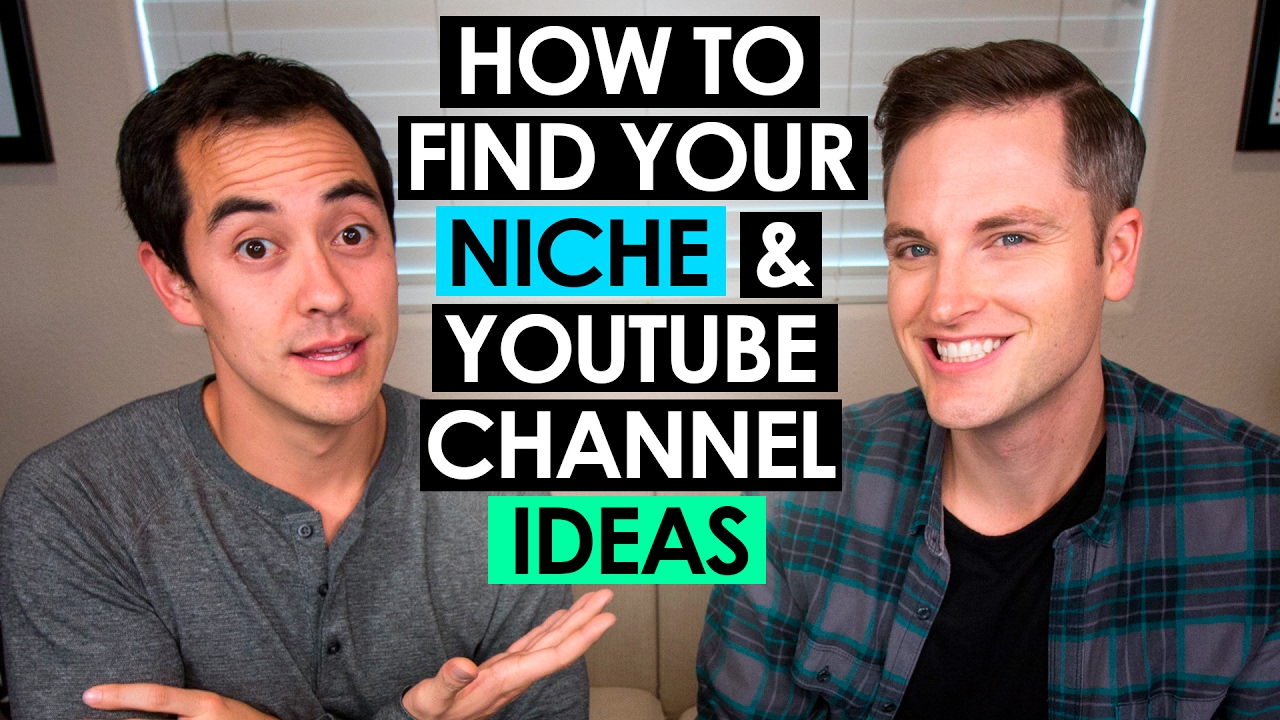
Mastering the art of niche selection is an investment that pays dividends throughout your video channel’s lifecycle. By thoughtfully considering your passions, the market, and your unique voice, you lay the groundwork for sustainable growth and a deeply connected audience. Remember that this is an iterative process, and continuous adaptation will ensure your channel remains relevant and engaging for years to come.