Embark on a journey to unlock the secrets of perfectly steady photography with our comprehensive guide on How to Choose a Tripod to Get Stable Shots. This exploration delves into the fundamental principles that underpin photographic stability, revealing how the right equipment can transform your images from shaky to stunning.
We will navigate the essential components of a tripod, understand the physics that prevent camera shake, and explore the various types of movement a tripod effectively counteracts. From the materials and locking mechanisms of the legs to the critical role of the tripod head and its height, every detail is meticulously examined to ensure you make an informed decision for your photographic endeavors.
Understanding the Fundamentals of Tripod Stability

A tripod is an indispensable tool for photographers seeking to elevate the quality and sharpness of their images. Its primary function is to provide a stable platform for your camera, thereby eliminating the subtle movements that can lead to blurry photographs. Achieving sharp, professional-looking shots, especially in challenging lighting conditions or when using specific photographic techniques, hinges on minimizing camera shake.
This section delves into the core principles that make a tripod so vital for stable photography.The fundamental reason a tripod is crucial is its ability to isolate the camera from the inherent instability of handheld shooting. When you hold a camera, your body naturally makes micro-adjustments and movements. These movements, even if imperceptible to the naked eye, are amplified by the camera’s magnification, particularly when using longer focal lengths or slower shutter speeds.
A tripod acts as a rigid anchor, absorbing these vibrations and ensuring that the camera remains perfectly still during the exposure.
The Physics of Minimizing Camera Shake
The physics behind a tripod’s effectiveness lies in its ability to counteract kinetic energy and damp vibrations. When a camera is handheld, any movement imparts kinetic energy to the camera body. This energy translates into motion blur on the sensor. A tripod, by its very design, is engineered to be heavy and possess a wide, stable base. This mass and broad footprint increase its inertia, making it significantly harder to move.
Furthermore, the materials and construction of a tripod are chosen for their vibration-dampening properties, preventing even minor disturbances from reaching the camera.
“Stability is the silent partner of sharpness.”
Common Types of Camera Movement Counteracted by Tripods
A tripod effectively combats several types of camera movement that degrade image quality. These movements, while subtle, can have a profound impact on the final photograph.Here are the common types of camera movement a tripod helps to eliminate:
- Hand Tremor: The most prevalent form of camera shake, caused by involuntary muscle movements in your hands and arms. This is particularly problematic at slower shutter speeds, where even a slight tremor can result in noticeable blur.
- Environmental Vibrations: These can originate from various sources, such as passing traffic, nearby construction, or even wind buffeting the camera. A tripod’s mass helps to absorb and dissipate these external vibrations.
- Mirror Slap: In DSLR cameras, the physical movement of the mirror flipping up before the shutter opens creates a small vibration. While often minor, it can contribute to blur, especially at lower shutter speeds. Tripods help to stabilize the camera against this internal movement.
- Shutter Shock: Similar to mirror slap, the mechanical action of the shutter can also introduce vibrations. Advanced tripods and techniques like mirror lock-up or electronic shutter modes, combined with tripod stability, further minimize this effect.
Essential Components Contributing to Tripod Stability
The stability of a tripod is not solely determined by its presence but by the interplay of its various components, each designed to contribute to a solid foundation. Understanding these parts will help you appreciate why certain features are crucial for a stable shooting experience.A tripod’s stability is a result of the synergistic function of its core components:
| Component | Contribution to Stability | Description |
|---|---|---|
| Legs | Foundation and Support | The legs are the primary support structure. Their length, number of sections, and material (e.g., aluminum, carbon fiber) directly impact the tripod’s maximum height, folded size, and overall rigidity. Legs with a wider spread provide a more stable base. |
| Leg Locks | Securing Leg Extension | These mechanisms (flip locks or twist locks) secure the leg sections at a desired height. Secure and robust leg locks prevent legs from slipping or collapsing, which is critical for maintaining camera position during long exposures. |
| Center Column | Height Adjustment and Versatility | The center column allows for quick height adjustments without reconfiguring the legs. While convenient, a fully extended center column can introduce instability. Many tripods offer reversible or short center columns for low-angle shooting, enhancing stability in those scenarios. |
| Head Mount | Camera Attachment Point | The platform where the camera attaches to the tripod. A secure and stable head mount, often featuring a quick-release plate, ensures the camera is firmly connected and allows for smooth, controlled movements. |
| Feet | Ground Interface | The tips of the tripod legs that contact the ground. Rubber feet are standard for most surfaces, while spiked feet offer superior grip on softer terrain like grass or soil. The design of the feet influences how well the tripod grips the surface, preventing slippage. |
Key Tripod Features for Stability
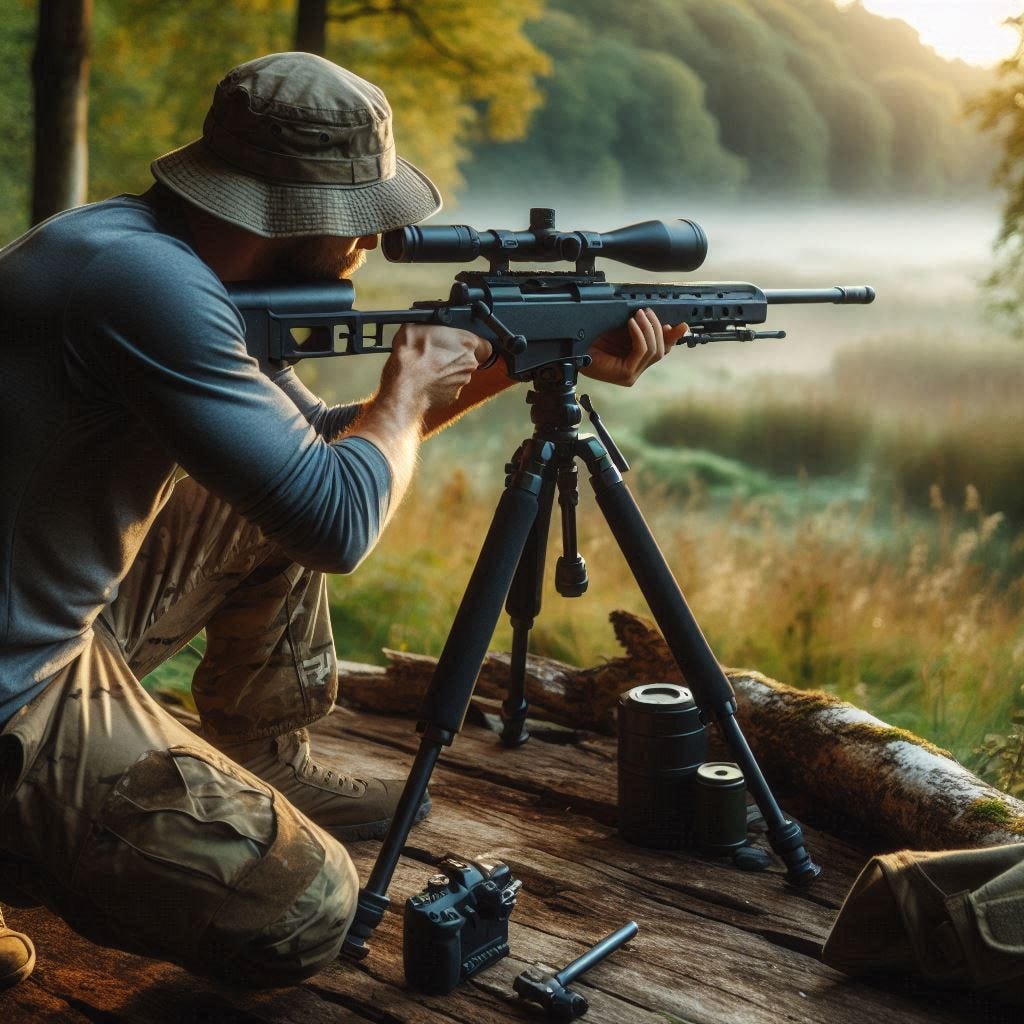
Beyond understanding the foundational principles of tripod stability, selecting the right features is paramount to achieving consistently sharp and blur-free images. These components directly influence how well a tripod can counteract vibrations and support your camera gear.
Leg Material and Its Impact on Stability and Weight
The material from which tripod legs are constructed significantly affects both the tripod’s overall weight and its ability to absorb vibrations, which is crucial for stability. Lighter materials make the tripod more portable, while denser materials can offer better damping.
- Aluminum: This is a common and cost-effective material. Aluminum tripods are generally heavier than their carbon fiber counterparts but offer good durability and rigidity for their price point. They can, however, transmit more vibrations than carbon fiber.
- Carbon Fiber: Carbon fiber is a premium material known for its excellent strength-to-weight ratio. It is significantly lighter than aluminum, making it ideal for photographers who travel frequently or need to hike to their shooting locations. Carbon fiber also excels at dampening vibrations, leading to superior stability. While more expensive, the benefits in portability and image quality are often well worth the investment for serious photographers.
Leg Locks and Securing Height
The mechanism used to secure the height of the tripod legs, known as leg locks, plays a critical role in maintaining the set position and preventing accidental slippage. A secure lock ensures that the tripod remains at the desired height under the weight of your camera, even with slight movements or environmental factors.
- Flip Locks (Lever Locks): These are generally quick and easy to operate, allowing for rapid adjustment of leg height. They provide a visible and tactile confirmation that the leg is securely locked. However, some users find that over time, flip locks can loosen or become less effective if not properly maintained, and they can be more prone to collecting dirt and debris.
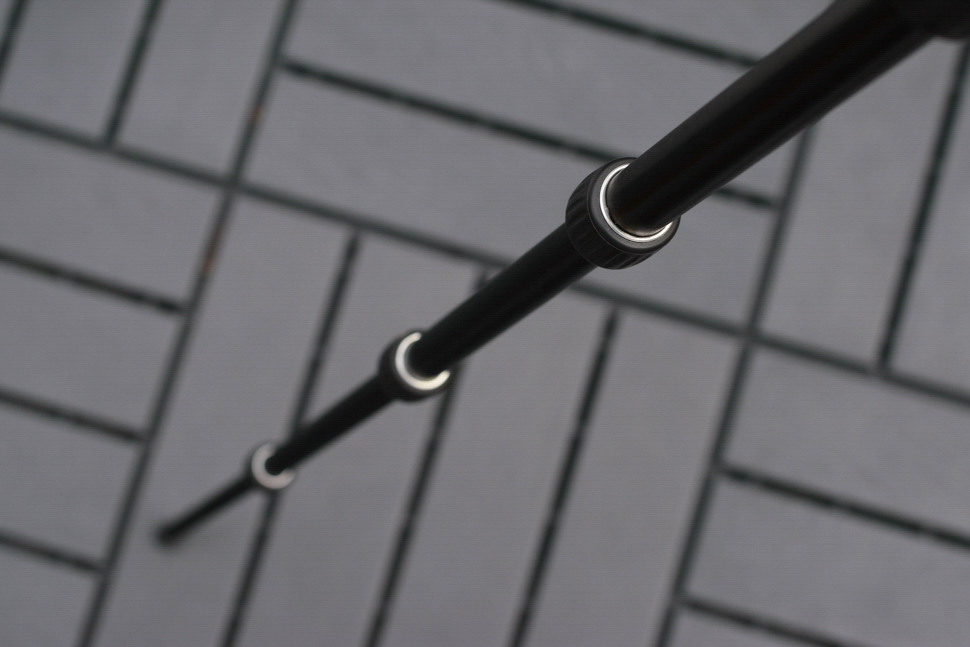
- Twist Locks: These locks involve rotating a section of the leg to extend or retract it and then twisting in the opposite direction to lock it in place. Twist locks tend to offer a more robust and secure hold, often sealing out dust and moisture better than flip locks. They can be slightly slower to adjust than flip locks, especially when extending all sections.
Leg Sections and Overall Rigidity
The number of sections a tripod leg is divided into directly influences its maximum height, folded size, and, importantly, its rigidity. More leg sections allow for a more compact folded size but can introduce potential instability if not designed and constructed well.
- 2-Section Legs: These are less common in professional tripods but offer the most rigidity due to fewer potential points of flex. They typically extend to a moderate height and fold to a larger size.
- 3-Section Legs: This is a very common configuration, offering a good balance between extended height, folded size, and rigidity. They are generally more stable than 4-section legs.
- 4-Section Legs: These legs allow for the most compact folded size and can extend to very tall heights. However, with more sections, there are more potential points of flex, which can reduce overall rigidity and stability, especially when fully extended. It is crucial for tripods with 4-section legs to have robust construction and locking mechanisms to mitigate this.
Load Capacity Evaluation
The load capacity of a tripod indicates the maximum weight it can safely support without compromising stability or structural integrity. It is essential to choose a tripod with a load capacity significantly higher than the combined weight of your camera body, lens, and any accessories you might attach.To evaluate load capacity:
- Consult the manufacturer’s specifications. This is the most direct and reliable method.
- Consider the weight of your heaviest camera body and lens combination.
- Add the weight of any additional accessories like external flashes, battery grips, or teleconverters.
- Aim for a tripod with a load capacity that is at least 1.5 to 2 times the total weight of your gear for optimal stability and longevity. For instance, if your camera and lens weigh 2kg, a tripod with a load capacity of 4-5kg would be a sensible choice.
A tripod’s load capacity is not just about preventing collapse; it’s about maintaining a stable platform that minimizes vibration, even when fully extended.
Center Column Design and Stability
The center column is the vertical support that extends upwards from the tripod’s apex, allowing for fine-tuning of camera height and positioning. Its design has a significant impact on the tripod’s overall stability.
- Fixed Center Columns: These are generally more stable as they are an integral part of the tripod’s structure, offering no moving parts that can introduce wobble. However, they offer less flexibility in height adjustment.
- Telescoping Center Columns: These are the most common type, allowing for variable height adjustments. The stability of a telescoping center column depends on its diameter, the locking mechanism, and the number of sections. A thicker, single-section column is generally more stable than a thinner, multi-section one.
- Rapid Center Columns: These are designed for quick extension and retraction, often featuring a robust locking mechanism.
- Geared Center Columns: These offer very precise, fine-tuned height adjustments through a crank mechanism, providing excellent control but can be slower to operate.
The ability to remove or reverse the center column can also enhance stability for low-angle shots, as it allows the camera to be positioned closer to the ground without the column interfering.
For maximum stability, especially in windy conditions or when using telephoto lenses, it is often recommended to keep the center column as low as possible or even remove it if the leg angle allows for sufficient height.
Selecting the Right Head for Your Needs
The tripod head is the critical interface between your camera and the tripod legs, playing an equally vital role in achieving stable and precisely composed shots. Choosing the correct head type and features is paramount to matching your shooting style and equipment. This section delves into the various head options available, their stability characteristics, and how to select one that best suits your photographic pursuits.
Tripod Height and Reach for Stable Compositions
The height of your tripod plays a crucial role in achieving stable shots and enabling a variety of creative compositions. A tripod’s reach determines how high or low you can position your camera, directly impacting your perspective and the overall stability of your image. Understanding how height affects your shooting and choosing a tripod that offers the right range is essential for photographers seeking consistent quality.The ideal scenario for stability is often to have your tripod extend to your eye level without needing to raise the center column.
This is because the center column is the least stable part of any tripod. When extended, it introduces flex and vibration, compromising the sharpness of your images, especially in windy conditions or when using longer lenses. Therefore, a tripod that allows you to achieve your preferred shooting height with its legs alone offers a significant advantage in terms of rigidity and image quality.
Optimizing Stability Through Leg Extension
Utilizing the tripod legs to their full potential, rather than relying heavily on the center column, is a fundamental principle for maximizing stability. The more the legs are extended, the more the tripod’s structure is spread out and grounded, creating a solid base. This is particularly important when shooting in challenging environments where even minor vibrations can ruin a shot.
Low-Angle and Macro Photography Advantages
Certain photographic disciplines inherently benefit from lower shooting angles and the ability to get extremely close to a subject, both of which are enhanced by specific tripod configurations.
Low-Angle Stability
For low-angle shots, such as capturing intricate details of flowers, insects, or architectural elements at ground level, a tripod that can be lowered significantly is invaluable. Many tripods offer a reversible center column or legs that can splay out to a very wide angle, allowing the camera to be positioned mere inches from the ground. This close proximity to the subject and the stability offered by a wide leg stance prevent any unwanted movement, ensuring sharp macro images.
Macro Photography Considerations
In macro photography, the magnification is so high that even the slightest vibration becomes amplified, leading to blurry images. A stable tripod that can be positioned extremely low is paramount. Some tripods feature a dedicated macro mode or a center column that can be horizontally extended, allowing the camera to be positioned over and in front of the tripod base.
This offers unique perspectives and ensures maximum stability when working at very close focusing distances.
Achieving Stability in Elevated or Challenging Positions
Shooting from elevated vantage points or in difficult terrain presents unique challenges to tripod stability. Adapting your technique and equipment can help overcome these obstacles.
Using Tripod Legs for Support
When shooting from an elevated position, such as a balcony or a rocky outcrop, the primary goal is to create a wide and secure base for your tripod. Ensure that all legs are firmly planted on stable surfaces. If shooting on uneven ground, use the individual leg height adjustments to level the tripod as much as possible.
Adapting to Difficult Terrain
In challenging environments like sand, snow, or mud, consider using specialized accessories or techniques to enhance tripod stability.
- Spiked Feet: For soft ground, spiked feet can provide a more secure anchor than rubber or ball feet.
- Sandbags or Weights: Hanging a weight from the center column hook (if available) can significantly lower the tripod’s center of gravity and increase its resistance to wind and movement.
- Creative Leg Placement: In situations where a flat surface is unavailable, position the tripod legs to grip the terrain, using rocks, roots, or other natural features for support.
Maintaining Stability at Height
When extending a tripod to its maximum height, especially for elevated shots, it is crucial to minimize any potential for vibration.
- Avoid the Center Column: As mentioned, try to achieve your desired height using only the leg extensions.
- Wind Dampening: If shooting in windy conditions, shield the tripod and camera from the wind as much as possible. This might involve using your body as a windbreak or finding natural shelter.
- Remote Shutter Release: Using a remote shutter release or the camera’s self-timer eliminates the need to touch the camera during exposure, preventing shake.
Understanding Tripod Weight and Portability
The ideal tripod for stable shots often presents a balancing act between its physical weight and its ability to remain steadfast, particularly when venturing outdoors. Photographers must carefully consider how much weight they are willing to carry for the benefit of enhanced stability, especially in diverse shooting environments. This section delves into how to effectively manage these competing demands to ensure you have a reliable support system that is also practical for transport.The weight of a tripod is a direct indicator of its potential stability.
Heavier tripods, generally constructed from denser materials like magnesium alloy or carbon fiber, offer superior resistance to vibrations and movement. However, this increased stability comes at the cost of portability. For photographers who frequently hike or travel long distances, a very heavy tripod can become a burden. Conversely, ultra-light tripods are easy to carry but may struggle to remain stable in windy conditions or when supporting heavier camera setups.
The key lies in finding a tripod that offers the best compromise for your specific photographic pursuits and the typical environments you shoot in.
Balancing Portability and Stability for Various Environments
Achieving a stable platform while maintaining portability requires a thoughtful approach to tripod selection, considering the unique challenges presented by different shooting locations. Whether you are photographing in a gusty mountain landscape, a bustling city street, or a serene forest, your tripod’s performance will be influenced by its weight and construction.For outdoor photography, especially in environments prone to wind, a heavier tripod is generally preferred.
A tripod weighing around 3-5 kilograms (approximately 6.5-11 pounds) often provides a good balance. Materials such as aluminum are heavier but more affordable, while carbon fiber offers a lighter weight for a given stiffness, making it an excellent choice for those prioritizing both stability and reduced carrying load. When choosing, consider the maximum weight your camera and lens combination will exert on the tripod.
A general rule of thumb is to select a tripod with a load capacity at least twice the weight of your heaviest gear to ensure adequate headroom for stability.When portability is paramount, such as for extensive hiking or travel, photographers might opt for lighter travel tripods. These often feature lighter materials and more compact designs. To compensate for their reduced weight and enhance stability in challenging conditions, several strategies can be employed:
- Using a Center Column Hook: Many tripods include a hook at the bottom of the center column. This allows you to hang additional weight, such as a camera bag, directly below the tripod’s center of gravity. This significantly increases the tripod’s resistance to tipping and vibration, especially in windy situations.
- Sandbags or Weight Bags: Specially designed weight bags can be filled with sand, rocks, or water bottles and hung from the tripod legs. These provide a substantial amount of ballast, effectively turning a lighter tripod into a more stable one.
- Lowering the Center of Gravity: Extending the legs fully and keeping the center column as low as possible minimizes the tripod’s overall height and lowers its center of gravity, making it less susceptible to wind.
- Spreading the Legs Wider: A wider stance for the tripod legs provides a larger, more stable base, increasing resistance to lateral forces from wind.
Accessories for Enhanced Stability in Windy Conditions
Wind is a notorious enemy of sharp photography, and even the most robust tripod can be compromised by strong gusts. Fortunately, several accessories are designed to bolster a tripod’s stability, allowing you to achieve sharp images even in less-than-ideal weather. These additions are crucial for photographers who regularly shoot in exposed environments.When selecting a tripod, consider models that are inherently designed for stability.
Tripods with thicker leg sections, robust locking mechanisms, and a sturdy center column will perform better in windy conditions. However, even with a well-chosen tripod, additional measures can be invaluable:
- Ground Spikes: For shooting on soft ground like grass, sand, or dirt, rubber feet can be removed to reveal metal spikes. These spikes can be firmly pressed into the ground, providing a much more secure anchor for the tripod legs and significantly reducing slippage and vibration.
- Winders and Guy Lines: For extremely windy conditions, specialized winders or guy lines can be attached to the tripod legs and secured to fixed points (like rocks or tent pegs) to provide additional tension and support against the wind.
- Tripod Feet Covers: In snowy or icy conditions, specialized covers can be fitted over the tripod feet to prevent sinking and provide a more stable surface.
Advanced Techniques for Maximizing Tripod Stability
Having chosen the right tripod and head for your needs, and understanding its fundamental stability principles, it’s time to delve into advanced techniques that will elevate your shot-making from good to exceptionally stable. These methods address challenging shooting environments and fine-tune your setup for the most critical moments. Mastering these techniques ensures your tripod performs at its peak, even when conditions are less than ideal.
Proper Setup Procedures for Uneven Terrain
Setting up a tripod on uneven ground requires a deliberate approach to ensure all legs are firmly planted and the tripod is level. This prevents subtle shifts during exposure that can ruin an otherwise perfect shot. The goal is to create a stable, unwavering platform for your camera.
- Assess the Ground: Before extending the legs, carefully examine the terrain. Look for the most stable points for each leg to rest.
- Position Legs Individually: Extend each tripod leg to a length that allows it to sit securely. Avoid forcing legs into unstable positions. Adjust the height of individual legs to compensate for slopes, ensuring the tripod head remains as level as possible.
- Center Column Adjustment: For minor leveling adjustments, use the center column cautiously. Over-extending the center column can compromise stability, so it’s best used for fine-tuning rather than significant leveling.
- Leg Angle: Experiment with the leg angles. Wider angles generally offer more stability, especially on soft or uneven surfaces, but can also increase the tripod’s footprint.
- Locking Mechanisms: Ensure all leg locks and the center column lock (if applicable) are securely fastened after achieving the desired position.
Remote Shutter Release or Self-Timer Usage
The slightest touch to the camera or tripod during an exposure can introduce motion blur. Utilizing a remote shutter release or the camera’s self-timer eliminates the need to physically press the shutter button, thereby preventing this unwanted camera shake.
When shooting with a tripod, especially for long exposures or high-resolution images where even minute vibrations are magnified, direct physical contact with the camera to initiate the shot is a primary source of instability. Remote shutter releases, whether wired or wireless, allow you to trigger the camera from a distance. Alternatively, the built-in self-timer function on most cameras provides a delay of a few seconds between pressing the shutter button and the actual exposure.
This brief delay allows any residual vibrations from your touch to dissipate, ensuring a sharper image.
Operating Camera Controls Gently
Even with a tripod and remote release, the way you interact with your camera’s controls can affect stability. Developing a gentle touch is crucial for maintaining the rigid platform your tripod provides.
- Focusing: When using manual focus, adjust the focus ring slowly and smoothly. Avoid jerky movements that can transmit vibrations through the camera body.
- Zooming: If you need to adjust zoom during a shot (though this is generally discouraged for maximum stability), do so with minimal force and a steady hand. For critical shots, it’s best to set your focal length before mounting the camera.
- Changing Settings: When adjusting aperture, shutter speed, or ISO, use a light touch on the dials and buttons. Try to brace your hand or arm against the tripod if possible to absorb any slight movements.
- Live View and Image Review: Be mindful when using Live View to compose or when reviewing images. The act of touching the screen or buttons can cause subtle movements.
Using a Sandbag or Weight for Added Stability
In windy conditions or when using heavy telephoto lenses, even a sturdy tripod can be susceptible to movement. Attaching a sandbag or weight to the tripod’s center column significantly lowers the center of gravity and dampens vibrations, providing an extra layer of stability.
The principle behind using a sandbag or weight is simple physics: increasing mass and lowering the center of gravity. By hanging a sandbag from the hook often found at the bottom of the center column, you effectively anchor the tripod more firmly to the ground. This is particularly effective in situations with wind, which can buffet your camera setup and cause unwanted blur.
The added weight acts as a counter-balance, resisting these forces. Ensure the bag is securely attached and hangs freely without touching the ground or obstructing the camera’s view.
Checklist for Achieving the Most Stable Shot
To ensure you consistently achieve the most stable shot possible, follow this comprehensive checklist before and during your photography session.
- Tripod Selection: Confirm your tripod and head are appropriate for your camera and lens combination, considering weight and intended use.
- Leg Extension: Extend tripod legs to achieve the desired height, ensuring each leg is firmly planted on stable ground. Avoid over-extending the center column.
- Leveling: Use individual leg adjustments to level the tripod head. Check with a bubble level if precision is paramount.
- Locking: Securely tighten all leg locks and the center column lock.
- Camera Mounting: Mount your camera firmly onto the tripod head and ensure the quick-release plate is securely fastened.
- Remote Release/Self-Timer: Connect your remote shutter release or set your camera’s self-timer.
- Weight Attachment: If using a sandbag or weight, attach it securely to the center column hook.
- Subject Focus: Achieve critical focus using gentle movements.
- Exposure Settings: Set your aperture, shutter speed, and ISO with a light touch.
- Final Check: Before pressing the shutter, take a moment to ensure everything is stable and secure.
- Gentle Operation: Operate all camera controls with a deliberate, gentle touch.
Illustrative Scenarios and Their Tripod Solutions

Choosing the right tripod is highly dependent on the specific photographic situations you’ll encounter. Understanding how different scenarios necessitate particular tripod characteristics can significantly enhance your ability to capture stable and high-quality images. This section explores common photographic challenges and provides tailored tripod solutions.By examining these practical examples, you can better align your tripod selection with your photographic goals, ensuring you have the right tool for the job, whether you’re navigating bustling city streets or patiently waiting for the perfect light in a remote wilderness.
Travel Photography Requiring a Lightweight, Portable Tripod
For photographers on the move, such as those engaged in travel photography, the primary concern is minimizing weight and bulk without compromising too much on stability. A tripod that is easy to carry for extended periods, fits comfortably in luggage, and sets up quickly is essential.Consider a photographer documenting their journey through European cities. They need a tripod that can be easily deployed for shots of iconic landmarks, street scenes, and architectural details, often in crowded areas.
This scenario demands a tripod that is:
- Lightweight: Constructed from materials like carbon fiber or aluminum alloys to reduce overall weight.
- Compact: Features a design that folds down to a small size, fitting into a backpack or carry-on luggage.
- Quick to Set Up: Utilizes intuitive leg locks (e.g., flip locks or twist locks) for rapid deployment.
- Sufficient Stability: While not needing extreme rigidity, it must be stable enough to support a mirrorless camera or a small DSLR with a kit lens, especially in moderate wind conditions.
- Versatile Head: A ball head is often preferred for its quick maneuverability and ability to lock firmly into position, allowing for rapid recomposition.
A travel tripod in this context might weigh between 2 to 4 pounds and extend to a usable height of around 50-60 inches, with a maximum load capacity sufficient for a standard camera setup.
Landscape Photography Demanding Maximum Stability and Detail
Landscape photography often involves capturing fine details, requiring the camera to remain perfectly still during longer exposures to avoid motion blur, especially when using lower ISO settings for optimal image quality. Harsh weather conditions, uneven terrain, and the desire for precise framing all point towards a robust and highly stable tripod.Imagine a photographer aiming to capture a dramatic sunrise over a rugged coastline.
They will be using a heavier full-frame DSLR with a wide-angle lens, potentially a polarizing filter, and might need to wait for the perfect light, leading to exposures of several seconds. This situation calls for:
- Robust Construction: A tripod made from sturdy aluminum or thick-walled carbon fiber, designed to resist vibrations from wind, ground movement, and camera operation.
- High Load Capacity: Capable of comfortably supporting the weight of professional camera bodies and lenses, with a significant margin for stability.
- Large Diameter Legs: Thicker leg sections, particularly the lower ones, provide greater rigidity and resistance to flex.
- Center Column Hook: A hook at the bottom of the center column allows for hanging a weight (like a camera bag) to further enhance stability in windy conditions.
- Sturdy Tripod Head: A robust ball head or a three-way pan-and-tilt head that offers precise control and can lock down securely without any drift. For extreme precision, a geared head might be considered.
- Spiked Feet: Interchangeable feet, including spikes, can provide a secure anchor on soft ground like soil or sand.
A professional landscape tripod might weigh 6 to 10 pounds, extend to 65 inches or more, and have a load capacity of 20-30 pounds or higher. The focus is on absolute immobility, allowing for the capture of the finest textures and details.
Wildlife Photography Needing Quick Adjustments and a Secure Hold
Wildlife photography is characterized by the unpredictable nature of subjects, demanding equipment that allows for rapid adjustments and a firm grip on the camera. The ability to quickly pan, tilt, and lock the camera in place is paramount when tracking moving animals.Consider a photographer attempting to capture a bird in flight or a mammal on the move. They are likely using a telephoto lens, which is heavy and can exacerbate camera shake.
The tripod must facilitate smooth tracking and instantaneous locking.
- Fluid Head: A fluid head is indispensable for wildlife photography, offering smooth, drag-free panning and tilting movements essential for tracking subjects.
- Robust Legs: While portability is a factor, the legs must be strong enough to support the weight of a camera and long lens without wobbling.
- Quick-Release Plate: A secure and fast quick-release system allows for rapid attachment and detachment of the camera.
- Tall Enough: The tripod should extend to a comfortable viewing height, minimizing the need to stoop, especially during long waits.
- Sturdy Base: A tripod with wide-splayed legs and a stable center column prevents the entire setup from tipping or vibrating.
A common setup for wildlife photography involves a sturdy tripod paired with a gimbal head or a robust fluid head. The gimbal head excels at balancing heavy telephoto lenses, allowing for effortless tracking and support. The tripod itself might be a medium-weight model, prioritizing stability and smooth movement over extreme lightness.
Astrophotography Requiring Long Exposures and Vibration-Free Imaging
Astrophotography, particularly capturing deep-sky objects or star trails, relies heavily on long exposures, often lasting minutes. During these extended periods, any vibration, no matter how small, will be magnified, resulting in blurry images. Therefore, maximum stability and resistance to environmental factors are critical.Envision a photographer aiming to capture the Milky Way or nebulae. They will be using a DSLR or mirrorless camera with a wide aperture lens, set to ISO 1600 or higher, and exposing for 30 seconds to several minutes per frame.
This requires:
- Exceptional Stability: A heavy-duty tripod with thick, rigid legs, often made of carbon fiber or heavy aluminum, designed to absorb and dissipate vibrations.
- Secure Locking Mechanisms: Legs that lock firmly in place without any tendency to slip or creep during long exposures.
- Remote Shutter Release or Intervalometer: To trigger the shutter without touching the camera, minimizing vibration.
- Sturdy Head: A ball head or a geared head that can be locked down with absolute zero play. For tracking celestial objects, an equatorial mount is often used in conjunction with a robust tripod base.
- Leveling Capabilities: A tripod with a leveling base or a ball head that allows for precise horizontal alignment, crucial for accurate polar alignment if using an equatorial mount.
- Wind Resistance: The tripod must be designed to withstand even slight breezes without transferring motion to the camera.
The ideal tripod for astrophotography is one that prioritizes mass and rigidity. It should be heavy enough to be inherently stable and feature legs that are wide and securely lockable. The ability to achieve a perfectly level platform is also paramount, especially when incorporating tracking mounts.
Final Review
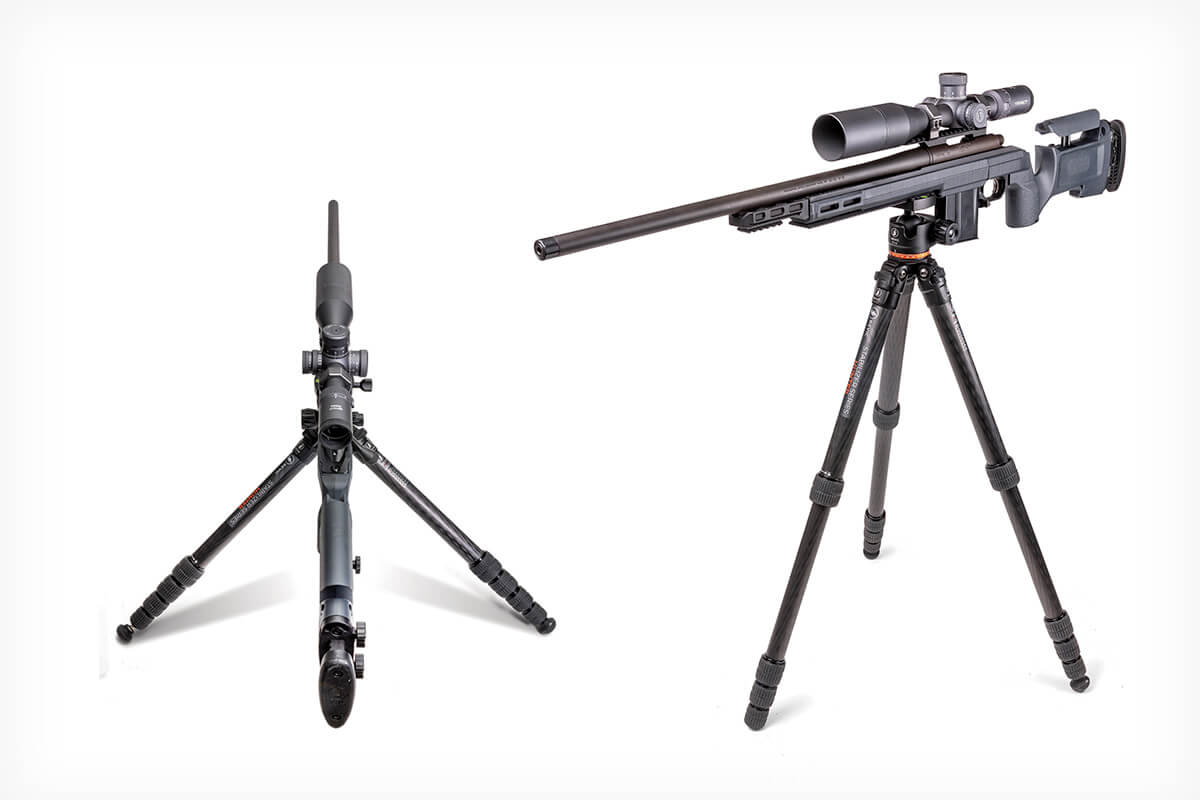
Mastering the art of stable photography is within reach. By understanding the core principles of tripod stability, carefully evaluating key features like leg construction, locks, and load capacity, and selecting the ideal head and height for your specific needs, you are well-equipped to elevate your photographic technique. Remember to consider weight, portability, and advanced stabilization methods to capture impeccably sharp images in any scenario, transforming your creative vision into a tangible, stable reality.