With How to Add Background Music to Your Videos Legally at the forefront, this paragraph opens a window to an amazing start and intrigue, inviting readers to embark on a journey of creative expression. Understanding the nuances of copyright and licensing is paramount for any video creator looking to enhance their content with compelling audio. This guide will illuminate the path to legally incorporating music, ensuring your projects are both professional and compliant.
We will delve into the essential principles of music copyright and explore various licensing options, from royalty-free libraries to the complexities of major label tracks. Discovering Creative Commons music and understanding public domain works will also be key components, offering diverse avenues for audio selection. By the end, you’ll be equipped with the knowledge to confidently choose and use background music that elevates your videos without legal repercussions.
Understanding Copyright and Music Licensing
Navigating the world of music for your video projects can seem complex, especially when it comes to legalities. Understanding copyright and music licensing is the foundational step to ensuring your videos are not only engaging but also compliant. This knowledge empowers you to use music confidently, avoiding potential legal pitfalls.At its core, copyright is a legal right granted to the creator of original works of authorship, including musical compositions.
This means that the songwriter, composer, and often the record label own exclusive rights to their music. These rights include the ability to reproduce, distribute, perform, and create derivative works from their music. For video creators, this translates to needing permission, typically in the form of a license, to use copyrighted music in your content.
Music Copyright Fundamentals for Video Creation
The fundamental principle of music copyright is that the music you hear is protected intellectual property. Unless the music is explicitly in the public domain or you have obtained the necessary permissions, using it in your video without authorization constitutes copyright infringement. This protection extends to both the musical composition (the melody and lyrics) and the sound recording (the specific performance and recording of the song).
Types of Music Licenses
Music licensing is the process of obtaining permission to use copyrighted music. Different licenses are available depending on how you intend to use the music and whether your use is commercial or non-commercial.Here are the primary types of licenses you will encounter:
- Synchronization License (Sync License): This license grants you the right to synchronize music with visual media, such as in a video. It is typically obtained from the music publisher, who represents the copyright holder of the musical composition.
- Master Use License: This license grants you the right to use a specific sound recording of a song. It is obtained from the record label that owns the master recording.
- Performance Rights License: This license allows for the public performance of music, such as playing music in a public venue or broadcasting it. For most online video creators, sync and master use licenses are more directly relevant.
- Royalty-Free Licenses: These licenses, often found on stock music sites, allow you to pay a one-time fee to use music in your projects without owing further royalties per use. However, “royalty-free” does not mean “free of charge” or “no restrictions.” Always read the specific terms of the license.
- Creative Commons Licenses: These are a set of licenses that allow creators to share their work with others under specific conditions. Some Creative Commons licenses permit commercial use and adaptation, while others do not. It is crucial to understand the specific CC license attached to a piece of music.
Common Misconceptions About Using Music
Several widespread misunderstandings can lead video creators into legal trouble regarding music usage. It is vital to clarify these to ensure compliant practices.
- “If I only use a few seconds, it’s okay.” This is a common myth. There is no universally defined “safe harbor” duration for using copyrighted music without permission. Even a brief snippet can constitute infringement if it is recognizable.
- “I bought the song on iTunes/Spotify, so I can use it in my video.” Purchasing a song digitally grants you a license to listen to it for personal use. It does not grant you the right to synchronize it with video content for public distribution.
- “I’m not making money from the video, so it’s not commercial use.” Many platforms, like YouTube, have monetization options that can indirectly generate revenue even from non-commercial-looking videos. Furthermore, even non-monetized videos can be considered commercial if they promote a business, product, or service.
- “I credited the artist, so I don’t need a license.” Proper attribution is good practice and often a requirement of certain licenses, but it does not replace the need for a proper license.
Legal Implications of Unauthorized Music Use
Using copyrighted music without obtaining the appropriate licenses can lead to significant legal consequences. These repercussions can impact your video, your online presence, and your finances.The potential legal implications include:
- Copyright Infringement Lawsuits: The copyright holder can sue you for damages, which can include actual damages (lost profits) and statutory damages. Statutory damages can range from hundreds to tens of thousands of dollars per infringed work, and up to $150,000 per work if the infringement is found to be willful.
- Takedown Notices: Platforms like YouTube have systems in place to detect copyrighted music. You may receive a copyright strike, leading to the removal of your video, or even the suspension or termination of your account.
- Cease and Desist Orders: You may be formally asked to stop using the copyrighted material.
- DMCA Takedowns: The Digital Millennium Copyright Act (DMCA) provides a framework for copyright holders to request the removal of infringing content online.
- Financial Penalties: Beyond direct lawsuit damages, legal fees and settlement costs can be substantial.
“Ignorance of the law is no excuse.” This adage holds true for copyright law; understanding and adhering to licensing requirements is crucial for any video creator.
Exploring Royalty-Free Music Options

For creators who wish to add a professional and engaging soundtrack to their videos without the complexities of traditional music licensing, royalty-free music presents an excellent alternative. This section delves into the world of royalty-free music, outlining reputable platforms, the benefits for independent creators, typical licensing terms, and the cost-effectiveness of various subscription models. Understanding these aspects will empower you to make informed decisions for your video projects.Royalty-free music offers a streamlined approach to acquiring music for commercial and non-commercial use.
Unlike copyrighted music that requires expensive licenses and royalty payments for each use, royalty-free music typically involves a one-time fee or subscription, granting you broad usage rights. This significantly reduces the financial and administrative burden for independent creators, allowing them to focus more on the creative aspects of their video production.
Reputable Platforms for Royalty-Free Music
Numerous platforms have emerged to cater to the growing demand for royalty-free music. These platforms curate vast libraries of high-quality tracks across various genres, making it easier for creators to find the perfect fit for their content.Here are some of the most reputable platforms offering royalty-free music:
- Artlist: Known for its high-quality, curated music and simple, all-inclusive license.
- Epidemic Sound: Offers a vast library with a focus on a subscription model that covers all rights.
- Musicbed: Features music from a wide range of artists, including well-known composers, with various licensing tiers.
- Soundstripe: Provides a subscription service with a focus on modern, high-quality tracks.
- PremiumBeat (Shutterstock Music): Offers a large selection of music tracks that can be licensed individually.
- AudioJungle (Envato Market): A vast marketplace with a wide variety of music tracks available for individual purchase.
Advantages of Royalty-Free Music for Independent Creators
Independent creators, including YouTubers, small business owners, and freelance videographers, often operate with limited budgets and resources. Royalty-free music provides a crucial advantage by democratizing access to professional-sounding audio.The key advantages include:
- Cost-Effectiveness: Eliminates the need for expensive per-use royalties, making it significantly more affordable than licensing popular music.
- Simplicity of Licensing: Typically involves a one-time purchase or subscription fee, with clear and straightforward usage rights, reducing legal complexities.
- Vast Selection: Access to extensive libraries covering diverse genres, moods, and styles ensures creators can find music that perfectly matches their video’s tone and message.
- Commercial Use Rights: Most royalty-free licenses permit commercial use, allowing creators to monetize their videos without infringing on copyright.
- Time Savings: Streamlines the music selection process, allowing creators to spend less time on licensing and more time on content creation.
Typical Licensing Terms for Royalty-Free Music Libraries
While the term “royalty-free” implies a lack of ongoing royalties, the specific licensing terms can vary between platforms and even individual tracks. It is essential to understand these terms to ensure compliant usage.Common licensing terms generally include:
- One-time Fee/Subscription: A single payment or subscription grants the right to use the music.
- Perpetual Use: Once licensed, the music can typically be used indefinitely.
- Worldwide Distribution: Licenses usually permit use across all geographical regions.
- Unlimited Usage: The music can be used in an unlimited number of projects.
- Restrictions: Some licenses may have specific restrictions, such as prohibiting use in certain types of content (e.g., hate speech, illegal activities) or requiring attribution. It is crucial to read the End User License Agreement (EULA) carefully for each platform.
For example, a common clause might state that the music can be used in a YouTube video that is monetized, but not for use in a standalone audio product or as a ringtone.
Cost-Effectiveness of Royalty-Free Music Subscription Models
Subscription models have become increasingly popular in the royalty-free music market, offering a cost-effective solution for creators who regularly produce video content. These models provide access to an entire library for a recurring fee, which can be significantly cheaper than purchasing individual tracks over time.Here’s a comparison of common subscription models and their cost-effectiveness:
- Monthly Subscriptions: Ideal for creators with ongoing projects or those who experiment with music frequently. Costs typically range from $10 to $30 per month. For a creator producing one video per week, a monthly subscription could cost less than $1 per video, compared to potentially $20-$50 per track if licensed individually.
- Annual Subscriptions: Often offer a discount compared to monthly plans, making them more cost-effective for creators with a consistent need for music throughout the year. Annual plans can range from $100 to $300. This can reduce the per-video cost to well under $1.
- Team/Enterprise Plans: Designed for larger teams or businesses, these plans offer multiple user access and often additional features, with pricing varying based on the number of users and specific needs.
- Individual Track Licensing: While not a subscription, some platforms still offer the option to purchase individual tracks. This can be cost-effective for creators who only need music for a single project and do not foresee regular use. Prices for individual tracks can range from $10 to $70 or more, depending on the platform and license type.
Consider a scenario where a creator needs 10 tracks per year. If each track costs $30 individually, the total cost would be $300. An annual subscription for $200 would provide unlimited access and significant savings. Platforms like Epidemic Sound and Artlist are prime examples of subscription services that have made high-quality music accessible and affordable for a wide range of creators.
Licensing Music from Major Labels and Publishers
While royalty-free music offers a convenient and often cost-effective solution, sometimes your creative vision specifically calls for a well-known track from a major artist. Licensing these popular songs involves a more complex process but can significantly elevate your video’s impact. This section will guide you through understanding and navigating the intricacies of acquiring rights for music from major labels and publishers.The primary hurdle in using commercially released music is obtaining the necessary permissions, which typically involves two distinct licenses: the synchronization license and the master use license.
Understanding these licenses is fundamental to legally incorporating popular music into your video projects.
Synchronization License
A synchronization license, often referred to as a “sync license,” grants you the right to pair a musical composition with visual media, such as your video. This license is obtained from the copyright holder of the musical composition itself, which is usually the songwriter or their music publisher. Without this license, you cannot legally use the melody, lyrics, or arrangement of a song in your video.
Master Use License
The master use license permits you to use a specificrecording* of a musical composition. This license is obtained from the owner of the sound recording, which is typically the record label that produced and distributed the track. If you want to use a specific artist’s rendition of a song, you will need both the synchronization license for the composition and the master use license for that particular recording.
Performance Rights Organizations (PROs)
Performance Rights Organizations (PROs) play a crucial role in music licensing by representing songwriters, composers, and music publishers. Their primary function is to collect and distribute royalties earned from the public performance of music. While PROs do not typically issue synchronization or master use licenses directly for video, they are essential for understanding performance royalties, which are relevant when your video is broadcast on television, radio, or in public venues.
Major PROs in the United States include ASCAP, BMI, and SESAC. Understanding their role helps clarify the broader landscape of music rights.
Potential Costs of Licensing Popular Music
Licensing popular music from major labels and publishers can be a significant investment, and the costs vary widely. Factors influencing the price include the popularity of the song, the artist, the intended use of the video (e.g., commercial vs. non-commercial), the duration of the license, and the territory where the video will be distributed. For very popular tracks, fees can range from hundreds to tens of thousands of dollars, and sometimes even more.
It is not uncommon for major labels to have a minimum fee for licensing their catalog.
Contacting Music Rights Holders for Licensing Inquiries
The process of contacting music rights holders requires patience and a systematic approach. It is advisable to gather all necessary information about the song and your project before initiating contact.
- Identify the Copyright Holders: Determine who owns the rights to both the musical composition and the sound recording. This information can often be found on music databases, album liner notes, or by contacting the relevant PROs.
- Locate the Music Publisher: For the synchronization license, you need to find the music publisher. Many major publishers have dedicated licensing departments. Websites like ASCAP’s ACE Repertory, BMI’s Repertoire, and SESAC’s Songfinder can help you identify the publisher.
- Contact the Record Label: For the master use license, you will need to contact the record label that released the song. Look for their licensing or sync department contact information on their official website.
- Prepare a Licensing Request: When you contact the rights holders, be prepared to provide a detailed proposal. This should include:
- The full song title and artist.
- Your name and contact information.
- A clear description of your video project (e.g., type of video, target audience).
- How the music will be used in the video (e.g., background music throughout, a specific scene).
- The intended duration of the music’s use.
- The territories where the video will be distributed.
- The intended distribution platforms (e.g., YouTube, website, television).
- The desired term of the license (e.g., one year, in perpetuity).
- Your budget for the music license.
- Negotiate Terms and Fees: Be prepared to negotiate the terms and fees with the licensing representatives. They may come back with a counter-offer or specific conditions.
- Review and Sign the License Agreement: Once an agreement is reached, carefully review the license agreement. Ensure all terms and conditions are clearly understood before signing. It is highly recommended to have an attorney review the agreement, especially for significant investments.
This methodical approach ensures that you are making a legitimate and informed request, increasing your chances of successfully licensing the music you desire.
Utilizing Music from Stock Media Libraries
Stock media libraries offer a vast and convenient solution for sourcing background music for your videos. These platforms aggregate a wide range of audio assets, making it easier for creators to find high-quality tracks that fit their project’s mood and style, all while adhering to legal requirements. By subscribing to or purchasing from these libraries, you gain access to a diverse collection of music, often categorized by genre, mood, instrumentation, and even intended use, streamlining the selection process considerably.The primary benefit of using stock media libraries lies in their comprehensive nature.
They typically provide a single point of access for numerous music tracks, eliminating the need to search across disparate sources. This consolidation is coupled with clear licensing terms, usually offering royalty-free or specific usage licenses, which significantly reduces the legal complexities associated with music synchronization in videos. Many libraries also offer other video assets like sound effects, stock footage, and templates, further enhancing their value proposition for video producers.
Features and Pricing of Leading Stock Media Platforms
Several prominent stock media platforms stand out for their extensive music collections and user-friendly interfaces. These platforms cater to a range of budgets and needs, from individual creators to larger production houses. Understanding their offerings can help you make an informed decision.Here’s a comparison of some leading platforms:
- Artlist.io: Known for its high-quality, curated music library, Artlist offers a subscription model that provides unlimited downloads of all music and sound effects for a set annual fee. This makes it highly cost-effective for creators who frequently use music. Their licensing is broad and simple, covering commercial use for videos distributed online and offline.
- Epidemic Sound: Another popular subscription-based service, Epidemic Sound provides access to a vast catalog of music and sound effects. They offer various subscription tiers, including options for individual creators, businesses, and YouTubers. Their licensing covers use in online content, social media, and commercial projects, with clear guidelines on what is permitted.
- Soundstripe: Soundstripe also operates on a subscription model, focusing on providing high-quality, royalty-free music for video creators. They offer different plans based on the number of downloads per month and access to their full library. Their licensing is straightforward and designed to be creator-friendly.
- PremiumBeat (Shutterstock): While part of Shutterstock, PremiumBeat offers a curated selection of high-quality music tracks, often with a more cinematic or professional feel. They primarily use a per-track licensing model, where you purchase a license for each song you use, with different license types available for various usage scenarios.
- AudioJungle (Envato Market): AudioJungle is a marketplace where individual artists sell their music. It operates on a per-track purchase model, offering a wide range of prices and licensing options. This can be a more budget-friendly option for those who only need a few specific tracks, but requires more careful review of individual licenses.
The pricing structures vary significantly. Subscription services like Artlist, Epidemic Sound, and Soundstripe typically range from $15 to $50 per month, depending on the features and download limits. Per-track licensing, as seen with PremiumBeat and AudioJungle, can range from $10 to $100 or more per track, depending on the license type and the artist’s pricing.
Efficiently Searching and Selecting Background Music
Navigating large music libraries can be time-consuming. Implementing effective search strategies can significantly speed up the process and lead you to the perfect track more quickly. Most platforms offer robust search filters and recommendation engines.Tips for efficient searching include:
- Utilize Specific s: Instead of broad terms, use descriptive s related to the mood, genre, instrumentation, or even the specific emotion you want to evoke. For example, “upbeat corporate funk,” “melancholy piano solo,” or “energetic electronic EDM.”
- Leverage Filters: Most libraries allow filtering by BPM (beats per minute), key, duration, mood (e.g., happy, sad, suspenseful), genre, and instrumentation. This helps narrow down your options considerably.
- Explore Curated Playlists and Collections: Many platforms offer pre-made playlists or collections curated by their team or by popular themes. These can be excellent starting points, especially if you’re unsure of the exact terms to search for.
- Listen to Snippets and Previews: Always listen to at least 30 seconds of a track to gauge its overall feel and how it might fit your video. Pay attention to the intro, build-up, and any prominent melodic elements.
- Consider the “Drop” or Peak Moment: If your video has a key moment or climax, listen to see if the music has a suitable build-up and a satisfying “drop” or peak that aligns with your visual narrative.
- Save Favorites and Create Custom Playlists: As you browse, save tracks you like to a favorites list or create custom playlists for different projects. This organization will save you time on future searches.
Criteria for Choosing Background Music from a Stock Library
Selecting the right background music is crucial for setting the tone and enhancing the viewer’s experience. Beyond just sounding good, several factors should guide your choice to ensure it complements your video effectively and legally.When choosing background music from a stock library, consider the following criteria:
| Criterion | Explanation |
|---|---|
| Mood and Emotion | Does the music evoke the desired emotional response from the viewer? Consider if it aligns with the overall tone of your video (e.g., uplifting, dramatic, humorous, serious). |
| Genre and Style | Does the genre of the music fit the subject matter and target audience of your video? For instance, electronic music might suit a tech review, while classical music could be appropriate for a historical documentary. |
| Pacing and Energy | Does the music’s tempo and energy level match the pace of your video? A fast-paced video often benefits from energetic music, while a slower, more contemplative video might require ambient or instrumental tracks. |
| Instrumentation | Are the instruments used in the music appropriate for your video’s theme? Consider whether you need a full orchestral score, a simple acoustic guitar, or a driving electronic beat. |
| Licensing Terms | Crucially, understand the license associated with the track. Ensure it permits your intended use (e.g., commercial use, online distribution, broadcast). Royalty-free does not always mean free for all uses. |
| Versatility and Editability | Can the music be easily edited or looped to fit the specific length of your video segments? Does it have distinct sections that can be used to underscore different parts of your narrative? |
| Originality and Uniqueness | While stock music is inherently common, try to select tracks that don’t feel overly cliché or overused, unless that is your specific intention. Some libraries offer more unique and less common selections. |
| Avoid Distracting Elements | Ensure the music doesn’t have jarring vocalizations, excessive sound effects, or elements that might pull focus away from your video content or dialogue. |
Understanding Public Domain Music
When exploring options for background music in your videos, understanding public domain music is a valuable step. This category offers a wealth of creative material that can be used without the need for licensing fees or permissions, provided certain criteria are met. It represents a treasure trove of artistic works that have transitioned into the public domain, meaning they are no longer protected by copyright and are free for anyone to use, adapt, and distribute.Music enters the public domain when its copyright protection expires.
The duration of copyright protection varies by country and by the date of creation or publication. Generally, copyright lasts for the life of the author plus a certain number of years. Once this period concludes, the work is considered to be in the public domain. This concept is crucial for creators looking for legally sound and cost-effective ways to enhance their video content.
Defining Public Domain Music
Music is considered to be in the public domain when its copyright has expired, been forfeited, or never existed in the first place. This means that the original rights holder has lost exclusive control over the work, and it is now available for unrestricted use by the public. This can include compositions by renowned classical composers whose copyrights have long since expired, as well as older folk songs and traditional melodies that have been passed down through generations without specific copyright claims.
Verifying Public Domain Status
Determining whether a musical piece is truly in the public domain requires careful research. Copyright laws are complex and can differ significantly between jurisdictions. It is essential to investigate the copyright expiration date based on the laws of the country where you intend to use the music.Here are methods for verifying if a musical piece is in the public domain:
- Research Copyright Expiration Dates: The most direct method is to research the copyright status of the specific work. This often involves checking databases maintained by national copyright offices or reputable music archives. For instance, in the United States, works published before 1928 are generally in the public domain.
- Consult Reputable Online Archives: Many websites specialize in curating and providing access to public domain music. These platforms often conduct thorough research to ensure the accuracy of their collections. Examples include the Internet Archive’s audio section and various classical music archives.
- Examine Composer and Publication Dates: For classical music, knowing the composer’s death date is a good indicator, as copyright typically extends for a period after their passing. For published works, the publication date is also a critical factor in determining when copyright protection might have ended.
- Look for Explicit Public Domain Declarations: Some artists or estates may explicitly dedicate their works to the public domain. However, this is less common for older, established works and more likely with contemporary creators choosing to release their material under permissive licenses.
Advantages of Using Public Domain Music
Utilizing music from the public domain offers several compelling advantages for video producers, making it an attractive option for various projects.The primary benefits include:
- Cost Savings: The most significant advantage is that public domain music is free to use. There are no licensing fees, royalties, or subscription costs associated with its usage, which can be a substantial saving, especially for independent creators or those working with limited budgets.
- Unrestricted Usage: Once a piece is confirmed to be in the public domain, you can use it in any way you see fit, including for commercial purposes, without any restrictions on broadcast, distribution, or adaptation. This freedom allows for greater creative flexibility.
- Access to Classic and Timeless Works: The public domain contains a vast library of iconic and historically significant music. This allows you to incorporate well-known classical pieces, traditional folk melodies, and other enduring compositions into your videos, adding a sense of gravitas, nostalgia, or artistic depth.
- Creative Freedom and Adaptation: You are free to modify, remix, or adapt public domain music to suit your specific video needs. This could involve editing sections, changing tempo, or even re-orchestrating the piece, all without infringing on any copyrights.
Challenges and Considerations with Public Domain Music
While public domain music offers considerable benefits, there are also potential challenges and important considerations to keep in mind to ensure a smooth and legally sound production process.These include:
- Difficulty in Verification: As mentioned earlier, definitively proving that a piece is in the public domain can be challenging due to the complexity of international copyright laws and varying expiration timelines. Incorrect assumptions can lead to copyright infringement issues.
- Availability of Specific Recordings: While the musical composition itself might be in the public domain, specific
-recordings* of that composition may still be protected by copyright. For example, a recording of Beethoven’s Fifth Symphony by a specific orchestra and conductor might be under copyright, even though Beethoven’s original composition is not. You must ensure you are using a recording that is also in the public domain or that you have licensed. - Sound Quality and Arrangement Limitations: Older public domain recordings may have lower sound quality compared to modern productions. Additionally, the available arrangements might not perfectly match the style or mood of your video. You might need to find or create your own arrangements, which requires additional effort.
- Potential for Misattribution: While not a legal issue, there’s a risk of misattributing the work or its original performers if thorough research isn’t conducted. It’s good practice to acknowledge the composer and, if known, the original performers or arrangers, even if not legally required.
- Finding Niche or Specific Styles: While classical and traditional music are abundant, finding public domain music in very specific or niche genres might be more difficult compared to the vast libraries of royalty-free music available through licensing platforms.
Best Practices for Video Background Music Selection
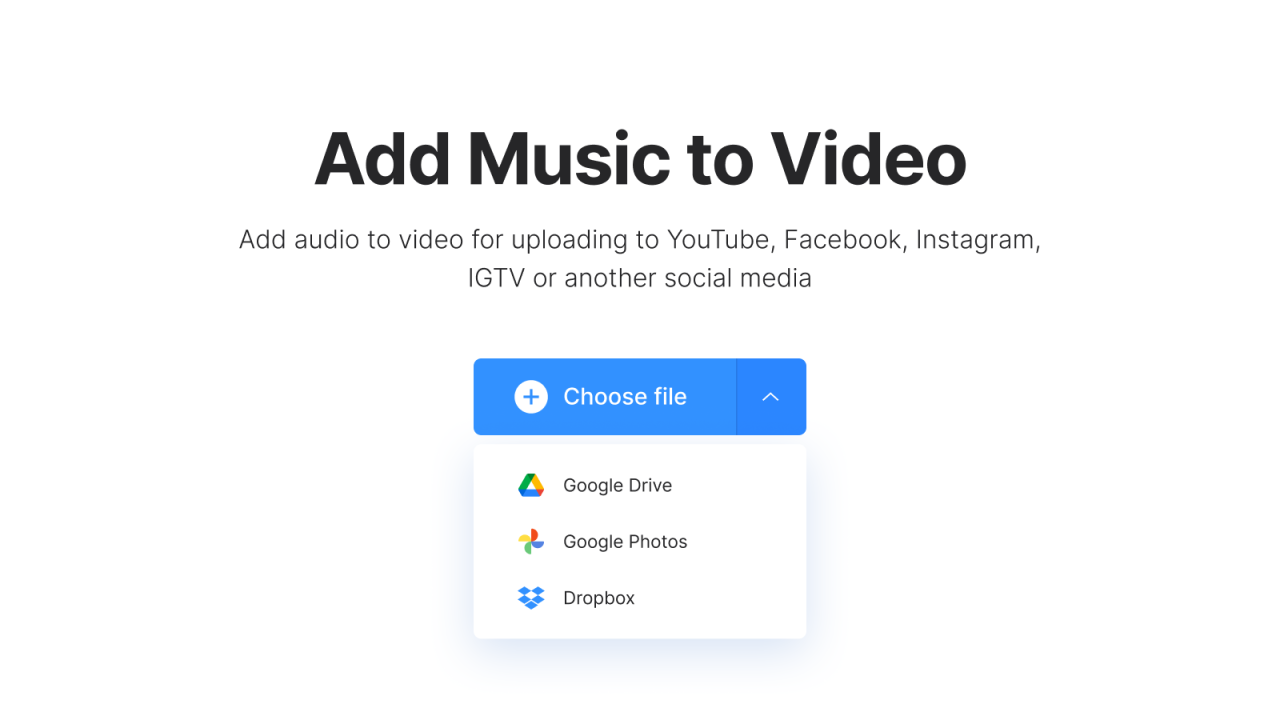
Selecting the right background music is crucial for enhancing your video’s narrative and emotional impact. It’s not just about finding a track you like; it’s about finding a track that serves your video’s purpose effectively. This section will guide you through the process of making informed choices and integrating music seamlessly.
Evaluating Music Suitability: A Checklist
To ensure your chosen music aligns perfectly with your video’s message and tone, a structured evaluation process is essential. This checklist will help you systematically assess potential tracks before committing to them.
- Mood Alignment: Does the music evoke the intended emotions? For a documentary, a somber or reflective tone might be appropriate. For a product launch, something energetic and optimistic would be better.
- Pacing and Energy: Does the music’s tempo match the visual rhythm of your video? A fast-paced montage requires upbeat music, while a slow-motion scene might benefit from a more subdued track.
- Genre Consistency: Does the music’s genre fit the overall style and subject matter of your video? A classical piece might clash with a sci-fi vlog, for instance.
- Instrumentation: Are the instruments used in the music appropriate for the video’s theme? For example, a nature documentary might feature acoustic instruments, while a corporate explainer video might opt for electronic or orchestral sounds.
- Vocal Content: If the music has vocals, do the lyrics complement or detract from your message? Instrumental tracks are often safer to avoid distracting from narration or dialogue.
- Originality and Uniqueness: Does the music stand out, or does it sound generic and overused? Aim for tracks that add a unique flavor to your content.
- Licensing Clarity: Have you confirmed that you have the legal right to use the music in your video, as per the licensing terms? This is paramount to avoid copyright infringement.
Ensuring Music Complements, Not Distracts
The goal of background music is to elevate your video, not to pull the viewer’s attention away from the primary content. Strategic placement and thoughtful selection are key to achieving this balance.To ensure your chosen music acts as a supportive element rather than a disruptive one, consider the following:
- Understand Your Narrative: Before selecting music, have a clear understanding of your video’s story, message, and intended emotional arc. The music should underscore these elements.
- Match Music to Visuals: Pay close attention to the visual cues in your video. If there are moments of high tension, the music should reflect that. For moments of reflection, a softer, more contemplative piece would be suitable.
- Prioritize Clarity of Dialogue/Narration: If your video features spoken word, the music should never overpower it. The music should sit comfortably beneath the voices, enhancing the mood without making it difficult to hear.
- Use Music to Guide Emotion: Background music is a powerful tool for manipulating viewer emotions. Use it to build anticipation, evoke empathy, or create excitement at appropriate moments.
- Avoid Jarring Transitions: Ensure that any changes in music are smooth and logical, mirroring shifts in the video’s tone or narrative. Abrupt musical changes can be jarring and disorienting for the viewer.
- Test and Iterate: Play your video with the music at various stages of editing. Get feedback from others to see if the music is effectively supporting the content or if it’s a distraction.
Adjusting Music Volume and Placement
The volume and precise placement of your background music are critical for its effectiveness. Even the best track can be detrimental if it’s too loud, too quiet, or in the wrong place.Here are guidelines for optimizing music volume and placement within your video:
- Dialogue-Centric Videos: For videos where dialogue or narration is the primary focus, the background music should typically be mixed at a lower volume. A common starting point is to set the music track at -18dB to -24dB relative to the dialogue level. This ensures the music is audible and contributes to the mood without competing.
- Music-Centric Videos: In cases where the music is a significant part of the content, such as music videos or performance recordings, the volume can be higher. However, it should still be balanced so that any accompanying visuals or spoken elements are not lost.
- Strategic Placement: Place music cues at points where they can have the most impact. This might be at the beginning of an emotional scene, during an action sequence, or to underscore a key revelation. Avoid placing music in areas where it might feel arbitrary or distracting, such as during quiet, contemplative moments where silence might be more powerful.
- Consider the Overall Soundscape: Think about how the music interacts with other audio elements in your video, such as sound effects and ambient noise. The goal is a cohesive and immersive audio experience.
- Dynamic Range: Use volume automation to create dynamic changes. For instance, you might slightly lower the music volume when a character speaks and raise it again when they finish.
Effective Fading Techniques
Fades are essential for creating smooth transitions into and out of background music, providing a professional polish to your video. They help the music integrate seamlessly with the video’s flow.These techniques will help you master fading music in and out:
- Fade-In at the Beginning: When introducing music at the start of a video or a new segment, a gradual fade-in is usually preferred. Start with the music at silence and slowly increase its volume over a few seconds (typically 1-3 seconds). This allows the viewer to become accustomed to the music without being startled.
- Fade-Out at the End: Similarly, when a piece of music needs to conclude, a fade-out is crucial. Gradually decrease the music’s volume to silence over a predetermined duration. The length of the fade-out can vary depending on the desired effect; a quick fade might suit an abrupt ending, while a longer fade can provide a sense of closure.
- Crossfading for Transitions: When transitioning from one music track to another, or from music to silence, crossfading is highly effective. This involves fading out the outgoing track while simultaneously fading in the incoming track. The overlap duration can be adjusted to create a smooth blend.
- Contextual Fading: The duration and intensity of your fades should always be dictated by the context of your video. A dramatic scene might call for a more pronounced fade, while a subtle shift might require a shorter, gentler fade.
- Listen Critically: Always listen to your fades at the intended playback volume to ensure they sound natural and are not too abrupt or too drawn out.
Tools and Resources for Legal Music Acquisition
![How Do You Add Music to AVS Video Editor [Detailed]](https://tipsandtrik.web.id/wp-content/uploads/2025/09/add-text-to-video-clip-with-background-music.png "How Do You Add Music to AVS Video Editor [Detailed]")
Navigating the legalities of music for your videos can seem daunting, but a wealth of tools and resources exist to simplify the process. These resources are designed to help you identify music ownership, understand licensing terms, and discover music that you can use legally, whether for personal projects or commercial ventures. Leveraging these tools will save you time, prevent potential legal issues, and ensure your creative vision is realized without compromise.
Music Identification Software for Copyright Checks
Music identification software plays a crucial role in the legal music acquisition process by helping to pinpoint the ownership and licensing status of a piece of music. These tools work by analyzing audio fingerprints, comparing them against vast databases of registered music. This allows creators to quickly determine if a track is protected by copyright and who holds the rights to it, which is essential before incorporating it into any video project.The primary function of music identification software in copyright checks is to provide a clear and concise report on a song’s origin and usage permissions.
This typically involves:
- Identifying the original artist and composer: This is the first step in understanding who created the music.
- Determining the publisher and record label: These entities often control the licensing rights.
- Checking against copyright databases: The software cross-references the audio with databases like ASCAP, BMI, SESAC, and others to confirm registration and ownership.
- Providing licensing information: Some advanced tools can even offer preliminary information on available licensing options or direct users to the appropriate rights holders.
Free and Paid Tools for Music Ownership Identification
Identifying music ownership is a critical step before using any track in your video. Fortunately, several tools, both free and paid, can assist in this endeavor, providing valuable insights into copyright holders and licensing possibilities.
Free Tools and Resources:
While free tools may offer less comprehensive data than paid services, they can still be incredibly useful for initial research and identifying well-known tracks.
- Google Search: A simple Google search using lyrics or distinctive musical phrases can often lead to the artist’s official website, Wikipedia page, or music databases where ownership information might be listed.
- YouTube’s Content ID System: While primarily for copyright enforcement, observing how YouTube handles music in videos can offer clues. If a video is flagged for copyright, the notification often indicates the claimant, which can be a starting point for further investigation.
- Online Music Databases (e.g., AllMusic, Discogs): These platforms provide extensive information about artists, albums, and track credits, often including details about songwriters and producers, which can aid in identifying rights holders.
Paid Tools and Services:
For more in-depth analysis and a higher degree of certainty, paid services offer more robust features and access to larger databases.
- Music Rights Management Platforms: Services like Rumblefish, Songtradr, and SoundBetter offer not only music libraries but also tools to help identify and license music, sometimes including features to track down specific rights holders for existing tracks.
- Copyright Registration Databases: While not always free to access detailed information, official copyright offices in various countries (e.g., the U.S. Copyright Office) maintain searchable databases of registered works.
- Professional Music Supervisors/Licensing Agents: For complex projects or when dealing with well-known music, hiring a professional music supervisor or licensing agent is a paid service that guarantees thorough research and legal clearance.
Resources for Legal Music for Videos
Sourcing legal music for your videos is paramount. A variety of platforms offer music that can be licensed for different uses, catering to both individual creators and professional productions. These resources are categorized to help you find the most suitable options based on your project’s needs and budget.
Music for Commercial Use:
When your video is intended for commercial purposes (e.g., advertising, promotional content, business websites), you need music with explicit commercial licensing.
- Premium Stock Music Libraries (Paid): Platforms like Artlist, Epidemic Sound, Musicbed, and Soundstripe offer subscription-based or per-track licensing for commercial use. They provide high-quality, curated music with clear licensing terms that cover commercial applications.
- Direct Licensing from Publishers/Labels (Paid): For very specific or well-known tracks, direct licensing from major music publishers and record labels is an option, though this is typically the most expensive route and often involves negotiation.
- Custom Music Composition (Paid): Hiring a composer to create original music ensures you have exclusive rights and avoid any copyright issues.
Music for Personal and Non-Commercial Use:
For personal projects, vlogs, or educational content where monetization is not a primary goal, licensing requirements are often more relaxed.
- Royalty-Free Music Libraries (Free & Paid Tiers): Many of the previously mentioned premium libraries also offer free tiers or specific collections for non-commercial use. Additionally, sites like Pixabay Music, Free Music Archive (with specific licenses), and Bensound offer a good selection of music that can be used for free under certain conditions (e.g., attribution).
- Creative Commons Licensed Music: Websites like Jamendo and ccMixter host music released under various Creative Commons licenses. It is crucial to read and adhere to the specific license terms (e.g., attribution, non-commercial, no derivatives).
Workflow for Sourcing and Clearing Music Rights
A systematic approach to sourcing and clearing music rights ensures efficiency and minimizes the risk of copyright infringement. This workflow guides you from initial selection to final implementation.
- Define Your Music Needs: Before searching, clearly identify the mood, genre, and style of music required for your video. Consider the emotional impact you want to achieve and the overall narrative.
- Explore Legal Music Sources: Begin by browsing reputable royalty-free music libraries, stock media libraries, and platforms offering Creative Commons licensed music. If your budget allows, explore premium subscription services.
- Identify Potential Tracks: Select a few tracks that best fit your video’s requirements. Listen to them in context with your video footage if possible.
- Verify Licensing Terms: Carefully read and understand the license agreement for each chosen track. Pay close attention to usage restrictions, geographic limitations, and whether the license covers your intended use (e.g., commercial, non-commercial, broadcast).
- Document Your Licenses: Keep detailed records of all purchased licenses, including the track name, artist, source platform, license agreement, and date of purchase. This documentation is your proof of legal use.
- Clearance for Major Label/Publisher Music (If Applicable): If you absolutely must use a specific song from a major label or publisher, initiate the licensing process by contacting the relevant rights holder (publisher for composition rights, label for master recording rights). Be prepared for a potentially lengthy and expensive process.
- Attribute When Required: If the license or Creative Commons attribution requires it, ensure you provide proper credit to the artist and source in your video’s description or credits.
- Final Review: Before publishing your video, do a final check to ensure all music used is legally cleared and that all attribution requirements have been met.
Epilogue
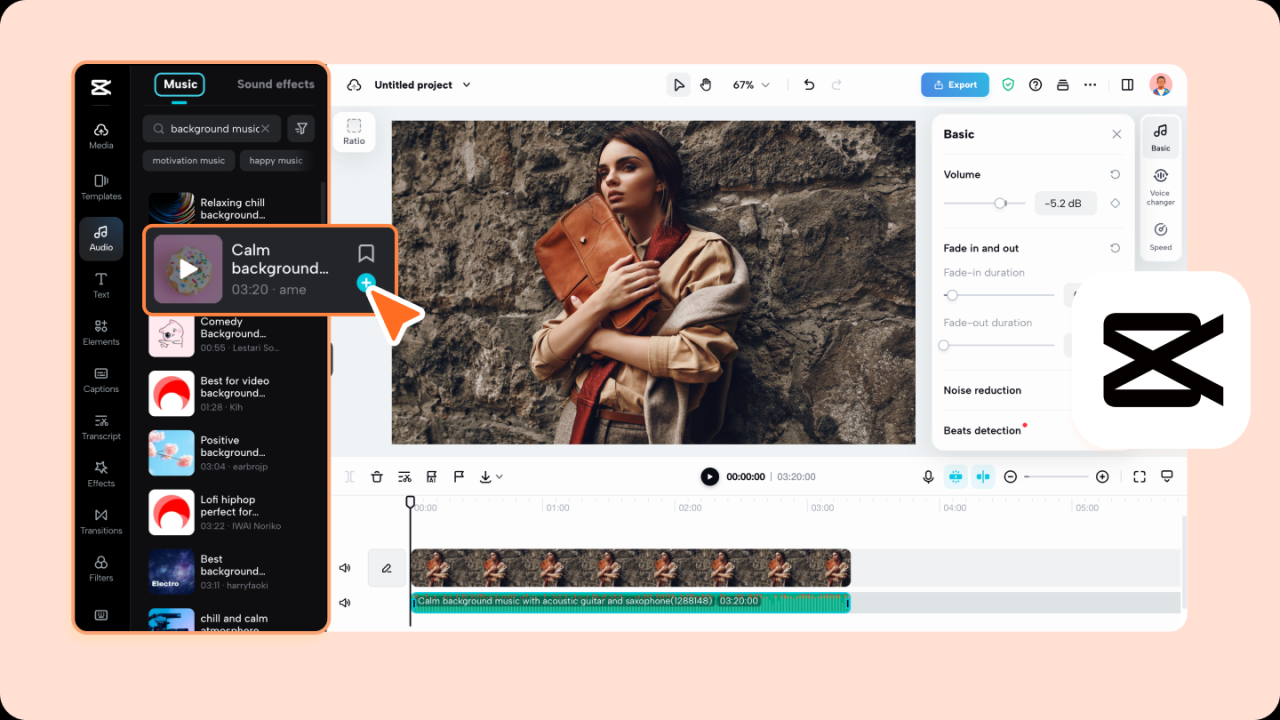
In conclusion, navigating the world of background music for your videos is an achievable and rewarding endeavor when approached with the right knowledge. By diligently understanding copyright, exploring royalty-free and Creative Commons options, and knowing how to properly license music, you can significantly enhance your video productions. Remember to always prioritize legal acquisition to protect your creative work and avoid potential legal entanglements, ensuring your storytelling can flow unimpeded.