Embark on a journey to elevate your video content with a unified visual identity. This guide, How to Create a Consistent Visual Brand for Your Videos, unveils the secrets to crafting a memorable and impactful brand presence that resonates deeply with your audience, transforming casual viewers into loyal followers.
We will explore the fundamental importance of visual consistency, delve into defining your unique video brand’s aesthetic, and provide actionable strategies for implementing this across all elements of your video production, from color palettes and typography to logos, lighting, and editing. Understanding and mastering these components is key to ensuring your videos not only look professional but also authentically represent your brand’s essence, fostering stronger recognition and recall.
Understanding Visual Brand Consistency in Video

Establishing a consistent visual brand identity across all video content is paramount for building a strong and memorable presence. In the dynamic world of digital media, where attention spans are fleeting, a cohesive visual language acts as a powerful anchor, helping your audience recognize and connect with your brand effortlessly. This consistency fosters trust, reinforces brand messaging, and ultimately drives greater engagement and loyalty.A well-defined visual brand for video is more than just a logo; it’s a holistic approach to how your brand appears on screen.
It encompasses a range of elements that, when harmonized, create a distinct and recognizable aesthetic. By meticulously planning and adhering to these elements, businesses can ensure their video content not only looks professional but also effectively communicates their brand’s essence and values to their target audience.
The Fundamental Importance of Visual Brand Consistency
The fundamental importance of a consistent visual brand identity for video content lies in its ability to cultivate recognition, build trust, and enhance memorability. In a crowded digital landscape, viewers are bombarded with a multitude of messages. A consistent visual presentation acts as a beacon, making your content instantly identifiable and distinguishing it from competitors. This familiarity breeds a sense of reliability and professionalism, encouraging viewers to engage more deeply with your brand.
Furthermore, consistent visuals reinforce your brand’s narrative and values, creating a stronger emotional connection with your audience over time, which is crucial for long-term brand recall and customer loyalty.
Core Elements Constituting a Visual Brand for Video
A robust visual brand for video is constructed from several interconnected elements that work together to create a unified and impactful presentation. These elements, when consistently applied, form the bedrock of your brand’s visual identity on screen.
- Color Palette: The selection of primary, secondary, and accent colors that are used throughout your videos. This includes background colors, text overlays, graphic elements, and any branded animations.
- Typography: The specific fonts chosen for titles, lower thirds, captions, and any on-screen text. Consistency in font families, weights, and sizes ensures readability and reinforces brand personality.
- Logo Usage: The clear and consistent placement and animation of your brand’s logo, whether it’s an intro sting, an end screen element, or a watermark.
- Imagery and Graphics Style: The overall aesthetic of any stock footage, custom illustrations, icons, or motion graphics used. This includes the mood, tone, and complexity of visual assets.
- Filming and Editing Style: The approach to camera work, lighting, composition, and editing pace. This can range from cinematic and slow-paced to fast-paced and dynamic, and should align with brand personality.
- Music and Sound Design: While not strictly visual, the consistent use of brand-aligned music and sound effects contributes significantly to the overall sensory experience and brand recognition.
- On-Screen Talent and Presentation: If human presenters are used, their styling, demeanor, and the way they interact with the camera can also be a part of the visual brand.
Impact of Visual Inconsistency on Audience Perception and Brand Recall
Visual inconsistency in video content can significantly undermine audience perception and hinder brand recall. When a brand’s visual elements fluctuate from one video to another, it creates a sense of disjointedness and unprofessionalism. This can lead viewers to question the brand’s credibility and attention to detail. For instance, a brand that uses bright, playful colors in one video and then shifts to dark, somber tones in the next might confuse its audience about its overall personality and message.The impact on brand recall is equally detrimental.
A consistent visual identity acts as a mental shortcut for the audience. When they see familiar colors, fonts, or graphic styles, they immediately associate it with your brand. Conversely, if these elements are constantly changing, the audience struggles to form a stable mental image of your brand, making it far less likely to be remembered when they need your product or service.
This lack of recognition directly translates to missed opportunities and a weakened market position.
Common Pitfalls Leading to Visual Brand Inconsistency in Video Production
Several common pitfalls can lead to visual brand inconsistency in video production, often stemming from a lack of clear guidelines or an oversight in the production process. Recognizing these challenges is the first step toward avoiding them.
- Lack of a Comprehensive Brand Style Guide: Without a documented set of visual brand standards specifically for video, individual creators or teams may interpret brand guidelines differently, leading to variations in color, typography, and graphic usage.
- Inadequate Briefing of Production Teams: If external production teams or freelance editors are not thoroughly briefed on the brand’s visual requirements, they may default to their own aesthetic preferences or industry norms, deviating from the established brand identity.
- Relying on Ad Hoc Design Choices: Making design decisions on the fly during editing without referring to a style guide can result in inconsistencies. This is particularly common in fast-paced production environments where expediency is prioritized over brand adherence.
- Using Inconsistent Templates: Employing a variety of different video templates or graphic elements from various sources without ensuring they align with the brand’s visual language can dilute brand consistency.
- Failure to Update Assets: As brands evolve, their visual assets might be updated, but older videos may continue to be used without incorporating the new branding, creating a visual disconnect.
- Over-Reliance on Stock Assets Without Customization: While stock footage and graphics can be useful, using them without sufficient customization to match the brand’s color palette, style, and overall aesthetic can lead to a generic and inconsistent look.
- Lack of Centralized Asset Management: When brand assets like logos, fonts, and graphic elements are not stored and managed in a central, easily accessible location, it increases the likelihood that outdated or incorrect versions will be used.
Defining Your Video Brand’s Visual Identity
Establishing a distinct visual identity for your video content is paramount to creating a memorable and recognizable brand. This involves a strategic approach to translating your brand’s essence into a cohesive set of visual elements that resonate with your target audience. By meticulously defining these aspects, you lay the groundwork for consistent and impactful video production.This section focuses on building a robust framework for identifying and articulating your video brand’s core visual style.
We will explore how to imbue your brand’s personality into tangible visual components and Artikel the essential attributes to consider. Furthermore, we will detail the process of crafting a dedicated visual brand guide for your video endeavors.
Framework for Identifying and Articulating Core Visual Style
Developing a clear framework ensures that your video brand’s visual identity is not an arbitrary collection of elements, but rather a deliberate and strategic expression of your brand’s core values and personality. This structured approach provides a roadmap for all visual decision-making.A comprehensive framework can be built by addressing the following key areas:
- Brand Archetype: Identify your brand’s underlying archetype (e.g., Hero, Sage, Jester). This fundamental understanding will inform the overall tone and feel of your visuals. For instance, a “Hero” brand might employ bold, dynamic visuals, while a “Sage” brand might opt for more understated, informative aesthetics.
- Target Audience Aesthetics: Research and understand the visual preferences of your ideal viewer. What colors, styles, and imagery do they respond to? This ensures your visuals are not only representative of your brand but also appealing to those you aim to reach.
- Competitor Analysis: Examine the visual styles of your competitors. Identify what works well, what might be overused, and where opportunities exist for differentiation. This analysis helps you carve out a unique visual space for your brand.
- Core Brand Message: What is the single most important message your brand communicates? Your visual identity should amplify and support this message. If your brand emphasizes innovation, visuals might incorporate modern, sleek design elements.
- Emotional Resonance: What emotions do you want your video content to evoke in viewers? Joy, trust, excitement, serenity? Your visual choices should be aligned with these desired emotional responses.
Translating Brand Personality into Visual Elements for Video
Brand personality is the human-like characteristic of your brand. Translating this abstract concept into concrete visual elements for video requires careful consideration of how different visual cues communicate specific traits. This translation ensures that your videos feel authentic and aligned with your brand’s overall voice.Consider these translations of common brand personality traits into visual elements:
- Playful/Fun: This personality can be expressed through vibrant, saturated colors, dynamic camera movements, playful animations, and perhaps even whimsical graphic elements or sound design. Think of brands that use bright, energetic visuals and upbeat music to convey a sense of joy and lightheartedness.
- Sophisticated/Elegant: This personality often translates into muted or monochromatic color palettes, clean lines, minimalist design, slow and deliberate camera pacing, and high-quality, refined imagery. Luxury brands frequently employ these visual cues to communicate exclusivity and refinement.
- Authoritative/Trustworthy: Visuals that convey authority might include stable camera shots, clear and legible typography, professional-looking graphics, and a color palette that evokes reliability, such as blues and grays. Content from financial institutions or reputable research organizations often adopts this approach.
- Innovative/Cutting-Edge: This personality can be visualized through futuristic design elements, bold and unexpected color combinations, abstract graphics, dynamic transitions, and unique camera angles that challenge convention. Tech companies and forward-thinking startups often leverage these visual strategies.
- Authentic/Down-to-Earth: This personality is best represented by natural lighting, less polished or “raw” footage, relatable settings, and a color palette that feels organic and genuine. Brands focusing on natural products or community often adopt this style.
Key Visual Attributes to Consider When Building a Video Brand
When constructing a video brand’s visual identity, several key attributes demand careful attention. These are the building blocks that, when consistently applied, create a recognizable and cohesive visual language across all your video content.To ensure a strong and consistent visual brand, consider the following attributes:
- Color Palette: Define a primary and secondary color palette. These colors should be consistently used in graphics, text overlays, backgrounds, and even the color grading of your footage. For example, a brand might consistently use a specific shade of teal and a warm grey.
- Typography: Select one or two font families that align with your brand’s personality. These fonts should be used for all on-screen text, titles, and lower thirds. A sans-serif font might convey modernity, while a serif font could suggest tradition.
- Logo and Iconography: Determine how your logo will be presented in videos (e.g., intro sting, watermark). Develop a consistent style for any icons or graphical elements used throughout your content.
- Imagery Style: This encompasses the type of photography or videography used. Will it be aspirational, documentary-style, abstract, or product-focused? Consistency in subject matter, lighting, and composition is crucial.
- Graphic Elements and Animation: Define the style of any motion graphics, transitions, and animations. Are they smooth and subtle, or bold and energetic? The animation style should complement the overall brand personality.
- Tone and Mood: This is an overarching attribute that guides all other visual choices. It refers to the overall feeling your videos should convey, whether it’s energetic, calm, serious, or humorous.
Creating a Visual Brand Guide Specifically for Video Content
A visual brand guide is an indispensable tool for maintaining consistency. For video content, this guide should be tailored to address the unique challenges and opportunities presented by the medium. It serves as a definitive reference for anyone involved in the video production process, ensuring that every visual decision aligns with the established brand identity.The process of creating a video-specific visual brand guide typically involves the following steps:
- Document Core Brand Guidelines: Begin by referencing your existing brand guidelines. Extract and rephrase information relevant to visual elements, such as logo usage, color palettes, and typography.
- Define Video-Specific Color Usage: Detail how your brand colors should be applied in video. This includes specifying RGB and HEX values for digital use, and potentially CMYK for any print collateral that might be associated. Provide examples of acceptable and unacceptable color combinations in video contexts.
- Establish Typography Hierarchy and Application: Clearly define which fonts to use for different text elements in videos (e.g., main titles, subtitles, call-to-actions). Specify font sizes, weights, and spacing for optimal readability on various screen sizes.
- Artikel Logo Placement and Animation: Provide precise instructions on where and how your logo should appear. This might include a static watermark, an animated intro sequence, or a subtle outro graphic. Specify the duration and animation style of any logo animations.
- Specify Imagery and Videography Style: Describe the desired aesthetic for all visual content. This could include guidelines on shot composition, lighting techniques, camera angles, and the overall mood or tone of the footage. For example, a guide might state: “All footage should be shot with natural light where possible, avoiding harsh shadows, and maintaining a shallow depth of field to draw focus to the subject.”
- Detail Graphic and Animation Standards: Provide examples and specifications for motion graphics, lower thirds, transitions, and any other animated elements. This ensures a consistent visual language for informational graphics and scene transitions.
- Include Examples of “Do’s and Don’ts”: Visual examples are crucial. Showcase side-by-side comparisons of what is acceptable and what is not, demonstrating correct and incorrect applications of brand elements in real video scenarios. This practical guidance is invaluable for editors and designers.
- Address Audio Branding (Optional but Recommended): While this guide focuses on visual identity, briefly mentioning consistent use of brand jingles, sound effects, or voiceover styles can further enhance brand recognition.
Crafting a Distinctive Logo and Graphic Element Usage
Your video brand’s visual identity culminates in its logo and the supporting graphic elements. These components are the most recognizable facets of your brand and play a crucial role in reinforcing recognition and professionalism across all your video content. A well-designed logo and thoughtfully integrated graphics ensure that viewers can instantly associate your videos with your brand, even without explicit mentions.The strategic use of your logo and graphic elements transforms a collection of videos into a cohesive brand experience.
It’s about creating a visual language that is not only aesthetically pleasing but also functional and consistent, making your content memorable and trustworthy.
Logo Design for Video Adaptability
Designing a logo that performs well across various video formats requires careful consideration of its simplicity, scalability, and visual impact. A versatile logo can be easily recognized whether it appears as a small watermark, a full-screen intro animation, or a favicon on a video platform.Key strategies for creating an adaptable video logo include:
- Simplicity is Key: Opt for a clean design with minimal detail. Complex logos can become illegible when scaled down. Think about iconic shapes or strong typography that are easily identifiable.
- Scalability: Ensure your logo looks good at both very small and very large sizes. Test its appearance on different screen resolutions and devices. Vector formats (like SVG) are ideal for maintaining quality across all scales.
- Color Palette: Use a limited and distinct color palette that aligns with your overall brand colors. This ensures consistency and allows the logo to stand out against various backgrounds. Consider how it will appear in both full color and monochrome.
- Memorability: A unique and memorable logo helps viewers associate it with your brand. Avoid generic imagery and strive for a design that reflects your brand’s personality and message.
- Format Versatility: Prepare your logo in various file formats (e.g., PNG with transparency, SVG, JPG) and sizes to accommodate different video editing software and platform requirements.
Optimal Logo Placement and Frequency
The placement and frequency of your logo in videos should enhance brand recognition without distracting from the content. The goal is to be present enough to be noticed but subtle enough not to disrupt the viewer’s experience.Consider the following for logo integration:
- Watermarking: A common practice is to place a semi-transparent logo in a corner of the screen throughout the video. This provides constant brand visibility. The optimal position is often the bottom right or bottom left corner to avoid obscuring important on-screen information or faces.
- Intro and Outro Sequences: Incorporating your logo prominently in the opening and closing sequences of your videos is highly effective. This can be a static logo or a dynamic animation that introduces and concludes your content.
- Transitions and Scene Changes: A brief, subtle logo animation can be used during scene transitions or as a visual cue to mark the end of a segment. This adds a professional touch and reinforces brand presence.
- Avoid Overuse: While consistency is important, avoid placing the logo too frequently or in a way that is intrusive. Too much logo presence can be annoying and detract from the video’s message.
- A/B Testing: Experiment with different placements and timings to see what resonates best with your audience. Analytics can provide insights into viewer engagement with different branding elements.
Creating Supporting Graphic Elements
Beyond the logo, a set of supporting graphic elements can significantly enhance your video brand’s visual language. These elements, such as icons, shapes, and animations, should be designed to complement your logo and overall brand aesthetic, creating a unified visual experience.The creation of these elements involves:
- Iconography: Develop a consistent style for any icons used in your videos, whether for on-screen text overlays, chapter markers, or graphic representations of concepts. Icons should be simple, clear, and aligned with your brand’s visual style.
- Shape Language: Define specific shapes or graphic motifs that are characteristic of your brand. These can be used as backgrounds, dividers, or decorative elements within your videos. For instance, a brand might consistently use rounded corners or sharp, angular shapes.
- Animated Graphics: Create animated versions of your logo, icons, or other brand elements. These animations can be used for intros, outros, transitions, or to highlight key information. The animation style should reflect your brand’s personality – whether it’s energetic, sophisticated, or playful.
- Color and Typography Integration: Ensure all supporting graphics adhere to your brand’s color palette and typography guidelines. This reinforces consistency and makes the elements instantly recognizable as part of your brand.
- Consistency in Style: The overall style of these graphic elements should feel cohesive. If your logo is modern and minimalist, your supporting graphics should follow suit.
System for Storing and Accessing Assets
A well-organized system for storing and accessing approved logo files and graphic assets is essential for efficient and consistent video production. This prevents the use of outdated or incorrect branding elements and ensures that all team members can easily find and integrate approved assets.Establish a robust asset management system by:
- Centralized Cloud Storage: Utilize cloud storage solutions like Google Drive, Dropbox, or OneDrive to create a shared folder for all brand assets. This allows for easy access from anywhere and facilitates collaboration.
- Logical Folder Structure: Organize your assets into clear and intuitive folders. Categories might include “Logos” (with subfolders for different formats like PNG, SVG, EPS), “Icons,” “Animations,” “Templates,” and “Brand Guidelines.”
- File Naming Conventions: Implement a consistent file naming convention. For example, `[BrandName]_Logo_Primary_Color_PNG_20231027` or `[BrandName]_Icon_PlayButton_White_SVG`. This makes files easily searchable and identifiable.
- Version Control: Clearly label and store different versions of assets, especially logos and animations, to avoid confusion. Ensure that only the latest approved versions are easily accessible for active use.
- Brand Guidelines Document: Maintain a comprehensive brand guidelines document that details the correct usage of your logo, color palette, typography, and graphic elements. This document should be easily accessible alongside the asset library.
- Regular Audits: Periodically review your asset library to remove redundant files and ensure everything is up-to-date and properly organized.
Implementing Consistent Lighting and Cinematography
Lighting and cinematography are the silent storytellers of your video content, profoundly influencing mood, perception, and ultimately, brand recognition. Just as a painter chooses specific hues and brushstrokes, a consistent approach to lighting and camera work imbues your videos with a unique visual signature that viewers will subconsciously associate with your brand. This section delves into establishing these crucial elements for a cohesive and impactful visual identity.The strategic use of light is paramount in shaping the emotional landscape of your videos and reinforcing your brand’s personality.
Whether you aim for a bright, energetic, and approachable feel or a more sophisticated, dramatic, and introspective tone, lighting is your primary tool. Consistent cinematography, encompassing camera angles, shot composition, and movement, further solidifies this visual language, making your content instantly recognizable and reinforcing your brand’s established aesthetic.
Establishing a Signature Lighting Style
A repeatable lighting style ensures that every video, regardless of its specific subject matter, carries the same visual DNA. This consistency builds familiarity and trust with your audience, making your content stand out in a crowded digital space. Think of it as the brand’s unique fingerprint, applied through the deliberate manipulation of light.To achieve this, consider the following:
- Key Light Placement and Quality: Determine the primary source of light and its position relative to your subject. A hard key light creates strong shadows and contrast, often conveying drama or intensity, while a soft key light, diffused and spread out, produces gentler shadows and a more flattering, approachable look. Your brand’s personality should dictate this choice. For example, a tech brand might opt for crisp, defined lighting, while a wellness brand might prefer soft, naturalistic light.
- Fill Light and Shadow Control: The fill light softens the shadows created by the key light. The ratio between the key and fill light determines the overall contrast of the image. A low fill ratio results in high contrast and dramatic shadows, whereas a high fill ratio creates a flatter, more evenly lit image. Control over shadows is crucial for maintaining the desired mood and avoiding distracting elements.
- Backlight and Rim Lighting: A backlight, placed behind the subject, separates them from the background, adding depth and a sense of polish. This can create a subtle “halo” effect, enhancing the subject’s presence. The intensity and color of the backlight can also contribute to the overall mood.
- Color Temperature: The color of your light (measured in Kelvin) significantly impacts the perceived mood. Warmer tones (lower Kelvin) evoke feelings of comfort, intimacy, and nostalgia, while cooler tones (higher Kelvin) can feel more modern, clinical, or energetic. Aligning your color temperature with your brand’s emotional palette is essential.
- Environmental Lighting Integration: Consider how natural light sources within your shooting environment can be incorporated or complemented by your artificial lighting. This can lend a more authentic and grounded feel to your videos.
Camera Angles, Shot Composition, and Movement
Beyond lighting, the way you frame your shots and move your camera plays a vital role in establishing a consistent visual identity. These elements communicate unspoken messages about your brand and the subject matter.Here are key aspects to consider for repeatable cinematography:
- Signature Camera Angles: Develop a preference for certain angles that align with your brand’s message. For instance, a brand focused on empowerment might frequently use low-angle shots to make subjects appear authoritative and strong. Conversely, a brand emphasizing accessibility and connection might favor eye-level shots.
- Consistent Shot Composition: Adhere to established compositional rules like the rule of thirds, leading lines, or symmetry in a way that becomes characteristic of your brand. This creates visual harmony and guides the viewer’s eye effectively. For example, a brand might consistently frame subjects slightly off-center to convey dynamism.
- Controlled Camera Movement: Define a set of camera movements that your brand will regularly employ. This could include smooth, deliberate pans and tilts to establish a sense of calm and deliberation, or subtle, dynamic dolly shots to convey forward momentum and progress. Overly shaky or erratic camera movements might be avoided if they contradict your brand’s desired image of stability and professionalism.
- Depth of Field: The use of shallow or deep depth of field can also contribute to your visual style. A shallow depth of field, with a blurred background, draws attention to the subject and can create a sense of intimacy or focus. A deep depth of field keeps both the foreground and background in sharp focus, offering context and a sense of spaciousness.
Pre-Production Checklist for Lighting and Camera Settings
A robust pre-production checklist ensures that your lighting and camera settings are meticulously planned and executed to align with your brand’s visual standards for every video project. This proactive approach minimizes deviations and guarantees consistency.A comprehensive checklist should include:
| Category | Checklist Item | Brand Standard/Notes | Action |
|---|---|---|---|
| Lighting | Key Light Quality (Hard/Soft) | [e.g., Soft, diffused light for approachable brand] | [Specify equipment, diffusion methods] |
| Key Light Placement | [e.g., 45-degree angle, slightly above eye level] | [Diagram or detailed description] | |
| Fill Light Ratio | [e.g., Low fill for contrast, high fill for flatness] | [Specify light intensity or f-stop difference] | |
| Color Temperature | [e.g., 5500K for neutral, 3200K for warm] | [Specify Kelvin setting on lights/camera] | |
| Cinematography | Primary Camera Angles | [e.g., Eye-level, slightly low angle] | [List preferred angles for different shot types] |
| Compositional Guidelines | [e.g., Rule of thirds, symmetrical framing] | [Reference style guide or examples] | |
| Camera Movement Style | [e.g., Smooth pans, minimal handheld] | [Specify preferred movement types and speeds] | |
| Camera Settings | White Balance | [e.g., Custom white balance based on key light] | [Record custom WB value or reference setting] |
| Frame Rate | [e.g., 24fps for cinematic, 30fps for standard] | [Specify target frame rate] | |
| Shutter Speed | [e.g., 180-degree rule (double frame rate)] | [Calculate and set based on frame rate] | |
| Aperture (Depth of Field) | [e.g., f/2.8 for shallow, f/8 for deep] | [Specify target aperture for different shots] |
Maintaining Consistency in Backgrounds and Set Design
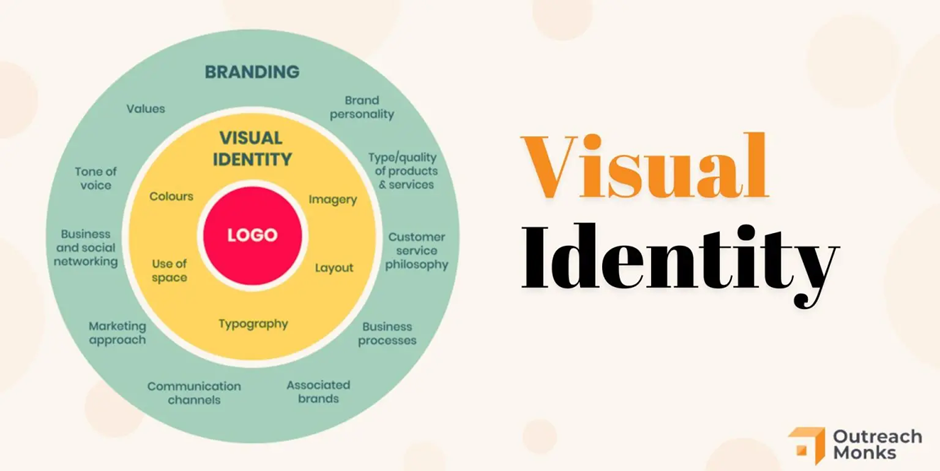
The environments where your videos are filmed play a crucial role in reinforcing your brand’s visual identity. A well-chosen background can instantly communicate your brand’s personality, values, and professionalism, while a mismatched or distracting one can dilute your message and confuse your audience. Consistency in backgrounds and set design ensures that every video feels like it belongs to the same brand universe, fostering recognition and trust.
Background Choices Reinforcing Brand Identity
Backgrounds are more than just filler; they are active participants in your brand’s storytelling. A minimalist, clean background might suggest sophistication and focus, ideal for corporate or educational content. Conversely, a vibrant, textured background could convey creativity and energy, fitting for lifestyle or entertainment brands. The key is to ensure the background aligns with the emotions and messages your brand aims to evoke.
Approaches to Visually Appealing and On-Brand Video Backgrounds
Creating effective video backgrounds involves strategic choices, whether working with physical spaces or digital tools. Each approach offers unique opportunities to align with your brand’s aesthetic.
- Physical Sets: Constructing a dedicated set allows for complete control over the environment. This could involve a branded studio space with company colors and logos subtly integrated, a professional office setting that reflects your industry, or even a curated outdoor location that aligns with your brand’s ethos. The tangible nature of a physical set can lend a sense of authenticity and solidity to your brand.
- Digital Backdrops: For greater flexibility and cost-effectiveness, digital backdrops offer a powerful solution. This includes using green screens to insert custom-designed backgrounds, motion graphics that animate your brand elements, or even high-quality stock footage that complements your brand’s visual style. Virtual sets can be particularly useful for creating diverse environments without the logistical challenges of physical travel.
- Location Scouting: Selecting existing locations requires a keen eye for how the space aligns with your brand. This might involve a trendy cafe for a casual brand, a modern co-working space for a tech startup, or a natural landscape for an eco-conscious brand. The goal is to find locations that inherently possess the visual qualities your brand represents.
The Importance of Prop Selection and Styling
Props are the details that bring a set to life and can significantly enhance your brand’s narrative. They should be chosen thoughtfully to complement the overall aesthetic and message.
- Brand Alignment: Props should reflect your brand’s personality. For a luxury brand, this might mean elegant, high-quality items. For a playful brand, more whimsical or colorful objects might be appropriate.
- Subtle Branding: Incorporating branded items, such as a branded mug, notebook, or even a product placement, can subtly reinforce brand recognition without being overly overt.
- Storytelling Elements: Props can also be used to tell a story or provide context. For example, books on a shelf can indicate expertise, while plants can suggest growth and vitality.
- Minimalism vs. Abundance: The quantity and type of props should also be considered. A minimalist approach can convey sophistication, while a more curated selection can add visual interest and personality.
Guide for Scouting or Designing Locations
Whether you’re building a set from scratch or finding an existing space, a systematic approach ensures consistency and brand alignment.
- Define Your Brand’s Visual Language: Before you begin scouting or designing, have a clear understanding of your brand’s core visual elements: colors, textures, styles, and overall mood. This acts as your guiding principle.
- Create a Mood Board: Compile images that represent your desired aesthetic. This can include examples of interiors, colors, textures, and even specific props that align with your brand.
- Consider Functionality and Logistics: Think about the practical aspects of the location. Does it offer good lighting? Is it quiet enough for filming? Are there power outlets available? How easy is it to access and set up?
- Evaluate Existing Locations: When scouting, look for spaces that naturally possess elements of your brand’s visual language. Pay attention to wall colors, furniture styles, natural light, and any existing decor that could be enhanced or incorporated.
- Design Custom Sets: If designing a set, start with a floor plan and then layer in elements like wall treatments, furniture, lighting, and props. Ensure that every element serves the purpose of reinforcing your brand.
- Test and Iterate: Once you have a potential location or design, conduct a test shoot to see how it looks on camera. This will help you identify any issues with lighting, color, or composition before committing to a full production.
- Document Your Choices: Create a style guide for your backgrounds and set design, documenting specific colors, furniture styles, prop categories, and any approved locations. This document will be invaluable for maintaining consistency across all your video productions.
Creating a Cohesive Editing Style
The editing process is where your raw footage transforms into a polished narrative, and it’s a powerful tool for solidifying your video brand. A consistent editing style ensures that every video feels like it belongs to the same family, reinforcing your brand’s personality and professionalism. This involves thoughtful decisions about pacing, transitions, and the strategic use of visual effects.The way you cut your footage, the speed at which scenes change, and the types of visual enhancements you employ all contribute significantly to how your audience perceives your brand.
A fast-paced, dynamic edit might suit a brand focused on energy and excitement, while a slower, more deliberate pace could convey thoughtfulness and sophistication. Similarly, the choice of transitions and effects can add a unique signature to your videos, making them instantly recognizable.
Pacing and Rhythm in Video Editing
The rhythm and speed of your edits directly influence the viewer’s emotional response and comprehension. Pacing dictates how quickly information is presented and how much time the audience has to absorb it. A well-paced video keeps viewers engaged, preventing boredom while also avoiding overwhelming them.Consider the following elements when establishing your video’s pacing:
- Shot Duration: Shorter shot durations create a sense of urgency and dynamism, ideal for action sequences or fast-paced content. Longer shot durations allow for reflection, build atmosphere, or emphasize a particular moment or emotion.
- Scene Transitions: The frequency and type of transitions between scenes can dramatically alter the perceived pace. Rapid cuts between scenes accelerate the pace, while longer, more deliberate scene changes slow it down.
- Music and Sound Design: The editing should be synchronized with the audio. The beat of the music, the sound effects, and spoken dialogue all influence the natural rhythm and can be used to guide the editing pace. For instance, cutting on the beat of music can create a powerful, synchronized feel.
- Information Density: The amount of information conveyed in each scene or segment impacts pacing. Overloading viewers with too much visual or textual information too quickly can lead to disengagement, even with rapid cuts.
For example, a tech review channel might use quick cuts and dynamic text overlays to showcase product features rapidly, appealing to an audience that values efficiency and up-to-date information. Conversely, a documentary channel might employ longer takes and slower transitions to allow viewers to immerse themselves in the narrative and appreciate the depth of the subject matter.
Visual Effects and Brand Identity
Visual effects (VFX) are not just decorative; they can be integral to your brand’s storytelling and aesthetic. When used consistently, VFX can become a recognizable hallmark of your video content, enhancing your brand’s unique identity.Developing a consistent approach to visual effects involves:
- Brand-Specific Graphics: This includes animated logos, lower thirds, on-screen text styles, and any custom graphical elements that appear throughout your videos. These should align with your brand’s color palette, typography, and overall aesthetic.
- Stylized Transitions: Instead of generic fades or wipes, consider creating custom animated transitions that incorporate your brand’s visual elements, such as subtle logo animations or flowing lines in your brand colors.
- Thematic Effects: If your brand has a particular theme, such as futuristic, vintage, or organic, specific visual effects can reinforce this. For instance, a sci-fi channel might consistently use glitch effects or holographic overlays, while a nature channel might use subtle, organic motion graphics.
- Color Grading Consistency: The overall color tone and saturation of your videos contribute significantly to their visual identity. Applying a consistent color grade across all your footage ensures a unified look and feel, reinforcing your brand’s mood and atmosphere.
A prime example is the distinctive use of animated title cards and motion graphics in many popular YouTube channels. Channels like Kurzgesagt – In a Nutshell are instantly recognizable due to their unique, colorful, and informative animated explainer style, which is consistently applied across all their videos.
Developing a Reusable Library of Transitions and Effects
To maintain editing consistency and efficiency, it’s crucial to build a library of pre-made transitions and effects that align with your brand’s visual identity. This library acts as your brand’s visual toolkit, ensuring that every edit is on-brand and saving significant time during the production process.The process of creating such a library involves:
- Identify Brand-Worthy Effects: Review your brand’s visual identity guidelines. What types of animations, colors, and styles best represent your brand? This might include specific shapes, line animations, or text effects.
- Design and Animate Custom Elements: Using video editing software or motion graphics software (like Adobe After Effects), create your transitions and effects. This could involve animating your logo, creating unique wipe transitions using brand colors, or designing specific text animation presets.
- Organize Your Assets: Store these custom transitions and effects in a clearly labeled folder structure within your editing software or on your computer. Group them by type (e.g., intro animations, transitions, lower thirds) for easy access.
- Test and Refine: Before integrating them into your workflow, test these assets across various video projects to ensure they look and function as intended and seamlessly integrate with your overall brand aesthetic.
For instance, a brand that uses a minimalist aesthetic might create clean, geometric transitions with subtle opacity changes and brand-color accents. These would be saved as presets or templates that can be easily dragged and dropped into any project.
Creating Project Templates for Uniformity
Project templates are invaluable for ensuring consistency across all your video projects. They pre-configure your editing software with essential elements, saving you from setting up the same parameters repeatedly.The steps to create effective project templates include:
- Set Up Project Structure: Within your editing software, create a new project and set up your preferred sequence settings (resolution, frame rate, audio settings).
- Import Brand Assets: Import your logo, brand color swatches, custom fonts, and any other recurring graphical elements into the project.
- Create Master Graphics: Design and place your standard intro and outro sequences, lower thirds, and any other recurring graphic overlays within the timeline.
- Establish Timeline Layout: Arrange the tracks on your timeline in a consistent manner (e.g., video tracks for B-roll, primary footage, graphics; audio tracks for music, voiceover, sound effects).
- Save as Template: Save this pre-configured project as a template file. Most editing software allows you to save projects as templates (.aet for After Effects, .prproj for Premiere Pro with specific template settings).
When starting a new video project, you would then open this template, ensuring that all the foundational elements for a brand-consistent video are already in place. This streamlines the editing process and guarantees that every video begins with the same visual framework, from the opening graphic to the track layout.
Incorporating Brand Music and Sound Design

Audio plays a crucial role in shaping the viewer’s perception and emotional response to your video content, often working in tandem with visual elements to create a memorable brand experience. Just as your visuals communicate your brand’s personality, your audio assets can reinforce it, evoke specific feelings, and enhance recall. A consistent approach to music and sound design ensures that every video, regardless of its specific topic, feels authentically connected to your brand.The emotional connection between audio and visual branding in video is profound.
Music, in particular, has the power to bypass cognitive filters and directly influence mood and emotion. An upbeat, energetic track can convey excitement and dynamism, while a more mellow, ambient piece might suggest calmness and sophistication. Similarly, well-placed sound effects can add realism, emphasize actions, or even inject humor, all contributing to the overall narrative and brand tone. When these audio elements are carefully selected and consistently applied, they become an integral part of your brand’s identity, making your content instantly recognizable and emotionally resonant.
Selecting Background Music for Brand Emotions and Energy
Choosing the right background music is paramount to establishing the desired emotional tone and energy for your brand’s videos. The music should not merely fill silence but should actively enhance the message and reinforce your brand’s core values and personality. Consider the overall feeling you want viewers to associate with your brand – is it innovative and forward-thinking, reliable and trustworthy, or perhaps playful and approachable?Methods for selecting background music involve a deep understanding of your brand’s target audience and the specific emotions you aim to evoke.
- Audience Profiling: Research the musical preferences of your target demographic. What genres, tempos, and moods resonate with them?
- Brand Archetype Alignment: Match music to your brand’s archetype. For example, a “Hero” brand might benefit from epic, orchestral scores, while an “Innocent” brand might prefer lighter, more whimsical melodies.
- Tempo and Energy Levels: For dynamic and engaging content, opt for faster tempos and more energetic tracks. For introspective or educational content, slower tempos and more ambient or classical pieces may be more suitable.
- Instrumental vs. Vocal: Instrumental tracks are generally preferred for background music as they are less likely to distract from the spoken content. However, a carefully chosen vocal track can sometimes enhance a specific emotional moment.
- Licensing and Rights: Always ensure you have the proper licenses to use any music in your videos to avoid copyright issues. Explore royalty-free music libraries, stock music sites, or commission custom music.
Consistent Use of Sound Effects and Jingles
Beyond background music, strategically employed sound effects and distinct jingles can serve as powerful, recognizable brand elements. These audio cues, when used consistently, create a sonic signature that viewers can associate with your brand, much like a visual logo. They can punctuate key moments, signal transitions, or reinforce brand messaging, making your videos more engaging and memorable.Sound effects can be integrated to enhance realism and immersion, or to create a specific stylistic effect that aligns with your brand’s personality.
For instance, a tech company might use subtle, futuristic sound effects to highlight product features, while a food brand might use satisfying “crunch” or “sizzle” sounds to evoke appetite. Jingles, short and catchy musical phrases, are exceptionally effective for brand recall. They can be used at the beginning or end of videos, during transitions, or as sonic punctuation marks for key brand slogans or calls to action.
Organizing an Approved Audio Asset Library
To ensure unwavering consistency in your sound branding across all video productions, it is essential to establish and maintain an organized library of approved audio assets. This library acts as a central repository for all music, sound effects, and jingles that align with your brand’s identity and have been cleared for use. This proactive approach prevents the use of disparate or inappropriate audio, which can dilute your brand’s message and confuse your audience.A well-organized audio asset library facilitates efficient workflow and maintains brand integrity.
- Categorization: Group audio assets by type (e.g., intro music, outro music, transition sound effects, specific product sounds) and by the mood or energy they convey (e.g., energetic, calm, professional, playful).
- Metadata Tagging: Assign relevant tags to each audio file, including s describing its content, emotion, tempo, and intended use. This makes searching and retrieval much faster.
- Version Control: If you have multiple versions of a jingle or a specific sound effect, ensure clear versioning to avoid confusion and maintain consistency.
- Usage Guidelines: Include brief guidelines within the library on when and how each audio asset should be used to ensure it’s applied appropriately and consistently.
- Accessibility: Make the library easily accessible to all members of your production team, whether through a shared cloud storage service or a dedicated digital asset management (DAM) system.
Practical Application and Workflow for Consistency
Establishing a consistent visual brand for your videos is not just about defining guidelines; it’s about seamlessly integrating these principles into your everyday production process. This section Artikels a practical approach to ensure your brand’s visual identity is consistently represented across all your video content, from initial concept to final delivery.Achieving visual consistency requires a structured workflow that involves meticulous planning, clear communication, and diligent review.
By embedding brand standards into each stage of production, you empower your team to create videos that are not only visually appealing but also deeply resonant with your brand identity.
Step-by-Step Integration of Visual Brand Guidelines
To effectively embed your visual brand guidelines into the video production workflow, a systematic approach is essential. This process ensures that every team member understands and adheres to the established standards, leading to a cohesive and recognizable brand presence.
- Pre-Production Briefing: At the outset of any new video project, conduct a thorough briefing session with all involved team members. This session should explicitly review the visual brand guidelines, highlighting key elements such as color palettes, typography, logo usage, and stylistic preferences.
- Script and Storyboard Review: During scriptwriting and storyboarding, ensure that visual cues and scene descriptions align with the brand’s aesthetic. This includes considering the mood, tone, and visual style that will best represent the brand.
- Asset Creation and Approval: Any new graphic elements, animations, or visual assets required for the video must be created in strict accordance with the brand guidelines. A dedicated review process should be in place to approve these assets before they are used in production.
- Filming and Production Checks: On set, or during remote filming, regularly check that lighting, framing, camera angles, and set design are consistent with the established visual identity. A pre-approved shot list or mood board can be invaluable here.
- Editing and Post-Production Review: The editing phase is critical for maintaining visual consistency. Editors must adhere to the brand’s color grading, transitions, and overall pacing. A formal review process for rough cuts and final edits is necessary to catch any deviations.
- Final Quality Assurance: Before final export and distribution, conduct a comprehensive quality assurance check. This final review should confirm that all visual elements, including graphics, text overlays, and overall aesthetic, are perfectly aligned with the brand guidelines.
The Role of Pre-Production Planning in Achieving Visual Consistency
Pre-production is the foundational stage where visual consistency is most effectively established and safeguarded. Thorough planning during this phase minimizes the risk of inconsistencies later in the production cycle.Pre-production planning serves as the blueprint for your video’s visual identity. It’s where decisions are made that will dictate the look and feel of the final product, ensuring that all subsequent steps align with your brand’s established aesthetic.
- Brand Style Guide Accessibility: Ensure the comprehensive brand style guide is readily accessible to all pre-production team members, including writers, directors, art directors, and cinematographers. This guide should be the primary reference for all visual decisions.
- Mood Board and Reference Creation: Develop detailed mood boards and visual reference collages that encapsulate the desired aesthetic. These should include examples of color palettes, lighting styles, camera techniques, and set designs that align with the brand.
- Shot List and Storyboard Development: Create detailed shot lists and storyboards that not only Artikel the narrative flow but also specify the visual treatment for each scene. This includes camera angles, framing, and potential graphic overlays.
- Location Scouting and Set Design Briefing: When scouting locations or designing sets, provide clear briefs that reference the brand’s visual identity. The chosen environments and set elements should naturally complement the brand’s aesthetic.
- Talent and Wardrobe Guidelines: If talent is involved, establish guidelines for their appearance, including wardrobe and makeup, to ensure they align with the brand’s visual representation.
- Technical Specification Definition: Define technical specifications for cinematography and editing, such as preferred aspect ratios, frame rates, and color spaces, to ensure a consistent technical foundation.
Strategies for Reviewing and Approving Video Content
A robust review and approval process is indispensable for ensuring that all video content adheres to brand standards. This process involves multiple checkpoints and clear communication channels to identify and rectify any deviations before final release.Implementing a systematic review process acts as a quality control mechanism, guaranteeing that every video project aligns with the established visual identity and brand messaging.
This is crucial for maintaining a unified and professional brand image.
- Tiered Review System: Establish a tiered review system where initial reviews are conducted by production leads, followed by a brand guardian or marketing manager for final approval.
- Checklist-Based Reviews: Develop detailed checklists based on the brand style guide. Reviewers should use these checklists to systematically assess each video for adherence to specific visual elements, such as logo placement, color accuracy, font usage, and graphic consistency.
- Annotation and Feedback Tools: Utilize collaborative platforms or annotation tools that allow reviewers to provide specific feedback directly on video frames. This facilitates clear communication and efficient revisions.
- A/B Testing for Brand Impact: For significant campaigns, consider A/B testing different visual approaches to gauge audience reception and ensure the chosen aesthetic has the desired brand impact.
- Regular Brand Audits: Periodically conduct audits of all published video content to identify any emergent inconsistencies or areas where guidelines may need clarification or updates.
System for Team Collaboration for Consistent Visual Branding
Facilitating consistent application of visual branding across multiple video creators requires a collaborative system that emphasizes shared understanding, accessible resources, and clear communication. This ensures that whether one or multiple individuals are creating content, the brand’s visual integrity remains intact.A well-designed collaborative system empowers your team to work cohesively, ensuring that individual creative input enhances, rather than detracts from, the overarching visual brand.
| Element | Description | Implementation Strategy |
|---|---|---|
| Centralized Brand Asset Library | A single, organized repository for all approved brand assets, including logos, fonts, color palettes, templates, and style guides. | Utilize cloud storage solutions (e.g., Google Drive, Dropbox, dedicated DAM systems) with clear folder structures and naming conventions. Regularly update the library with new assets and guidelines. |
| Standardized Templates | Pre-designed video templates for common formats (e.g., intros, outros, lower thirds, social media clips) that incorporate brand elements. | Develop templates in editing software (e.g., Adobe Premiere Pro, Final Cut Pro) that are easy for team members to customize without compromising brand standards. |
| Regular Training and Onboarding | Ongoing training sessions and comprehensive onboarding for new team members focused on brand guidelines and their practical application. | Conduct workshops, create video tutorials explaining brand standards, and provide mentorship opportunities for new creators. |
| Cross-Functional Feedback Loops | Establishing channels for creators, editors, and marketing teams to provide feedback on visual consistency. | Implement weekly or bi-weekly sync-up meetings, utilize project management tools for feedback, and encourage a culture of constructive critique. |
| Brand Champion Role | Designating a specific individual or small team responsible for overseeing brand consistency and acting as a point of contact for guideline-related questions. | Empower the brand champion to review content, provide guidance, and update the brand guidelines as needed. |
Ending Remarks
By meticulously applying the principles discussed, you can cultivate a powerful and cohesive visual brand for your videos. This dedication to consistency ensures that every frame reinforces your brand’s message and identity, building trust and recognition with your audience. Embrace these strategies to unlock the full potential of your video content and create a lasting impression that truly sets you apart.