This guide delves into the art and science of capturing compelling overhead and top-down shots, a perspective that offers a unique and often revealing view of subjects and scenes. From understanding the fundamental differences between these angles to mastering the technical nuances of equipment, lighting, and composition, we will explore how to elevate your visual storytelling.
Whether you’re creating engaging tutorials, showcasing products with precision, or exploring artistic expression, mastering these perspectives is key to adding depth and clarity to your productions. This comprehensive exploration will equip you with the knowledge and techniques necessary to produce stunning visuals that captivate your audience.
Understanding Overhead and Top-Down Perspectives
Overhead and top-down shots, while often used interchangeably, offer distinct visual approaches that significantly impact how a story is told and information is conveyed. These perspectives allow viewers to see a scene from a unique vantage point, providing context, clarity, and a sense of control or observation. Understanding their nuances is crucial for filmmakers aiming to leverage their full potential.The fundamental difference lies in the angle of the camera relative to the subject.
An overhead shot is generally angled downwards, but not strictly perpendicular to the subject. A top-down shot, conversely, is shot at a precise 90-degree angle directly from above, looking straight down onto the subject. This subtle distinction in camera placement leads to different visual effects and storytelling capabilities.
Distinguishing Overhead and Top-Down Shots
While both offer a bird’s-eye view, the precise angle defines their characteristic. An overhead shot can be slightly angled, revealing more of the subject’s sides and creating a sense of depth. A top-down shot, being perfectly perpendicular, flattens the subject and emphasizes patterns, arrangements, and the spatial relationship between elements.
Visual Impact and Storytelling Potential
The visual impact of these shots is profound. Overhead shots can create a sense of omniscience or detachment, allowing the viewer to survey a scene like a strategist. They can emphasize scale, landscape, or the movement of multiple subjects within an environment. Top-down shots, on the other hand, excel at showcasing meticulous detail, order, and the precise execution of tasks.
They can highlight symmetry, intricate designs, or the step-by-step process of creation.
Common Use Cases in Various Media
These perspectives are invaluable across a wide spectrum of media, each serving specific purposes to enhance viewer comprehension and engagement.
- Cooking and Food Preparation: Top-down shots are ubiquitous in cooking shows and online tutorials. They allow viewers to clearly see the ingredients, the precise measurements, and the techniques being applied, such as chopping vegetables, whisking sauces, or plating dishes. This clarity is essential for learning and replicating recipes accurately.
- Tutorials and Demonstrations: Whether it’s assembling furniture, performing a craft, or demonstrating a software function, top-down views provide an unobstructed look at the process. This is particularly useful for showing the assembly of small components or the manipulation of objects on a flat surface.
- Product Demonstrations: For showcasing products, especially those with intricate designs or multiple parts, top-down shots offer a comprehensive overview. This can include displaying the layout of a new electronic device, the arrangement of items in a package, or the functionality of a tool.
- Artistic Expression and Cinematography: Beyond practical applications, filmmakers use overhead and top-down shots for artistic effect. They can be used to create abstract compositions, emphasize patterns in nature or urban landscapes, or convey a sense of isolation or vastness. For instance, a shot looking down on a single figure in a vast, empty space can powerfully communicate loneliness.
- Gaming and Strategy: In video games, especially real-time strategy (RTS) or simulation games, top-down perspectives are standard. They provide a clear overview of the game world, unit positions, and strategic deployments, enabling players to manage their resources and armies effectively.
- Documentaries and Journalism: These perspectives can offer a broader context for events, showing the scale of a protest, the layout of a disaster area, or the geographical features of a region being discussed.
The choice between an overhead and a strict top-down shot depends entirely on the narrative goal and the information that needs to be communicated. By mastering these perspectives, creators can elevate the clarity and impact of their visual storytelling.
Essential Equipment for High-Quality Shots
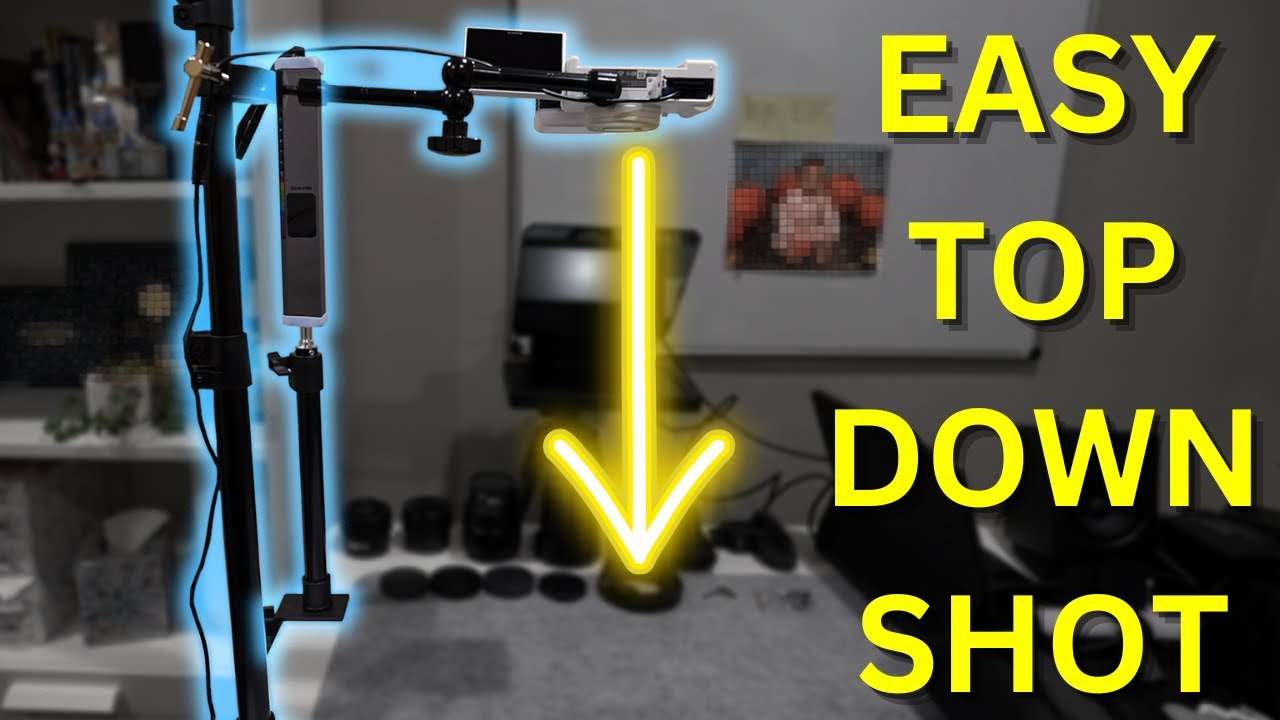
To achieve professional-looking overhead and top-down shots, selecting the right equipment is paramount. This section details the camera gear, mounting solutions, lighting, and audio tools that will significantly enhance the quality and stability of your productions. Investing in appropriate equipment not only simplifies the filming process but also elevates the final output, ensuring clarity, stability, and a polished aesthetic.
Camera Bodies and Lenses
The choice of camera body and lenses directly impacts the resolution, dynamic range, and overall visual fidelity of your overhead shots. Modern mirrorless and DSLR cameras offer excellent image quality, often with advanced features like high frame rates for slow-motion and robust autofocus systems.
Recommended Camera Bodies:
When selecting a camera body for overhead filming, consider factors such as sensor size, video resolution capabilities (e.g., 4K or higher), and frame rate options. Cameras with good low-light performance can also be beneficial, especially in situations where extensive lighting setup is not feasible.
- Full-Frame Mirrorless Cameras: These offer superior low-light performance and shallower depth of field, ideal for artistic, blurred backgrounds. Examples include Sony Alpha series (e.g., a7 IV, a7S III), Canon EOS R series (e.g., R5, R6 Mark II), and Nikon Z series (e.g., Z7 II, Z9).
- APS-C Mirrorless Cameras: A more budget-friendly option that still provides excellent image quality and portability. Brands like Fujifilm (X-T series), Sony (a6000 series), and Canon (EOS M/R series) offer compelling choices.
- DSLR Cameras: While mirrorless cameras are gaining popularity, DSLRs still offer robust performance and a wide range of lens options. Nikon (D850, D780) and Canon (5D Mark IV, 1D X Mark III) are notable examples.
Recommended Lenses:
The type of lens you choose will influence the field of view and the ability to capture detail. For overhead shots, versatility is key, allowing you to adapt to different subject sizes and compositions.
- Wide-Angle Lenses (e.g., 24-70mm equivalent): These are excellent for capturing a broad view of a scene or larger subjects. They allow you to position the camera further away while still encompassing the entire frame.
- Macro Lenses: If your overhead shots involve intricate details or small subjects, a macro lens is indispensable. It allows for extreme close-ups with remarkable clarity.
- Prime Lenses (e.g., 50mm, 85mm): While less versatile in terms of zoom, prime lenses often offer superior sharpness and wider apertures, which can be beneficial for achieving a shallow depth of field and isolating subjects.
Stabilizers for Overhead Shots
Maintaining a steady camera is crucial for professional overhead and top-down shots. Any wobble or vibration can detract significantly from the perceived quality. Stabilizers, whether built into the camera or external, ensure smooth, professional footage.
Benefits of Stabilizers:
Stabilizers counteract unwanted camera movement, which is especially important when filming from a fixed overhead position. This can be due to external vibrations, slight movements of the rig, or even the natural tremor of human hands if handheld stabilization is being considered for specific dynamic shots.
- Smooth Footage: Eliminates jitters and shakes, resulting in a cinematic and polished look.
- Enhanced Stability: Crucial for fixed overhead shots where even minor movements are noticeable.
- Creative Freedom: Allows for smooth pans, tilts, and zooms that would be impossible to achieve handheld.
Types of Stabilizers:
- Gimbals: While primarily used for handheld dynamic shots, advanced gimbals can be integrated into overhead rigs to provide an extra layer of stabilization, particularly for robotic movements or when the rig itself might experience subtle vibrations.
- Tripod Heads with Fluid Damping: For static overhead setups, a high-quality tripod head with fluid damping can offer smooth, controlled movements and prevent jerky adjustments.
- Camera-Internal Stabilization (IBIS): Many modern cameras feature in-body image stabilization, which can significantly reduce minor vibrations. This is a good first line of defense, especially when combined with other stabilization methods.
Specialized Mounts and Rigs
Achieving consistent and stable overhead shots often requires more than just a standard tripod. Specialized mounts and rigs are designed to position the camera precisely above your subject and keep it perfectly still.
Benefits of Specialized Mounts and Rigs:
These systems are engineered to provide a secure and stable platform for your camera, ensuring it remains in the desired position throughout the shoot. They are crucial for repeatable framing and for minimizing any potential for the camera to drift or tilt unexpectedly.
- Precise Positioning: Allows for exact placement of the camera directly overhead, ensuring consistent framing shot after shot.
- Height Adjustment: Many rigs offer adjustable height, enabling you to control the field of view and perspective.
- Stability and Vibration Isolation: Robust construction minimizes vibrations from the surrounding environment or the rig itself.
- Payload Capacity: Designed to securely hold various camera and lens combinations.
Types of Mounts and Rigs:
- Overhead Camera Jibs/Cranes: These offer a wide range of motion, allowing for smooth vertical and horizontal movements while maintaining an overhead perspective. They can be ceiling-mounted or freestanding.
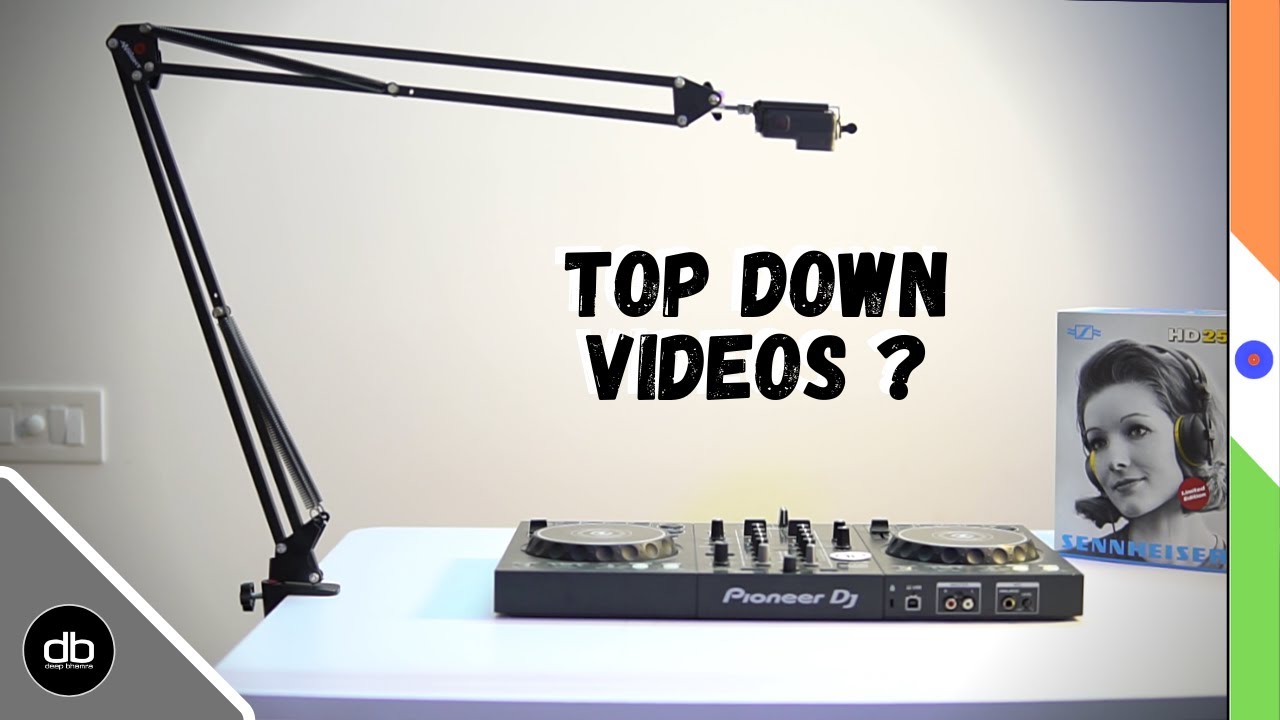
- C-Stands with Extension Arms: A versatile and common solution. A sturdy C-stand can support a heavy-duty extension arm, allowing the camera to be positioned directly over the subject. Counterweights are essential for balance and safety.
- Gantry Systems: For larger studios or long-term installations, gantry systems that run on tracks can offer unparalleled flexibility and precision in camera placement.
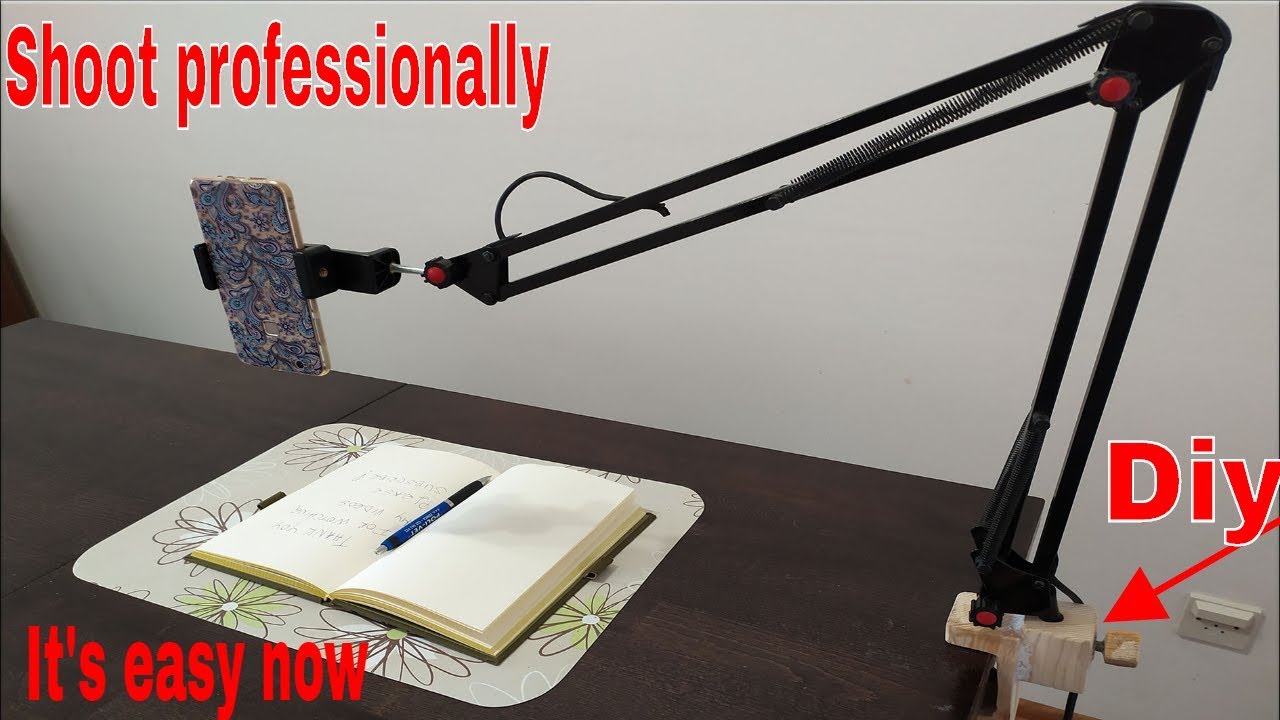
- DIY Solutions: With careful planning and robust materials, custom rigs can be built to specific needs, often involving sturdy metal tubing and secure clamping mechanisms. Safety and weight distribution are critical for DIY rigs.
“The stability of your camera is the bedrock of a professional overhead shot; without it, even the best lighting and composition will falter.”
Lighting Equipment
Effective lighting is crucial for illuminating your subject from above, creating depth, and avoiding harsh shadows. The goal is to provide even, controlled illumination that enhances the details of your subject.
Benefits of Overhead Lighting:
Direct overhead lighting can create a dramatic look, emphasize texture, and provide a clean, uniform illumination. The key is to manage the intensity and diffusion to achieve the desired effect.
- Even Illumination: Provides consistent light across the subject, minimizing dark areas.
- Texture Enhancement: Can highlight the three-dimensional qualities of objects.
- Controlled Shadows: Allows for precise placement of shadows to shape the subject.
Recommended Lighting Equipment:
The type of lights you use will depend on your budget and the desired aesthetic. LED panels are popular for their versatility and controllability.
- LED Panels: Offer adjustable brightness and color temperature, making them highly versatile. Many have diffusion panels built-in or can accept external diffusers.
- Softboxes: When attached to a light source, softboxes create a larger, softer light source, which wraps around the subject and reduces harsh shadows. Large octaboxes or strip boxes are excellent for overhead use.
- Diffusion Materials: Materials like diffusion paper, silks, or bounce cards can be used to soften and spread the light, creating a more flattering and even illumination.
- Light Stands: Sturdy light stands are necessary to position lights at the required height and angle. Consider stands with a wide base for stability.
When setting up overhead lighting, consider the directionality. Light directly from above can create a “top light” effect, which can be very flattering for certain subjects but may also flatten features. Experimenting with slightly off-axis overhead lighting can add more dimension.
Audio Recording Considerations
While visual elements are primary for overhead shots, good audio is equally important for a complete production. Minimizing ambient noise and ensuring clear dialogue or sound effects is crucial, especially when the camera is positioned above the action.
Minimizing Ambient Noise:
The overhead perspective can sometimes amplify ambient sounds. Proactive measures are necessary to ensure clean audio capture.
- Quiet Environment: Whenever possible, film in the quietest environment available. Turn off HVAC systems, fans, and any other sources of background noise.
- Sound Dampening: Consider using acoustic foam panels or blankets around the shooting area to absorb sound reflections and reduce echo.
- Microphone Placement: Position microphones as close to the sound source as possible without being visible in the shot. For overhead shots, this often means boom-mounted microphones positioned just out of frame.
Recommended Audio Equipment:
The right microphone and recording setup will ensure your audio is as clear as your visuals.
- Shotgun Microphones: These directional microphones are excellent for isolating sound from a specific source while rejecting ambient noise. Mounted on a boom pole, they can be positioned precisely.
- Lavalier Microphones: If subjects are speaking, lavalier microphones clipped to clothing can provide clear, consistent audio, though placement needs to be considered to avoid being visible.
- Boom Poles: Essential for positioning shotgun microphones close to the sound source without entering the frame.
- Portable Audio Recorders: Devices like the Zoom H series or Tascam recorders offer high-quality preamps and recording capabilities, allowing you to capture clean audio independent of the camera.
For overhead shots where the sound source is the subject itself (e.g., food preparation, crafting), consider placing microphones strategically to capture the intrinsic sounds of the activity, such as sizzling, chopping, or the texture of materials, while still minimizing any disruptive ambient noise.
Camera Setup and Positioning Techniques
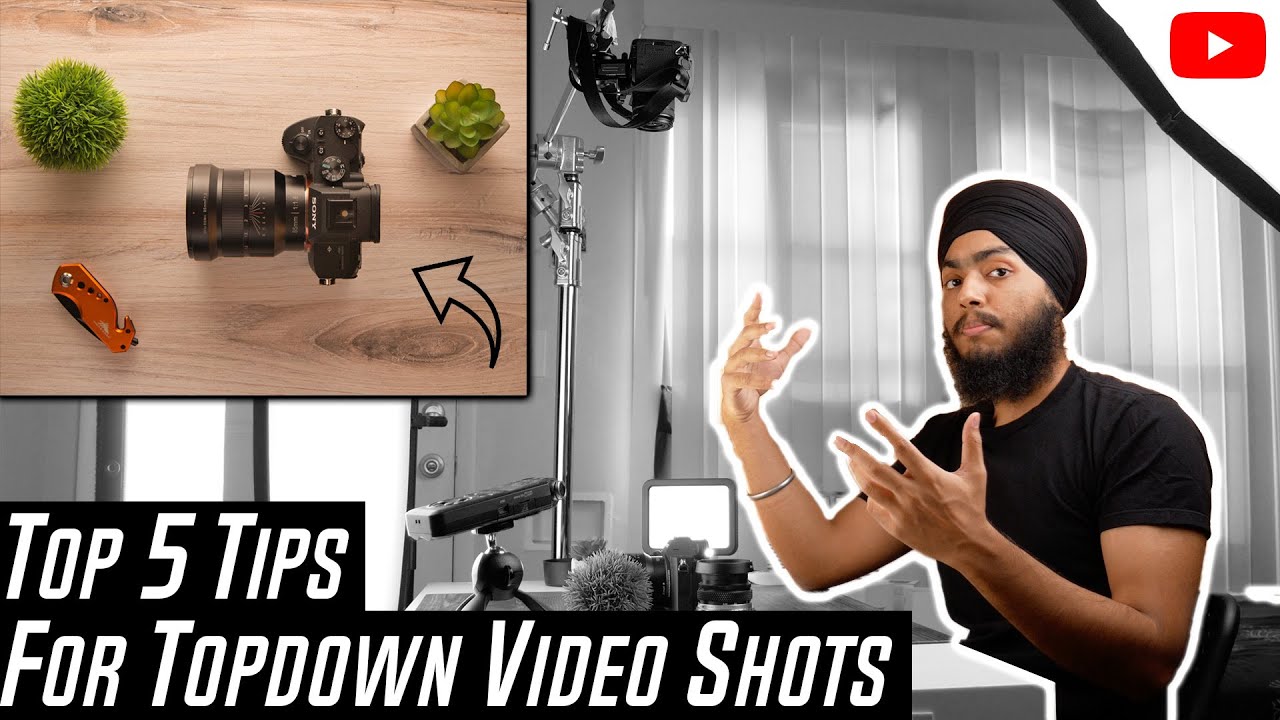
Mastering overhead and top-down shots involves meticulous camera setup and precise positioning. This section will guide you through the essential steps to achieve professional-grade results, ensuring your camera is perfectly aligned for stunning visual narratives. We will cover everything from building a stable rig to fine-tuning your focus and depth of field for maximum impact.Achieving the perfect overhead perspective requires a deliberate and systematic approach to camera placement.
The goal is to create a stable, repeatable setup that allows for creative control over framing and focus, minimizing unwanted movement and ensuring clarity in every shot.
Camera Rig Assembly for Overhead Filming
Constructing a stable camera rig is paramount for overhead and top-down shots. A wobbly rig will lead to shaky footage, detracting significantly from the professional quality you aim to achieve. The following steps Artikel a common and effective method for building such a setup.
- Mounting the Support Structure: Begin by securing a sturdy horizontal support. This could be a robust boom arm extending from a C-stand, a dedicated overhead rig system, or even a carefully positioned ceiling mount if your location allows. Ensure the support is capable of bearing the weight of your camera and any accessories without flexing.
- Attaching the Camera Mount: To the end of the horizontal support, attach a stable camera mount. This is typically a ball head or a fluid head tripod head, which allows for precise adjustments in tilt and pan. For top-down shots, a specialized downward-facing mount or a tilting bracket might be necessary to achieve a perfect 90-degree angle.
- Securing the Camera: Mount your camera onto the head. Ensure it is firmly attached using the appropriate tripod screw. Double-check that the camera is balanced on the mount, especially if using a heavier lens or accessories.
- Adding Stability Counterweights: If using a boom arm or any cantilevered system, it is crucial to counterbalance the weight of the camera. Use sandbags or specialized counterweights attached to the opposite end of the support to prevent tipping and ensure overall stability.
- Cable Management: Carefully route and secure all cables (power, HDMI, etc.) to prevent them from dangling into the shot or interfering with camera movement. Use cable ties or gaffer tape for a clean and professional setup.
Achieving Precise Framing and Composition
Top-down views offer a unique perspective, and achieving precise framing is key to leveraging this advantage. This involves understanding how to position your camera relative to your subject to create visually compelling compositions.To achieve precise framing, consider the following techniques:
- Grid Systems and Guides: Utilize the grid overlay features in your camera’s viewfinder or on an external monitor. The rule of thirds, golden ratio, or even simple quadrant divisions can guide your placement of key elements within the frame.
- Subject Placement: Decide where your primary subject will sit within the top-down frame. Will it be centered for symmetry, off to one side for dynamic tension, or following a specific path?
- Background Consideration: Even though the focus is often on the action below, the background elements visible at the edges of the frame can add context or detract from the shot. Ensure they are clean and complementary.
- Test Shots and Refinement: Take numerous test shots as you adjust the camera position. Zoom in and out, and move the camera slightly to see how the composition changes. This iterative process is vital for perfecting the frame.
- Using a Monitor: An external monitor, especially one with focus peaking and exposure aids, is invaluable for fine-tuning composition from an overhead perspective, as direct viewing can sometimes be challenging.
Calculating Camera Height and Distance for Desired Field of View
Determining the correct camera height and distance is fundamental to achieving your desired field of view (FOV). This calculation ensures that your entire subject, or the specific portion you wish to capture, fits perfectly within the frame without cropping or excessive empty space.The relationship between camera height, lens focal length, and the resulting field of view can be understood through basic trigonometry.
While exact calculations can be complex, a practical approach involves understanding these key principles:
The field of view is inversely proportional to the distance of the camera from the subject and directly proportional to the focal length of the lens.
Here’s a practical guide:
- Understand Your Lens: Different lenses have different focal lengths. A wide-angle lens will capture a broader area from the same height, while a telephoto lens will offer a narrower, more magnified view.
- Start with a Target Size: Decide on the approximate dimensions of the area you want to capture. For example, if you are filming a recipe, you might want to capture a standard cutting board.
- Use a Reference Object: Place an object of known size (like a ruler or a standard-sized prop) in your shooting area.
- Iterative Adjustment:
- Begin by positioning the camera at a moderate height.
- Take a test shot and observe the size of the reference object in the frame.
- If the object is too small, lower the camera or move it closer.
- If the object is too large and being cropped, raise the camera or move it further away.
- Focal Length and FOV Calculators: For more precise calculations, you can use online field of view calculators. These tools typically require your camera’s sensor size, the lens’s focal length, and the desired framing dimensions to suggest the appropriate distance.
- Example: If you are using a 50mm lens on a full-frame camera and want to capture an area approximately 1 meter wide, you would use a FOV calculator to determine the approximate distance needed. A quick online check might suggest a distance of around 1.2 meters to achieve this.
Ensuring Consistent Focus and Depth of Field
Maintaining sharp focus and controlling the depth of field are critical for professional-looking overhead shots, especially when dealing with moving subjects or multiple planes of focus.To ensure consistent focus and depth of field:
- Manual Focus is Preferred: While autofocus can work, it can be unreliable with overhead shots, especially if the subject moves erratically or if there are changes in lighting. Manual focus allows for precise control.
- Focus Pulling Techniques: If your subject moves, you will need to perform focus pulls. This involves pre-marking focus points or using a follow focus system to smoothly transition focus from one distance to another. Practice these transitions beforehand.
- Depth of Field Considerations:
- Shallow Depth of Field: Achieved with a wide aperture (low f-number like f/1.8 or f/2.8). This isolates the subject from the background but requires very precise focus, as the plane of acceptable sharpness is narrow. This is ideal for highlighting a specific detail.
- Deep Depth of Field: Achieved with a narrow aperture (high f-number like f/8 or f/11). This keeps more of the scene in focus, from foreground to background. This is useful for showing the entire setup or action.
- Focusing on the Action Plane: Identify the primary plane where the action occurs and set your focus there. If there are multiple planes, consider using a depth of field that encompasses them or plan for focus pulls.
- Using a Focus Chart: For critical focus, especially in product shots or tutorials, use a focus chart placed within the scene to verify sharpness.
- Lighting’s Role: Adequate and consistent lighting can help your camera’s autofocus system (if used) and also ensures that your depth of field choices are more forgiving.
Lighting Strategies for Overhead and Top-Down Views
Achieving compelling overhead and top-down shots relies heavily on effective lighting. The perspective from directly above can flatten subjects or reveal intricate details, making the right lighting crucial for defining texture, form, and depth. Thoughtful illumination transforms a simple view into a visually engaging narrative.This section will delve into designing lighting setups that enhance the inherent qualities of your subject when viewed from above.
We will explore various lighting patterns and how they translate to this unique perspective, examine the use of natural light, and provide practical advice for mitigating common lighting challenges.
Designing Effective Lighting Setups
To effectively showcase texture and form from above, lighting needs to be strategically placed to create highlights and shadows that define the subject’s contours. The goal is to sculpt the subject with light, revealing its three-dimensional qualities even from a purely two-dimensional viewpoint.Effective setups often involve multiple light sources to control the direction, intensity, and quality of light. Consider the following elements when designing your lighting:
- Key Light: This is the primary light source that defines the subject’s shape and form. For overhead shots, positioning the key light slightly off-center can create a sense of volume.
- Fill Light: Used to soften shadows created by the key light, fill light ensures that details in darker areas are still visible. It’s important to balance fill light so it doesn’t eliminate all shadows, which can lead to a flat image.
- Backlight/Rim Light: While less common in strict top-down shots, a subtle backlight can help separate the subject from the background, especially if the subject has a defined edge or texture.
- Practical Lights: Incorporating functional lights within the scene, such as lamps or illuminated objects, can add realism and visual interest.
Lighting Patterns for Overhead Shots
Different lighting patterns can dramatically alter the mood and perception of a subject in overhead shots. While traditional portrait lighting patterns like Rembrandt and butterfly are designed for frontal views, their principles can be adapted to emphasize specific aspects of a subject from above.Understanding how light falls from above is key to applying these patterns effectively:
- Butterfly Lighting (Paramount Lighting): This pattern, characterized by a shadow cast directly below the nose, is achieved by placing the key light directly above and in front of the subject. In an overhead shot, this translates to placing the main light source directly above the subject. This creates a prominent shadow that falls across the subject, highlighting its central features and adding a dramatic effect.
It’s particularly effective for products with distinct shapes or when you want to emphasize a central focal point.
- Rembrandt Lighting: Known for the small triangle of light on the cheek opposite the light source, Rembrandt lighting is achieved by positioning the key light slightly to the side and above the subject. When applied to overhead shots, this means positioning the key light slightly off-center from directly above. This creates a subtle shadow that carves out form and adds depth without being overly dramatic.
It’s excellent for revealing textures and subtle contours.
- Broad Lighting and Short Lighting: These terms refer to whether the side of the face turned towards the camera is lit (broad) or the side turned away is lit (short). For overhead shots, this translates to positioning the key light more to one side of the overhead axis. Broad lighting from above might illuminate the majority of the subject, while short lighting from above would illuminate a smaller portion, creating more pronounced shadows and definition on the unlit side.
The choice of pattern depends entirely on the desired aesthetic and the nature of the subject. Experimentation is encouraged to discover what best suits your specific needs.
Utilizing Natural Light Sources
Natural light offers a beautiful and often cost-effective way to illuminate overhead and top-down shots. The quality of natural light can vary significantly, so understanding its behavior is essential.Key considerations for using natural light include:
- Window Light: Position your subject near a window. For overhead shots, the window should ideally be positioned to the side or slightly above your subject to create directional light. Diffusing the window light with a sheer curtain or diffusion panel can soften harshness and create a more flattering illumination.
- Time of Day: The intensity and color temperature of natural light change throughout the day. Soft, diffused light during overcast days or during the “golden hours” (shortly after sunrise and before sunset) can be particularly beautiful. Direct midday sun can be too harsh and create strong, unflattering shadows.
- Reflection and Diffusion: If your natural light source is too harsh, use white boards or reflectors to bounce light back into the shadows. Conversely, if the light is too direct, use diffusion materials to soften it.
- Consistency: Natural light can be inconsistent, especially if shooting over an extended period. Be prepared to adapt your shooting schedule or use supplemental artificial light to maintain consistency.
Natural light can lend a soft, organic feel to overhead shots, making it ideal for food photography, product showcases, or lifestyle content where a natural aesthetic is desired.
Tips for Avoiding Harsh Shadows and Unwanted Reflections
When lighting from directly above, harsh shadows and unwanted reflections are common challenges that can detract from the quality of your shots. Proactive strategies are necessary to ensure a clean and professional look.Here are essential tips to manage these issues:
- Diffusion is Key: Always consider using diffusion materials, such as softboxes, diffusion umbrellas, or even a simple sheer fabric, to soften your light sources. This will create a broader, more even spread of light, reducing the intensity of shadows.
- Bounce Light: Employ reflectors (white, silver, or gold) to bounce light back into the shadowed areas. This technique effectively fills in shadows without introducing a new light source, maintaining a natural look. Position the reflector opposite your key light to lift the shadows.
- Control Specular Highlights: For glossy or reflective surfaces, be mindful of direct light sources. Position your lights so that reflections are either minimized or directed into areas that don’t distract from the subject. Sometimes, angling the subject or the camera slightly can help manage reflections.
- Polarizing Filters: A polarizing filter can be incredibly useful for controlling reflections, especially on shiny surfaces like glass or metal. It allows you to selectively reduce or eliminate unwanted glare.
- Lower Light Intensity: Sometimes, the simplest solution is to reduce the intensity of your light sources. Lowering the power of strobes or dimming continuous lights can significantly soften shadows and reduce harshness.
- Consider the Background: Ensure your background is also lit appropriately. A dark background can make shadows on your subject appear harsher. Evenly lit backgrounds contribute to the overall balance of the shot.
By carefully managing your light sources and employing these techniques, you can ensure that your overhead and top-down shots are well-lit, showcasing your subject’s details without distracting artifacts.
Subject Placement and Movement in Overhead Shots
Capturing compelling overhead and top-down shots involves more than just pointing your camera straight down; it requires thoughtful consideration of how your subjects occupy and interact with the frame. Strategic placement and dynamic movement are crucial for creating visually appealing and narratively effective compositions. This section will guide you through optimizing these elements for impactful top-down filmmaking.Effective subject placement in overhead shots leverages the unique perspective to create balance, guide the viewer’s eye, and convey relationships or information.
The top-down view flattens depth, making composition and arrangement paramount.
Strategic Arrangement of Subjects within the Frame
The overhead perspective offers a bird’s-eye view, transforming scenes into abstract compositions or revealing intricate patterns. Strategic arrangement ensures visual harmony and directs audience attention.
- Rule of Thirds: While the traditional rule of thirds can be adapted, consider dividing the frame into a grid of four or more sections to create distinct areas of interest, especially when dealing with multiple subjects or elements.
- Symmetry and Balance: Utilize symmetry to create a sense of order and calm, or deliberately introduce asymmetry to create tension and visual dynamism. For instance, a perfectly centered subject can convey authority, while off-center placement can imply movement or instability.
- Leading Lines: Employ natural or created lines within the scene (e.g., pathways, furniture arrangements, shadows) to guide the viewer’s eye towards the primary subject or focal point.
- Negative Space: Judicious use of empty space can emphasize the subject, create a sense of scale, or add a minimalist aesthetic. In overhead shots, negative space can be particularly effective in isolating and highlighting a specific detail.
- Color and Texture Contrast: Position subjects with contrasting colors or textures against their background to make them stand out. This is especially useful for distinguishing elements in a busy scene.
- Pattern Recognition: Overhead shots are excellent for revealing patterns. Arrange subjects to create or disrupt existing patterns, adding visual interest and thematic depth.
Choreographing Subject Movement to Enhance Narrative Flow
Movement in top-down filming can transform static scenes into dynamic narratives. Choreographing these movements allows you to control the pace, build anticipation, and tell a story through action.
- Planned Paths: Define clear paths of movement for subjects. These paths can be straight lines, curves, or more complex routes, each conveying different emotions or intentions. A direct, straight path might suggest purpose, while a meandering one could imply hesitation or exploration.
- Pacing and Timing: Control the speed of movement to dictate the narrative’s pace. Slow, deliberate movements can build suspense or emphasize reflection, while rapid movements can convey urgency or excitement.
- Interaction and Relationships: Show how subjects interact with each other and their environment through their movement. Grouping, separating, or converging movements can visually represent relationships, conflicts, or collaborations.
- Reveal and Conceal: Use movement to gradually reveal elements of the scene or to strategically hide them, creating intrigue and drawing the viewer into the unfolding action.
- Circular or Repetitive Motions: These can be used to signify routine, obsession, or a lack of progress, adding a layer of subtext to the visual narrative.
Techniques for Capturing Dynamic Action from a High Vantage Point
Capturing dynamic action from above requires a keen eye for anticipating movement and framing it effectively. The high vantage point can simplify complex action into clear, graphic forms.
- Anticipatory Framing: Frame the space where the action is expected to occur, leaving room for subjects to enter and exit the frame. This creates a sense of anticipation and ensures that the action is captured smoothly.
- Tracking Movement: If possible, use a camera rig that allows for smooth tracking of moving subjects. This could involve a jib arm, a slider, or even careful manual panning with a stabilized camera.
- Focus on Gestures and Footwork: From above, subtle hand gestures and footwork can become prominent. Choreograph these details to convey emotion or intent clearly.
- Utilizing Environmental Elements: Incorporate environmental elements into the action. For example, a dancer interacting with a patterned floor, or a chef preparing ingredients on a visually interesting countertop.
- Slow Motion and Time-Lapse: These techniques can be particularly effective from overhead. Slow motion can highlight the grace or power of movement, while time-lapse can compress lengthy actions into engaging sequences.
Common Pitfalls in Subject Placement and Movement for Overhead Shots and How to Avoid Them
Even with careful planning, certain mistakes can detract from the impact of overhead shots. Being aware of these common pitfalls allows for proactive avoidance.
| Pitfall | How to Avoid |
|---|---|
| Cluttered Frame: Too many elements vying for attention, making it difficult to discern the subject. | Prioritize and simplify. Remove unnecessary props or background elements. Use negative space effectively to isolate the subject. |
| Static or Predictable Movement: Subjects moving in a monotonous or uninspired manner. | Vary the pace, direction, and style of movement. Introduce unexpected turns or pauses. Encourage interaction between subjects. |
| Poorly Defined Focal Point: The viewer doesn’t know where to look or what is important. | Use visual cues like lighting, color, contrast, or leading lines to clearly direct attention to the primary subject. |
| Lack of Narrative Cohesion: Movement doesn’t serve the story or create a sense of progression. | Storyboard movements in advance. Ensure each action contributes to the overall narrative arc or theme. |
| Subjects Obscuring Each Other: In multi-subject shots, one subject blocking another unintentionally. | Carefully plan the spatial relationships between subjects. Use camera height and angle adjustments to maintain clear visibility. |
| Camera Movement Not Syncing with Subject: Jerky or lagging camera movements that detract from the action. | Practice camera movements beforehand. Utilize stabilization tools and practice smooth, controlled movements. |
Camera Movement and Stabilization
Smooth and intentional camera movement is crucial for elevating overhead and top-down shots from static observations to dynamic storytelling tools. When executed effectively, these movements can guide the viewer’s eye, reveal information gradually, and add a sense of professionalism and polish to your footage. Mastering these techniques ensures your top-down perspective remains engaging and impactful.Achieving fluidity in camera movement is paramount for professional-looking overhead shots.
Without careful consideration, even slight jitters can detract significantly from the perceived quality of your video. This section will explore techniques to ensure your camera glides, pans, and tilts with grace, alongside the indispensable role of stabilization in maintaining clarity and impact.
Smooth Camera Movement Techniques
Executing smooth camera movements in overhead and top-down filming requires a combination of proper technique, appropriate equipment, and practice. These movements, when deliberate, can enhance the narrative by leading the viewer’s attention or revealing the scene in a controlled manner.
- Pans: A pan involves rotating the camera horizontally on its axis. For overhead shots, this can be used to reveal a wider area of the subject or to follow a moving element within the frame. The key to a smooth pan is to start and end the movement gradually, avoiding abrupt starts and stops.
- Tilts: Tilting the camera vertically allows you to shift focus from one part of the overhead scene to another, or to introduce elements from a higher or lower perspective within the top-down view. Similar to pans, controlled tilting ensures a seamless transition.
- Dollies (or simulated dollies): While a true dolly involves moving the entire camera support system forward or backward, in overhead filming, this often translates to a controlled push-in or pull-out motion directly above the subject. This can create a sense of intimacy or reveal details as you move closer.
- Crane or Jib Movements: For more dramatic overhead shots, a camera crane or jib arm can provide sweeping vertical and horizontal movements, allowing the camera to descend into a scene, ascend out of it, or create complex arcs.
The Importance of Stabilization
Blur-free and steady footage is a hallmark of high-quality production, especially in overhead shots where the camera is often at a distance from the subject. Any camera shake can be magnified, leading to distracting and unprofessional results. Effective stabilization ensures that the viewer’s focus remains on the content, not on distracting camera movements.
“In overhead cinematography, stabilization is not merely about eliminating shake; it’s about ensuring the intended motion is perceived as fluid and intentional, not accidental.”
Methods for Achieving Blur-Free Footage
Several methods can be employed to ensure your overhead shots are stable and free from unwanted blur. The choice of method often depends on the type of movement desired and the budget.
- Tripods with Fluid Heads: A sturdy tripod is the foundation for stable shots. A fluid head allows for smooth panning and tilting by providing resistance to movement. For overhead shots, consider tripods with a tilting center column or specialized overhead rigs that allow for vertical positioning.
- Gimbals: Electronic gimbals are highly effective at counteracting unwanted motion, providing incredibly smooth and stable footage, even when the camera operator is moving. They are particularly useful for tracking subjects or when freedom of movement is required.
- Sliders: Camera sliders, also known as linear sliders, allow for smooth, controlled horizontal or vertical (depending on orientation) movements. They are excellent for creating precise, repeatable linear moves, such as a gentle push-in or a side-to-side sweep.
- Dolly Tracks: For extremely smooth and precise linear movements, especially for longer shots, professional dolly tracks can be employed. These provide a dedicated rail system for the camera to move along.
- In-Camera Stabilization: Many modern cameras feature built-in image stabilization (IS) or electronic image stabilization (EIS). While helpful, these are often best used in conjunction with external stabilization methods for overhead work.
Gimbals Versus Sliders for Overhead Motion
Both gimbals and sliders are valuable tools for overhead filming, but they excel in different types of motion. Understanding their strengths allows for the optimal choice for a given shot.
| Equipment | Primary Use Case in Overhead Shots | Strengths | Limitations |
|---|---|---|---|
| Gimbals | Fluid, multi-directional movement, tracking moving subjects, handheld operation. | Excellent for dynamic, freeform movement; can compensate for operator movement; creates a very smooth, almost floating effect. | Can be more complex to set up and balance; may have limited range of motion in some configurations; can be battery-dependent. |
| Sliders | Precise linear movements (horizontal, vertical, or diagonal); repeatable moves; controlled push-ins and pull-outs. | Offers very smooth and controlled linear motion; easy to set up for specific, repeatable paths; can be manually operated or motorized for precision. | Primarily limited to linear paths; not ideal for freeform or multi-directional movement; can be bulky depending on length. |
Best Practices for Practicing and Executing Complex Camera Moves
Executing complex camera moves in top-down shots requires diligent preparation and rehearsal. The overhead perspective can amplify any mistakes, so thorough practice is essential for a polished final product.
- Storyboarding and Pre-visualization: Before you even set up your equipment, create storyboards or pre-visualize the exact path and speed of your camera movement. This mental or visual roadmap is crucial for complex sequences.
- Rehearse Without the Camera: Practice the physical movements required for your shot without the camera attached to the rig. This helps you get a feel for the timing and spatial awareness needed.
- Slow and Steady Wins the Race: When first practicing with the camera, start with very slow movements. Gradually increase the speed as you become more comfortable and achieve the desired fluidity.
- Use a Dummy Weight: If using a gimbal or fluid head, practice with a weight that mimics the camera’s actual weight. This allows you to learn how the system responds without risking your actual equipment.
- Mark Your Points: For sliders or tracks, mark start and end points clearly. For gimbals, practice initiating and ending movements at specific visual cues within the scene.
- Record and Review: Always record your practice attempts and review them critically. Identify areas where the movement falters, becomes jerky, or deviates from the intended path.
- Understand Your Equipment’s Limits: Familiarize yourself with the capabilities and limitations of your specific gimbal, slider, or fluid head. Pushing equipment beyond its design parameters will inevitably lead to poor results.
- Consider the Subject’s Movement: If your subject is also moving, synchronize your camera movement with theirs. This often requires multiple takes and careful coordination.
Framing and Composition Principles
Crafting compelling overhead and top-down shots involves more than just pointing the camera down; it requires a thoughtful approach to how elements are arranged within the frame. Effective framing and composition are crucial for guiding the viewer’s eye, conveying information, and evoking specific emotions. This section delves into established principles that can elevate your top-down videography from functional to artistic.The art of composition in overhead shots is about creating a balanced and engaging visual narrative.
By understanding and applying fundamental principles, you can transform a simple arrangement of objects into a captivating scene that communicates your intended message with clarity and impact.
Applying Compositional Guides
Compositional guides provide a framework for arranging visual elements within the frame to create harmony and visual interest. These guidelines are not rigid rules but rather starting points that, when understood and adapted, can lead to more impactful imagery.
- The Rule of Thirds: This classic guideline suggests dividing your frame into nine equal sections by two horizontal and two vertical lines. Placing key subjects or points of interest along these lines or at their intersections often results in a more dynamic and balanced composition than centering the subject. For overhead shots, this means considering where the main action or focal point of your subject matter lies relative to these invisible gridlines.
- Golden Ratio/Spiral: Similar to the rule of thirds, the golden ratio (approximately 1:1.618) and its associated spiral suggest an even more aesthetically pleasing distribution of elements. While more subtle, envisioning a gentle spiral guiding the viewer’s eye towards a focal point can enhance the flow and natural appeal of your composition.
- Symmetry and Balance: While the rule of thirds often leans towards asymmetry, perfectly symmetrical compositions can be incredibly powerful in top-down shots, especially when dealing with geometric patterns, reflections, or carefully arranged objects. Balance can be achieved not only through symmetry but also by distributing visual weight across the frame, ensuring no single area feels too heavy or empty.
Leading Lines and Symmetry for Visual Interest
Leading lines and symmetry are powerful tools that can dramatically enhance the visual appeal of your top-down compositions by directing the viewer’s attention and creating a sense of order or dynamism.
- Leading Lines: These are actual or implied lines within the frame that draw the viewer’s eye towards a specific point of interest. In top-down shots, leading lines can be created by pathways, rivers, roads, the edges of objects, or even the arrangement of food on a plate. For instance, a winding path through a garden seen from above can naturally lead the viewer’s gaze to a featured flower bed.
The strategic use of these lines can create depth and guide the narrative of your shot.
- Symmetry: Top-down perspectives are inherently well-suited for exploiting symmetry. This can be achieved through perfectly aligned objects, mirrored reflections, or the inherent geometric patterns of a subject. A meticulously arranged collection of items, a perfectly centered plate of food, or the symmetrical design of a building viewed from directly above can create a sense of order, harmony, and visual impact.
The Role of Negative Space
Negative space, often referred to as “empty” space, is the area surrounding and between the subject(s) of an image. In overhead and top-down shots, judicious use of negative space is vital for clarity, emphasis, and aesthetic appeal.
- Negative space prevents a composition from feeling cluttered and overwhelming. By allowing elements to breathe, it helps the viewer focus on the primary subject.
- It can create a sense of scale and isolation, emphasizing the subject’s importance or its environment. For example, a single, small object placed in a vast expanse of a plain tabletop will appear more significant due to the surrounding negative space.
- Strategic use of negative space can also contribute to the mood and atmosphere of the shot, conveying feelings of calm, minimalism, or grandeur.
Creating Visual Hierarchy in Top-Down Frames
Visual hierarchy is the arrangement and presentation of elements in a way that implies importance and guides the viewer’s eye through the composition in a specific order. In top-down videography, establishing a clear visual hierarchy ensures that your intended message is communicated effectively.
To create visual hierarchy, consider the following:
- Size and Scale: Larger or more prominent elements naturally draw more attention. Ensure your main subject is appropriately scaled within the frame to command attention.
- Contrast: Differences in color, brightness, texture, or shape can make elements stand out. A brightly colored object against a muted background will immediately capture the viewer’s gaze.
- Placement: As discussed with compositional guides, placing key elements at points of emphasis (like rule of thirds intersections) or in clear sightlines will establish their importance.
- Focus and Depth of Field: While often less pronounced in top-down shots where everything might be in focus, subtle shifts in focus or the use of selective focus can still guide attention. A slightly blurred background can make a sharp foreground subject pop.
- Repetition and Rhythm: Repeating elements can create a visual rhythm that leads the eye. A pattern of similar objects can guide the viewer through the frame, with variations in the pattern highlighting specific areas.
Practical Applications and Workflow
Having mastered the technical aspects of capturing stunning overhead and top-down shots, it’s time to integrate these skills into real-world projects. This section focuses on the practical application of your knowledge, guiding you through planning, execution, and post-production for a smooth and effective workflow. We will explore how to adapt your techniques to different shooting environments and how to leverage editing to enhance the visual storytelling of your overhead footage.Applying overhead and top-down perspectives effectively requires a structured approach, from initial concept to final delivery.
Understanding how to tailor your workflow to specific project types and shooting conditions is crucial for achieving high-quality results consistently. This section will provide actionable insights and a comprehensive checklist to ensure your overhead productions are both technically sound and creatively impactful.
Recipe Video Workflow Example
Filming a recipe video with overhead shots offers a unique perspective, allowing viewers to follow each step with clarity and precision. A well-defined workflow ensures that the visual appeal of the ingredients and the cooking process is maximized, making the final video engaging and easy to follow.The planning phase is paramount for a successful recipe video. This involves meticulously detailing each step of the recipe, considering the visual impact of each ingredient and action.
- Recipe Breakdown: List every ingredient and every action required for the recipe.
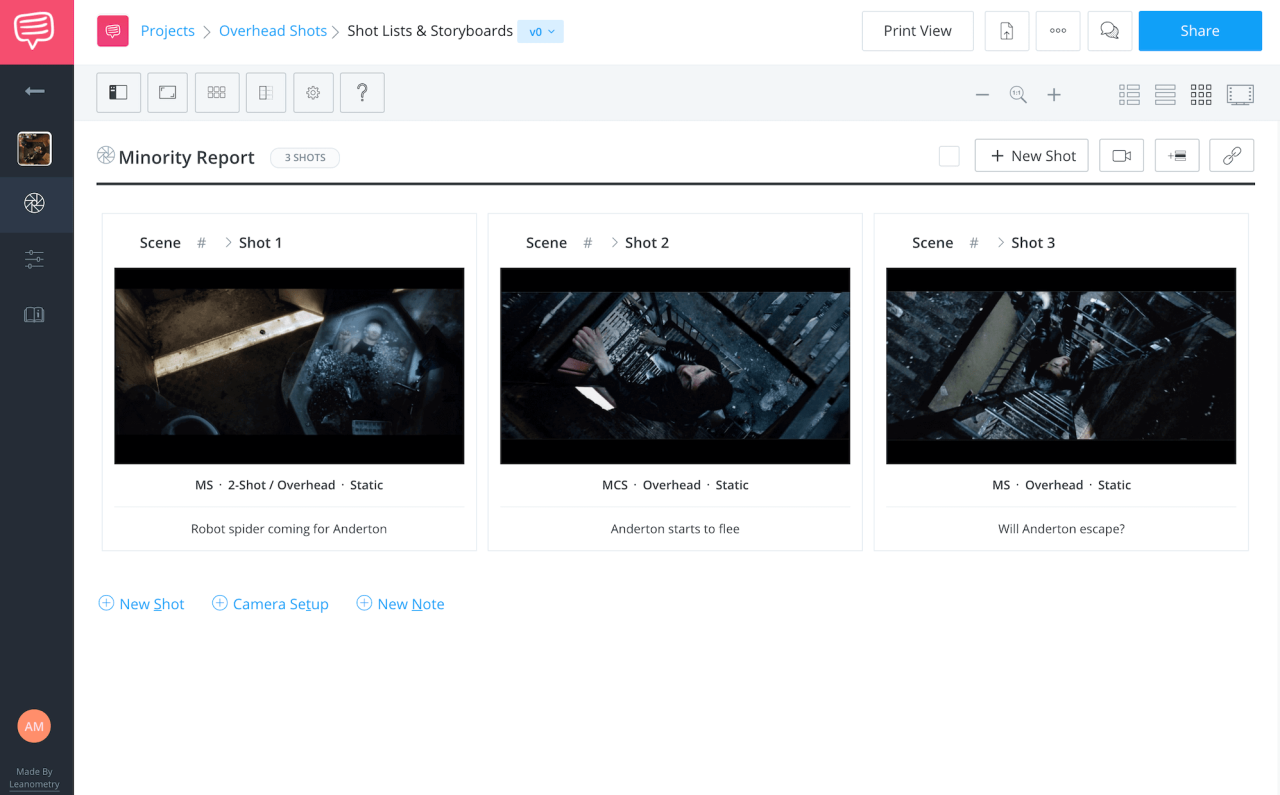
- Shot List Creation: For each step, determine the specific overhead or top-down shot needed. Consider the angle, framing, and any necessary camera movement. For example, a shot showing the precise amount of flour being measured requires a very specific top-down view.
- Ingredient Preparation: Ensure all ingredients are prepped and ready for filming. This includes chopping vegetables, measuring spices, and arranging them attractively.
- Prop Selection: Choose serving dishes, utensils, and background elements that complement the recipe and enhance the visual aesthetic.
- Lighting Plan: Determine the lighting setup to ensure even illumination and minimize shadows that could obscure details.
During the shoot, adherence to the shot list is key, but flexibility is also important. It’s beneficial to shoot multiple takes of each step to ensure you have options in the edit.
- Setup: Position your camera and lighting according to your plan.
- Execution: Film each step as planned, focusing on clean movements and clear visuals.
- B-roll: Capture additional shots of ingredients, textures, and finished dishes from various overhead angles to add visual interest and cover editing gaps.
- Cleanliness: Maintain a clean shooting area throughout the process. Spills or clutter can detract from the professionalism of the final video.
Post-production involves assembling the footage, refining the pacing, and adding any necessary voiceovers or music.
- Assembly: Arrange the clips in chronological order according to the recipe steps.
- Pacing: Adjust the duration of each shot to create a smooth and engaging viewing experience. Faster cuts for quick actions, longer holds for more detailed processes.
- Color Correction: Enhance the colors of the ingredients and the final dish to make them look appetizing.
- Sound Design: Add background music and any sound effects (e.g., sizzling) to enrich the viewer’s experience.
Common Challenges and Solutions
Filming overhead and top-down shots, while offering unique perspectives, can present a distinct set of technical hurdles. Addressing these proactively will significantly contribute to the professional quality of your final footage. This section delves into common issues and provides actionable strategies to overcome them, ensuring your productions are smooth and visually compelling.Understanding and mitigating these challenges is key to unlocking the full potential of overhead and top-down perspectives.
By anticipating potential problems and having solutions ready, you can maintain creative control and achieve the polished results you envision for your projects.
Technical Issues in Overhead Filming
Several technical issues can arise when capturing overhead and top-down footage. These often stem from the unique positioning of the camera and the subjects being filmed. Recognizing these common pitfalls allows for preparation and effective resolution, leading to cleaner, more professional results.
- Focus Inaccuracy: With a wide field of view and subjects at varying distances from the lens, achieving sharp focus across the entire frame can be difficult. Solutions include using a wider aperture for a shallower depth of field when appropriate, or stopping down the aperture to increase the depth of field for a sharper image throughout. For critical focus, manual focus with focus peaking enabled on your camera is highly recommended.
- Distortion: Wide-angle lenses, often used for overhead shots to capture a broad area, can introduce barrel distortion, making straight lines appear curved. Using prime lenses with a focal length that minimizes distortion, or employing lens correction profiles in post-production, can rectify this.
- Moire Patterns: Fine, repeating patterns on subjects, such as fabrics or screens, can create undesirable moire effects when viewed by the camera sensor. Using a camera with a higher resolution sensor, or slightly defocusing the lens, can help mitigate this. Sometimes, changing the camera’s angle relative to the pattern can also resolve the issue.
- Uneven Lighting: Achieving uniform illumination across a large overhead frame can be challenging, leading to hot spots or dark shadows. Careful lighting setup, using multiple light sources, and diffusion techniques are crucial for even coverage.
Camera Shake and Vibration Mitigation
Camera shake and vibration are particularly problematic in top-down shots, as any instability is amplified and directly visible, compromising the intended smooth and controlled aesthetic. Implementing robust stabilization techniques is paramount for achieving professional-looking results.
When filming from above, gravity and the inherent instability of camera rigs can introduce unwanted movement. This can manifest as subtle jitters or more pronounced shakes, detracting significantly from the viewer’s experience. Therefore, prioritizing stability in your setup and execution is essential.
- Rigid Mounting Solutions: Utilize sturdy tripods with robust legs, overhead booms, or specialized camera rigs designed for stability. Ensure all connections are tightened securely. For ultimate stability, consider mounting the camera directly to a ceiling or a securely anchored overhead structure.
- Gimbal or Stabilizer Use: While often associated with handheld shooting, gimbals can also be invaluable for stabilizing overhead shots, especially if the camera rig needs to be moved. Ensure the gimbal is properly balanced for the camera and lens combination.
- In-Camera Stabilization: Many modern cameras feature in-body image stabilization (IBIS) or lens-based stabilization. Activating these features can provide an additional layer of defense against minor vibrations.
- Post-Production Stabilization: If some shake is unavoidable, stabilization software in editing programs can help smooth out the footage. However, relying solely on post-production stabilization can lead to a loss of image quality or unwanted cropping, so it should be considered a last resort or a supplementary solution.
- Damping Materials: For static overhead setups, consider placing vibration-damping mats or foam beneath the camera rig or the surface it’s mounted on to absorb ambient vibrations.
Managing Reflections and Glare
Reflections and glare can be significant distractions in overhead and top-down shots, especially when filming reflective surfaces like glass, polished wood, or liquids. Strategically managing these optical artifacts is crucial for maintaining the integrity of your image.
Reflections can obscure the subject, create distracting bright spots, or even reveal the presence of the camera and lighting equipment. Glare, on the other hand, can blow out details and reduce contrast. Effective management requires a thoughtful approach to lighting and camera placement.
- Polarizing Filters: A polarizing filter is an indispensable tool for reducing reflections. By rotating the filter, you can selectively block light reflecting off non-metallic surfaces, significantly diminishing glare and unwanted reflections.
- Light Placement and Angling: Position your light sources so that their reflections are directed away from the camera lens. Experiment with the angle of your lights relative to the subject and the reflective surface. Often, positioning lights at a 45-degree angle to the surface can minimize direct specular highlights.
- Diffusion and Softening of Light: Using softboxes, diffusion panels, or bouncing light off a white surface can spread the light and reduce the intensity of direct reflections, making them less harsh and noticeable.
- Matte Surfaces and Textures: If possible, choose subjects or surfaces with matte finishes. If working with reflective materials, consider introducing textures or patterns that break up the reflective surface.
- Camera Angle Adjustments: Sometimes, a slight adjustment in the camera’s angle can move a distracting reflection out of the frame or into a less obtrusive position.
- Black Flags and Gobos: Use black flags or gobos (go-betweens) to block light from hitting reflective surfaces directly or to prevent the camera or lighting stands from being reflected in the shot.
Achieving Consistent Color Balance and Exposure
Maintaining consistent color balance and exposure across multiple overhead shots, especially when filming over an extended period or with different camera setups, is vital for a cohesive final product. Inconsistencies can be jarring and detract from the professional polish of your video.
Variations in color temperature, white balance, and exposure levels between shots can make editing a complex and time-consuming process. Implementing systematic approaches during filming can greatly simplify post-production and ensure a uniform look.
- Use a White Balance Card: Before each shooting session, and periodically throughout, photograph a gray or white balance card under your primary lighting conditions. This card serves as a reference point for setting your camera’s white balance in post-production.
- Manual White Balance: Whenever possible, set your camera’s white balance manually using a gray card or a neutral surface in the scene. Avoid relying on automatic white balance, as it can fluctuate between shots.
- Consistent Lighting Setup: Strive to maintain the same lighting setup for all shots that need to match. If you must change lights, note the exact settings and positions to replicate them as closely as possible.
- Log or Flat Picture Profiles: Shooting in a log format or a flat picture profile allows for greater flexibility in post-production color grading. This captures a wider dynamic range and more color information, making it easier to match shots.
- Exposure Monitoring Tools: Utilize your camera’s histogram and zebras to monitor exposure levels accurately. Aim to keep your exposure within a consistent range for all shots.
- Reference Shots: If you have a specific color palette or exposure level in mind, shoot a reference still image of a color chart or a neutral subject under your ideal lighting. Use this as a guide when shooting subsequent shots.
- Color Calibration in Post-Production: In your editing software, use scopes (waveform, vectorscope) to precisely match the color and exposure of your clips. Tools like DaVinci Resolve, Adobe Premiere Pro, and Final Cut Pro offer robust color correction and grading capabilities.
Advanced Techniques and Creative Exploration
Elevating your overhead and top-down footage beyond the basics involves integrating advanced techniques that can significantly enhance visual storytelling and impact. This section delves into creative applications of motion graphics, visual effects, the strategic use of drones, multi-camera setups, and experimental lens choices to unlock new dimensions in your productions. By mastering these advanced methods, you can transform ordinary overhead shots into compelling and memorable visual experiences.
Motion Graphics and Visual Effects Integration
Motion graphics and visual effects offer powerful tools to augment and stylize overhead footage, adding layers of information, dynamism, and artistic flair. These elements can guide the viewer’s eye, highlight key details, or create abstract visual narratives that complement the live-action elements.
When incorporating motion graphics, consider the following applications:
- Data Visualization: Overlaying charts, graphs, or statistics directly onto overhead shots of relevant subjects, such as a bustling city map or a laboratory setup, can provide immediate context and insight. For example, a time-lapse of a construction project could be enhanced with animated progress bars or growth charts.
- Animated Overlays: Introducing animated elements like arrows, circles, or highlighting boxes can draw attention to specific actions or objects within the frame. This is particularly useful in instructional videos or product demonstrations. Imagine a cooking tutorial where animated ingredient icons appear and highlight each step.
- Abstract Visualizations: Creating abstract patterns, particle systems, or fluid simulations that interact with the overhead perspective can lend a unique artistic or thematic quality to the footage. This can be used to represent concepts like energy flow, data transfer, or emotional states.
- Text and Typography: Creative use of animated text, such as kinetic typography or animated callouts, can convey information or emphasize key messages without distracting from the visual content. This could be a dynamic title sequence for a documentary segment filmed overhead.
Drone Utilization for Expansive Overhead Perspectives
Drones have revolutionized the ability to capture aerial and expansive overhead shots, offering a dynamic and often breathtaking perspective that was previously inaccessible or prohibitively expensive. Their maneuverability and reach allow for shots that can encompass vast landscapes or intricate urban environments from a bird’s-eye view.
The strategic use of drones for overhead shots includes:
- Establishing Shots: Drones excel at providing sweeping establishing shots of locations, introducing the setting with a grand and encompassing view. A travel documentary might begin with a drone shot revealing a mountain range or a coastline.
- Tracking and Following Subjects: Drones can smoothly track moving subjects from above, whether it’s a car on a highway, a runner on a trail, or a boat on the water, providing a sense of scale and context. This allows for dynamic chase sequences or the observation of natural patterns of movement.
- Revealing Scale and Scope: By ascending or descending, drones can dramatically reveal the scale of a subject or environment, transitioning from a detailed close-up to a wide, contextualizing panorama. Consider a drone slowly pulling back from a single tree to reveal an entire forest.
- Capturing Complex Patterns: Drones are ideal for filming subjects that exhibit interesting patterns when viewed from above, such as agricultural fields, architectural designs, or organized crowds. The intricate geometry of a vineyard or the symmetrical layout of a public square becomes evident from this vantage point.
Incorporating Multiple Camera Angles to Complement Top-Down Shots
While top-down shots offer a unique perspective, their impact is often amplified when combined with other camera angles. A multi-camera approach provides depth, context, and visual variety, allowing for a more comprehensive and engaging narrative.
Integrating multiple camera angles with top-down footage can be achieved through:
- Establishing Context: Pairing a wide overhead shot with a medium shot or a close-up of the subject can provide both the grand overview and the intimate detail. For instance, an overhead shot of a chef preparing a dish can be cut with close-ups of their hands chopping ingredients.
- Adding Dynamic Movement: Incorporating handheld or gimbal-stabilized shots from eye-level or lower angles can introduce a sense of energy and immediacy that contrasts with the static nature of some overhead shots. This can create a feeling of being immersed in the action.
- Revealing Subject Emotion and Interaction: Overhead shots are excellent for showing spatial relationships and actions, but they may not always capture the nuances of facial expressions or subtle interactions. Side or front-facing cameras are crucial for conveying emotion and interpersonal dynamics.
- Creating a Montage Effect: A carefully edited sequence that intercuts various angles, including top-down, can build rhythm and excitement. This is common in action sequences or fast-paced tutorials where different perspectives are used to illustrate different aspects of the action.
Experimenting with Focal Lengths and Lens Choices for Unique Overhead Visuals
The choice of focal length and lens type significantly influences the aesthetic and narrative qualities of overhead and top-down shots. Experimenting with different lenses can unlock unique visual characteristics, from wide-angle distortions to telephoto compression.
Innovative ideas for experimenting with focal lengths and lens choices include:
- Wide-Angle Lenses (e.g., 14mm-24mm): These lenses create a sense of vastness and can exaggerate perspective, making foreground elements appear larger and more prominent. When used for overhead shots, they can emphasize the scale of a subject within its environment or create a dramatic, almost fisheye effect that draws the viewer in. This can be effective for capturing the entirety of a small workspace or a detailed object from a significant height.
- Standard Lenses (e.g., 35mm-50mm): These lenses offer a perspective that closely mimics human vision, providing a natural and unobtrusive view. For overhead shots, they are excellent for creating a sense of realism and for capturing subjects in a way that feels familiar and grounded, even from above. This is ideal for documentary-style footage where authenticity is key.
- Telephoto Lenses (e.g., 70mm-200mm+): Telephoto lenses compress perspective, making distant objects appear closer and flattening the scene. From an overhead position, this can be used to isolate a subject against a busy background, to create a sense of intimacy by bringing the subject closer without physically moving the camera, or to capture details from a greater distance. Imagine a telephoto overhead shot of a musician playing an instrument, with the background blurred into abstract shapes.
- Macro Lenses: While typically used for extreme close-ups, a macro lens used from an overhead position can reveal intricate details of small subjects that are often missed. This could be the texture of fabric, the delicate structure of a flower, or the tiny components of a piece of machinery. The ability to focus very closely from an overhead perspective can create abstract and visually rich compositions.
- Tilt-Shift Lenses: These specialized lenses allow for the manipulation of the plane of focus, often used to create a “miniature faking” effect. When used for overhead shots of cityscapes or landscapes, they can make the scene appear like a model, adding a surreal and stylized quality. This technique is highly effective for creating visually striking and often playful imagery.
Outcome Summary
In conclusion, by understanding the core principles of overhead and top-down filming, investing in the right equipment, and meticulously planning your shots, you can unlock a powerful visual language. This guide has provided a roadmap to navigate the complexities of these perspectives, from initial setup and lighting strategies to subject placement and advanced creative techniques. Embrace these insights to transform your videography and consistently deliver high-quality, impactful overhead and top-down visuals that leave a lasting impression.