Embark on a journey to master the art of capturing compelling narratives with our comprehensive guide, “How to Conduct and Film a Professional Interview.” This exploration delves into the foundational principles and intricate details that transform a simple conversation into a polished, impactful piece of content. Prepare to unlock the secrets behind engaging interviews that resonate with your audience.
We will navigate through every crucial stage, from meticulous pre-interview planning and essential technical setups to the nuanced techniques of conducting the interview itself and refining the final product in post-production. Discover how to build rapport, ask insightful questions, capture stunning visuals, and ensure your message is delivered with clarity and professionalism, all while upholding the highest ethical standards.
Understanding the Fundamentals of Professional Interviewing

Conducting a professional interview is an art that blends preparation, communication skills, and a keen understanding of human interaction. It’s more than just asking questions; it’s about creating an environment where an interviewee feels comfortable sharing their insights, experiences, and perspectives authentically. Mastering these fundamentals is crucial for capturing valuable content, whether for a documentary, a corporate profile, or a journalistic piece.The essence of a professional interview lies in its ability to elicit genuine and informative responses.
This is achieved through a combination of thoughtful preparation, active listening, and skillful guidance. By adhering to core principles and employing effective communication strategies, interviewers can transform a simple conversation into a rich source of material.
Core Principles of Professional Interviewing
The foundation of any successful interview rests on a set of guiding principles that ensure fairness, clarity, and respect. These principles shape the interviewer’s approach and contribute to the overall quality of the exchange.
- Preparation: Thorough research into the interviewee and the subject matter is paramount. This includes understanding their background, previous work, and the context of the interview.
- Objectivity: Maintaining a neutral stance and avoiding personal bias is essential to ensure that the interview focuses on the interviewee’s perspective rather than the interviewer’s opinions.
- Respect: Treating the interviewee with courtesy and valuing their time and contributions fosters a positive and productive environment.
- Clarity: Posing clear, concise, and unambiguous questions ensures that the interviewee understands what is being asked and can respond effectively.
- Active Listening: Paying close attention to the interviewee’s responses, both verbal and non-verbal, allows for follow-up questions and a deeper understanding of their message.
Essential Elements of Effective Communication
Effective communication in an interview is a two-way street, requiring the interviewer to be adept at both conveying information and eliciting it. This involves a strategic use of language, tone, and non-verbal cues.Effective communication ensures that the interviewer not only asks the right questions but also listens attentively and responds appropriately, guiding the conversation toward the desired outcomes. It’s about creating a dialogue that is both informative and engaging.
- Questioning Techniques: Employing a mix of open-ended questions (e.g., “Can you describe your experience with X?”) to encourage detailed responses and closed-ended questions (e.g., “Did you attend the meeting?”) for specific information is vital.
- Non-Verbal Cues: Maintaining eye contact, nodding to show understanding, and using open body language can signal engagement and encourage the interviewee to elaborate.
- Tone of Voice: A calm, confident, and empathetic tone can help to put the interviewee at ease and create a more relaxed atmosphere.
- Probing: Skillfully asking follow-up questions to delve deeper into a topic, clarify points, or explore related areas without being intrusive is a hallmark of good interviewing.
- Summarizing: Periodically summarizing key points can ensure mutual understanding and provide an opportunity for the interviewee to correct any misinterpretations.
Best Practices for Establishing Rapport
Rapport is the foundation of trust and comfort between an interviewer and an interviewee. When rapport is established, individuals are more likely to open up and share their true thoughts and feelings. It transforms a formal interaction into a more human and genuine exchange.Building rapport is not about being overly casual, but about creating a connection that makes the interviewee feel valued and understood.
This can be achieved through thoughtful actions before, during, and even after the interview.
- Pre-Interview Communication: A brief, friendly call or email before the interview can help to set a positive tone and address any initial concerns the interviewee might have.
- Introduction and Small Talk: Begin the interview with a warm introduction and a few minutes of light conversation to break the ice. This could be about a shared interest, the weather, or a neutral topic.
- Active Listening and Empathy: Demonstrating genuine interest in what the interviewee is saying through attentive listening and empathetic responses shows that you value their perspective.
- Respecting Boundaries: Being mindful of the interviewee’s comfort level and avoiding overly personal or sensitive questions unless they are directly relevant and agreed upon.
- Enthusiasm and Positivity: Conveying genuine enthusiasm for the subject matter and the interviewee’s contribution can create a more engaging and positive experience.
Common Pitfalls to Avoid
Even experienced interviewers can fall into common traps that can detract from the quality and professionalism of an interview. Awareness of these pitfalls is the first step in preventing them.Avoiding these common mistakes ensures that the interview remains focused, respectful, and yields the most valuable insights possible, safeguarding the integrity of the content.
- Lack of Preparation: Going into an interview without adequate research can lead to superficial questions and missed opportunities.
- Dominating the Conversation: An interview is about the interviewee speaking; the interviewer’s role is to facilitate, not to lecture or talk excessively.
- Interrupting: Cutting off an interviewee mid-thought can be disrespectful and disrupt their train of thought, leading to incomplete answers.
- Leading Questions: Asking questions that suggest a desired answer (e.g., “You must have been thrilled with that outcome, right?”) can compromise the objectivity of the response.
- Not Listening: Failing to actively listen can result in irrelevant follow-up questions or missing crucial nuances in the interviewee’s responses.
- Technical Issues: Not testing audio and video equipment beforehand can lead to poor recording quality or a complete loss of valuable material.
Pre-Interview Preparation and Planning
Thorough preparation is the cornerstone of any successful interview, ensuring clarity, efficiency, and a professional outcome. This phase involves meticulous planning, from understanding your subject to creating a conducive environment for filming. Investing time here significantly enhances the quality and impact of your final product.This section delves into the critical steps required before the camera starts rolling, empowering you to approach your interview with confidence and precision.
We will cover the essential elements that contribute to a well-executed interview, transforming potential challenges into opportunities for insightful content.
Comprehensive Pre-Interview Checklist
A well-structured checklist acts as your roadmap, ensuring no vital element is overlooked during the pre-interview phase. It promotes organization and helps maintain focus on the objectives of the interview.Here is a comprehensive checklist designed to guide you through the preparation process:
- Define Interview Objectives: Clearly articulate what you aim to achieve with this interview. What key information do you need to gather? What is the overall message or narrative?
- Identify Target Audience: Understand who will be viewing or listening to the interview. This influences the tone, language, and depth of the content.
- Research Interviewee: Conduct in-depth research on the individual’s background, expertise, previous statements, and relevant accomplishments.
- Research Topic: Gain a thorough understanding of the subject matter to ask informed questions and engage in meaningful dialogue.
- Develop Interview Questions: Craft a set of questions tailored to the interview type and objectives, ranging from broad introductory questions to specific probing inquiries.
- Select Interview Location: Choose a venue that is quiet, well-lit, and free from distractions, ensuring optimal audio and visual quality.
- Confirm Technical Requirements: Ensure all necessary equipment (cameras, microphones, lighting, tripods, recording devices) is functional and readily available.
- Schedule and Confirm: Finalize the interview date, time, and duration with the interviewee and confirm all details.
- Obtain Permissions and Releases: Secure all necessary consent forms, including release forms for the interviewee and potentially for any identifiable individuals or locations featured.
- Prepare Interviewee: Inform the interviewee about the interview’s purpose, general topic, and the expected duration. Provide a brief overview of the types of questions that will be asked.
- Scout Location: Visit the chosen location beforehand to assess lighting, acoustics, potential distractions, and power outlet availability.
- Test Equipment: Conduct a thorough test of all audio and video equipment in the actual interview setting to identify and resolve any issues.
- Prepare Notes/Briefing Document: Compile key research points, questions, and any specific instructions for yourself and potentially the interviewee.
Strategies for Researching the Interviewee and Topic
Effective research is fundamental to conducting an insightful and engaging interview. It allows you to ask pertinent questions, demonstrate respect for the interviewee’s expertise, and ensure the discussion remains focused and relevant.Deep dives into both the individual and the subject matter enable you to move beyond superficial inquiries and uncover nuanced perspectives. This preparation is crucial for establishing credibility and fostering a productive interview environment.
- Interviewee Research:
- Biographical Information: Review their professional biography, educational background, career milestones, and any significant personal achievements. Websites like LinkedIn, company “About Us” pages, and reputable news archives are valuable resources.
- Previous Works and Statements: Examine their published articles, books, speeches, interviews, social media activity, and any public statements they have made related to the topic. This helps identify their known positions, perspectives, and potential areas of interest or contention.
- Expertise Validation: Understand their specific area of expertise and how it aligns with the interview’s purpose. Look for evidence of their contributions to the field.
- Identify Potential Talking Points: Based on their background, pinpoint specific experiences, projects, or opinions that would be of interest to your audience.
- Topic Research:
- Background and Context: Understand the history, current state, and future implications of the topic. Identify key stakeholders, relevant events, and prevailing narratives.
- Key Terminology and Concepts: Familiarize yourself with the specialized language and core ideas associated with the subject matter.
- Current Developments and Trends: Stay updated on the latest news, research, and discussions surrounding the topic. Reputable academic journals, industry publications, and established news outlets are essential sources.
- Identify Gaps in Information: Determine what aspects of the topic are less understood or have not been adequately covered, providing an opportunity for the interviewee to offer unique insights.
Structured Interview Questions Tailored to Different Interview Types
The design of interview questions is critical for eliciting the desired information and guiding the conversation effectively. A structured approach ensures that all essential areas are covered while allowing for flexibility and spontaneous follow-up.Questions should be crafted to suit the specific goals of the interview, whether it’s for a documentary, a news report, a corporate profile, or a personal reflection.
Tailoring questions also helps in managing the flow of information and ensuring the interviewee feels comfortable and understood.Here are examples of question structures for common interview types:
Informational/Expert Interviews
These interviews aim to gather factual information, expert opinions, and insights on a specific topic.
- Opening/Contextual Questions: These questions set the stage and allow the interviewee to introduce themselves and their connection to the topic.
- “Could you please begin by describing your role and your primary area of focus within [topic]?”
- “What initially drew you to this field of work?”
- Core Subject Matter Questions: These delve into the specifics of the topic, seeking detailed explanations and expert analysis.
- “From your perspective, what are the most significant challenges currently facing [topic]?”
- “Can you elaborate on the underlying principles of [specific concept] and its practical applications?”
- “What are the emerging trends you foresee in the next five to ten years for [topic]?”
- Probing/Follow-up Questions: These encourage deeper reflection and clarification.
- “You mentioned [specific point]; could you provide an example to illustrate that?”
- “How does that compare to [related concept/situation]?”
- Concluding Questions: These provide an opportunity for the interviewee to summarize or offer final thoughts.
- “Is there anything crucial about [topic] that we haven’t discussed that you feel is important for our audience to know?”
- “What advice would you offer to someone looking to enter this field?”
Narrative/Storytelling Interviews
These interviews focus on personal experiences, anecdotes, and emotional journeys to build a compelling narrative.
- Opening/Connection Questions: These aim to establish rapport and draw out the interviewee’s personal connection to the story.
- “Can you recall the moment when [key event related to the narrative] first impacted you?”
- “Describe your feelings and thoughts during that time.”
- Chronological/Event-Based Questions: These guide the interviewee through the progression of their story.
- “What happened immediately after [previous event]?”
- “Walk us through the steps you took to overcome [challenge].”
- Emotional/Reflective Questions: These explore the deeper feelings and lessons learned.
- “Looking back, what was the most challenging aspect of that experience?”
- “How has that experience shaped your perspective on life?”
- Concluding/Legacy Questions: These focus on the lasting impact and future outlook.
- “What is the most important lesson you have learned from this journey?”
- “What do you hope people take away from your story?”
Comparative/Analytical Interviews
These interviews aim to compare different viewpoints, analyze situations, or explore contrasting ideas.
- Introductory/Setting the Stage Questions:
- “To begin, could you Artikel the primary differences between [concept A] and [concept B]?”
- “What are the key considerations when evaluating [situation]?”
- Comparative Analysis Questions:
- “How does the approach taken by [entity X] differ from that of [entity Y] in addressing [problem]?”
- “What are the strengths and weaknesses of [method 1] compared to [method 2]?”
- Implication/Consequence Questions:
- “What are the potential long-term implications of [decision/event]?”
- “How might these differences impact the broader landscape of [field]?”
- Synthesizing/Concluding Questions:
- “Based on your analysis, what is the most effective path forward?”
- “What are the overarching takeaways from comparing these different perspectives?”
Importance of a Quiet and Suitable Interview Location
The environment in which an interview is conducted plays a pivotal role in the quality of the audio and visual recording, as well as the interviewee’s comfort and focus. A quiet and suitable location minimizes distractions and allows for clear communication.Noise interference, poor lighting, or an uninviting setting can detract significantly from the professionalism of the final product and disrupt the flow of the conversation.
Therefore, careful consideration of the location is a non-negotiable aspect of pre-production.
- Audio Quality: Ambient noise, such as traffic, background conversations, HVAC systems, or echoing acoustics, can render audio unusable or require extensive post-production cleanup, which is often imperfect. A quiet space ensures that the interviewee’s voice is clear and distinct.
- Visual Aesthetics: The background should be visually appealing and relevant to the interview’s theme, without being distracting. Clutter, busy patterns, or inappropriate imagery can detract from the interviewee and the message. A clean, professional, and contextually appropriate backdrop enhances the overall presentation.
- Interviewee Comfort: A comfortable and private setting helps the interviewee relax, leading to more natural and open responses. Overly public or noisy locations can create anxiety and inhibit candid communication.
- Lighting: Adequate and consistent lighting is crucial for clear video capture. Natural light is often preferred, but it must be controllable. Artificial lighting should be used to eliminate shadows and ensure the interviewee is well-illuminated without being harsh.
- Minimizing Distractions: A controlled environment allows both the interviewer and interviewee to concentrate fully on the conversation, leading to a more productive session. Unforeseen interruptions can break the momentum and disrupt the thought process.
Guidance on Obtaining Necessary Permissions and Releases
Securing proper permissions and signed releases is a critical legal and ethical requirement for conducting professional interviews. It protects both the interviewer and the interviewee, ensuring that all parties understand and agree to the terms of the recording and its potential use.Failing to obtain these documents can lead to significant legal complications and reputational damage. Therefore, it is essential to approach this process with diligence and clarity.
- Informed Consent: The core principle is that the interviewee must give their informed consent to be recorded and for the recording to be used. This means they must understand the purpose of the interview, how the footage will be used, and where it might be published.
- Release Forms: A written release form is the standard document for this purpose. It should clearly state:
- The names of all parties involved (interviewer, interviewee, production company).
- The date and location of the interview.
- The purpose of the interview and the intended use of the footage (e.g., documentary, online publication, broadcast).
- Confirmation that the interviewee grants permission to record, use, and distribute their likeness, voice, and statements.
- A statement that the interviewee understands they are participating voluntarily and without coercion.
- A clause regarding compensation or waiver of compensation, if applicable.
- A clause specifying the rights granted (e.g., perpetual, worldwide, royalty-free).
- Space for signatures and dates.
- Verbal Confirmation (as a supplement): While a written release is paramount, it is good practice to also obtain verbal consent at the beginning of the interview. This can be recorded and serves as an additional layer of confirmation. For example: “We are about to begin recording. This interview is for [purpose], and by continuing, you acknowledge your consent to be filmed and for this footage to be used as discussed.”
- Permissions for Location/Third Parties: If the interview takes place in a private location, ensure you have permission from the property owner. If other identifiable individuals will be in the background and are not part of the interview, you may need their consent as well, depending on privacy laws and the nature of their presence.
- Minors: If the interviewee is a minor, parental or guardian consent is absolutely required, in addition to the minor’s assent if they are old enough to understand. The release form must be signed by the parent or guardian.
- Review and Clarification: Always provide the release form to the interviewee in advance if possible, or at least allow them sufficient time to read and understand it before signing. Be prepared to answer any questions they may have about its contents.
Essential Equipment and Technical Setup for Filming
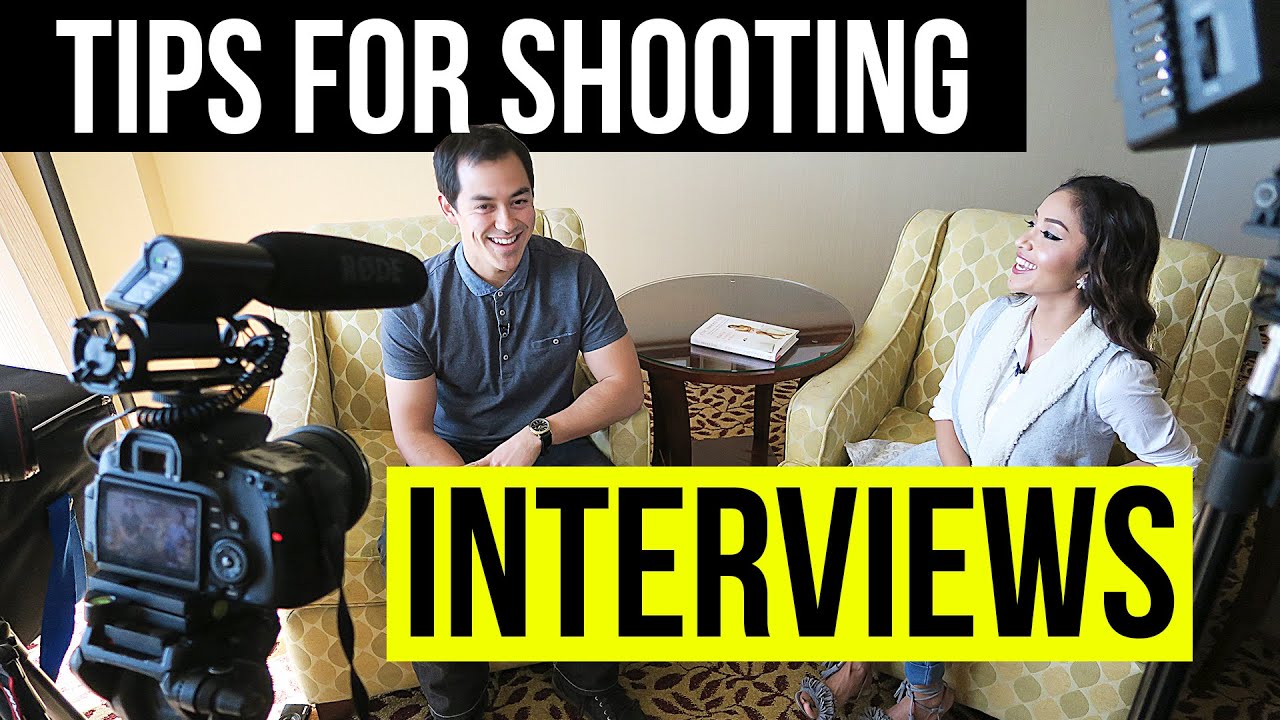
To achieve a professional interview, the right equipment and a well-thought-out technical setup are paramount. This section will guide you through the minimum requirements, lighting principles, audio best practices, camera operation, and a step-by-step setup process to ensure your interview is captured with clarity and polish. Investing time in understanding and implementing these technical aspects will significantly elevate the perceived quality of your production.
Minimum Equipment Requirements
A professional interview requires a foundational set of equipment to capture high-quality audio and video. While advanced setups exist, these core items are essential for producing a polished final product.
- Camera: A DSLR, mirrorless camera, or a professional video camera capable of recording in at least 1080p resolution. Higher resolutions like 4K offer more flexibility in post-production.
- Microphone: A dedicated external microphone is crucial for clear audio. Options include lavalier (lapel) microphones for discreet placement on the interviewee, or shotgun microphones mounted on a boom pole or camera for more directional sound capture.
- Tripod: A sturdy tripod is necessary to keep the camera stable and prevent shaky footage. Look for one with smooth pan and tilt capabilities.
- Lighting: At least one primary light source is needed to illuminate the subject. This could be a softbox, LED panel, or even a well-positioned window.
- Headphones: Essential for monitoring audio levels in real-time to detect any issues like background noise or clipping.
- SD Cards/Storage: Sufficient storage capacity for your camera’s recording needs.
- Batteries/Power: Fully charged batteries or access to AC power for all equipment.
Principles of Good Lighting
Effective lighting is one of the most impactful elements in creating a professional look for an interview. It shapes the mood, highlights the subject, and ensures the viewer’s attention is drawn to the interviewee. The goal is to create a well-lit, flattering image without harsh shadows or overly flat illumination.
- Three-Point Lighting: This is a fundamental technique that uses three lights to illuminate a subject.
- Key Light: The main light source, typically positioned at a 45-degree angle to the subject and slightly above eye level. It provides the primary illumination.
- Fill Light: Positioned on the opposite side of the key light, this light is less intense and is used to soften shadows created by the key light, creating a more balanced illumination.
- Backlight (Hair Light/Rim Light): Placed behind the subject, often angled downwards, this light separates the subject from the background by creating a subtle Artikel or halo effect.
- Soft Light vs. Hard Light: Soft light, produced by larger light sources or those with diffusion (like softboxes), wraps around the subject and creates gentle shadows, which is generally more flattering for interviews. Hard light, from smaller, direct sources, creates sharp, defined shadows and can be more dramatic but less ideal for typical interviews.
- Color Temperature: Ensure your lights have a consistent color temperature (measured in Kelvin). Daylight is around 5600K, while tungsten bulbs are around 3200K. Mixing different color temperatures can result in an unnatural color cast.
- Background Lighting: Consider subtly lighting the background to add depth and prevent it from appearing too dark or flat.
Best Practices for Audio Recording
Clear, crisp audio is arguably more important than perfect video in an interview. Viewers are more likely to forgive less-than-ideal visuals if the audio is intelligible, but poor audio will quickly disengage them.
- Microphone Placement: For lavalier microphones, place them on the interviewee’s collar or lapel, ensuring it’s not rubbing against clothing. For shotgun microphones, position them as close to the subject’s mouth as possible without appearing in the shot.
- Minimize Background Noise: Conduct the interview in the quietest environment available. Turn off fans, air conditioning, and any other potential noise sources. Inform others in the vicinity to maintain silence during recording.
- Monitor Audio Levels: Always wear headphones while recording to listen for any issues. Aim for audio levels that are not too quiet (requiring excessive amplification later, which can introduce noise) nor too loud (causing distortion or clipping). A good target is for the loudest parts of the speech to peak around -6dB to -12dB on your audio meter.
- Record Room Tone: At the beginning or end of the interview, record 30-60 seconds of silence in the interview environment. This “room tone” can be used in editing to smooth out any audio edits or to fill gaps.
- Use a Pop Filter or Windscreen: These accessories help to reduce plosive sounds (like “p” and “b” sounds that create a burst of air) and wind noise, further enhancing audio clarity.
Camera Setup and Operation for Interviews
Proper camera setup ensures that your interview subject is framed effectively and that the footage is stable and visually appealing. The focus should be on creating a professional and engaging presentation of the interviewee.
- Framing: A common and effective framing for interviews is the “medium shot” or “medium close-up,” which typically frames the interviewee from the chest or waist up. This allows for clear visibility of facial expressions while still maintaining a sense of connection. The rule of thirds can be applied to place the interviewee slightly off-center, creating a more dynamic composition.
- Eye Line: The interviewee should generally look at the interviewer, not directly into the camera, unless the interview format specifically requires it (e.g., a direct address to the audience). If there’s no interviewer present, the interviewee can look slightly off-camera.
- Focus: Ensure the interviewee’s eyes are in sharp focus. Most cameras have autofocus capabilities, but it’s crucial to verify that it’s tracking the subject accurately. For manual focus, practice before the interview.
- White Balance: Set the camera’s white balance correctly to ensure accurate color representation. This can be done automatically or manually by pointing the camera at a white or gray card under the interview lighting conditions.
- Exposure: Adjust the camera’s exposure settings (aperture, shutter speed, ISO) to achieve a well-lit image without blown-out highlights or underexposed shadows. Aim for a balanced exposure that captures detail in both the brightest and darkest areas of the subject’s face.
Step-by-Step Guide for Basic Technical Setup
A systematic approach to setting up your equipment ensures that all components are working correctly and that you are ready to capture the interview without technical interruptions.
- Choose the Location: Select a quiet space with manageable background noise and appropriate electrical outlets if needed.
- Set Up Lighting: Position your key light, fill light, and backlight (if using). Adjust their intensity and direction to achieve the desired look.
- Set Up Camera: Mount the camera on a tripod. Frame your shot, ensuring the subject will be comfortably within the frame.
- Set Up Microphone: Connect your external microphone to the camera or recording device. Place the microphone on the interviewee or position it appropriately.
- Connect Headphones: Plug your headphones into the camera or audio recorder.
- Power On Equipment: Turn on the camera, microphone, and any lights.
- Check Batteries and Storage: Ensure all batteries are fully charged and that you have sufficient space on your SD card.
- Perform Test Recording: Record a short segment of audio and video.
Importance of Test Recordings and Equipment Checks
Before commencing the actual interview, conducting thorough test recordings and equipment checks is a non-negotiable step in professional filmmaking. This proactive measure prevents potential disasters and ensures a smooth, uninterrupted recording session.
- Verify Audio Quality: Play back the test recording through your headphones and speakers to confirm that the audio is clear, free of background noise, and at appropriate levels. Check for any clipping or distortion.
- Confirm Video Framing and Focus: Review the test footage to ensure the subject is correctly framed, in focus, and that the lighting is as intended. Check for any unwanted elements in the background.
- Test All Functions: Ensure that the camera is recording correctly, that the microphone is picking up sound, and that all lighting is functioning as expected.
- Battery and Storage Confirmation: Double-check that your batteries are still holding their charge and that your recording device has enough space for the entire interview.
- Troubleshoot Issues: If any problems are identified during the test recording, this is the opportune moment to address them. This might involve repositioning lights, adjusting microphone placement, or troubleshooting technical glitches.
“A well-prepared technical setup is the silent foundation of a compelling interview.”
Conducting the Interview: Techniques and Flow
This section delves into the practical application of interview techniques, focusing on how to engage your subject, maintain a productive dialogue, and capture compelling content on film. Effective interviewing is a blend of preparation, intuition, and skillful communication.
Active Listening Techniques
Active listening is paramount to a successful interview. It involves fully concentrating on, understanding, responding to, and remembering what is being said. This goes beyond simply hearing words; it’s about demonstrating genuine engagement and empathy, which encourages the interviewee to open up and provide richer insights.
- Paying Full Attention: Minimize distractions, both internal and external. Focus solely on the interviewee, making eye contact and leaning slightly forward to convey attentiveness.
- Verbal Affirmations: Use brief, encouraging verbal cues like “I see,” “uh-huh,” or “go on” to signal that you are following and encourage the speaker to continue.
- Non-Verbal Cues: Nodding, maintaining an open posture, and mirroring the interviewee’s body language (subtly) can foster rapport and demonstrate understanding.
- Paraphrasing: Periodically restate what the interviewee has said in your own words to confirm comprehension and show you’ve processed their message. For example, “So, if I understand correctly, you’re saying that the key challenge was…”
- Summarizing: At key points, briefly summarize the main points discussed to ensure alignment and provide a sense of progress.
Guiding the Conversation and Staying on Track
Maintaining control of the interview without stifling the interviewee’s natural flow is a delicate art. The goal is to ensure all essential topics are covered while allowing for spontaneous and insightful detours.
- Clear Objectives: Refer back to your pre-determined interview questions and objectives to keep the discussion focused.
- Gentle Redirects: If the conversation drifts too far off-topic, use polite phrases to steer it back. For instance, “That’s a very interesting point, and perhaps we can circle back to that later. For now, I’d like to return to…”
- Time Management: Be mindful of the allocated time for each segment or the overall interview. Subtly guide the conversation to ensure you cover all critical areas.
- Topic Transitions: Use clear transitional phrases to move smoothly between different topics. This helps the interviewee understand the direction of the interview and maintains a logical flow for the viewer. Examples include, “Moving on to the next phase of your project…” or “Now that we’ve discussed the initial challenges, let’s explore how you overcame them.”
Asking Follow-Up Questions for Deeper Responses
Follow-up questions are crucial for moving beyond superficial answers and uncovering the nuances and depth of an interviewee’s experience and perspective. They demonstrate that you are listening critically and are interested in a more thorough understanding.
- Clarification: When an answer is vague or unclear, ask for more detail. “Could you elaborate on what you mean by ‘significant impact’?”
- Probing for Specifics: Encourage concrete examples and details. “Can you give me a specific instance where that strategy proved effective?” or “What was the exact outcome of that decision?”
- Exploring Motivations and Feelings: Delve into the ‘why’ behind actions and decisions. “What were your primary motivations for taking that approach?” or “How did that situation make you feel at the time?”
- Challenging Gently: If an answer seems contradictory or incomplete, a polite challenge can elicit further explanation. “Earlier, you mentioned X, but now you’re describing Y. Could you help me understand the connection?”
- “Tell Me More”: This simple, open-ended prompt can be incredibly effective. It invites the interviewee to expand on a topic they might have only briefly touched upon.
Managing Interview Length and Pacing
Effective pacing ensures the interview remains engaging and respects both the interviewee’s time and the audience’s attention span. It involves controlling the speed of the conversation and knowing when to move on.
- Segmenting the Interview: Break down the interview into logical sections based on topics. This allows for natural pauses and helps in managing time.
- Monitoring Time: Keep a discreet eye on the clock. If a particular segment is running long, consider gently wrapping it up to ensure you have enough time for subsequent topics.
- Varying Pace: Alternate between more in-depth discussions and quicker, more direct questions to maintain audience interest.
- Knowing When to Conclude a Topic: Recognize when an answer has fully addressed a question or when further probing is yielding diminishing returns. A subtle nod or a transition phrase can signal the end of a discussion point.
Observing and Responding to Non-Verbal Cues
Non-verbal communication can offer as much insight as spoken words. Paying attention to body language, facial expressions, and tone of voice allows you to gauge the interviewee’s comfort level, confidence, and genuine emotions.
- Body Language: Observe posture, gestures, and fidgeting. Slouching or excessive fidgeting might indicate discomfort or disinterest, while an open, engaged posture suggests confidence and openness.
- Facial Expressions: Watch for smiles, frowns, raised eyebrows, or averted gazes. These can reveal underlying emotions or reactions to certain questions.
- Eye Contact: Consistent, comfortable eye contact usually signifies engagement and honesty. Avoiding eye contact can suggest nervousness, dishonesty, or discomfort.
- Tone of Voice: Listen to changes in pitch, volume, and speed. A wavering voice might indicate stress, while a confident, steady tone suggests conviction.
- Responding to Cues: If you observe signs of discomfort, you might need to adjust your questioning, offer reassurance, or take a brief pause. Conversely, positive cues can indicate you’re on the right track and can encourage further exploration of that topic.
Framework for a Smooth Interview Flow
A well-structured interview flows logically, guiding both the interviewee and the audience through the narrative seamlessly. This framework provides a predictable yet flexible structure.
| Stage | Objective | Techniques |
|---|---|---|
| Introduction & Rapport Building | Establish a comfortable atmosphere and introduce the topic. | Warm greeting, brief overview of the interview’s purpose, light conversation to ease tension. |
| Opening Questions | Begin with broader, less sensitive questions to build confidence. | Easy-to-answer questions about their background, initial involvement, or general experiences. |
| Core Discussion | Delve into the main themes and objectives of the interview. | Structured questioning, active listening, probing follow-up questions, gentle redirection. |
| Deeper Exploration / Sensitive Topics | Address more complex or sensitive areas with care and empathy. | Build on trust established earlier, use careful phrasing, allow for pauses, offer reassurance. |
| Concluding Questions | Summarize key points and look towards future implications or advice. | Ask for overarching thoughts, lessons learned, or advice for others. |
| Closing & Thank You | End on a positive and appreciative note. | Express gratitude, confirm next steps if any, and offer a final thank you. |
Filming Techniques and Camera Operation
Mastering the visual aspect of your interview is crucial for conveying professionalism and engaging your audience. This section delves into the core filming techniques and camera operations that will elevate your interview from a simple recording to a compelling visual narrative. We will explore how deliberate choices in framing, composition, and camera movement can significantly impact the viewer’s perception and understanding of the interviewee’s message.The goal is to create a visually appealing and informative piece that supports and enhances the spoken content.
This involves understanding the technical aspects of camera operation and applying creative techniques to tell a story through imagery.
Framing and Composition for Interview Shots
Effective framing and composition are fundamental to creating visually pleasing and informative interview shots. The way you position your subject within the frame, the amount of space around them, and the relationship between the subject and their environment all contribute to the overall impact of the interview. Thoughtful composition guides the viewer’s eye and can subtly convey information about the interviewee and their context.Here are key principles to consider when framing and composing your interview shots:
- Rule of Thirds: Imagine dividing your frame into nine equal sections by two horizontal and two vertical lines. Placing your subject’s eyes or key features along these lines or at their intersections often creates a more balanced and dynamic composition than centering them.
- Headroom and Looking Room: Ensure adequate headroom, which is the space above the subject’s head. Too much can make them appear small or insignificant, while too little can feel claustrophobic. Looking room, or “nose room,” is the space in front of the subject’s face in the direction they are looking. Leaving more looking room on the side they are facing draws the viewer’s attention to where they are directing their gaze, enhancing the conversational feel.
- Depth of Field: Utilize a shallow depth of field (achieved with a wider aperture) to isolate your subject from the background. This blurs the background, keeping the focus solely on the interviewee and their message, and preventing distracting elements from pulling attention away.
- Eye Level: Generally, filming at eye level with your subject creates a sense of equality and direct connection with the viewer. Deviating from this can alter the perceived power dynamic; shooting from a slightly lower angle can make the subject appear more authoritative, while a higher angle can make them seem more vulnerable or less dominant.
- Background Considerations: The background should complement, not compete with, the subject. Choose backgrounds that are visually interesting but not overly distracting, and that provide context relevant to the interview. Avoid cluttered or messy backgrounds.
B-roll Footage to Complement the Interview
B-roll footage, also known as cutaway shots, is essential for adding visual interest, illustrating points made by the interviewee, and covering jump cuts or awkward edits. It provides context, breaks up the monotony of a single talking head shot, and helps to maintain viewer engagement. High-quality B-roll significantly enhances the production value of your interview.Effective B-roll serves multiple purposes and can be captured through various techniques:
- Illustrative Shots: Film footage that directly relates to what the interviewee is discussing. For example, if they are talking about a product, film shots of that product in use. If they are discussing a location, film shots of that location.
- Establishing Shots: Capture wide shots of the interview location to provide context for the viewer. This helps them understand where the interview is taking place.
- Action Shots: Film the interviewee performing actions related to their expertise or the topic of discussion. This could be anything from typing on a keyboard to sketching a design.
- Detail Shots: Focus on specific objects or elements that are relevant to the interview. This could be hands gesturing, important documents, or tools of the trade.
- Ambient Shots: Capture the general atmosphere of the location, such as people working, the environment, or subtle details that add to the overall mood and setting.
When capturing B-roll, ensure it is filmed with the same attention to framing, lighting, and focus as your primary interview footage. Smooth camera movements and varied focal lengths will contribute to a more dynamic and engaging final edit.
Camera Angles and Their Impact on the Narrative
The choice of camera angles is a powerful tool for shaping the viewer’s perception of the interviewee and influencing the emotional tone of the interview. Different angles can subtly convey authority, vulnerability, or a sense of intimacy, thereby impacting how the narrative is received.Consider the following camera angles and their typical narrative implications:
- Eye-Level Shot: This is the most common and neutral angle, creating a sense of equality and direct connection. It fosters a feeling of conversation and trustworthiness.
- Low-Angle Shot: Filming from below the subject can make them appear more imposing, authoritative, and powerful. This angle can be used to emphasize leadership or dominance.
- High-Angle Shot: Shooting from above the subject can make them appear smaller, more vulnerable, or less powerful. It can also provide a broader perspective of the environment.
- Close-Up Shot: Focusing tightly on the interviewee’s face captures subtle emotions and expressions, creating a sense of intimacy and allowing the viewer to connect deeply with their feelings.
- Medium Shot: This shot frames the interviewee from the waist up, providing a good balance between showing their personality and their environment. It’s a versatile shot that works well for most of the interview.
- Wide Shot: This shot shows the entire subject and their surroundings, establishing the location and context. It’s often used at the beginning or end of an interview to set the scene.
Varying these angles throughout the interview can keep the viewer engaged and help to emphasize different aspects of the interviewee’s message.
Ensuring Stable Camera Shots and Avoiding Shaky Footage
Camera stability is paramount for professional-looking video. Shaky footage is distracting, unprofessional, and can detract significantly from the credibility of your interview. Investing time in ensuring stable shots is crucial for a polished final product.Here are essential techniques for achieving steady camera footage:
- Tripods: The most fundamental tool for stability. Always use a sturdy tripod for your primary camera. Ensure the tripod is properly set up and locked down.
- Gimbals and Stabilizers: For dynamic shots or when moving with the subject, a gimbal or camera stabilizer is invaluable. These devices counteract unwanted movements, producing smooth, cinematic footage.
- Monopods: A good compromise between portability and stability, monopods offer support and reduce fatigue, especially for longer shoots.
- Proper Handholding Technique: If handheld shooting is unavoidable, use proper technique. Tuck your elbows into your body, use your legs for support, and move deliberately and smoothly. Avoid jerky movements.
- Camera Body Stabilization: Many modern cameras have in-body image stabilization (IBIS) or optical image stabilization (OIS). Ensure these features are enabled if your camera has them.
- Post-Production Stabilization: While not a substitute for good shooting technique, software stabilization in editing can help correct minor shakiness. However, over-reliance on this can lead to undesirable artifacts.
Always prioritize capturing stable footage at the source. This will save you significant time and effort in post-production.
Managing Multiple Camera Setups
When conducting interviews where multiple camera angles are desired for a more dynamic edit, a multi-camera setup is necessary. This requires careful planning and coordination to ensure all cameras are capturing the scene effectively and in sync.For a professional multi-camera interview, consider the following procedural steps:
- Camera Placement and Coverage: Position cameras to capture different perspectives. A common setup includes a wide shot, a medium shot, and a close-up on the interviewee, and potentially a separate camera focused on the interviewer. Ensure no camera is obstructing another.
- Synchronization: Accurate synchronization is critical. Use a clapperboard or slate at the beginning of each take to provide an audio and visual cue for syncing footage in post-production. Alternatively, ensure all cameras are recording audio from the same source, which can also aid synchronization.
- Consistent Settings: Maintain consistent camera settings (white balance, exposure, frame rate) across all cameras as much as possible to ensure a cohesive look in the final edit.
- Technical Checks: Before the interview begins, conduct thorough technical checks on all cameras, lenses, batteries, and recording media to avoid any last-minute issues.
- Operator Coordination: If you have multiple camera operators, clear communication and pre-defined shot lists are essential. Ensure they understand their roles and the overall vision for the interview.
- Backup Equipment: Always have backup equipment, including cameras, batteries, and recording media, readily available in case of equipment failure.
Recording Clean Audio Feeds from Microphones
Audio quality is as important, if not more so, than video quality in an interview. Clean audio ensures that the interviewee’s message is heard clearly and without distraction. This requires proper microphone selection, placement, and recording techniques.To ensure you capture pristine audio, follow these detailed steps:
- Microphone Choice: Select the appropriate microphone for the situation. Lavalier microphones (lav mics) are popular for interviews as they are discreet and provide consistent audio levels. Shotgun microphones are useful for capturing audio from a distance, especially in quieter environments. Dynamic microphones are robust and good for noisy environments.
- Microphone Placement: For lavalier mics, clip them to the interviewee’s clothing, ideally near the center of the chest, avoiding contact with fabric that might rustle. For shotgun mics, position them as close to the interviewee as possible without appearing in the frame, pointing directly at the sound source.
- Wired vs. Wireless: Wired microphones generally offer more reliable audio quality and fewer interference issues. Wireless systems offer more freedom of movement but require careful management of battery levels and potential interference.
- Audio Monitoring: Always monitor audio levels using headphones while recording. This allows you to detect any issues, such as clipping (distortion due to high volume) or low levels, in real-time.
- Levels and Gain: Set your audio gain levels appropriately. Aim for peak levels to be around -12dB to -6dB. This provides headroom and prevents clipping while ensuring the audio is not too quiet.
- Ambient Noise Reduction: Minimize ambient noise as much as possible. Turn off air conditioning, fans, or any other noisy equipment in the recording space. If necessary, use a windscreen on your microphone to reduce wind noise.
- Separate Audio Recorder: For maximum quality and control, consider using a dedicated audio recorder rather than relying solely on the camera’s audio input. This often provides better preamps and more recording options.
- Backup Audio: If possible, use a secondary microphone or recorder as a backup to ensure you don’t lose critical audio if the primary system fails.
Remember that good audio is often the first thing an audience notices if it’s poor. Prioritizing these steps will result in a much more professional and enjoyable viewing experience.
Post-Production Essentials for Interview Videos
The journey of a professional interview video doesn’t end when the camera stops rolling. Post-production is where raw footage is transformed into a polished, engaging, and impactful final product. This phase involves meticulous editing, audio enhancement, and visual refinement to ensure your interview effectively communicates its message and leaves a lasting impression on your audience.This section will guide you through the essential steps of post-production, from the initial organization of your clips to the final export of your finished video.
Mastering these techniques will elevate the quality and professionalism of your interview content.
Video Editing Principles for Interviews
Video editing for interviews focuses on creating a coherent narrative, maintaining viewer engagement, and highlighting the key messages of the interviewee. The primary goal is to assemble the best moments of the interview into a smooth and logical flow, ensuring that the pacing is engaging and the interviewee’s points are clearly communicated. This involves selecting the most impactful soundbites, trimming unnecessary pauses or filler words, and ensuring seamless transitions between different parts of the conversation.The fundamental principles of interview editing include:
- Storytelling: Weaving the interviewee’s responses into a compelling narrative that flows naturally and keeps the audience invested.
- Pacing: Adjusting the speed at which information is delivered to maintain interest and prevent viewer fatigue. This includes balancing longer explanations with concise soundbites.
- Clarity: Ensuring that the interviewee’s message is easily understood by removing distractions and emphasizing key points.
- Continuity: Maintaining a consistent visual and auditory experience throughout the video, so the viewer feels immersed in the conversation.
- Engagement: Using editing techniques to hold the viewer’s attention, such as varying shot selections and incorporating visual elements.
Selecting and Organizing Interview Clips
Effective selection and organization of interview clips are crucial for building a strong narrative. This process begins with reviewing all recorded footage and identifying the most compelling and informative segments, often referred to as “soundbites.” The goal is to extract the core messages and impactful statements that will form the backbone of your final video.The process of selecting and organizing clips typically involves:
- Review and Transcription: Watch through all footage, making notes of key moments. A transcript of the interview is invaluable for quickly locating specific statements.
- Identify Key Soundbites: Pinpoint the most articulate, insightful, and memorable responses from the interviewee. These are the core elements of your story.
- Rough Cut Assembly: Begin assembling the identified soundbites in a logical order that reflects the flow of the conversation or a desired narrative arc. Don’t worry about perfection at this stage.
- Prioritize Clarity and Impact: Ensure that each selected clip contributes directly to the overall message and is presented in a way that is easy to understand.
- Create a Bin Structure: In your editing software, organize your footage into logical bins or folders (e.g., “Interview A-Roll,” “B-Roll – Location,” “B-Roll – Actions”). This keeps your project tidy and accessible.
- Timeline Organization: Arrange your selected interview clips on the timeline in a sequence that makes sense. This might follow the chronological order of the interview or be structured thematically.
Integrating B-Roll Footage Effectively
B-roll footage, which consists of supplementary visuals that are not direct shots of the interviewee speaking, plays a vital role in making an interview video dynamic and engaging. It helps to illustrate points being made, provide context, break up monotony, and maintain viewer interest. Strategic integration of B-roll can significantly enhance the storytelling and visual appeal of your final product.Effective integration of B-roll involves:
- Visualizing the Narrative: As you edit, think about what visuals would best complement the interviewee’s words. If they are discussing a product, show the product. If they are talking about a place, show that place.
- Illustrating Key Points: Use B-roll to visually reinforce what the interviewee is saying. For example, if the interviewee mentions a specific process, show footage of that process in action.
- Breaking Up Talking Heads: Interspersing B-roll with interview clips prevents visual fatigue and keeps the viewer engaged. Aim to cut to B-roll during longer spoken passages or when a visual change would be beneficial.
- Establishing Shots: Use wide shots of the interview location at the beginning of the video to set the scene and provide context for the viewer.
- Action and Detail Shots: Include close-ups of hands gesturing, objects being handled, or environmental details to add visual interest and depth.
- Maintaining Flow: Ensure that B-roll cuts are smooth and logical, not jarring or distracting. The B-roll should enhance, not detract from, the interviewee’s message.
For instance, if an interviewee is discussing their passion for gardening, you might cut to shots of them tending to plants, close-ups of blooming flowers, or wide shots of their garden. This visual storytelling makes the interview much more immersive.
Improving Audio Quality in Post-Production
Audio is paramount in interview videos; viewers are more likely to forgive less-than-perfect visuals than poor sound. Post-production offers several powerful tools to enhance and clean up your audio, ensuring that the interviewee’s voice is clear, crisp, and free from distracting background noise or artifacts.Techniques for improving audio quality include:
- Noise Reduction: Software can identify and reduce persistent background noises like hums, whines, or air conditioning sounds. It’s important to use this judiciously to avoid making the voice sound unnatural.
- Equalization (EQ): EQ allows you to adjust the balance of different frequencies in the audio. You can boost clarity by emphasizing mid-range frequencies or reduce muddiness by cutting low-end frequencies.
- Compression: Compression reduces the dynamic range of the audio, meaning the difference between the loudest and quietest parts is lessened. This makes the overall volume more consistent and easier to listen to.
- De-Essing: This process specifically targets harsh “s” sounds (sibilance) that can be unpleasant to the ear, smoothing out the audio.
- Level Adjustment: Ensure that all interview clips are at a consistent and appropriate volume level, making the entire video comfortable to watch without constant manual adjustments.
- Dialogue Restoration: For severely degraded audio, specialized tools can sometimes help to recover intelligibility, though this is often a more complex process.
A common issue is microphone handling noise or a slight echo in the room. Applying a subtle noise reduction and ensuring the dialogue is well-compressed can make a significant difference.
Color Correction and Grading for a Professional Look
Color correction and grading are essential for creating a visually appealing and professional look for your interview video. Color correction ensures that the colors in your footage are accurate and consistent, while color grading involves creatively adjusting colors to establish a specific mood or aesthetic. Together, they enhance the overall quality and impact of your video.The process involves:
- Color Correction: This is the foundational step, focusing on fixing any technical issues with the color. It involves:
- White Balance Adjustment: Ensuring that whites appear white and that colors are rendered accurately under the specific lighting conditions of the shoot.
- Exposure Correction: Adjusting the brightness and contrast to ensure that details are visible in both the highlights and shadows.
- Saturation and Tint Adjustment: Fine-tuning the intensity of colors and correcting any color casts (e.g., a greenish or magenta tint).
- Color Grading: This is where the creative aspect comes in, aiming to evoke a particular emotion or style. Techniques include:
- Establishing a Mood: Warm tones can create a sense of comfort or nostalgia, while cooler tones might convey professionalism or seriousness.
- Creating Visual Consistency: Applying a consistent color palette across all clips, even if shot under different conditions, to make the video feel cohesive.
- Highlighting Key Elements: Subtly drawing attention to specific subjects or areas of the frame through color manipulation.
- Developing a Signature Look: For brands or series, establishing a distinct color grade that becomes recognizable.
For example, a corporate interview might benefit from a clean, slightly cool color grade with accurate skin tones and balanced contrast to convey professionalism and trustworthiness. Conversely, a documentary interview about a historical event might use warmer, desaturated tones to evoke a sense of the past.
Workflow for Exporting the Final Interview Video
The final stage of post-production is exporting your edited video. This process involves rendering your project into a file format that can be shared and viewed on various platforms. A well-defined workflow ensures that you choose the appropriate settings for optimal quality and compatibility.A typical export workflow includes:
- Final Review: Before exporting, conduct a thorough review of the entire video. Check for any lingering errors in editing, audio, or visuals.
- Sequence Settings Check: Ensure your project’s sequence settings (resolution, frame rate, aspect ratio) match your intended output and were correctly set during editing.
- Choose Export Preset: Most editing software offers presets tailored for specific platforms like YouTube, Vimeo, or social media. Selecting an appropriate preset is a good starting point.
- Select Format and Codec:
- Format: Common formats include MP4 (H.264) for broad compatibility, MOV (QuickTime) for higher quality, or ProRes for professional workflows.
- Codec: H.264 is a widely used and efficient codec for web delivery. ProRes offers higher fidelity but results in larger file sizes.
- Set Resolution and Frame Rate: Export at the same resolution and frame rate as your project’s sequence (e.g., 1920×1080 at 24, 25, or 30 frames per second).
- Bitrate: This determines the amount of data used per second of video, impacting file size and quality. Higher bitrates generally mean better quality but larger files. For web delivery, consider recommended bitrates for platforms like YouTube.
- Audio Settings: Ensure audio is exported at a suitable sample rate (e.g., 48kHz) and bitrate (e.g., 192-320 kbps) for clear sound.
- Render and Export: Initiate the export process. This can take time depending on the video’s length, complexity, and your computer’s processing power.
- Test the Exported File: After rendering, play back the exported file on different devices or players to confirm that the quality, audio, and playback are as expected.
For instance, when exporting for YouTube, a common and effective choice is the H.264 codec in an MP4 container, with a resolution of 1920×1080 and a frame rate of 30fps. The bitrate recommendation for HD content on YouTube is typically around 8 Mbps for SDR (Standard Dynamic Range) video.
Ethical Considerations and Best Practices
Conducting and filming professional interviews involves a significant responsibility to uphold ethical standards and employ best practices. This ensures the integrity of the information gathered, respects the individuals involved, and builds trust with your audience. Adhering to these principles is paramount for creating valuable and reputable interview content.The foundation of ethical interviewing lies in transparency and respect for the interviewee’s autonomy.
By prioritizing these aspects, you not only create a more positive experience for those you interview but also contribute to a more trustworthy and credible media landscape.
Informed Consent in Interview Recording
Obtaining informed consent is a critical ethical requirement before commencing any interview recording. This process ensures that the interviewee fully understands the purpose of the interview, how the recording will be used, and their rights regarding the content. It is not merely a formality but a crucial step in building trust and respecting the individual’s privacy.Before you begin recording, clearly explain the following to the interviewee:
- The overall purpose and subject matter of the interview.
- Who will see or hear the interview (e.g., specific publication, online platform, broadcast).
- How the footage or audio will be used (e.g., edited clips, full interview, archival purposes).
- Any potential risks or benefits associated with participating.
- Their right to refuse to answer any question.
- Their right to withdraw their consent at any time, and how this will be handled (e.g., will the footage be deleted?).
It is highly recommended to obtain consent in writing, either through a signed release form or a recorded verbal confirmation at the beginning of the interview. This documentation serves as proof of consent and protects both the interviewer and the interviewee.
Maintaining Objectivity and Avoiding Bias
Objectivity in interviewing means presenting information fairly and impartially, without letting personal opinions or preconceived notions influence the questioning or the final output. Avoiding bias ensures that the audience receives a balanced perspective and can form their own conclusions.Guidelines for maintaining objectivity include:
- Neutral Questioning: Frame questions in a way that does not lead the interviewee to a particular answer. Avoid loaded questions or those that assume a specific viewpoint. For example, instead of asking “Why do you think your policy failed?”, ask “What were the outcomes of your policy?”
- Equal Opportunity: Give all interviewees, regardless of their viewpoint, a fair chance to express their perspectives.
- Balanced Representation: If covering a contentious issue, strive to interview individuals from different sides of the argument to provide a comprehensive view.
- Fact-Based Reporting: Base your reporting on verifiable facts and evidence, rather than speculation or anecdote.
- Self-Awareness: Be mindful of your own potential biases and how they might affect your interactions and the framing of the story.
Objectivity is not about being devoid of opinion, but about ensuring that the interview process itself is fair and that the final presentation reflects the diverse realities of the subject matter.
Handling Sensitive Topics or Difficult Interviewees
Interviews may sometimes involve sensitive topics or individuals who are reluctant to speak, emotional, or defensive. Approaching these situations with empathy, professionalism, and strategic techniques is essential for a successful and ethical interview.Techniques for handling sensitive topics or difficult interviewees:
- Build Rapport: Start with lighter, non-threatening questions to establish a connection and make the interviewee feel more comfortable before delving into difficult subjects.
- Active Listening: Pay close attention to verbal and non-verbal cues. Show empathy and understanding, even if you don’t agree with their perspective. Use phrases like “I understand this is difficult” or “Thank you for sharing that.”
- Patience and Silence: Allow for pauses and silence. Sometimes, people need time to gather their thoughts or process their emotions. Do not rush them.
- Clear Communication: Reiterate your purpose and assure them that their contributions are valued. If an interviewee becomes overly distressed, it may be appropriate to take a break or suggest ending the interview.
- Respect Boundaries: If an interviewee expresses discomfort or a desire not to answer a question, respect their decision. You can note their refusal to answer, but do not push.
- Prepare for Emotional Responses: If you anticipate a sensitive topic, be prepared for emotional reactions. Have tissues available and be ready to offer a brief moment of respite.
Remember that your primary goal is to gather information responsibly, and this includes protecting the well-being of the interviewee.
Best Practices for Fact-Checking and Verification of Information
Ensuring the accuracy of the information presented in an interview is a cornerstone of journalistic integrity and professional credibility. Fact-checking and verification are not optional steps but integral components of the entire interview process.Best practices for fact-checking and verification include:
- Cross-Referencing Sources: Whenever possible, corroborate information provided by the interviewee with at least two other independent and reliable sources. This could include official documents, expert opinions, or other credible media reports.
- Verifying Statistics and Data: If an interviewee presents statistics or specific data, request the source of this information and verify it independently. Be wary of anecdotal evidence presented as statistical fact.
- Checking Names, Dates, and Places: Ensure the accuracy of all proper nouns, dates, and geographical locations mentioned. Small errors can undermine the credibility of the entire piece.
- Consulting Experts: For technical or specialized subjects, consult with subject matter experts to verify the accuracy of the information provided by the interviewee.
- Using Reputable Databases and Archives: Utilize established and reliable databases, historical archives, and official records for verification.
- Being Transparent About Limitations: If certain information cannot be fully verified, acknowledge this limitation in your reporting.
The process of verification is ongoing, from initial research to post-production review.
Ensuring the Privacy and Dignity of the Interviewee
Protecting the privacy and dignity of interviewees is a fundamental ethical obligation. This means treating individuals with respect, safeguarding their personal information, and ensuring that their participation does not lead to undue harm or exploitation.Key practices for ensuring privacy and dignity:
- Confidentiality Agreements: If an interviewee requests anonymity or confidentiality for specific information, honor these agreements rigorously. Clearly define the terms of confidentiality.
- Secure Data Storage: Store all interview recordings, notes, and related data securely to prevent unauthorized access. This is especially important for sensitive information.
- Minimizing Exposure: Only use footage or quotes that are relevant to the story. Avoid unnecessary exposure of personal details or private moments that do not serve the narrative purpose.
- Respecting Off-the-Record Requests: If an interviewee asks for something to be “off the record,” clearly understand what that entails and strictly adhere to it. It is best to confirm this understanding before the conversation proceeds.
- Avoiding Sensationalism: Do not exploit an interviewee’s vulnerability or personal struggles for sensationalistic purposes. The focus should remain on the subject matter, not on gratuitous personal details.
- Providing Opportunities for Review: In some contexts, especially with sensitive or personal stories, offering the interviewee an opportunity to review the edited material before publication can be a sign of respect and can help address any unintended misrepresentations. This should be agreed upon beforehand.
Upholding these principles demonstrates a commitment to ethical journalism and fosters a respectful relationship between creators and their subjects.
Wrap-Up

As we conclude our exploration of “How to Conduct and Film a Professional Interview,” remember that excellence in this field is a blend of thoughtful preparation, technical proficiency, and genuine human connection. By embracing the principles of effective communication, strategic planning, and meticulous execution, you are well-equipped to produce interviews that not only inform but also captivate and inspire. May your future interviews be both professional and profoundly engaging.