Kicking off with How to Use a Gimbal for Smooth, Cinematic Footage, this guide is designed to captivate and engage readers, setting the tone for a comprehensive exploration of achieving professional-looking video. We will delve into the fundamental principles that enable gimbals to transform shaky shots into polished, fluid motion, making your videography stand out.
This detailed walkthrough will cover everything from understanding the core mechanics of stabilization to mastering advanced shooting techniques and optimizing your equipment. Whether you’re a beginner looking to elevate your first video project or an experienced filmmaker seeking to refine your craft, this resource will provide the essential knowledge and practical tips needed to unlock the full potential of gimbal technology.
Understanding Gimbal Fundamentals for Smooth Footage
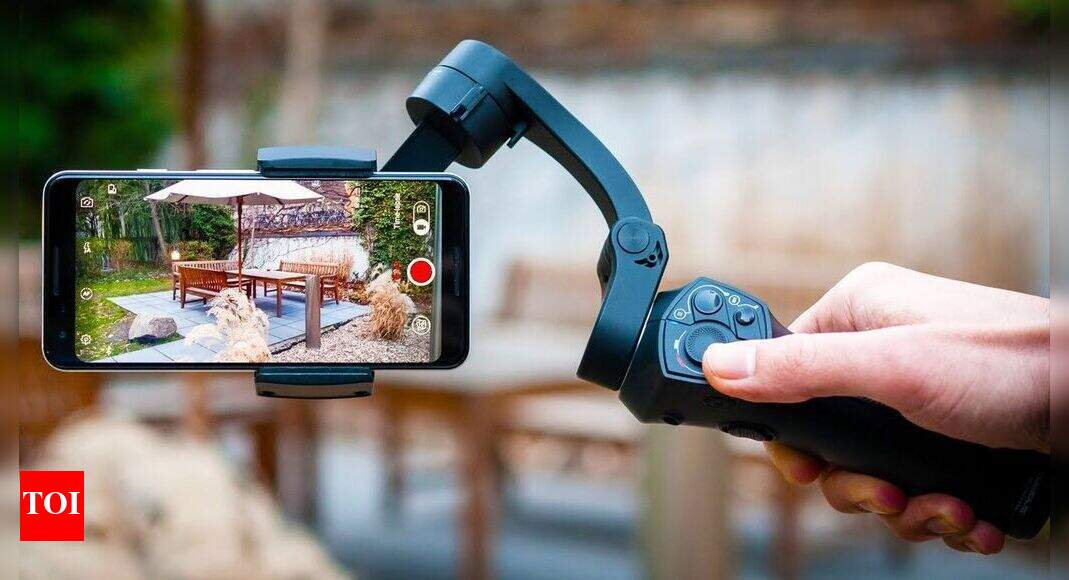
Achieving stable, professional-looking video footage often feels like a daunting task, especially when shooting handheld. The secret weapon for filmmakers and videographers seeking that coveted cinematic fluidity lies in the intelligent use of a gimbal. Gimbals are sophisticated stabilization devices that counteract unwanted camera movements, allowing you to capture smooth, professional-grade shots even when you’re on the move.At its core, a gimbal operates on the principle of counteracting forces to maintain a level and steady camera platform.
It achieves this by utilizing motors and sensors that detect any tilt, pan, or roll of the camera. These detected movements are then instantly compensated for by the gimbal’s motors, effectively canceling out the shakiness and resulting in remarkably smooth footage. This active stabilization is what differentiates a gimbal from passive stabilization methods like in-body image stabilization (IBIS) or lens stabilization, offering a superior level of control and smoothness.
Gimbal Stabilization Principles
The magic of gimbal stabilization lies in its ability to isolate the camera from external forces. Imagine holding a camera and walking; your natural movements cause the camera to jiggle and shake. A gimbal intercepts these movements. Gyroscopic sensors within the gimbal detect these unwanted motions in real-time. When a motion is detected, such as a tilt upwards, the gimbal’s motors on the corresponding axis immediately move in the opposite direction to counteract that tilt, keeping the camera horizonally level.
This constant, minute adjustment process happens hundreds of times per second, ensuring that the camera remains remarkably stable regardless of the operator’s movement.
Types of Gimbals and Their Functions
Gimbals are primarily categorized by the number of axes they employ for stabilization. Each axis is responsible for counteracting movement along a specific plane. Understanding these differences is crucial for selecting the right gimbal for your specific needs.The primary types of gimbals are:
- 2-Axis Gimbals: These gimbals stabilize movement along two axes: pitch (up and down) and roll (tilting left or right). While they offer a significant improvement over handheld shooting, they are less effective at compensating for pan movements (left and right rotation), which can still introduce some shakiness. They are generally simpler, lighter, and more affordable, making them suitable for less demanding applications or for users on a budget.
- 3-Axis Gimbals: These are the most common and versatile gimbals. They stabilize along three axes: pitch, roll, and yaw (pan). The addition of the yaw axis allows the gimbal to actively counteract horizontal movements, providing a much more comprehensive and smoother stabilization experience. 3-axis gimbals are ideal for a wide range of videography tasks, from capturing dynamic action sequences to creating sweeping cinematic shots.
Essential Gimbal Components and Their Roles
A functional gimbal is a sophisticated piece of engineering, comprised of several key components that work in harmony to deliver stable footage. Each part plays a vital role in the stabilization process.The main components of a gimbal include:
- Motors: These are the workhorses of the gimbal. Brushless motors are typically used due to their efficiency, responsiveness, and quiet operation. Each motor is assigned to control a specific axis (pitch, roll, or yaw) and is responsible for making the micro-adjustments needed to counteract camera shake.
- Sensors (IMU): The Inertial Measurement Unit (IMU) is the brain of the gimbal. It contains accelerometers and gyroscopes that detect changes in the camera’s orientation and movement in three-dimensional space. This data is fed to the motors to initiate stabilization.
- Control Board/Processor: This is the central processing unit of the gimbal. It receives data from the IMU, processes it, and sends commands to the motors to execute the necessary counter-movements. Advanced control boards also manage features like different shooting modes and joystick controls.
- Camera Mount/Plate: This is where your camera is attached. It needs to be robust and allow for precise balancing of the camera. Proper balancing is crucial for the gimbal to operate efficiently and effectively.
- Handle/Grip: This is the part you hold. It houses the controls and battery, and its ergonomic design is important for comfortable operation during extended shooting sessions.
Benefits of Gimbal Use in Videography
The advantages of incorporating a gimbal into your videography workflow are substantial, offering a clear leap in quality and creative potential compared to traditional handheld shooting.The primary benefits include:
- Enhanced Smoothness and Fluidity: This is the most obvious benefit. Gimbals eliminate the jerky, unstable footage often associated with handheld cameras, resulting in a polished, professional look that is pleasing to the viewer’s eye.
- Cinematic Movement Capabilities: Gimbals enable complex camera movements like smooth dollys, tracking shots, and controlled pans that are nearly impossible to achieve with a tripod or handheld. This opens up a world of creative storytelling possibilities.
- Improved Storytelling: Smooth, deliberate camera movements can guide the viewer’s attention and enhance the emotional impact of your footage. A gimbal allows for more intentional and artistic camera work.
- Reduced Operator Fatigue: While gimbals add weight, they distribute it effectively and automate the stabilization process, allowing operators to focus on framing and movement rather than constantly fighting camera shake.
- Versatility in Shooting Environments: Gimbals are invaluable when shooting in challenging environments where tripods are impractical, such as crowded spaces, uneven terrain, or during action sequences.
Essential Gimbal Setup and Calibration Procedures
Mastering gimbal operation goes beyond simply holding the device. Achieving consistently smooth and cinematic footage relies heavily on a precise setup and calibration process. This ensures your gimbal can effectively counteract unwanted movements, allowing your camera to remain stable and oriented as intended. Proper balancing and calibration are not optional steps; they are fundamental to unlocking the full potential of your gimbal.The physical balancing of your camera on the gimbal is the first critical step.
This process involves adjusting the camera’s position on the gimbal’s mounting plate and axes until it is perfectly counterbalanced. An unbalanced camera will cause the gimbal motors to work harder, leading to reduced battery life, jerky movements, and potentially overheating. The goal is to achieve a neutral state where the camera can hold its position without the motors actively engaging.
Balancing a Camera on a Gimbal
Achieving perfect balance is an iterative process that requires patience and attention to detail. Each axis—tilt, pan, and roll—must be balanced independently. This ensures that the gimbal can respond smoothly to your movements without fighting against gravity or the camera’s weight distribution.
- Tilt Axis Balance: Loosen the tilt lock and adjust the camera’s forward and backward position on the mounting plate. The camera should stay in place when tilted up or down, without drifting. If it consistently drifts forward, move it back on the plate; if it drifts backward, move it forward.
- Roll Axis Balance: With the tilt axis balanced and locked, ensure the camera remains level when the gimbal is rotated left or right on its roll axis. Adjust the camera’s left or right position on the mounting plate until it holds horizontally.
- Pan Axis Balance: Finally, balance the pan axis. With the tilt and roll axes balanced and locked, the camera should remain stationary when the gimbal is rotated left or right on its pan axis. Adjust the camera’s position along the pan arm until it holds its orientation without drifting.
Importance of Proper Calibration
Calibration is the process of teaching the gimbal’s internal sensors and motors how to interpret and respond to movement. This is crucial for several reasons. A properly calibrated gimbal can more accurately detect subtle hand movements and translate them into smooth camera motions. It also helps the gimbal understand the weight and inertia of your specific camera setup, optimizing motor response and preventing oscillations or jitter.
Without accurate calibration, even a perfectly balanced camera will not yield the desired cinematic results.
Common Calibration Methods and Indicators
Gimbals typically offer automated calibration routines, often accessible through a mobile app or the gimbal’s onboard controls. These routines usually involve the gimbal performing a series of movements to measure its motors’ torque and the responsiveness of its sensors.During automated calibration, pay attention to the following indicators:
- The gimbal should move smoothly through its range of motion without any unusual noises or stuttering.
- The gimbal should return to its neutral position after each movement without overshooting or oscillating.
- If using a mobile app, look for confirmation messages indicating successful calibration. Some apps might also display motor power levels or sensor readings that should fall within acceptable ranges.
Manual calibration, though less common, might involve fine-tuning parameters like motor strength and follow speed based on your specific camera and shooting style. Always refer to your gimbal’s user manual for the most accurate calibration procedures for your model.
Pre-Flight Checklist for Gimbal Operation
Before powering on your gimbal and starting a shoot, a thorough pre-flight check ensures everything is ready for optimal performance and prevents potential issues. This checklist helps confirm that your gimbal is properly assembled, balanced, and calibrated.
- Camera Securely Mounted: Ensure the camera is firmly attached to the gimbal’s mounting plate and all locking mechanisms are tightened.
- All Axes Balanced: Verify that all three axes (tilt, roll, pan) are balanced as per the balancing procedure.
- Gimbal Firmware Updated: Check if the gimbal’s firmware is up-to-date. Outdated firmware can sometimes cause performance issues or prevent proper calibration.
- Battery Fully Charged: Ensure the gimbal’s battery is fully charged to prevent unexpected shutdowns during operation.
- No Obstructions: Confirm that there are no loose cables or accessories obstructing the gimbal’s movement on any axis.
- Calibration Performed: Run the gimbal’s automated calibration routine and ensure it completes successfully.
- Lens Cap Removed: A simple but often overlooked step, ensure the lens cap is removed before powering on.
Mastering Gimbal Control for Cinematic Movement
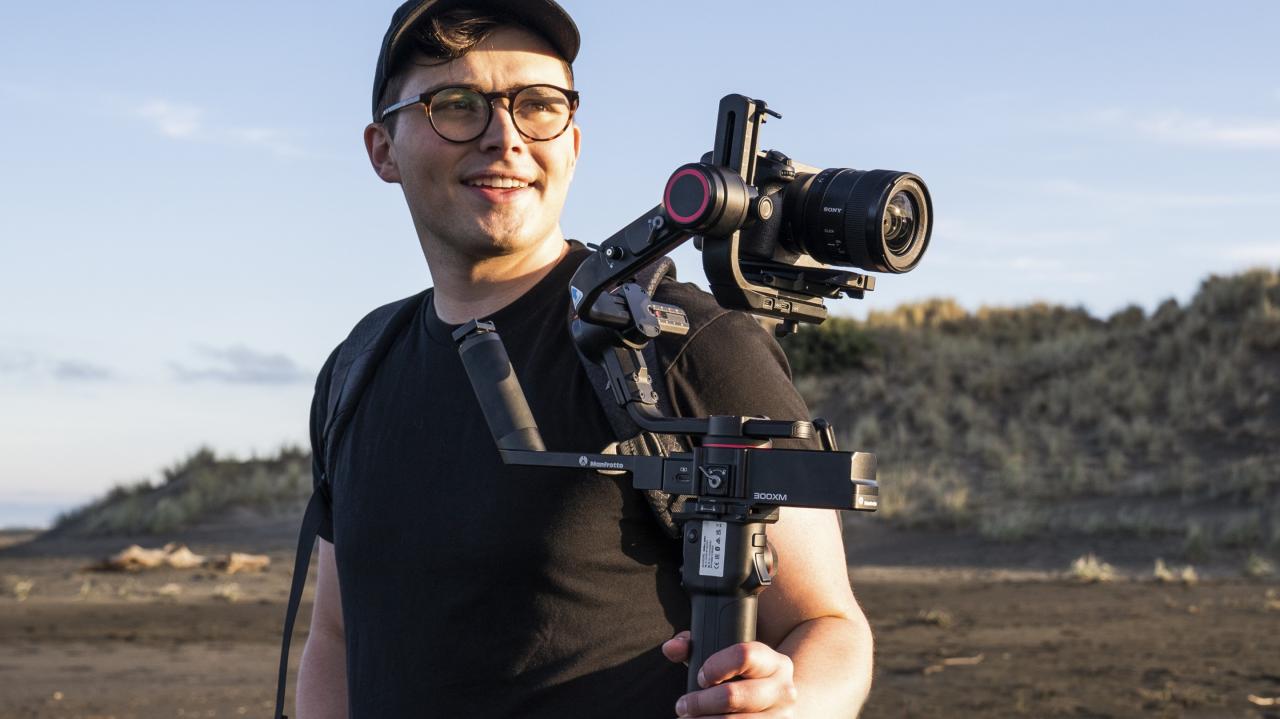
Now that you understand the fundamentals and have your gimbal set up, it’s time to explore the art of movement. Mastering gimbal control is what truly elevates your footage from amateur to cinematic, allowing you to guide your audience’s eye and evoke specific emotions. This section will delve into the core movements and techniques that professional filmmakers use to achieve fluid and captivating shots.The ability to precisely control the gimbal’s axis is paramount to creating professional-looking video.
Each movement serves a distinct purpose, and understanding how to execute them smoothly is key to storytelling. We will explore the foundational movements and then build upon them with practical techniques for common cinematic shots.
Basic Gimbal Movements: Pan, Tilt, and Roll
Gimbals offer control over three primary axes of rotation, each contributing to the final image composition and dynamism. Understanding these basic movements is the first step in manipulating your camera’s perspective with precision.
- Pan: This movement involves rotating the camera horizontally, from left to right or right to left, similar to turning your head. It’s ideal for following subjects or revealing a scene gradually.
- Tilt: Tilting refers to the vertical movement of the camera, moving it up or down. This is used to look up at a tall subject, down at something on the ground, or to create a sense of awe or introspection.
- Roll: Roll is the rotation of the camera around its lens axis, causing the horizon to appear tilted or even upside down. While less common for everyday shots, it’s a powerful tool for creating dramatic effects, such as disorientation or a sense of unease.
Achieving Smooth, Controlled Pans and Tilts for Tracking Shots
Tracking shots are a staple of cinematic storytelling, allowing the camera to follow a subject or move through a scene. Achieving smoothness in these movements requires a delicate touch and an understanding of how the gimbal responds to your input.To execute smooth pans and tilts for tracking shots, focus on gradual acceleration and deceleration. Avoid abrupt starts and stops, which will result in jarring footage.
Think of your joystick movements as gentle nudges rather than aggressive pushes.
“Smoothness is not just about the absence of shakes, but the presence of intentional, controlled motion.”
When tracking a subject, anticipate their movement. If they are moving at a constant speed, try to match their pace with a consistent joystick input. If their speed changes, your input should also change gradually. Practice moving the gimbal at various speeds, from a slow, creeping motion to a more dynamic, sweeping movement, to build muscle memory.
Executing Cinematic Follow Shots with a Gimbal
Follow shots are designed to keep the subject in frame as they move, often creating a sense of immersion and connection with the character or action. The gimbal’s ability to isolate movement is crucial here.To execute effective follow shots:
- Subject Focus: Ensure your subject remains the primary focus of the frame. This may involve slight adjustments to pan and tilt to keep them centered or within a specific area of the composition.
- Anticipate Obstacles: If the subject is moving through a complex environment, anticipate potential obstacles and begin to maneuver the gimbal to avoid them before they enter the frame. This requires careful observation of the scene.
- Varying Speeds: Don’t be afraid to vary the speed of your follow shot. A slow, deliberate follow can build tension, while a faster follow can convey urgency or excitement.
- Combining Movements: Often, a cinematic follow shot will involve a combination of pan and tilt. For instance, as a subject walks up a hill, you’ll need to tilt the camera upwards while panning to keep them centered.
Mitigating Common Gimbal Control Mistakes
Even with practice, beginners often encounter common pitfalls that lead to less-than-ideal footage. Recognizing these mistakes is the first step to correcting them.Common gimbal control mistakes include:
- Jerky Movements: This is often caused by overcorrection or too much force applied to the joystick. It can also be a result of the gimbal’s motor settings being too aggressive.
- Over-tilting or Over-panning: Moving the camera too far or too fast, leading to a loss of subject or a disorienting effect.
- Ignoring the Environment: Not accounting for the surroundings, which can lead to the camera bumping into objects or the shot becoming cluttered.
- Inconsistent Speed: Starting and stopping movements abruptly, or fluctuating speed without a clear narrative purpose.
To mitigate jerky movements, ensure your gimbal’s motor strength settings are appropriate for your camera and environment. Lowering motor strength can sometimes result in smoother, less reactive movements. Additionally, practice “breathing” with your joystick movements – a slight release and reapplication of pressure can smooth out transitions. For over-tilting or over-panning, focus on making smaller, more deliberate adjustments and practice maintaining a steady horizon.
Always be aware of your surroundings and the boundaries of your shot.
Advanced Gimbal Techniques for Professional Shots
Having mastered the fundamentals of gimbal operation and setup, it’s time to elevate your videography with advanced techniques. These methods will transform your footage from standard to truly cinematic, allowing for dynamic storytelling and visually compelling narratives. By understanding and implementing these advanced maneuvers, you can create shots that engage your audience and showcase your creative vision.This section delves into specific shot compositions and movements that leverage the full potential of your gimbal.
We will explore how to execute complex sequences, integrate smooth transitions, and utilize different gimbal modes to achieve a professional polish.
Designing Sequences with Advanced Gimbal Maneuvers
Strategic shot sequencing is crucial for building visual momentum and conveying narrative information. Advanced gimbal maneuvers, when combined thoughtfully, can create a powerful visual flow.Here’s a sequence designed to showcase a subject’s environment and then focus on the subject itself:
- Orbit Shot: Begin with the camera orbiting around a static subject. This establishes the subject’s presence and provides context for its surroundings. The orbit should be smooth and consistent, maintaining a fixed distance from the subject.
- Reveal Shot: Transition from the orbit by having the gimbal move laterally or vertically to reveal a key element of the environment or the subject’s interaction with it. For example, an orbit around a chef in a kitchen could end with a reveal of a beautifully plated dish.
- Push-In/Pull-Out Transition: Following the reveal, smoothly transition into a push-in shot towards a specific detail of the subject or their action, or a pull-out to re-establish the wider scene. This creates a sense of focus or detachment, guiding the viewer’s attention.
Incorporating Smooth Push-In and Pull-Out Shots
Push-in and pull-out shots are fundamental for controlling pacing and emphasizing specific elements within a scene. Achieving smoothness with a gimbal requires precise control over speed and trajectory.To ensure seamless push-in and pull-out movements:
- Gradual Speed Application: Avoid abrupt starts and stops. Gently increase speed as you begin the push-in or pull-out, and gradually decelerate as you reach your desired frame. This can often be achieved by feathering the joystick.
- Maintain Horizon Level: During any forward or backward movement, it is essential to keep the horizon level. This prevents the shot from feeling disorienting and maintains a professional aesthetic. Your gimbal’s internal stabilization should assist, but mindful joystick control is key.
- Pre-Visualize the Endpoint: Before initiating the movement, have a clear idea of where you want the shot to end. This helps in planning the duration and speed of the movement, leading to a more controlled and intentional execution.
- Consider Tracking: If the subject is moving, use the gimbal’s tracking capabilities in conjunction with push-in or pull-out. This requires practice to maintain focus while simultaneously adjusting the camera’s distance.
Creative Ways to Use Gimbal Movements for Visual Storytelling
Gimbal movements are not just about smooth motion; they are powerful tools for conveying emotion, building suspense, and directing the viewer’s gaze.Creative applications include:
- Building Tension with Slow Pushes: A slow, deliberate push-in on a character’s face can build suspense or highlight a subtle emotional reaction.
- Establishing Scale with Sweeping Orbits: Orbiting around a vast landscape or a large structure emphasizes its scale and grandeur.
- Revealing Information Gradually: A slow pan or tilt combined with a slight push can reveal a hidden clue or a character’s true intentions, adding layers to the narrative.
- Mimicking Human Vision: Use subtle, natural-feeling movements that mimic how a person would naturally look around a scene, making the footage more relatable.
- Expressing Freedom or Confinement: Wide, sweeping movements can evoke a sense of freedom, while tight, constrained movements can suggest a feeling of being trapped.
Comparing and Contrasting Gimbal Modes
Different gimbal modes are designed for specific shooting scenarios, each offering a unique balance of responsiveness and stabilization. Understanding these modes is critical for selecting the appropriate one for your intended shot.Here’s a comparison of common gimbal modes:
| Mode | Description | Application | Pros | Cons |
|---|---|---|---|---|
| Pan Follow Mode | Allows the gimbal to follow horizontal movements (panning) smoothly while keeping the tilt and roll axes locked. | Ideal for tracking subjects moving horizontally, walking shots, and smooth camera pans. | Excellent for smooth horizontal tracking, intuitive for basic movement. | Limited in vertical or complex 3D movements. |
| Follow Mode (All-Axis Follow) | The gimbal follows all movements of the controller (pan, tilt, and roll) to varying degrees, providing a more dynamic range of motion. | Versatile for general shooting, capturing more complex camera movements, and when more freedom is desired. | Offers greater creative freedom for dynamic shots. | Can be less stable than Pan Follow if not controlled precisely, requires more practice. |
| Lock Mode | Keeps the camera pointed in a single direction, regardless of how the gimbal is moved. All axes are locked. | Useful for stationary shots where you want to move the entire rig without altering the camera’s framing, or for creating specific visual effects. | Provides absolute stability for a fixed frame. | Least dynamic, requires moving the entire gimbal to reframe. |
| Sport Mode | Increases the responsiveness of the gimbal to joystick inputs, allowing for faster camera movements. | Best for fast-paced action, sports, or when you need to quickly reframe or follow rapidly moving subjects. | Enables rapid camera adjustments and tracking of fast action. | Requires significant skill to control smoothly, can introduce shakiness if not handled expertly. |
Choosing the right mode depends entirely on the action you are capturing and the desired effect. For instance, a slow, deliberate reveal of a landscape would benefit from Pan Follow mode, while tracking a skateboarder might necessitate Sport Mode with careful joystick control.
Optimizing Gimbal Settings and Accessories
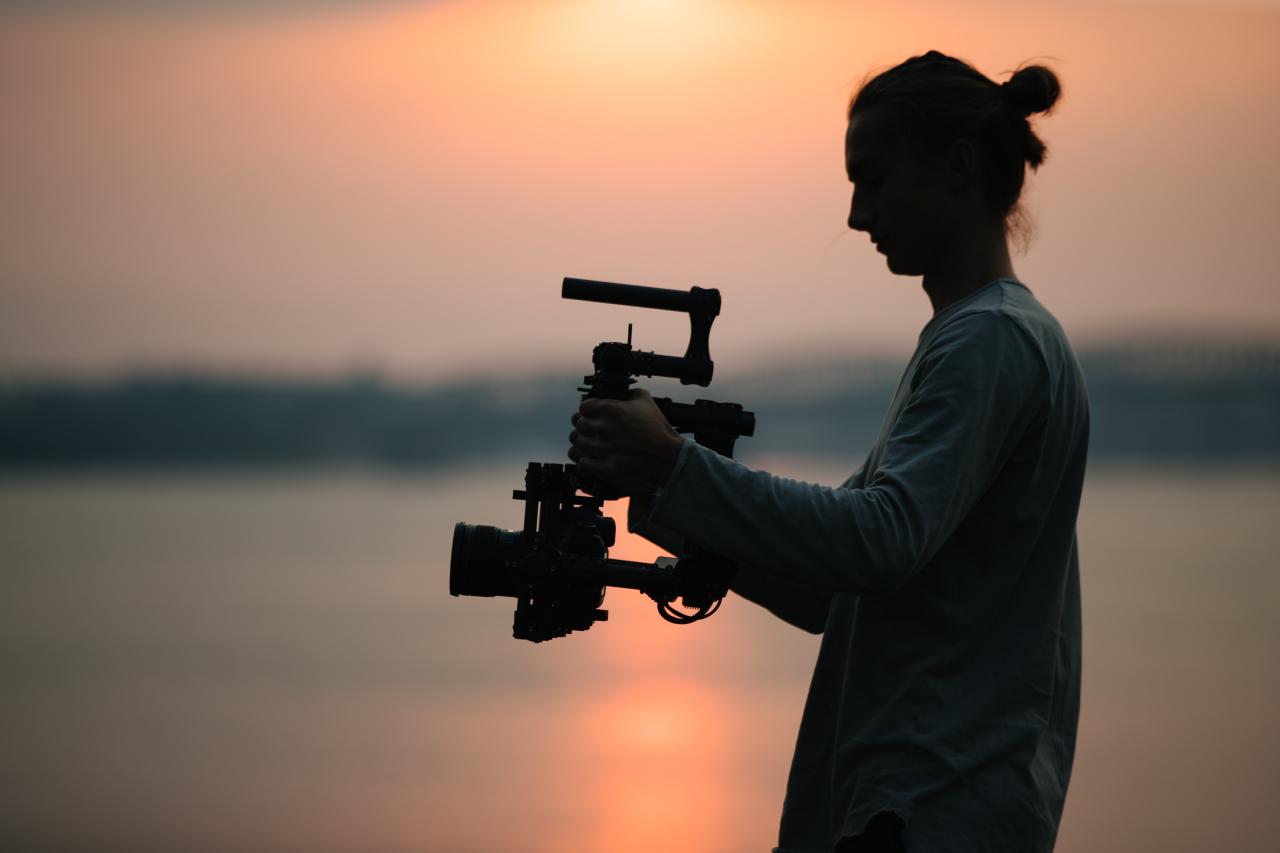
Fine-tuning your gimbal’s settings and selecting the right accessories are crucial steps in achieving truly professional and cinematic footage. This section delves into how to adapt your gimbal’s performance to various shooting situations and enhance its capabilities for a more polished final product. Understanding these elements will allow you to unlock the full potential of your gimbal.
Gimbal Motor Strength and Follow Speed Adjustment
The responsiveness of your gimbal is largely dictated by its motor strength and follow speed. Adjusting these parameters allows you to tailor the gimbal’s movement to match your intended shot and the dynamics of the scene. Motor strength influences how quickly the gimbal can counteract shakes and vibrations, while follow speed determines how closely the gimbal tracks the camera’s movement.To effectively manage these settings:
- Low Motor Strength & Slow Follow Speed: Ideal for slow, deliberate pans and tilts, such as establishing shots or tracking a subject moving at a consistent pace. This setting minimizes abrupt movements and creates a serene, flowing feel.
- Medium Motor Strength & Medium Follow Speed: A balanced approach suitable for general walking shots, subtle reframing, and tracking subjects with moderate movement. It offers responsiveness without sacrificing smoothness.
- High Motor Strength & Fast Follow Speed: Necessary for capturing dynamic action, such as running, skateboarding, or following fast-moving vehicles. This setting ensures the gimbal can keep up with rapid camera movements and maintain stability.
- Customizable Profiles: Many modern gimbals allow you to save custom profiles for different scenarios, enabling quick switching between optimized settings.
It’s important to experiment with these settings in various conditions to understand their impact on your footage. Overly aggressive settings can lead to jerky movements, while overly subdued settings may result in the gimbal failing to keep pace with your actions.
Selecting Appropriate Gimbal Accessories
The right accessories can significantly expand your gimbal’s functionality and improve your shooting workflow. These additions can range from power solutions to mounting options and stabilization aids.Consider the following categories of accessories:
- Extended Batteries/Power Banks: Essential for long shooting days, ensuring your gimbal remains powered without interruption. Look for accessories that offer a significant increase in battery life.
- Quick-Release Plates: Facilitate faster camera mounting and dismounting, which is invaluable when switching between different camera setups or for quick battery changes.
- Accessory Mounts: These allow you to attach external microphones, lights, or monitors directly to the gimbal, keeping your setup streamlined and balanced.
- Remote Controllers: Enable hands-free operation or allow a second person to control the gimbal’s movement, offering greater creative freedom and flexibility.
- Car Mounts/Suction Cups: For capturing smooth footage from moving vehicles, these specialized mounts provide a secure attachment point for the gimbal.
- Stabilization Arms/Vest Systems: For extended handheld use or when carrying heavier camera setups, these systems distribute weight and absorb shocks, further enhancing stability and reducing operator fatigue.
The choice of accessories will depend heavily on your typical shooting environment and the type of footage you aim to capture. Prioritize accessories that address common pain points in your workflow.
Environmental Factors and Gimbal Performance
External environmental conditions can subtly, or significantly, impact your gimbal’s performance. Understanding these influences allows you to anticipate potential issues and make necessary adjustments.Key environmental factors to consider include:
- Wind: Strong winds can buffet the camera and gimbal, causing vibrations and making it difficult for the motors to maintain stability. In such conditions, it may be necessary to increase motor strength and follow speed, or utilize a windsock or ND filter to allow for slower shutter speeds, which can help smooth out wind-induced motion.
- Temperature: Extreme temperatures, both hot and cold, can affect battery performance and the responsiveness of the gimbal’s motors. Batteries drain faster in cold weather, and extreme heat can lead to overheating. Allow your equipment to acclimate to the ambient temperature when possible.
- Humidity: High humidity can potentially lead to condensation forming on internal components, which can cause malfunctions. Ensure your gimbal is properly protected in damp conditions and allow it to dry thoroughly if exposed.
- Dust and Sand: These particles can clog the gimbal’s motors and joints, leading to reduced performance and potential damage. Using protective covers and cleaning your gimbal regularly are essential in dusty environments.
Proactive measures, such as using protective gear and adjusting settings, can mitigate the negative effects of these environmental challenges.
Recommended Gimbal Settings for Specific Visual Styles
Achieving distinct visual styles often requires a deliberate approach to gimbal settings. The following table provides a starting point for configuring your gimbal to achieve common cinematic looks.
| Visual Style | Motor Strength | Follow Speed | Damping | Example Scenarios |
|---|---|---|---|---|
| Dreamy & Ethereal | Low | Very Slow | High | Slow-motion sequences, flowing landscapes, dreamlike transitions. |
| Smooth & Documentary | Medium | Medium | Medium | Walking interviews, observational footage, general B-roll. |
| Dynamic & Action-Oriented | High | Fast | Low | Sports, chase scenes, fast-paced events. |
| Precise & Architectural | Medium-High | Slow to Medium | Medium-High | Tracking architectural details, slow reveals of large structures. |
It is important to remember that these are general guidelines. The optimal settings will always depend on the specific camera and lens combination you are using, as well as your personal shooting style and the exact demands of the scene. Consistent practice and careful observation of your footage will help you refine these settings further.
Capturing Dynamic Visuals: Gimbal for Action and Movement
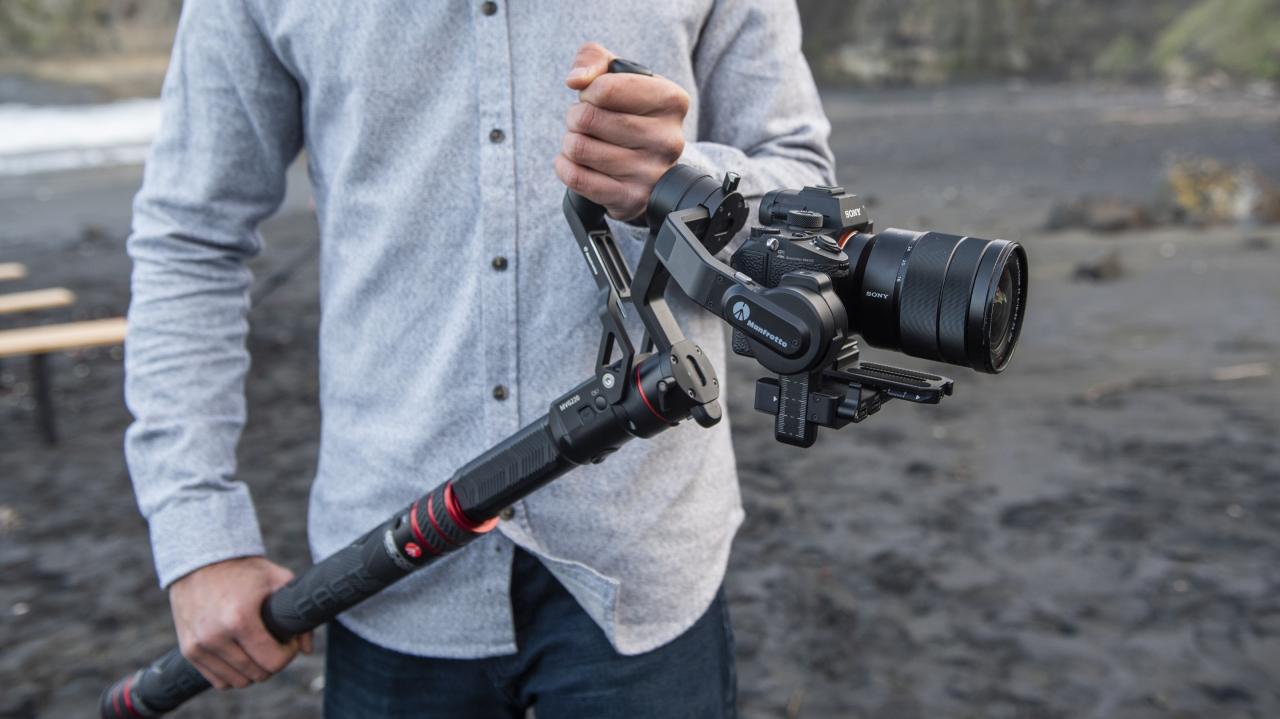
Harnessing a gimbal’s power extends beyond static shots; it’s about transforming movement into art. This section delves into how to maintain impeccable stability while you, or your subject, are in motion, ensuring your footage remains fluid and professional even amidst action. We’ll explore techniques that infuse your scenes with energy and immersion, making the viewer feel like they’re part of the action.
Maintaining Stability While Walking or Running
Achieving smooth footage while in motion is a fundamental skill for any gimbal operator. It requires a combination of proper technique, understanding your gimbal’s capabilities, and anticipating your movement. The goal is to absorb as much of your body’s natural jolt as possible, allowing the gimbal to do its work effectively.Here are key techniques to ensure stability:
- Soft Knees: Always maintain a slight bend in your knees. This acts as a natural shock absorber, reducing the impact of each step on the camera. Think of it as a continuous, subtle squat.
- Controlled Steps: Avoid large, jarring strides. Take shorter, more deliberate steps, especially when running. Focus on a smooth heel-to-toe or toe-to-heel motion to minimize vertical bounce.
- Body Alignment: Keep your body relatively upright and your core engaged. Avoid leaning too far forward or backward, as this can throw off the gimbal’s balance and introduce unwanted tilt.
- Arm Extension: Hold the gimbal with your arms slightly extended, but not locked. This allows your arms to act as a secondary suspension system, further dampening vibrations.
- Smooth Transitions: When changing direction or speed, make these movements gradual. Abrupt changes will often result in jerky camera movements that the gimbal may struggle to compensate for.
Techniques for Dynamic Action Sequences
Capturing dynamic action requires more than just stability; it involves intentional camera movement that enhances the narrative and excitement of the scene. Strategic use of the gimbal can elevate simple action into compelling cinematic sequences.Consider these techniques for dynamic action:
- Follow Shots: Position yourself to follow your subject at a consistent distance and angle. This creates a sense of intimacy and allows the viewer to stay connected with the action.
- Leading Shots: Move ahead of your subject, turning back to capture them as they approach. This technique builds anticipation and can be very effective for revealing characters or elements.
- Orbiting Shots: Circle your subject smoothly. This provides a dynamic, 360-degree view, offering a comprehensive perspective of the action and its surroundings. Ensure your path is a perfect circle to avoid jerky movements.
- Push-in/Pull-out: Combine walking towards or away from your subject with subtle camera adjustments. A slow, controlled push-in can build tension, while a pull-out can reveal the wider context.
- Pan and Tilt Integration: While walking, use subtle panning and tilting to follow specific elements within the action or to guide the viewer’s eye. This requires practice to coordinate with your physical movement.
Using the Gimbal to Add Energy and Immersion
The way a gimbal moves can profoundly influence the viewer’s emotional response to your footage. By intentionally incorporating specific movements, you can inject energy into a scene and draw the audience deeper into the experience.Here’s how to imbue your footage with energy and immersion:
- Subtle Wobble: For a more organic, documentary feel, allow for very subtle, controlled wobbles that mimic human perspective. This can make the footage feel more grounded and real.
- Dynamic Pacing: Vary the speed of your gimbal movements to match the pace of the action. Faster, more energetic movements can heighten excitement, while slower, deliberate movements can build suspense.
- First-Person Perspective: When filming from the perspective of a character, use the gimbal to simulate their movements and reactions. This is particularly effective for chase scenes or moments of intense focus.
- Revealing Surroundings: Use the gimbal to sweep across the environment, revealing details that add context and atmosphere to the action. This can enhance the sense of place and immersion.
- Anticipatory Movements: If you know what’s about to happen, subtly pre-empt the action with a slight camera movement. This can make the reveal feel more impactful and engaging.
Common Challenges in Dynamic Environments and Solutions
Filming in dynamic environments presents unique hurdles that can test even the most experienced gimbal operator. Understanding these challenges and employing the right strategies is crucial for overcoming them and achieving professional results.Here are common challenges and how to address them:
- Uneven Terrain: Walking on grass, gravel, or uneven pavement can cause significant bumps.
- Solution: Focus on the “soft knees” technique and take smaller, more controlled steps. If possible, scout the location beforehand to identify smoother paths.
- Crowded Spaces: Navigating through crowds introduces the risk of bumping into people or objects.
- Solution: Maintain a wider stance, use your peripheral vision, and communicate with those around you. Consider using a wider lens to allow for more distance from your subject.
- Wind and Environmental Factors: Strong winds can buffet the gimbal and create unwanted camera shake.
- Solution: Utilize the gimbal’s wind-resistance settings if available. Shield the gimbal with your body as much as possible. Consider shooting in less windy conditions if feasible.
- Sudden Movements from Subjects: Unpredictable actions from actors or participants can be difficult to track.
- Solution: Practice anticipation and pre-planning. Work closely with your subjects to understand their intended movements. Be prepared to make quick, small adjustments.
- Maintaining Focus: With subjects moving quickly, maintaining sharp focus can be a significant challenge.
- Solution: Utilize your gimbal’s autofocus capabilities, but be prepared to manually adjust if necessary. For critical shots, consider using a camera with advanced subject tracking.
Integrating Gimbal Footage into Your Workflow

The journey of creating stunning visuals doesn’t end when you press the record button. Seamlessly integrating your gimbal-captured footage into your post-production workflow is crucial for realizing the full potential of your smooth, cinematic shots. This stage allows you to refine your story, enhance the mood, and ensure a polished final product that captivates your audience.The beauty of well-executed gimbal shots lies in their inherent stability.
This significantly simplifies the editing process, often negating the need for extensive digital stabilization, which can sometimes degrade image quality or introduce unwanted artifacts. By prioritizing smooth camera movement during the shoot, you empower yourself with footage that is already a significant step ahead in post-production.
Framing Shots for Gimbal Capabilities
Thoughtful framing is paramount to showcasing the dynamic possibilities of a gimbal. Consider how the camera’s ability to move fluidly can enhance your narrative and visual storytelling.
- Leading Lines: Utilize architectural elements, pathways, or natural formations to guide the viewer’s eye through the scene, with the gimbal smoothly following or revealing these lines.
- Depth and Layers: Employ foreground, middle ground, and background elements. A gimbal can smoothly transition between these layers, creating a sense of depth and immersion.
- Subject-Background Interaction: Frame your subject in relation to their environment. A gimbal allows for elegant parallax effects as the camera moves, emphasizing the subject’s context.
- Reveal Shots: Use the gimbal to slowly pan or tilt, revealing a subject or a scene in a deliberate and engaging manner. This builds anticipation and directs attention.
- Follow Shots with Context: When following a subject, ensure the background provides context or visual interest. The gimbal’s smooth motion will keep the subject in focus while maintaining a compelling environment.
Planning for Maximum Gimbal Effectiveness
Effective shot planning is the bedrock of successful gimbal cinematography. By anticipating movement and considering the gimbal’s strengths, you can capture footage that is not only stable but also narratively compelling and visually dynamic.
Pre-visualization and Storyboarding
Before stepping onto location, invest time in pre-visualizing your shots. This involves sketching out key camera movements and how they will serve your story.
- Scene Breakdown: Analyze each scene to identify opportunities for dynamic camera movement. Consider the emotional arc and pacing of the narrative.
- Shot List Creation: Develop a detailed shot list that Artikels the specific gimbal movements for each shot. This might include:
- Dolly-in/Dolly-out: Simulating a camera moving forward or backward.
- Pedestal-up/Pedestal-down: Moving the camera vertically.
- Orbit Shots: Moving the camera in a circular path around a subject.
- Crane Shots: Mimicking the smooth ascent or descent of a crane.
- Blocking and Movement: Choreograph the movement of your subjects in relation to the planned camera path. Ensure their actions complement the gimbal’s motion.
Technical Considerations and Rehearsal
Understanding the technical limitations and capabilities of your gimbal is essential for efficient planning and execution.
- Gimbal Payload and Balance: Ensure your camera and lens combination is within the gimbal’s payload capacity and properly balanced. An unbalanced gimbal can lead to jerky movements and motor strain.
- Battery Life: Plan your shooting schedule around battery life. Have spare batteries readily available and consider charging times.
- Environment Assessment: Scout your location to identify potential challenges such as uneven terrain, wind, or tight spaces. Plan your movements to mitigate these issues.
- Rehearsal is Key: Practice your planned shots multiple times. This allows you to refine the movements, anticipate any obstacles, and ensure smooth execution. Rehearse with your subject if applicable.
“The most impactful gimbal shots are those where the movement feels motivated and enhances the storytelling, rather than being a gratuitous display of stabilization.”
Ending Remarks
In conclusion, by understanding the fundamentals, diligently setting up and calibrating your gimbal, and practicing a range of control techniques, you are well-equipped to capture stunning, cinematic footage. From basic movements to advanced maneuvers and thoughtful integration into your workflow, the journey of using a gimbal is one of continuous learning and creative exploration. Embrace these techniques to elevate your storytelling and produce visuals that truly resonate with your audience.